
() ·
Een schilderij speciaal voor u gemaakt, met de hand
Handgemaakte olieverfreproductie
Met de hand geschilderd in olieverf op canvas in uw gewenste maat en lijst, op bestelling gemaakt door onze kunstenaars. ( Schakel over naar print Schakel over naar digitale afbeeldingen)
Biografie kunstenaar
Discover the evocative coastal landscapes of Duncan Macgregor Whyte – a Scottish painter renowned for his seascapes & portraits, capturing Highland life & beauty.
 Lees meer
vanaf ·
Hoofdstuk 1
Hoe groot moet het zijn?
Schuif om de afmetingen te wijzigen; de afbeelding aan de linkerzijde toont de lijst in de werkelijke breedte. De oorspronkelijke verhoudingen blijven behouden.
Kies uit onze vooraf ingestelde maten die overeenkomen met de originele verhoudingen van het kunstwerk.

Voer de breedte en hoogte in die u nodig heeft, passend bij uw lijst of uw muur. Omdat dit handgeschilderd is, kan de kunstenaar bij een afmeting met een andere beeldverhouding iets meer rondom het schilderij schilderen of juist iets meer weglaten — u kiest zelf. Wij sturen u een digitaal mockup ter goedkeuring voordat het schilderwerk begint. De afbeelding die op deze pagina wordt getoond, is niet het uiteindelijke resultaat — alleen de mockup geeft dit weer.
Hoofdstuk 2
Hoe moet het worden geleverd?
Kies de randen van het canvas
Kies uw lijst

Wit €1

Vervagende randen €1

Doorlopende rand €1

P118B €10

P118H €10

P118W €10

P438Z €10

P508JH €12

P508YH €12

P805H €10

P805Z €10

P919BZ €10

P919G €10

P919XJ €10

P959ZH €10

P968JZ €12

W106C €8

W218G €10

W218JH €8

W218Y €10

W307PJ €10

W316G €10

W316PJ €8

W316Y €10

W398PJ €8

W4111J €10

W500HY €15

W500JH €15

W692G €12

W849H €8

W940BG €15

W953PJ €8

H24-GOLD €30

H24-SILVER €30

H36-GOLD €45

H36-SILVER €45
Ingelijst
Lijstrand: . Totale afmetingen inclusief lijst: .
Hoofdstuk 3
Wie schildert het, en moet er iets veranderen?
Na de bestelling zal het team van OriginalUniqueArt.com per e-mail contact opnemen met de klant voor instructies en een mockup-voorbeeld verstrekken
Wereldwijde levering () binnen 3 tot 4 weken in plaats van de standaard 5 weken. (13 november). Zonder concessies aan de kwaliteit.
Hoofdstuk 4
De laatste hand aan
Een naambordje, zoals in een museum?
Details van de gegraveerde bronzen plaat
This elegant plaque features the artist's name and the title of the artwork, finely engraved for a timeless presentation.
It is made from bronze with a refined, elegant finish. The text is precisely laser-engraved for a sharp and permanent result. Measuring 9x2 cm, the plaque is compact yet easy to read. It's built to be durable and scratch-resistant, offering a professional, museum-quality look. Mounting is simple thanks to the included adhesive backing.
Details transparante acrylplaat
The plaque includes essential engraved details such as the artist's name, the title of the artwork, the date it was created, the type of media used-like oil on canvas or watercolor-a brief description of the piece, and a QR code that links to the complete artwork information.
It is crafted from clear acrylic, offering a sleek, modern appearance. The text is UV-engraved in black to ensure strong visual contrast. With a size of 10x15 cm, it ensures optimal readability. It comes equipped with two metal hooks for secure wall mounting. The plaque is designed to be weather-resistant, making it suitable for various environments, and it includes interactive features that work seamlessly with smartphone scanning.
Details zwarte acrylplaat
This elegant plaque includes engraved information such as the artist's name, the title of the artwork, the date it was created, the type of media used (like oil on canvas or watercolor), a short description of the artwork, and a QR code for quick access to more information.
The plaque itself is made from refined black acrylic with a premium finish. The text is laser-engraved in white for high contrast and readability. Its size is 10x15 cm, designed to be easy to read. It comes with two metal hooks for professional mounting. The design is sleek and fits any interior style. It is also weather-resistant and durable, with built-in digital integration for mobile compatibility.
Een beschermende vernis?
Wanneer heeft u het nodig?
Hoofdstuk 5
Uw schilderij, zoals u het heeft besteld

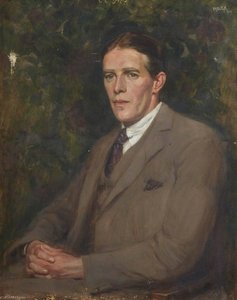
Malcolm Macleod
Druktechniek
Afmetingen reproductie
-

Geselecteerde topkunstenaars
Meer detail, verfijning en extra productietijd
-

Lijst voor reproductie
-
-
Voor kunstwerken of reproducties die aan één zijde groter zijn dan 105 cm (ongeveer 41 inch), wordt de lijst als een losse set verzonden. Deze methode garandeert een veilige levering en voorkomt schade tijdens het transport.
Professionele montage vereist - dit is geen doe-het-zelfproduct.
De set moet worden gemonteerd en het canvas moet worden gespannen door een ervaren professionele lijstenmaker, met gebruik van houtlijm (niet inbegrepen), een doekspanter en klemmen om de sponningen recht te houden terwijl de lijm droogt. Onjuiste montage of een ongelijkmatige spanning op het canvas kan het kunstwerk permanent beschadigen en wordt niet gedekt door onze garantie.
 Voor kunstwerken of reproducties die aan één zijde groter zijn dan 105 cm (ongeveer 41 inch), wordt de lijst als een losse set verzonden. Deze methode garandeert een veilige levering en voorkomt schade tijdens het transport.
Alle massief houten onderdelen zijn inbegrepen, nauwkeurig op maat gesneden voor montage.
Te monteren met de meegeleverde schroeven, plus houtlijm voor de hoekverbindingen, die niet wordt meegeleverd en door uw lijstenmaker moet worden aangeschaft.
Professioneel gereedschap is vereist en niet inbegrepen: een spanner voor canvas en klemmen om de latten recht te houden terwijl de lijm droogt.
Belangrijk:
De hoekverbindingen vereisen houtlijm, de latten moeten met lijmklemmen worden vastgehouden tot de lijm volledig is opgedroogd, en het spannen van het canvas op het samengestelde frame vereist een doekspanter. Geen van deze artikelen is inbegrepen in de set. Wij adviseren u om een ervaren professionele lijstenmaker te raadplegen voordat u deze maat bestelt.

Naamplaatje
-
-

Beschermende vernislaag
Glanzende vernis (versterkt de kleuren en biedt bescherming tegen licht en vocht)
-

Mijn kunstwerk aanpassen
Voorbeelden van aanpassingen: vervang het gezicht door een eigen foto; voeg een huisdier toe (bijv. vervang de kat door een hond); verwerk een verborgen boodschap in de achtergrond; wijzig het landschap of andere elementen op de achtergrond.
-

Spoedlevering
Wereldwijde levering () binnen 3 tot 4 weken in plaats van de standaard 5 weken. (13 november). Geen concessies aan de kwaliteit.
-
Spoedlevering
Wereldwijde levering naar binnen 5 weken. (20 november).
Inbegrepen
Eindtotaal
€ 268
De optie voor glas is alleen beschikbaar bij een formaat kleiner dan 110 cm.
Inbegrepen bij elke bestelling
- Gratis wereldwijde expressverzending
- Hoogwaardig linnen canvas
- Volledige verzendverzekering
- Garantie op terugbetaling van invoerrechten
- Garantie op exacte kleurweergave
- Retourbeleid van 100 dagen (alleen bij defecten)
- 100% Geld-terug-garantie
- Korting bij meerdere afnames


 Voorvertoning
 Verstuur
 Delen
Delen
 Details bekijken
 Gids
Gids

 Download
 Vergelijkbare items
 Röntgenonderzoek
 Diavoorstelling
 Vraag & antwoord
 Statistieken
In cijfers
- 1929het jaar waarin het werd geschilderd
- 29lijsten om uit te kiezen
- standaardmaten, in hun eigen verhoudingen
- 5weken om te schilderen en te leveren
Over het origineel

- 127.0 x 102.0 cm

Duncan Macgregor Whyte
1866 - 1953
Snelle feiten over Duncan Macgregor Whyte
- Full Name: Duncan MacGregor Whyte
- Nationality: Scottish
- Date Of Birth: 1866
- Date Of Death: 1953
- Place Of Birth: Oban, Argyll, Scotland
- Notable Artworks:
- Dugald McIsaac
- Hugh MacGowan
- The Last Rays of Day
- Artistic Movement Or Style: Portraiture, Landscape, Seascape
- Artists Who Influenced This Artist:
- Van Havermaet
- Delécluse
- Artists Or Movements Influenced By This Artist: ['Scottish Colourists']
Biografie kunstenaar
Duncan MacGregor Whyte: A Highland Visionary
Duncan Macgregor Whyte, a name perhaps less familiar than some of his contemporaries, nevertheless holds a significant place in the landscape of 19th and early 20th-century Scottish art. Born in Oban, Argyll, in 1866, into a family steeped in religious leadership – his father was a Congregational Minister – Whyte’s artistic journey began not within formal academies but through observation and immersion in the rugged beauty of his native Highlands. This formative experience would profoundly shape his distinctive style, characterized by a deep connection to the land, a nuanced understanding of light, and an ability to capture both the grandeur and the quiet intimacy of Highland life.
Early influences were diverse. Whyte’s artistic training commenced in Glasgow, providing him with a grounding in traditional techniques. However, recognizing the need for broader exposure, he travelled extensively throughout Europe, studying under masters like Van Havermaet in Antwerp and Delécluse in Paris. These periods weren't merely about technical skill; they represented an encounter with different artistic philosophies – particularly the Impressionist movement’s emphasis on capturing fleeting moments of light and atmosphere – which would subtly inform his own approach. Crucially, it was in Paris that he met Mary Baylis Barnard, a fellow artist who became his wife and lifelong collaborator, sharing not only a life but also an artistic vision.
The Palette of the Highlands
Whyte’s oeuvre is predominantly defined by two recurring themes: landscapes and portraits. While he produced numerous seascapes – often depicting the dramatic coastline around Oban and Tiree – it was his depictions of Highland scenery that truly cemented his reputation. These aren't romanticized, idealized vistas; rather, they are rendered with a remarkable honesty, capturing the harshness of the weather, the textures of the peat bogs, and the ever-changing light on the hillsides. He frequently depicted scenes of rural life – shepherds tending their flocks, crofters working the land, and families gathered around fires – offering intimate glimpses into the daily rhythms of Highland communities.
His portraiture, equally compelling, showcased a keen eye for capturing character and personality. He painted members of the local gentry, clergy, and ordinary folk alike, often employing a rich palette of browns, greens, and greys to evoke the mood and atmosphere of his subjects. The portraits are not merely likenesses; they possess a palpable sense of presence, reflecting the dignity and resilience of those he depicted.
Technique and Style
Whyte’s technique evolved considerably throughout his career. Initially influenced by academic traditions, he gradually embraced looser brushwork and brighter colors, mirroring the Impressionist movement's impact. His later works demonstrate a growing confidence in capturing atmospheric effects – particularly the way light interacts with water and stone – through subtle shifts in tone and color. He was a master of layering paint to create depth and texture, and his use of glazing techniques allowed him to build up luminous surfaces that shimmered with reflected light.
His style can be described as ‘Highland Impressionism’ - a synthesis of traditional landscape painting with the innovative approaches of the late 19th-century avant-garde. He avoided overt sentimentality, instead focusing on conveying a sense of place and time through careful observation and skillful execution.
Legacy and Recognition
Duncan Macgregor Whyte’s work remained largely unheralded during his lifetime, though he exhibited at prestigious venues such as the Royal Scottish Academy and the Walker Art Gallery. He established a studio in Balevullin on Tiree, where he continued to paint until his death in 1953, aged 86. It wasn’t until decades after his passing that his work began to receive wider recognition, thanks to the efforts of art historians and collectors who appreciated his unique vision.
Today, Whyte's paintings are held in several important collections, including those of the Kelvingrove Art Gallery and Museum in Glasgow and the State Art Collection of the Art Gallery of Western Australia. His legacy endures as a testament to the power of observation, the beauty of the Scottish Highlands, and the enduring appeal of a painter who captured the spirit of his homeland with remarkable skill and sensitivity.