
 Voorvertoning
 Verstuur
 Delen
Delen
 Details bekijken

 Download
 Vergelijkbare items
 Röntgenonderzoek
 Diavoorstelling
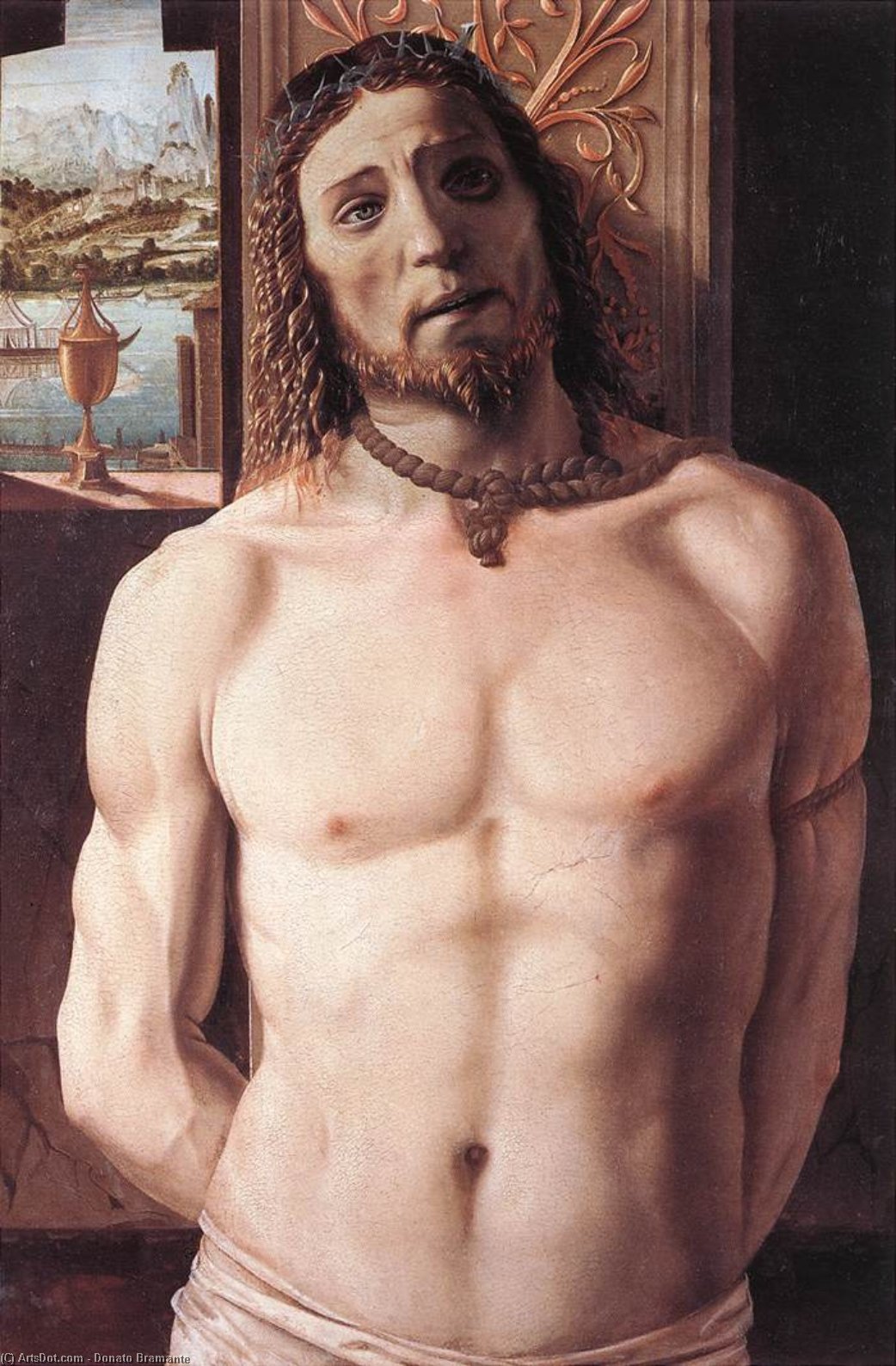
Christ at the Column
 Acrylic On Canvas
- WallArt
 1490
1490 93.0 x 62.0 cm
 Pinacoteca di Brera
 Lees meer
Giclée / Kunstafdrukken
Giclée- of canvasafdruk van museumkwaliteit met een snelle productie en flexibele afwerkingsmogelijkheden. ( Bestel handgeschilderde reproductie Koop afbeelding)




P118B $10

P118H $10

P118W $10

P438Z $10

P508JH $12

P508YH $12

P805H $10

P805Z $10

P919BZ $10

P919G $10

P919XJ $10

P959ZH $10

P968JZ $12

W106C $8

W218G $10

W218JH $8

W218Y $10

W307PJ $10

W316G $10

W316PJ $8

W316Y $10

W398PJ $8

W4111J $10

W500HY $15

W500JH $15

W692G $12

W849H $8

W940BG $15

W953PJ $8




Kies uit onze vooraf ingestelde maten die overeenkomen met de originele verhoudingen van het kunstwerk.

U kunt uw eigen afmetingen opgeven om in een specifieke lijst of ruimte te passen. Als de door u gekozen maat niet overeenkomt met de proporties van het originele kunstwerk, zullen wij de afbeelding bijsnijden of uitbreiden met een gespiegelde of effen rand. Een digitaal mockup wordt ter goedkeuring naar u verzonden voordat de productie begint.
Houd er rekening mee dat de preview op het scherm de werkelijke bijsneding of uitbreiding niet weergeeft. Alleen de mockup toont de uiteindelijke compositie nauwkeurig.
Hoewel aangepaste maten beschikbaar zijn, raden wij aan een afmeting uit de vooraf bepaalde lijst te kiezen om de originele proporties te behouden.
Wereldwijde levering () binnen 2 weken in plaats van de standaard 4/5 weken. (14 augustus)

Gratis wereldwijde expressverzending

Hoogwaardig linnen canvas

Volledige verzendverzekering

Garantie op terugbetaling van invoerrechten

Garantie op exacte kleurweergave

Retourbeleid van 60 dagen (alleen bij defecten)

100% Geld-terug-garantie

Korting bij meerdere afnames
 De optie voor glas is alleen beschikbaar bij een formaat kleiner dan 110 cm.

Christ at the Column
Giclée / Kunstafdrukken
Afmetingen reproductie
-


Eindtotaal
$ 81
Biografie van de kunstenaar
Petrus Christus: De brug tussen de middeleeuwen en de renaissance
Petrus Christus, een naam die eeuwenlang grotendeels onbekend bleef, staat als een spilfiguur in de overgang tussen de laatgotische en de vroege renaissancekunst van Noord-Europa. Geboren rond 1410/1420 in Baarle, nabij Antwerpen, en voornamelijk actief in Brugge van 1444 tot aan zijn dood rond 1475/1476, rust de nalatenschap van Christus niet op grootschalige, revolutionaire werken, maar eerder op een stilletjes innovatieve benadering van de schilderkunst—een methode die minutieuze details combineerde met een ontluikend gevoel voor volume en perspectief. Hij vormt een cruciale brug tussen de sterk gestileerde, verluchte manuscripten uit de middeleeuwse periode en het opkomende naturalisme van de renaissance, waarbij hij een bewonderenswaardig vermogen toonde om invloeden uit diverse bronnen te absorberen en aan te passen.
Het vroege leven van Christus blijft deels gehuld in mysterie. Men vermoedt dat hij in de leer is gegaan bij Jan van Eyck, de meest gevierde schilder van zijn tijd, hoewel de exacte aard van deze relatie—of hij nu een ware pupil was of simpelweg een student die in de werkplaats van Van Eyck werkte—onder wetenschappers nog steeds onderwerp van debat is. De minutieuze details en de nauwkeurende weergave in het werk van Christus suggereren sterk een invloed van de baanbrekende realisme van Van Eyck, met name in zijn meesterlijke gebruik van olieverf. In tegenstelling tot Van Eyck, die zich vaak richtte op grootschalige verhalen en religieuze scènes, ontwikkelde Christus echter snel een eigen, onderscheidende stijl. Deze werd gekenmerkt door een bijzondere aandacht voor de texturen en oppervlakken van zijn onderwerpen—van de fluwelen gewaden van rijke opdrachtgevers tot de delicate plooien in de stof. Zijn vroege werken werden grotendeels in opdracht gegeven door de opkomende Brugse koopmansklasse, wat de groeiende rijkdom en internationale handel van de stad weerspiegelde.
Een meester van het detail: Techniek en innovatie
Wat de schilderijen van Christus onmiddellijk onderscheidt, is zijn buitengewone niveau van detail. Hij bracht elk element met bijna obsessieve precisie in beeld—elke steek in een kledingstuk, elke glinstering van metaal, elk haartje. Deze benadering weerspiegelt de technieken die werden gebruikt in de boekverluchting, waarbij ingewikkelde details essentieel waren om informatie en schoonheid over te brengen. Maar in plaats van de vlakke, decoratieve stijl van verluchte manuscripten te volgen, gebruikte Christus zijn minutieuze precisie om een gevoel van driedimensionaliteit te creëren—een cruciale stap richting het renaissance-naturalisme. Hij behoorde tot de eerste kunstenaars die volume en ruimte overtuigend konden weergeven op een tweedimensionaal vlak, door technieken toe te passen zoals een zorgvuldige observatie van licht en schaduw en een steeds verfijnder begrip van perspectief.
De ontwikkeling van Christus is bijzonder fascinerend wanneer men deze bekijkt door de lens van wetenschappelijke analyse. Modern onderzoek met behulp van röntgenfotografie, infraroodreflectografie en dendrochronologische datering heeft een geleidelijke evolutie in zijn techniek aan het licht gebracht. Vroege werken vertonen sporen van ondertekeningen—een gangbare praktijk in die tijd—maar latere schilderijen tonen een steeds verfijndere aanpak van compositie en perspectief. Dit suggereert dat Christus niet simpelweg bestaande stijlen kopieerde, maar actief experimenteerde met nieuwe methoden van representatie, waarmee hij de grenzen verlegde van wat mogelijk was binnen de beperkingen van middeleeuwse schilderkunstconventies.
Invloeden en mecenaat
De artistieke reis van Christus werd gevormd door een complex samenspel van invloeden. Zoals eerder vermeld, speelde Jan van Eyck ongetwijfeld een belangrijke rol in zijn vroege ontwikkeling. Hij putte echter ook inspiratie uit het werk van Rogier van der Weyden, een andere prominente Vlaamse schilder die bekend stond om zijn dramatische composities en expressieve figuren. Bovendien onthult het werk van Christus een sterke verbinding met de artistieke tradities van Italië, in het bijzonder die van Antonello da Messina en andere kunstenaans in de mediterrane regio. Veel van zijn opdrachten werden uitgevoerd door Italiaanse kooplieden en bankiers die bloeiende handelsrelaties hadden met Brugge, wat resulteerde in schilderijen met een vaak Italiaanse of Spaanse herkomst. Deze blootstelling aan de Italiaanse kunst—met haar nadruk op kleur, licht en naturalisme—heeft de stijl van Christus onmiskenbaar beïnvloed.
Het mecenaat van rijke Brugse burgers, waaronder de Bourgondische hertogen, zorgde voor een constante stroom van opdrachten voor Christus. De frequente bezoeken van de hertogen aan Brugge creëerden een levendige artistieke omgeving die kunstenaars uit heel Europa aantrok. Het vermogen van Christus om zijn stijl aan te passen aan de smaak van zijn opdrachtgevers—of zij nu verlangden naar een formeel portret of een meer intieme devotionele scène—getuigt van zijn veelzijdigheid en zijn reactievermogen op de marktvraag. Met name zijn portretten zijn opmerkelijk om hun psychologische diepgang en subtiele expressie van persoonlijkheid.
Nalatenschap en herontdekking
Eeuwen na zijn dood bleef Petrus Christus grotendeels vergeten door kunsthistorici. Zijn werk werd afgedaan als eclectisch en afgeleid, overschaduwd door de meer gevierde figuren zoals Jan van Eyck en Hans Memling. Echter, in de late 19e eeuw leidde een hernieuwde interesse in de Noordelijke Renaissance-schilderkunst tot een herwaardering van het oeuvre van Christus. Geleerden begonnen zijn innovatieve technieken en zijn cruciale rol als verbinder tussen de middeleeuwse en renaissancekunst te erkennen. Vandaag de dag wordt Petrus Christus steeds meer gewaardeerd als een van de belangrijkste en meest invloedrijke schilders van de vroege Vlaamse school—een meester wiens minutieuze detail en subtiele vernieuwingen de weg vrijmaakten voor de artistieke prestaties van latere generaties.
Zijn overgeleverde werken, waaronder het Portret van een Kartuizer, het Portret van een jong meisje en verschillende devotionele panelen, bieden een boeiend venster op de artistieke wereld van het 15e-eeuwse Brugge—een stad die diende als een vitaal kruispunt tussen Europa en het Middellandse Zeegebied. De nalatenschap van Christus ligt niet in monumentale bouwwerken, maar in de stille briljantie van zijn schilderijen, die kijkers nog steeds weten te betoveren met hun bijzondere detail, subtiele schoonheid en een diepgaand gevoel van menselijke aanwezigheid.

Donato Bramante
1444 - 1514 , Italië
Belangrijkste feiten
- Artistic Movement Or Style: Vroeg-Nederlandse
- Artists Or Movements Influenced By This Artist: ['Sandro Botticelli']
- Artists Who Influenced This Artist:
- Jan van Eyck
- Rogier van der Weyden
- Date Of Death: 1475/76
- Full Name: Petrus Christus
- Nationality: Vlaams
- Notable Artworks:
- Portret van een Kartuizer
- Portret van een jong meisje
- Place Of Birth: Baarle, België
Gerelateerde artikelen
Fra Angelico's Top 25 Meesterwerken: Renaissance Kunst voor uw Interieur | OriginalUniqueArt.com
Ontdek de 25 mooiste meesterwerken van Fra Angelico! Verlies u in de spirituele schoonheid van Renaissance fresco's & panel schilderijen. Koop museumkwaliteit reproducties en breng Italiaanse kunst naar uw interieur op OriginalUniqueArt.com.
Sacred Narratives Embodied: A Comprehensive Exploration of Religious Iconography in Art History
Explore the rich history of religious iconography in art! Discover symbolism, movements & masterpieces from Byzantine to Renaissance periods. Expert insights for collectors and enthusiasts at OriginalUniqueArt.

Sacred Narratives on Canvas: Exploring Religious Scenes & Their Enduring Influence
Explore the rich history of religious art from Giotto to the Renaissance masters with OriginalUniqueArt. Discover symbolism, techniques & enduring legacies. Museum-quality reproductions available.
Giotto di Bondone's 25 Meesterwerken: Renaissance Kunst voor uw Interieur | OriginalUniqueArt
Ontdek de 25 meesterwerken van Giotto di Bondone, pionier van de Renaissance. Verlies u in zijn fresco's & religieuze kunst. Museumkwaliteit reproducties voor uw interieur op OriginalUniqueArt.com.
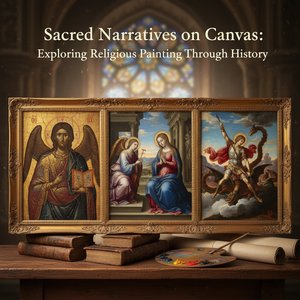
Sacred Narratives on Canvas: Exploring Religious Painting Through History
Explore the rich history of religious painting with OriginalUniqueArt.com! Discover iconic artworks, symbolism & techniques from antiquity to the Renaissance. Enhance your art appreciation today.



