
 Voorvertoning
 Verstuur
 Delen
Delen
 Details bekijken

 Download
 Vergelijkbare items
 Röntgenonderzoek
 Diavoorstelling
 Statistieken
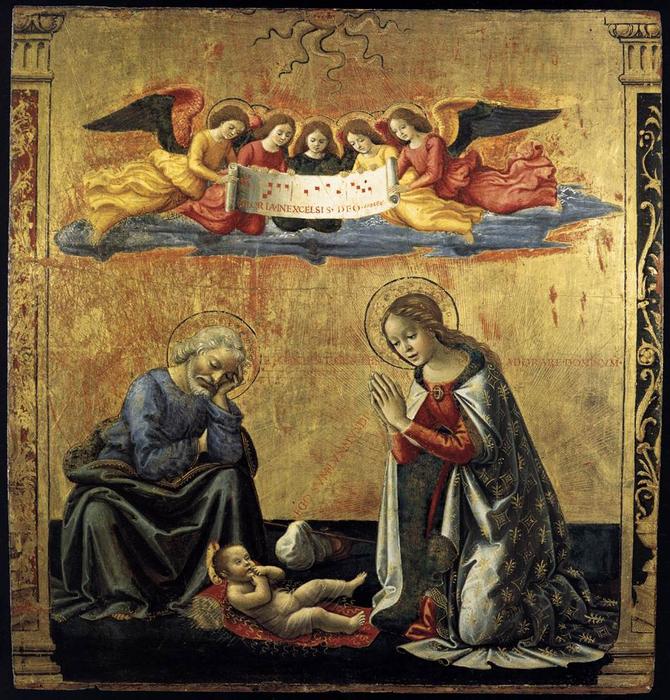
De Nativity
 Olieverf op canvas
- Wanddecoratie
- Early Renaissance
 1492
1492 85.0 x 63.0 cm
 Lees meer
Handgemaakte olieverfreproductie
Met de hand geschilderd in olieverf op canvas in uw gewenste maat en lijst, op bestelling gemaakt door onze kunstenaars. ( Schakel over naar print Schakel over naar digitale afbeelding)




P118B $10

P118H $10

P118W $10

P438Z $10

P508JH $12

P508YH $12

P805H $10

P805Z $10

P919BZ $10

P919G $10

P919XJ $10

P959ZH $10

P968JZ $12

W106C $8

W218G $10

W218JH $8

W218Y $10

W307PJ $10

W316G $10

W316PJ $8

W316Y $10

W398PJ $8

W4111J $10

W500HY $15

W500JH $15

W692G $12

W849H $8

W940BG $15

W953PJ $8




Kies uit onze vooraf ingestelde maten die overeenkomen met de originele verhoudingen van het kunstwerk.

U kunt uw eigen afmetingen invoeren om in een specifieke lijst of ruimte te passen. Als de door u gekozen maat niet overeenkomt met de verhoudingen van het originele beeld, zullen we het kunstwerk bijsnijden of het schilderij uitbreiden met extra handgeschilderde elementen. Een digitale mockup wordt ter goedkeuring naar u verzonden voordat de productie begint.
Houd er rekening mee dat de preview op het scherm niet de werkelijke uitsnede of uitbreiding weergeeft. Alleen de mockup toont de uiteindelijke compositie nauwkeurig.
Hoewel aangepaste afmetingen mogelijk zijn, raden we aan een maat uit de vooraf gedefinieerde lijst te selecteren om de originele verhoudingen te behouden.
Na de bestelling zal het team van OriginalUniqueArt.com per e-mail contact opnemen met de klant voor instructies en een mockup-voorbeeld sturen.
Wereldwijde levering () binnen 3 tot 4 weken in plaats van de standaard 5 weken. (13 september). Zonder concessies aan de kwaliteit.

Gratis wereldwijde expressverzending

Hoogwaardig linnen canvas

Volledige verzendverzekering

Garantie op terugbetaling van invoerrechten

Garantie op exacte kleurweergave

Retourbeleid van 100 dagen (alleen bij defecten)

100% Geld-terug-garantie

Korting bij meerdere afnames
 De optie voor glas is alleen beschikbaar bij een formaat kleiner dan 110 cm.

De Nativity
Druktechniek
Afmetingen reproductie
-


Eindtotaal
$ 300
Een Bloemrijke Erfgoed: Domenico Ghirlandaio en Zijn Geboren Jezus
Domenico di Tommaso Curradi di Doffo Bigordi, beter bekend als Domenico Ghirlandaio, stond aan het begin van de Italiaanse Renaissance kunstbeweging. Geboren in Florence in 1449, werd hij een naamsynoniem voor prachtige kleurrijke fresco's en portretten die het licht van zijn tijdschapteerden. Zijn kunstenaarschap begon bij Alesso Baldovinetti en werd verder ontwikkeld onder de begeleiding van Andrea del Verrocchio, waardoor hij een belangrijke rol speelde in het vormgeven van de artistieke identiteit van zijn geboortestad.
- Een Familiegeschiedenis van Kunstenaarschap: Ghirlandaio's vader was een goudsmid en gaf hem vanaf jonge leeftijd een waardering voor precisie en aandacht voor detail – kwaliteiten die hij zou terugvinden in zijn eigen kunstpraktijk. Zijn naam, “Il Ghirlandaio” (de garlandmaker), verwijst naar de prachtige headdresses die Florentijnse vrouwen droegen tijdens zijn tijd, een directe echo van zijn vader's vakmanschap.
- Een Prakticum bij Een Groot Talent: Hij begon zijn opleiding bij Alesso Baldovinetti en verdiepte zich vervolgens onder Verrocchio, waar hij essentiële technieken leerde die essentieel waren voor het creëren van prachtige fresco's en mosaïekwerken. Deze invloedrijke mentoren zouden Ghirlandaio helpen om een uitzonderlijk kunstenaar te worden.
De Geboren Jezus: Een Symbool van Humbleheid en Licht
Ghirlandaio’s meest bekende werk is zonder twijfel zijn fresco “De Geboorte”, dat hij schilderde in 1492 voor het Duomo van Prato. Het beeld wordt beschouwd als een hoogtepunt van de vroege Renaissance kunst en biedt een prachtige illustratie van de tijd waarin Ghirlandaio actief was. De scène speelt zich af in een eenvoudige stal, waar Maria vredig haar nieuwegeboren zoon vasthoudt, omringd door dieren zoals oxen en donkeys. Joseph staat achter Maria en kijkt naar het kind met een warme uitdrukking.
De kunstenaar gebruikte een combinatie van klassieke perspectieftechnieken en kleurrijke kleuren om een gevoel van ruimte en licht te creëren dat de serene natuur van het moment onderstreept. Een belangrijke historische context is de terugkeer naar klassieke vormen en ideeën die kenmerkend zijn voor deze periode, waarbij Ghirlandaio een prachtige balans vindt tussen religieuze ernst en artistieke schoonheid.
Een Laatste Inspiratiebron: Een Erfgoed Voor De Geschiedenis
“De Geboorte” heeft een blijvend belangrijk deel gespeeld in de kunstgeschiedenis, waardoor het een bron van inspiratie is voor vele reproducties en interpretaties. Samen met andere belangrijke kunstenaars uit zijn tijd, zoals Piero della Francesca en Sandro Botticelli, heeft Ghirlandaio een prachtige bijdrage geleverd aan het kunstschattenhuis van Florence en het internationale kunstbeeld.
Een bezoek aan het Museo dell'Opera del Duomo biedt een unieke kans om deze meesterlijke fresco te aanschouwen en de schoonheid van de vroege Renaissance kunst te ervaren. Laat je inspireren door Ghirlandaio’s kunstenaarschap en laat je onderdompelen in een tijd waarin kunst en wetenschap elkaar kruisten, waardoor een prachtige nieuwe periode voor het Europese kunstschattenhuis ontstond.
Biografie van de kunstenaar
A Florentine Garland: The Life and Art of Domenico Ghirlandaio
Domenico di Tommaso Curradi di Doffo Bigordi, a name forever linked to the vibrant artistic heart of Florence, was born in 1449. He is best known as Domenico Ghirlandaio – “Il Ghirlandaio,” a moniker that speaks not to floral arrangements but to his father’s craft: the creation of exquisite, jewel-like headdresses adorning Florentine women during his youth. This familial connection to artistry, specifically the intricate metalwork and ornamentation of goldsmithery, instilled in young Domenico a profound appreciation for detail, precision, and the beauty of embellishment – qualities that would become the very foundation of his artistic vision. Initially apprenticed to his father, mastering the delicate techniques of metalworking, he soon transitioned to painting under the tutelage of Alesso Baldovinetti, absorbing the fundamental principles of fresco and mosaic that defined Florentine art during this formative period. Some scholars also suggest a brief but significant influence from Andrea del Verrocchio, placing him within a generation of masters who were reshaping the very definition of Renaissance aesthetics.Bridging the Sacred and the Secular
Ghirlandaio’s true genius lay in his remarkable ability to seamlessly intertwine religious narratives with the everyday realities of Florentine life. He didn't depict biblical figures as idealized, distant ancestors; instead, he populated his frescoes with recognizable Florentines – merchants bustling through their trades, townsfolk engaged in their daily routines, and even members of prominent patron families. This innovative approach injected a startling sense of realism and immediacy into his work, grounding the divine within the tangible world. His workshop, a dynamic hub of creativity, wasn’t just a studio; it was a family enterprise, bustling with the talents of his brothers Davide and Benedetto, alongside his brother-in-law Sebastiano Mainardi – and most notably, the burgeoning genius of Michelangelo Buonarroti, who spent several years as an apprentice under Ghirlandaio's guidance. The sheer efficiency and productivity of this collaborative environment allowed Ghirlandaio to undertake ambitious commissions that solidified his reputation as one of Florence’s foremost artists. Notable examples include the breathtaking fresco cycles within the Sassetti Chapel of Santa Trinita (1482-1485), a vibrant tapestry depicting the life of St. Francis, interwoven with scenes of Florentine commerce and social interaction – a testament to Ghirlandaio's ability to seamlessly blend the sacred and the secular. Similarly, his *Apotheosis of St. Zenobius* in the Palazzo Vecchio showcased his mastery of perspective and composition, creating a monumental fresco that celebrated the city’s patron saint.Rome and the Sistine Chapel
The pinnacle of Ghirlandaio's career arrived in 1483 when he was summoned to Rome by Pope Sixtus IV. The pontiff sought to assemble a team of Florence’s most skilled artists – including Botticelli, Perugino, and Rossetti – to adorn the walls of the newly constructed Sistine Chapel. Ghirlandaio's contribution, *The Vocation of the Apostles*, is a dynamic and captivating scene depicting Christ calling Peter and Andrew to follow him. While often overshadowed by Michelangelo’s later ceiling frescoes, this work demonstrates Ghirlandaio’s exceptional skill in narrative storytelling and his ability to create compelling compositions filled with expressive figures. Crucially, it also provided a vital learning experience for the young Michelangelo Buonarroti, who observed Ghirlandaio's techniques firsthand, absorbing invaluable lessons that would profoundly influence his own artistic development – a testament to the interconnectedness of Renaissance art.The Legacy of Realism and Influence
Domenico Ghirlandaio’s untimely death in 1494 at the age of forty-five tragically cut short a promising career. However, his impact on the course of Renaissance art was undeniably profound. He left behind a legacy not only through his numerous frescoes and paintings but also through the artists he trained – most notably Michelangelo. Ghirlandaio’s unwavering commitment to realism, his innovative ability to portray contemporary life within religious contexts, and his masterful command of color and composition served as a guiding light for generations of painters who followed. While perhaps less universally celebrated than figures like Leonardo da Vinci or Raphael, Domenico Ghirlandaio's work offers a unique and intimate glimpse into the vibrant world of Renaissance Florence – a city where faith, commerce, and artistic innovation converged to create an era of unparalleled cultural achievement. His paintings remain as luminous testaments to his skill, inviting viewers to step back in time and witness the beauty and dynamism of a bygone age.Notable Works
- St. Jerome in His Study (1480): A companion piece to Botticelli’s *Saint Augustine*, showcasing Ghirlandaio's meticulous attention to detail and his mastery of fresco technique.
- The Last Supper (Ognissanti, 1480): A groundbreaking work that significantly influenced subsequent depictions of this iconic scene, including Leonardo da Vinci’s masterpiece.
- Frescoes in the Sassetti Chapel (Santa Trinita, 1482-1485): A comprehensive cycle illustrating the life of St. Francis, celebrated for its remarkably realistic portrayal of Florentine society and daily life.
- The Vocation of the Apostles (Sistine Chapel, 1483): A significant contribution to one of the world’s most iconic artistic spaces, demonstrating Ghirlandaio's narrative skill and compositional prowess.
- Adoration of the Magi (Uffizi Gallery, 1487): A vibrant and richly detailed depiction showcasing Ghirlandaio's exceptional command of color, composition, and perspective.

Domenico Ghirlandaio
1449 - 1494 , Italië
Belangrijkste feiten
- Artistic Movement Or Style: Vroege Renaissance
- Artists Or Movements Influenced By This Artist: ['Michelangelo']
- Artists Who Influenced This Artist:
- Alesso Baldovinetti
- Verrocchio
- Date Of Birth: 1449
- Date Of Death: 1494
- Full Name: Domenico di Tommaso Curradi
- Nationality: Italiaans
- Notable Artworks:
- St. Jerome
- La Laatste Avondmaal
- Sassetti Kapel
- Place Of Birth: Florence, Italië
Gerelateerde artikelen
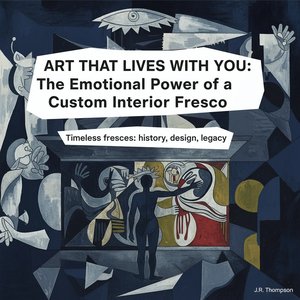
Kunst die met je meeleeft: De emotionele kracht van een op maat gemaakte interieurfresco
Ontdek de emotionele kracht van een op maat gemaakt interieurfresco. Atelier Métamorphoze creëert unieke, duurzame kunstwerken voor uw woning of bedrijf. Laat u inspireren!

The Enduring Legacy of Fresco: Technique, History & Artistic Expression Across Cultures
Explore the rich history & enduring legacy of fresco painting! Discover ancient techniques, Giotto's masterpieces, and modern applications. Expert insights for art lovers & professionals.
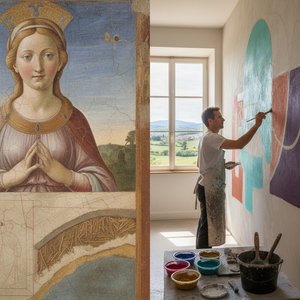
The Enduring Legacy of Fresco Painting: Techniques, History & Contemporary Relevance
Explore the rich history & enduring artistry of fresco painting – from Giotto to Michelangelo! Discover techniques, conservation efforts, & modern applications. Learn how OriginalUniqueArt brings this timeless art form to your home.

The Enduring Legacy of Fresco: Technique, History & Artistic Expression
Explore the rich history & enduring artistry of fresco painting. Discover techniques from Giotto to Michelangelo, conservation efforts, & modern applications. Learn how OriginalUniqueArt brings this timeless art form to your home.
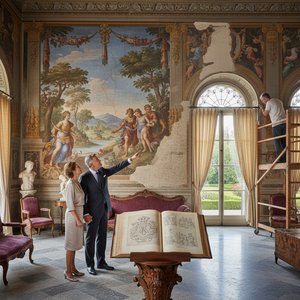
De Fresco als Familielegatie: Schilder Je Erfgoed op de Muren
Ontdek de fascinerende wereld van fresco schilderkunst! Leer over technieken, geschiedenis en restauratie. Expertise & hoogwaardige reproducties bij .


