Voorvertoning
 Verstuur
 Delen
Delen
 Details bekijken
 Gids
Gids

 Download
 Vergelijkbare items
 Röntgenonderzoek
 Diavoorstelling
 Vraag & antwoord
 Statistieken
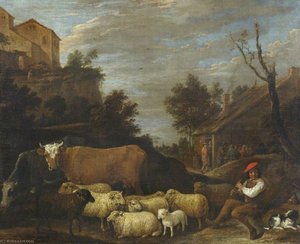
Kitchen Scene

- 75.0 x 77.0 cm


 Lees meer
Giclée / Kunstafdrukken
Giclée- of canvasafdruk van museumkwaliteit met een snelle productie en flexibele afwerkingsmogelijkheden. ( Bestel handgeschilderde reproductie Schakel over naar digitale afbeeldingen)




P118B €10

P118H €10

P118W €10

P438Z €10

P508JH €12

P508YH €12

P805H €10

P805Z €10

P919BZ €10

P919G €10

P919XJ €10

P959ZH €10

P968JZ €12

W106C €8

W218G €10

W218JH €8

W218Y €10

W307PJ €10

W316G €10

W316PJ €8

W316Y €10

W398PJ €8

W4111J €10

W500HY €15

W500JH €15

W692G €12

W849H €8

W940BG €15

W953PJ €8




Kies uit onze vooraf ingestelde maten die overeenkomen met de originele verhoudingen van het kunstwerk.

Voer de gewenste breedte en hoogte in, passend bij uw lijst of muur. Een afdruk kan alleen worden ingekort en nooit groter worden gemaakt dan het origineel; een formaat met andere verhoudingen zal daarom een deel van de afbeelding verliezen. Wij sturen u een digitaal mockup ter goedkeuring voordat we tot drukwerk overgaan. De afbeelding op deze pagina toont niet de werkelijke uitsnede — dit is alleen te zien op het mockup.
Wereldwijde levering () binnen 2 weken in plaats van de standaard 4/5 weken. (8 november)

Gratis wereldwijde expressverzending

Hoogwaardig linnen canvas

Volledige verzendverzekering

Garantie op terugbetaling van invoerrechten

Garantie op exacte kleurweergave

Retourbeleid van 100 dagen (alleen bij defecten)

100% Geld-terug-garantie

Korting bij meerdere afnames
 De optie voor glas is alleen beschikbaar bij een formaat kleiner dan 110 cm.

Kitchen Scene
Giclée / Kunstafdrukken
Afmetingen reproductie
-


Eindtotaal
€ 72
A Glimpse into Domesticity: David Teniers the Younger’s “Kitchen Scene”
David Teniers the Younger's "Kitchen Scene," painted in 1644, is more than just a depiction of daily life; it’s a meticulously crafted window into the heart of 17th-century Flemish domesticity. Housed within the Mauritshuis museum in The Hague, this oil painting on copper immediately draws the viewer into a bustling scene brimming with activity and quiet intimacy. Teniers wasn't merely recording a snapshot; he was capturing an atmosphere, imbuing the kitchen with a palpable sense of warmth, conversation, and the comforting rhythms of family life.
The artist’s skill lies not just in his technical proficiency – evident in the remarkably detailed rendering of food, utensils, and fabrics – but also in his ability to convey mood. The light, diffused and warm, suggests a late afternoon, casting long shadows across the room and highlighting the rich textures of the wooden table, earthenware bowls, and the woman’s richly colored dress. Notice how he uses subtle variations in tone to create depth, drawing our eye from the central figures towards the background activity – children playing, servants preparing food, and a dog observing the scene with quiet attentiveness.
The Painter's Palette: Technique and Materials
“Kitchen Scene” is a testament to Teniers’ mastery of oil painting on copper. This medium offered him exceptional control over color saturation and layering, allowing for a remarkable level of detail and luminosity. The use of impasto – applying paint thickly – particularly in the depiction of the food and textiles – adds a tactile quality to the image, inviting us to almost reach out and touch the smooth surface of the table or feel the warmth radiating from the hearth (implied but not explicitly shown). The copper itself contributes significantly to the painting’s visual impact; it reflects light beautifully, intensifying colors and creating a sense of vibrancy that is often lost in traditional panel paintings.
Furthermore, Teniers' meticulous attention to detail extends beyond mere representation. He employs a sophisticated understanding of perspective and chiaroscuro – the use of contrasting light and shadow – to create a convincing illusion of space. The figures are rendered with a remarkable degree of realism, their faces conveying a range of emotions—from amusement and conversation to focused concentration. The artist’s ability to capture these subtle nuances is what elevates “Kitchen Scene” beyond a simple genre painting.
A Window into the Golden Age: Context and Symbolism
“Kitchen Scene” firmly places itself within the Dutch Golden Age of art, a period characterized by unprecedented prosperity, artistic innovation, and a burgeoning interest in depicting everyday life. Teniers’ work reflects this shift away from purely religious or mythological subjects towards more secular themes – a trend driven by the rise of the merchant class and their desire to celebrate their newfound wealth and status. The scene itself is rich with symbolism. The abundance of food represents prosperity and hospitality, while the presence of children suggests family values and the continuation of lineage.
The inclusion of a dog, a common feature in domestic scenes of the era, reinforces the theme of companionship and loyalty. Even the hanging bird – a detail often overlooked – could symbolize abundance or good fortune. The painting’s setting, a well-equipped kitchen, speaks to the importance of food preparation and communal meals within 17th-century Flemish society. It's a scene that resonates with universal themes of family, community, and the simple pleasures of life.
Collecting the Essence: Reproduction and Legacy
Reproductions of “Kitchen Scene” offer an accessible way to experience the artistry and charm of this remarkable painting. Whether displayed in a grand salon or a cozy corner, it serves as a captivating reminder of a bygone era. The meticulous detail and evocative atmosphere captured by Teniers continue to resonate with viewers today, offering a glimpse into the lives and values of those who came before us.
For art enthusiasts seeking a deeper understanding of this masterpiece, we encourage you to explore the resources linked below: The Mauritshuis museum’s collection provides invaluable insights into the painting's history and context. Furthermore, examining related works by David Teniers the Younger – such as “An Old Peasant caresses a Kitchen Maid in a Stable” – reveals his distinctive style and thematic preoccupations.
Veelgestelde vragen
Waar kan ik de afbeelding van "Kitchen Scene" door David Teniers De Jonge downloaden?
Er is een download beschikbaar voor "Kitchen Scene": de Downloaden pagina van het kunstwerk biedt de mogelijkheid om een digitale afbeelding in hoge resolutie om te downloaden.
Wie heeft "Kitchen Scene" gemaakt?
"Kitchen Scene" wordt toegeschreven aan David Teniers De Jonge.
Wordt "Kitchen Scene" door David Teniers De Jonge bewaard in het land van herkomst van de kunstenaar?
Nee - het kunstwerk wordt in het buitenland bewaard. Het geboorteland van David Teniers De Jonge is België, en het museum waar het origineel van "Kitchen Scene" zich bevindt, ligt in Nederland.
Biografie kunstenaar
Vroege Leven en Familiale Achtergrond
- Geboren: Antwerpen, destijds onderdeel van de Spaanse Nederlanden, gedoopt op 15 december 1610.
- David Teniers De Jonge kwam uit een familie die diep geworteld was in de artistieke traditie van Vlaanderen. Zijn vader, David Teniers de Oudere, was eveneens een schilder, en ook zijn jongere broers Juliaan, Theodoerd en Abraham zouden het pad van de schilderkunst volgen.
- Opleiding: Vanaf 1626 studeerde hij onder zijn vader, bij wie hij de fundamentele training in schildertechnieken en stijlen ontving.
- Zijn vader verkeerde vaak in schulden en werd er zelfs periodiek voor gevangen gezet; om het gezin te ondersteunen, maakte de jonge David kopieën van werken van oude meesters.
- Antwerps Gilde: In 1632–1633 werd hij meester van het Antwerps Sint-Lucasgilde en diende hij als deken in 1644–1645.
Artistieke Ontwikkeling en Invloeden
- Vroege Invloeden: Zijn vroege werk volgde de kleine kabinetstukken van zijn vader en, via hem, het voorbeeld van Adam Elsheimer. Tot het einde van de jaren 1630 vertoonden zijn werken grote gelijkenis met die van Adriaanc Brouwer wat betreft onderwerp, techniek, kleur en compositie.
- De Rubens-kring: In 1637 trouwde hij met Anna Brueghel, de dochter van Jan Brueghel de Oudere. Peter Paul Rubens, die na de dood van haar vader haar voogd was geweest, was getuige op het huwelijk, waardoor Teniers werd opgenomen in de kring van de belangrijkste Antwerpse meester.
- Specialisatie in Genre-schilderkunst: Teniers specialiseerde zich geleidelijk in genreschilderkunst – de weergave van het dagelijds leven – en werd beroemd om zijn levendige scènes van boerenfeesten (kermessen), taverne-interieurs en dorpslandschappen.
Belangrijke Werken en Artistieke Stijl
- Genrescènes: Zijn meest gevierde werken zijn zijn genreschilderijen. Deze tonen vaak bruisende scènes van het boerenleven, doordrenkt met vrolijkheid, dans, drank en spel.
- Kermesschilderijen: Dorpsfeesten zoals De Vlaamse Kermis zijn exemplarisch voor zijn stijl – levendige kleuren, gedetailleerde composities en een scherp oog voor menselijk gedrag.
- Taverne-interieurs: Zijn tavernescènes zijn bijzonder opmerkelijk vanwege hun realistische weergave van het dagelijks leven en de levendige sfeer binnen deze etablissementen.
- Buiten het Dorp: Hij schilderde ook landschappen, wachtkamer-scènes, alchemisten en artsen aan het werk, en humoristische singeries waarin apen menselijke aangelegenheden naspelen.
- Galerijschilderijen: Zijn weergaven van de kunstkamer van de Aartshertog, waarvan de muren vol hingen met herkenbare meesterwerken, maakten hem tot een vooraanstaand figuur in dit uitgesproken Vlaamse genre.
Hofschilder en Conservator
- Dienst aan Aartshertog Leopold Wilhelm: Rond 1650 verhuisde Teniers naar Brussel om de Aartshertog Leopold Wilhelm, de landvoogd van de Spaanse Nederlanden, te dienen als hofschilder en beheerder van zijn kunstcollectie.
- Beheer van de Collectie: Hij hielp de Aartshertog bij het verwerven van meesterwerken, waaronder schilderijen uit de verspreide Engelse koninklijke collectie en de Hamilton-collectie. De collectie groeide naar ongeveer 1.300 werken en vormde later de basis van het Kunsthistorisches Museum in Wenen.
- Theatrum Pictorium: In Brussel gepubliceerd in 1660, reproduceerde dit werk 246 Italiaanse schilderijen uit de collectie van de Aartshertog in de vorm van gravures – het eerste geïllustreerde catalogus van een collectie oude meesters.
- Leerlingen: Er wordt aangenomen dat Gillis van Tilborgh onder hem trainde in Brussel en later dezelfde functie bekleedde als beheerder van de hofcollectie.
- Latere Leven: Na de dood van Anna trouwde hij in 1656 met Isabella de Fren. Hij verzocht de koning van Spanje om een adellijke titel, maar gaf dit op toen hem werd verteld dat hij daarmee zou moeten stoppen met het verkopen van zijn schilderijen.
- De Antwerpse Academie: Teniers was de drijvende kracht achter de oprichting van de Academie voor Schone Kunsten in Antwerpen, die in 1663 haar koninklijk charter ontving, met als doel de Vlaamse schilderkunst te revitaliseren na de dood van Rubens en Van Dyck.
Historisch Belang en Nalatenschap
- Vooraanstaand Genreschilder: David Teniers De Jonge wordt beschouwd als de belangrijkste Vlaamse genreschilder van zijn tijd, die met bewonderenswaardige vaardigheid de essentie van het 17e-eeuwse leven wist te vangen.
- Invloed op Latere Kunstenaars: Zijn werk beïnvloedde opeenvolgende generaties Noord-Europese schilders en had zelfs impact op Franse Rococo-kunstenaars zoals Antoine Watteau.
- Productief Oeuvre: Teniers was een ongelooflijk productieve kunstenaar die een enorme hoeveelheid werk voortbracht dat nog steeds wordt bewonderd om zijn charme, detail en historische diepgang.
- Overlijden: Hij stierf op 25 april 1690 in Brussel en liet een blijvende erfenis na als een van de belangrijkste barokschilders van Vlaanderen.
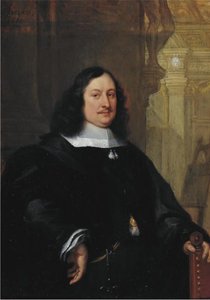
David Teniers De Jonge
1610 - 1690 , België
Belangrijkste feiten
- Date Of Birth: 1610
- Date Of Death: 1690
- Place Of Birth: Antwerpen, België
- Place Of Death: Brussel, België
- Birth Date: 1610
- Birth Place: Antwerpen, België
- Death Date: 1690
- Influenced By: Adriaen Brouwer, Adam Elsheimer, Peter Paul Rubens
- Movement: Barok
- Name: David Teniers De Jonge
- Nationality: Vlaams
- Notable Works:
- Twee dronkaards
- Dorpsscène
- Keukenscène
- Vlaamse kermis
Gerelateerde artikelen

Golden Age Reflections: Dutch Baroque Painting & Cultural Innovation
Explore the Dutch Golden Age of painting! Discover key artists like Vermeer & ter Borch, their innovative techniques, and the rich cultural context behind these Baroque masterpieces. Learn about collecting & appreciating this iconic art period.

Golden Light & Dutch Skies: The Timeless Magic of Dutch Golden Age Landscapes
Discover the breathtaking beauty of Dutch Golden Age landscapes. Explore the mastery of light, chiaroscuro, and 17th-century realism through an expert art history lens, celebrating the enduring legacy of the Dutch Masters for discerning collectors and art lovers.

Top 10 Meesterwerken van de Gouden Eeuw: Kunst voor uw interieur | OriginalUniqueArt.nl
Ontdek de 10 meesterwerken van de Gouden Eeuw! Leer over Rembrandt, Vermeer & andere Hollandse schilders. Prachtige kunst reproducties voor uw interieur. Museumkwaliteit prints op OriginalUniqueArt.com.

Mastering Light & Shadow: A Journey Through the Dutch Golden Age's Luminous Legacy
Embark on a cultural journey through the Dutch Golden Age. Explore the masterful interplay of light and shadow in 17th-century masterpieces, from Rembrandt to Vermeer, and discover how this era of profound realism continues to inspire fine art collectors today.

Illuminating Innovation: Exploring the Dutch Golden Age of Painting
Explore the Dutch Golden Age of painting with OriginalUniqueArt. Discover Rembrandt, Vermeer & other Masters. Learn about key characteristics, iconic artworks, and lasting influence. Expert insights for collectors & enthusiasts.