
 Voorvertoning
 Verstuur
 Delen
Delen
 Details bekijken

 Download
 Vergelijkbare items
 Röntgenonderzoek
 Diavoorstelling
 Statistieken
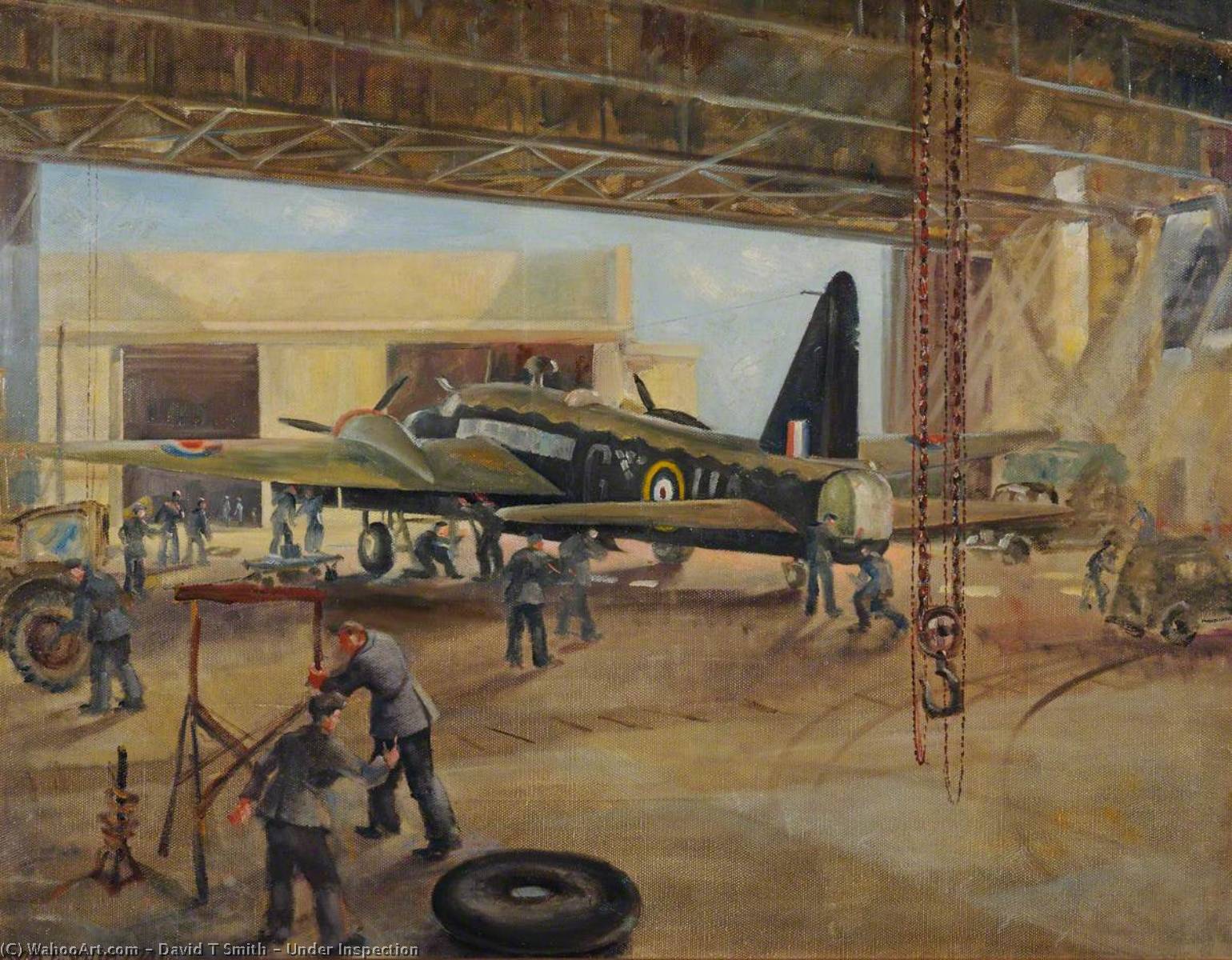
Under Inspection
 1941
1941 71.0 x 91.0 cm
 Lees meer
Giclée / Kunstafdrukken
Giclée- of canvasafdruk van museumkwaliteit met een snelle productie en flexibele afwerkingsmogelijkheden. ( Bestel handgeschilderde reproductie Schakel over naar digitale afbeelding)




































Kies uit onze vooraf ingestelde maten die overeenkomen met de originele verhoudingen van het kunstwerk.

U kunt uw eigen afmetingen opgeven om in een specifieke lijst of ruimte te passen. Als de door u gekozen maat niet overeenkomt met de proporties van het originele kunstwerk, zullen wij de afbeelding bijsnijden of uitbreiden met een gespiegelde of effen rand. Een digitaal mockup wordt ter goedkeuring naar u verzonden voordat de productie begint.
Houd er rekening mee dat de preview op het scherm de werkelijke bijsneding of uitbreiding niet weergeeft. Alleen de mockup toont de uiteindelijke compositie nauwkeurig.
Hoewel aangepaste maten beschikbaar zijn, raden wij aan een afmeting uit de vooraf bepaalde lijst te kiezen om de originele proporties te behouden.
Wereldwijde levering () binnen 2 weken in plaats van de standaard 4/5 weken. (10 september)

Gratis wereldwijde expressverzending

Hoogwaardig linnen canvas

Volledige verzendverzekering

Garantie op terugbetaling van invoerrechten

Garantie op exacte kleurweergave

Retourbeleid van 100 dagen (alleen bij defecten)

100% Geld-terug-garantie

Korting bij meerdere afnames
 De optie voor glas is alleen beschikbaar bij een formaat kleiner dan 110 cm.

Under Inspection
Giclée / Kunstafdrukken
Afmetingen reproductie
-


Eindtotaal
$ 81
Biografie van de kunstenaar
David Smith: Pioneer of Geometric Abstraction
David Smith (1956 – present) stands as a towering figure in contemporary sculpture, recognized for his unwavering commitment to geometric abstraction and his profound impact on the artistic landscape of the latter half of the 20th century. Born in Sacramento, California, Smith’s early fascination with mathematics and engineering would profoundly shape his sculptural practice, propelling him toward groundbreaking explorations of form and materiality. His journey began with a formal education at Yale University School of Art, where he honed his skills under influential mentors like Josef Albers and Robert Rauschenberg, absorbing the spirit of Color Field painting and Chance Operations – movements that challenged traditional representational conventions.- Early Influences: Smith’s formative years were marked by exposure to Bauhaus principles and the burgeoning Abstract Expressionist movement, particularly the work of Mark Rothko and Clyfford Still. These artists championed large-scale canvases saturated with color as a vehicle for conveying emotion and spiritual experience, influencing Smith's initial conceptual approach to sculpture.
- The Steel Sculpture Period (1950s – 1960s): Smith’s breakthrough arrived in the mid-1950s when he began experimenting with steel fabrication techniques—a deliberate departure from traditional sculptural materials like bronze and marble. This pivotal decision resulted in a series of monumental sculptures characterized by interlocking geometric forms, often referred to as “stackings.” These works exemplify Constructivism's emphasis on industrial processes and the exploration of spatial relationships through precise calculations.
Key Sculptural Achievements & Notable Works
Smith’s oeuvre boasts an impressive array of celebrated pieces that solidified his reputation as a visionary artist. Among his most iconic creations are “Suspended Cube” (1956), “Ancient Household, (2)” (1945), and “5 ½ (Use Half Sign)” (1956). These sculptures demonstrate Smith’s masterful manipulation of steel—bending, welding, and assembling it into complex structures that defy conventional notions of balance and stability. The deliberate use of color – particularly vibrant hues like crimson and cadmium yellow – adds another layer of visual richness to his compositions. Furthermore, “Brick” (1953), a monumental assemblage incorporating bricks and steel plates, embodies Smith’s exploration of materiality and the dialogue between organic and inorganic elements.- “Suspended Cube”: This sculpture is considered one of Smith's most influential works, demonstrating his ability to transform industrial materials into evocative expressions of form and space.
- “Ancient Household, (2)”: Its textured surface and asymmetrical arrangement contribute to its contemplative mood and invite viewers to consider the interplay between solidity and emptiness.
Conceptual Framework & Artistic Legacy
Smith’s artistic philosophy revolved around a belief that sculpture could transcend mere imitation of nature, instead serving as a conduit for conveying fundamental truths about existence. He embraced Minimalism's austere aesthetic—reducing form to its essential elements—while simultaneously retaining an interest in exploring the psychological dimensions of art. Smith’s work aligns with broader trends within American art history, reflecting the anxieties and aspirations of the Cold War era and challenging viewers to confront questions of perception and representation. His influence extends far beyond his own generation, inspiring subsequent sculptors to push boundaries and reimagine sculptural possibilities. David Smith continues to create compelling artworks that solidify his place as one of the most important artists of our time.Further Exploration
To delve deeper into David Smith’s artistic journey, consider visiting resources such as:- Yale University School of Art Website: https://artgallery.yale.edu/artists/david-smith/

Belangrijkste feiten
- Artistic Movement Or Style: Geometric Abstraction
- Artists Or Movements Influenced By This Artist: ['Minimalism']
- Artists Who Influenced This Artist:
- Sir Anthony Caro
- Cubism
- Date Of Birth: 1956
- Full Name: David Smith
- Nationality: American
- Notable Artworks:
- Suspended cube
- Ancient household, (2)
- Place Of Birth: New York City, USA