Het leven en de vroege jaren van David Hockney
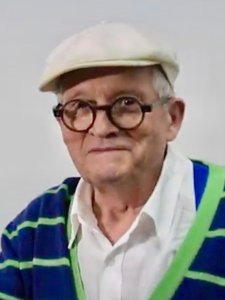
David Hockney kwam op 9 juli 1937 ter wereld in Bradford, West Yorkshire, Engeland. Hij groeide op in een gezin met vijf kinderen, waarbij hij de vierde in de rij was. Zijn vader, Kenneth Hockney, werkte als klerk bij een boekhouder en was tijdens de Tweede Wereldoorlog een gewetensbezwaarder. Zijn moeder, Laura, was een toegewijd methodist en een strikte vegetariër. Deze vroege jaren werden doorgebracht in het industriële landschap van Yorkshire, een omgeving van baksteenfabrieken en bruisende markten.
Zijn schoolloopbaan begon op de Wellington Primary School en vervolgde zijn weg op de Bradford Grammar School. Gedurende deze periode vormden de omgevingen van Bradford zijn unieke manier van kijken. De rauwe energie van het industriële hartland en het specifieke licht van de regio vormden het decor voor zijn vormende jaren. Hij was het kind van een familie die een grote waarde hechtte aan onafhankelijk denken, diep beïnvloed door de overtuigingen van zijn vader tijdens de oorlog.
Artistieke Vorming en Educatie in Groot-Brittannië
Het fundament van zijn artistieke praktijk werd gelegd door jarenlang de wereld met een scherpe, bijna obsessieve blik te observeren. Van 1953 tot 1957 studeerde hij aan de Bradford School of Art, een periode die volledig in het teken stond van de mechanica van het zien. Hij wijdde zijn tijd aan het perfectioneren van tekenen naar het leven en de portretkunst, waarbij hij de traditionele vaardigheden van observatie aanscherpte die decennialang de kern van zijn werk zouden blijven vormen. In deze vormende jaren lag de nadruk zwaar op de precisie van de lijn en de subtiele manier waarop een onderwerp zich in de ruimte positioneert.
Met de verhuizing van het industriële landschap van Yorkshire naar het bruisende Londen, trad hij de drempel over van het Royal College of Art. Dit was een tijdperk van intense technische ontwikkeling, waarin hij zich verdiepte in de fundamenten van vorm en de fijnzinnige nuances van het licht. In 1962 studeerde hij af aan het Royal College of Art met de prestigieuze onderscheiding van een gouden medaille. Deze erkenning markeerde niet alleen het einde van zijn formele opleiding in Groot-Brittannië, maar luidde ook het begin in van een carrière die gedefinieerd zou worden door een constante, rusteloze nieuwsgierigheid naar de vraag hoe hij de dingen die hij zag, werkelijk kon vertalen naar het canvas.
De Pop Art-beweging en Los Angeles
De jaren zestig markeerden de opkomst van David Hockney als een centrale figuur binnen de Pop Art-beweging. Waar andere kunstenaars in deze stroming zich volledig lieten leiden door de commerciële esthetiek van de Amerikaanse massacultuur, bleef zijn benadering diep persoonlijk. Zijn verhuizing van Londen naar Los Angeles in 1964 vormde een cruciaal kantelpunt, een verschuiving die zijn perceptie van kleur en licht fundamenteel zou transformeren. Het intense, stralende Californische licht werd een constante metgezel in zijn werk, waardoor de ingetogen, gedempte tonen uit zijn eerdere jaren plaatsmaakten voor een explosie van levendigheid. Vanuit het perspectief van een buitenstaander begon hij de charme van de stad vast te leggen, met een bijna obsessieve focus op de manier waarop licht op oppervlakken valt en de specifieke, verzadigde blauwtinten van een zwembad.
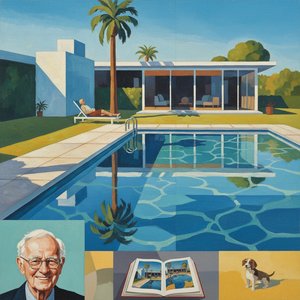
Deze periode wordt gekenmerkt door een fascinatie voor vrije tijd en de geometrie van het suburbane leven. Hij besteedde een groot deel van zijn tijd aan het bestuderen van de beweging en de reflectie van water, een uitdaging die hij meesterlijk wist te beantwoorden in zijn gevierde serie zwembadschilderijen. Deze werken vingen de hedonistische stilte van het leven aan de rand van het zwembad met uiterst scherpe, heldere lijnen. In plaats van zich te conformeren aan de abstracte trends van die tijd, koos hij er bewust voor om mensen en herkenbare objecten te schilderen. Zijn werk uit deze era verkende vaak de stille intimiteit van menselijke relaties en de manier waarop ruimte wordt waargenomen door een lens van helder, direct licht.
Techniek en de Evolutie van een Visuele Taal
Het artistieke oeuvre van David Hockney is een voortdurende beweging tussen verschillende manieren van kijken. Hij heeft zich nooit laten beperken door de grenzen van één enkel medium, maar bewoog zich moeiteloos tussen schilderkunst, tekenkunst, grafiek en fotografie. Zijn benadering vindt vaak haar oorsprong in de directe observatie en het tekenen naar het leven; hij gebruikt het portret om de essentie van een gezicht te doorgronden, maar experimenteert tegelijkertijd met de fundamentele structuur van de ruimte. Door gebruik te maken van omgekeerd perspectief doorbreekt hij de traditionele manier waarop we een scène waarnemen, waardoor een gevoel van diepte ontstaat dat fundamenteel verschilt van een standaardfotografie. Vaak hanteert hij fotografie als een voorbereidend medium, waarbij hij de camera gebruikt om een vluchtig moment te vangen om het vervolgens te vertalen naar een schilderij.
De wijze waarop hij met kleur en licht omgaat, is meegeëvolueerd met de instrumenten die hij tot zijn beschikking heeft. In zijn vroege jaren werkte hij met acrylverf om verzadigde tinten te bereiken, vooral wanneer hij de dynamische beweging van water in zwembaden wilde vastleggen. Later wendde hij zich tot digitale media. Met behulp van iPads begon hij landschappen opnieuw te verbeelden, waarbij hij een nieuwe methode vond om het veranderlijke licht en de kleuren van de natuurlijke wereld te vangen. Deze verschuiving van fysieke verf naar digitale schermen getuigt van een aanhoudende fascinatie voor de vraag hoe technologie onze perceptie van een plek kan transformeren. Zijn werk fungeert als een visueel verslag van deze technische verschuivingen, van de uiterst precieze lijn van een tekening tot de gelaagde composities van een digitaal landschap.
Cruciale Werken en Iconische Schilderijen
De manier waarop het licht een oppervlak raakt, bepaalt vaak de koers van een schilderij. In 1961 verkende We Two Boys Together Clinging de intimiteit van menselijke verbinding door een lens van symboliek en tekst. Dit vroege werk toont een diepe focus op de relaties tussen mensen en de sporen die zij achterlaten door hun loutere aanwezigheid. Later zorgde de verschuiving naar de heldere, verzadigde kleuren van Californië voor een radicale verandering in de manier waarop water op het canvas werd vastgelegd. A Bigger Splash, geschilderd in 1967, vangt een vluchtig moment van beweging in een zwembad, waarbij scherpe lijnen worden gebruikt om de interactie tussen licht en vloeistof te definiëren.
De focus van zijn werk verschuift voortdurend tussen het landschap en de mensen die er deel van uitmaken. In 1971 bracht Mr and Mrs Clark and Percy een gevoel van kameraadschap en karakter samen in één beeld. Deze benadering van het portret werd voortgezet met Portrait of an Artist (Pool with Two Figures in 1972, waarbij het gebruik van fotografie als voorbereidend medium hielp bij het definiëren van de ruimtelijke compositie. Deze werken getuigen van een aanhoudende fascinatie voor hoe wij ruimte waarnemen en de manier waarop mensen die ruimte innemen.
- We Two Boys Together Clinging (1961)
- A Bigger Splash (1967)
- Mr and Mrs Clark and Percy (1971)
- Portrait of an Artist (Pool with Two Figures) (1972)
Scenografie en Opera-opdrachten
De visuele taal die David Hockney op het canvas ontwikkelde, vond vaak een heel ander ritme binnen de muren van het theater. Zijn werk in de scenografie vereiste periodes van diepe concentratie, waarbij een enkele productie soms meer dan een jaar in beslag nam. Hij maakte de overstap van het platte vlak van een schilderij naar de driedimensionale ruimte van het podium, waarbij hij decors ontwierp voor Mozarts Die Zauberflöte. Deze transitie vroeg om een fundamentele verschuiving in zijn omgang met licht en beweging; hij vertaalde zijn fascinatie voor perspectief naar omgevingen die de dynamiek van een live uitvoering konden dragen.
Zijn betrokkenheid bij de opera omvatte onder andere de enscenering van Igor Stravinsky’s The Rake’s Progress in 1975. Later, in 1990, creëerde hij ontwerpen voor Giacomo Puccini’s Turandot. Deze projecten dwongen hem om na te denken over de manier waarop een personage zich door een ruimte beweegt en hoe een decor kan transformeren naarmate de muziek verandert. Hij paste zijn scherpzinnige oog voor compositie ook toe op de modewereld, door de cover en de pagina's te ontwerpen voor de editie van december 1985 van de Franse Vogue. In al deze gevallen bleef de essentie onveranderd: de vraag hoe een onderwerp wordt ingekaderd en hoe kleur de blik van de toeschouwer verleidt.
Nalatenschap en Wereldwijde Erkenning
Het gewicht van een langlopende carrière manifesteert zich vaak in de eerbetuigingen die door prestigieuze instituten worden overhandigd. In 2000 werd hij bekroond met de Laureate van de Praemium Imperiale voor Schilderkunst. Later, in 2003, werd hij verkozen tot Fellow van de Royal Society. Deze erkenningen kwamen tot stand te midden van een constante aanwezigheid in de publieke belangstelling, waarbij hij zich ontwikkelde van de vroege dagen van de Pop Art-beweging naar een positie als een van de meest invloedrijke Britse kunstenaars van de 20e en 21e eeuw.
Zijn plek in het culturele landschap werd verder bezegeld in 2018, toen hij werd benoemd tot Companion of Honour. Deze erkenning volgt op decennia aan werk dat bewoog van de rauwe realiteit van Yorkshire naar het stralende licht van Californië, en uiteindelijk naar de digitale wereld van iPad-tekeningen. Zijn invloed is niet alleen voelbaar in de galerieën, maar ook in de manier waarop hij onze perceptie van ruimte en perspectief heeft getransformeerd door middel van zijn diverse media.
Waar u zijn werken vandaag de dag kunt bewonderen
Om zijn kunstwerken in het echt te ervaren, kan men een reis maken naar de 1853 Gallery in Salts Mill in Saltaire. Deze ruimte herbergt vele van zijn stukken en behoudt zo een tastbare verbinding met het industriële landschap van zijn jeugd. Daarnaast beheert de David Hockney Foundation een uitgebreide collectie van zijn werk, waardoor een groot deel van zijn artistieke nalatenschap bewaard blijft voor zowel diepgaand onderzoek als voor de bewondering van het publiek.
Zijn schilderijen en tekeningen zijn verspreid over de belangrijkste instituten op verschillende continenten. In het Verenigd Koninkrijk maken zijn werken deel uit van de prestigieuze Tate-collectie. Aan de andere kant van de Atlantische Oceaan is zijn aanwezigheid voelbaar in het Metropolitan Museum of Art en het Museum of Modern Art. Deze collecties vatten de verschillende stadia van zijn carrière samen, van zijn vroege figuratieve werken tot zijn latere, meesterlijke exploraties van licht en kleur.
- A bigger splash
- American Collectors (Fred and Marcia Weisman)
- Portrait of an artist pool with two figures
- A bigger grand canyon
- Place furstenberg, paris

 Schakel over naar print
 Lees meer







































 Voor kunstwerken of reproducties die aan één zijde groter zijn dan 105 cm (ongeveer 41 inch), wordt de lijst als een losse set verzonden. Deze methode garandeert een veilige levering en voorkomt schade tijdens het transport.


 Voorvertoning
 Verstuur
 Delen
Delen
 Details bekijken
 Gids
Gids

 Download
 Vergelijkbare items
 Röntgenonderzoek
 Diavoorstelling
 Vraag & antwoord
 Statistieken