

 Bekijk op ware grootte
 Verstuur
 Delen
Delen
 Details bekijken
 Gids voor studentenkunstwerken

 Download
 Vergelijkbare items
 Röntgenonderzoek
 Diavoorstelling
 Statistieken
Battle Abbey, Sussex
 Acrylic On Canvas
- WallArt
- Romanticism
 12.0 x 18.0 cm
 Yale Center for British Art
 Lees meer
Giclée / Kunstafdrukken
Giclée- of canvasafdruk van museumkwaliteit met een snelle productie en flexibele afwerkingsmogelijkheden. ( Koop handgeschilderd kunstwerk Schakel over naar digitale afbeeldingen)




P118B $10

P118H $10

P118W $10

P438Z $10

P508JH $12

P508YH $12

P805H $10

P805Z $10

P919BZ $10

P919G $10

P919XJ $10

P959ZH $10

P968JZ $12

W106C $8

W218G $10

W218JH $8

W218Y $10

W307PJ $10

W316G $10

W316PJ $8

W316Y $10

W398PJ $8

W4111J $10

W500HY $15

W500JH $15

W692G $12

W849H $8

W940BG $15

W953PJ $8




Kies uit onze vooraf ingestelde maten die overeenkomen met de originele verhoudingen van het kunstwerk.

U kunt uw eigen afmetingen opgeven om in een specifieke lijst of ruimte te passen. Als de door u gekozen maat niet overeenkomt met de proporties van het originele kunstwerk, zullen wij de afbeelding bijsnijden of uitbreiden met een gespiegelde of effen rand. Een digitaal mockup wordt ter goedkeuring naar u verzonden voordat de productie begint.
Houd er rekening mee dat de preview op het scherm de werkelijke bijsneding of uitbreiding niet weergeeft. Alleen de mockup toont de uiteindelijke compositie nauwkeurig.
Hoewel aangepaste maten beschikbaar zijn, raden wij aan een afmeting uit de vooraf bepaalde lijst te kiezen om de originele proporties te behouden.
Wereldwijde levering () binnen 2 weken in plaats van de standaard 4/5 weken. (26 september)

Gratis wereldwijde expressverzending

Hoogwaardig linnen canvas

Volledige verzendverzekering

Garantie op terugbetaling van invoerrechten

Garantie op exacte kleurweergave

Retourbeleid van 100 dagen (alleen bij defecten)

100% Geld-terug-garantie

Korting bij meerdere afnames
 De optie voor glas is alleen beschikbaar bij een formaat kleiner dan 110 cm.

Battle Abbey, Sussex
Giclée / Kunstafdrukken
Formaat reproductie
-


Totaalprijs
$ 81
The Ruin's Silent Story: David Cox’s Battle Abbey
David Cox’s “Battle Abbey, Sussex” isn’t merely a depiction of crumbling stone; it’s a poignant meditation on time, power, and the enduring spirit of a landscape steeped in history. Painted around 1840-1850, during his most mature period, this watercolor captures a scene that resonates with both grandeur and melancholy – the skeletal remains of a once-mighty Benedictine abbey set against the muted palette of the Sussex countryside. The painting immediately draws the eye to the imposing silhouette of the castle ruins, their weathered walls hinting at centuries of stories whispered by wind and rain. Yet, it’s not simply a record of decay; Cox imbues the scene with a palpable sense of romanticism, suggesting a profound connection between the past and the present.

A Master of Atmospheric Watercolor
Cox’s skill lies not just in his subject matter but in his masterful manipulation of watercolor technique. The painting is characterized by loose, expressive brushstrokes—a hallmark of the Birmingham School to which he belonged. Layers of translucent washes create a remarkable sense of depth and atmosphere, blurring the lines between sky and earth, castle and hill. Notice how he uses dry brushwork to build texture onto the stone, suggesting the rough-hewn nature of the ancient walls while simultaneously softening their edges with delicate washes. The color palette is deliberately restrained – earthy browns, greys, and muted greens dominate—reflecting the somber beauty of a ruined structure and the overcast skies typical of the Sussex landscape. This careful control of color contributes significantly to the painting’s overall mood.
- Wet-on-wet technique: Cox expertly utilizes this method, allowing colors to blend seamlessly and creating soft, diffused effects.
- Loose brushwork: The expressive strokes convey a sense of movement and energy within the static scene.
- Subdued palette: Earth tones evoke a feeling of age, decay, and quiet contemplation.
Echoes of 1066 and Beyond
The location itself—Battle Abbey—holds immense historical significance. Built on the very site where William the Conqueror’s forces defeated King Harold in 1066, the abbey became a symbol of Norman power and piety. Cox's painting subtly references this pivotal moment in English history. The ruined walls stand as a silent testament to the battles fought and the lives lived within its walls. The inclusion of sheep in the foreground adds a layer of pastoral tranquility, juxtaposing the grandeur of the past with the everyday rhythms of rural life. It’s a deliberate choice that invites contemplation on the cyclical nature of time and the enduring presence of nature amidst human endeavor.
Furthermore, Cox's work aligns with the broader Romantic movement in art, which emphasized emotion, imagination, and the sublime beauty of the natural world. The painting captures not just the physical appearance of Battle Abbey but also its emotional resonance—a sense of loss, nostalgia, and a deep connection to the past.
A Legacy of Evocative Landscapes
David Cox’s “Battle Abbey, Sussex” is more than just a beautiful watercolor; it's a window into a bygone era. His ability to capture both the grandeur and the melancholy of historical sites, combined with his masterful use of watercolor technique, cemented his place as one of the most important landscape painters of the 19th century. Reproductions of this evocative work offer a chance to bring a piece of English history—and Cox’s artistic vision—into your own home, serving as a constant reminder of the enduring power of art and memory.
Biografie van de kunstenaar
David Cox: Een Leven in het Landschap
Vroege Jaren en Opleiding
- Geboren: 29 april 1783, in Deritend, Birmingham, Verenigd Koninkrijk.
- De vader van David Cox was een smid en witte smid die onderdelen leverde aan de wapenindustrie van Birmingham. Zijn moeder, afkomstig uit een agrarische achtergrond, beschikte over een uitstekende opleiding en een sterk karakter.
- Hij schreef zich aanvankelijk in bij de academie van Joseph Barber in Great Charles Street, waar hij medestudenten Charles Barber en William Radclyffe ontmoette.
- Op 15-jarige leeftijd werd Cox leerling bij Albert Fielder, een schilder uit Birmingham die gespecialiseerd was in portretminiaturen en decoratieve beschilderingen voor objecten zoals snuifdozen. Deze vroege opleiding legde de basis voor zijn technische vaardigheden.
Carrièreontwikkeling & Artistieke Reis
- In 1804 verhuisde Cox naar Londen en trouwde hij met Mary Ragg, de dochter van zijn huisbaas.
- Een cruciale reis naar Wales in 1arg05 met Charles Barber markeerde het begin van talloze schetsreizen gedurende zijn leven. Deze reizen hadden een diepgaande invloed op zijn artistieke stijl.
- Vanaf 1805 exposeerde hij regelmatig bij de Royal Academy, waarbij hij aanvankelijk zijn brood verdiende als tekenmeester. Kolonel Hon. H. Windsor werd in 1808 een van zijn eerste leerlingen.
- Het vroege werk van Cox richtte zich op gedetailleerde aquarellandschappen, waarbij vaak landelijke scènes en architecturale onderwerpen werden afgebeeld.
Artistieke Stijl & Invloeden
- De stijl van Cox evolueerde door de jaren heen; hij bewoog zich van nauwkeurige topografische beschrijvingen naar een meer expressieve en atmosferische benadering.
- Invloeden: Hoewel specifieke invloeden onderwerp van debat blijven, toont zijn werk een affiniteit met de Nederlandse landschapsschilders uit de 17e eeuw en een scherpe observatie van de natuur die doet denken aan Constable.
- Hij werd beroemd om zijn losse penseelvoering, levendige kleuren en het vermogen om de effecten van licht en weer vast te leggen. Zijn latere olieverfschilderijen waren bijzonder innovatief.
Grote Prestaties & Erfenis
- Tegen het einde van zijn carrière schilderde Cox meer dan 300 werken in olieverf, wat tegenwoordig wordt erkend als "een van de grootste, maar minst erkende, prestaties van een Britse schilder."
- Hij wordt beschouwd als een van de grootste Engelse landschapsschilders en een sleutelfiguur uit de Gouden Eeuw van de Engelse aquarelkunst.
- Zijn werk heeft opeenvolgende generaties landschapskunstenaars aanzienlijk beïnvloed.
- Opmerkelijke Werken: The Wind on the Heath, Cottage in Herefordshire, Junction of the Severn and the Wye with Chepstow in the distance en Moonlight Landscape behoren tot zijn meest gevierde schilderijen.
Historische Betekenis
- David Cox wordt erkend als een vroege voorloper van het impressionisme. Zijn nadruk op het vastleggen van vluchtige atmosferische effecten en zijn losse penseelstreek anticipeerden op veel technieken die later door de impressionisten zouden worden overgenomen.
- Hij speelde een cruciale rol bij het vestigen van de Britse landschapsschilderkunst als een apart genre, waarbij hij de stap zette van louter topografische representaties naar meer expressieve en emotionele interpretaties van de natuur.
- Zijn werk blijft bewonderd om zijn schoonheid, gevoeligheid en tijdloze aantrekkingskracht.
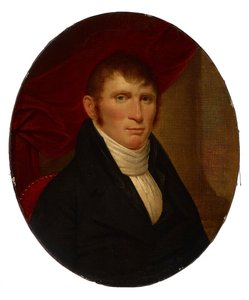
David Cox
1783 - 1859 , Verenigd Koninkrijk
Snelle feiten
- Artistic Movement Or Style: Landschapschilderkunst; vroeg Impressionisme
- Artists Or Movements Influenced By This Artist: ['Impressionisme']
- Artists Who Influenced This Artist:
- Johannes Vermeulen
- Constable
- Date Of Birth: 29 april 1783
- Date Of Death: 7 juni 1859
- Full Name: David Roxbee Cox
- Nationality: Engels
- Notable Artworks:
- Rhyl Sands
- Cottage in Herefordshire
- Junctie van de Severn en de Wye met Chepstow
- Place Of Birth: Birmingham, Verenigd Koninkrijk
Gerelateerde artikelen

Ephemeral Visions: Exploring the Artistic Legacy & Contemporary Practice of Watercolor Painting
Explore the captivating world of watercolor painting! Discover its rich history, essential techniques, influential artists & collecting tips. A comprehensive guide for art enthusiasts from OriginalUniqueArt.

Ephemeral Visions: Exploring the Artistic Legacy & Nuances of Watercolor Painting
Explore the captivating world of watercolor painting! Discover its rich history, essential techniques, influential artists & collecting tips from art experts. A comprehensive guide for enthusiasts.

Ephemeral Visions: Exploring the History & Emotional Resonance of Watercolor Painting
Explore the captivating history of watercolor painting, from ancient techniques to modern masters like Kandinsky & Blake. Discover essential artists, collecting tips & the emotional power of this luminous medium. Expert insights for art enthusiasts.

Top 10 Legendarische Aquarellen die de Kunst voor Altijd Veranderden | OriginalUniqueArt
Ontdek de 10 legendarische aquarellen die kunstgeschiedenis schreven! Van Turner tot Monet, leer over techniek, emotie & impact. Vind museumkwaliteit reproducties en interieurinspiratie op OriginalUniqueArt.com.

De Blijvende Aantrekkingskracht van Aquarel: Geschiedenis, Technieken en Hedendaagse Praktijk
Ontdek de fascinerende wereld van aquarel! Leer over de geschiedenis, technieken en materialen van deze prachtige kunstvorm. Laat je inspireren door meesters en moderne trends.