
 Verstuur
 Delen
Delen
 Details bekijken
 Gids
Gids

 Download
 Vergelijkbare items
 Diavoorstelling
 Vraag & antwoord
 Statistieken
Ensemble


 Lees meer
De kunstwerken die op deze pagina worden weergegeven, zijn beschermd door de auteursrechtwetgeving, wat betekent dat het ons wettelijk niet is toegestaan om identieke reproducties te maken of te verkopen. Deze bescherming wordt gehandhaafd onder internationale overeenkomsten zoals de Conventie van Bern en door nationale wetgeving, waaronder de bepalingen van de Amerikaanse auteurswet - Titel 17. Alle rechten voorbehouden. Reproduceren of distribueren van afbeeldingen is niet toegestaan zonder uitdrukkelijke schriftelijke toestemming van WahooArt.com en de rechthebbenden.
Deze methode voldoet volledig aan de auteursrechtwetgeving, omdat het niet gaat om het kopiëren of dupliceren van het beschermde kunstwerk. In plaats daarvan is er sprake van een creatieve herinterpretatie — een nieuw schilderij dat door het origineel wordt geïnspireerd, maar er niet identiek aan is.
Giclée / Kunstafdrukken
Giclée- of canvasafdruk van museumkwaliteit met een snelle productie en flexibele afwerkingsmogelijkheden. ( Bestel handgeschilderde reproductie Schakel over naar digitale afbeeldingen)




































Kies uit onze vooraf ingestelde maten die overeenkomen met de originele verhoudingen van het kunstwerk.

Voer de gewenste breedte en hoogte in, passend bij uw lijst of muur. Een afdruk kan alleen worden ingekort en nooit groter worden gemaakt dan het origineel; een formaat met andere verhoudingen zal daarom een deel van de afbeelding verliezen. Wij sturen u een digitaal mockup ter goedkeuring voordat we tot drukwerk overgaan. De afbeelding op deze pagina toont niet de werkelijke uitsnede — dit is alleen te zien op het mockup.
Wereldwijde levering () binnen 2 weken in plaats van de standaard 4/5 weken. (4 november)

Gratis wereldwijde expressverzending

Hoogwaardig linnen canvas

Volledige verzendverzekering

Garantie op terugbetaling van invoerrechten

Garantie op exacte kleurweergave

Retourbeleid van 100 dagen (alleen bij defecten)

100% Geld-terug-garantie

Korting bij meerdere afnames
 De optie voor glas is alleen beschikbaar bij een formaat kleiner dan 110 cm.

Ensemble
Giclée / Kunstafdrukken
Afmetingen reproductie
-


Eindtotaal
€ 72
The Architecture of a Silhouette
A monochrome photograph captures a mannequin draped in a checkered pattern. The garment carries the weight of a coat, structured and heavy. It sits against a plain wall, stripped of all distraction. Every line is deliberate. The fabric holds its shape with a geometric precision that suggests bone beneath cloth. A hat rests atop the head, adding a single point of height to the composition.
The texture of the dress speaks through the grain of the black and white film. It carries the spirit of Basque textiles, where tradition meets a sharp, modern edge. There is no excess here, only the careful placement of seams and the deliberate fold of pleats. The design relies on the strength of its own construction.
A Study in Restraint
The year 1960 brought a shift toward experimental forms, yet this ensemble remains anchored in simplicity. It rejects the theatrical for the structural. The checkered pattern provides a rhythmic visual language, grounding the piece in a sense of heritage. This is fashion as sculpture, where the material is transformed into a form that defies easy movement.
The placement of the hat and the coat-like structure of the dress create an image of quiet confidence. It does not demand attention through color or ornament. Instead, it commands the space through its stillness. The eye follows the clean edges and the stark contrast of the monochrome tones. A single, silent note.
Veelgestelde vragen
Op welke fase in de carrière van Cristóbal Balenciaga komt de datum uit 1960 van "Ensemble" overeen?
Gezien de datering uit 1960, valt "Ensemble" binnen de Mature Period van Cristóbal Balenciaga.
Wie heeft "Ensemble" gemaakt en in welke stijl is het uitgevoerd?
Cristóbal Balenciaga creëerde "Ensemble" binnen de Post-Impressionism-stroming.
Welk gebruik en welke ruimte worden aanbevolen voor "Ensemble" door Cristóbal Balenciaga?
"Ensemble" wordt aanbevolen voor Accent; de ideale plek hiervoor is een Living Room.
Biografie kunstenaar
Early Life and Artistic Roots
Cristóbal Balenciaga Eizaguirre, a name synonymous with revolutionary elegance in the world of haute couture, was born in 1895 in Getaria, a picturesque fishing village nestled on the rugged Basque coast of Spain. His early life, steeped in the traditions of his coastal home, provided an unexpected foundation for his future as one of fashion’s most influential designers. His mother, a skilled seamstress, instilled in him from a young age a deep appreciation for textiles and meticulous craftsmanship – a legacy that would profoundly shape his artistic vision. The rugged beauty of the Basque landscape, with its dramatic cliffs and turbulent seas, undoubtedly left an indelible mark on his aesthetic sensibility, informing the powerful silhouettes and sculptural forms that would become hallmarks of his designs. Balenciaga’s childhood was marked by a close connection to the sea; his father, a fisherman, instilled in him a respect for nature's raw power and resilience – qualities he later translated into the strength and structure of his garments.The Foundations of a Master
Balenciaga’s formal training began at the tender age of twelve when he apprenticed with a tailor in San Sebastián, a neighboring city renowned for its vibrant artistic community. This early exposure to the intricacies of tailoring provided him with an invaluable understanding of patternmaking and construction – skills that would later distinguish him from his contemporaries. Crucially, he received patronage from the Marquesa de Casa Torres, a prominent figure in Spanish society who recognized his exceptional talent. Her support enabled him to pursue further studies in Paris, the undisputed center of the fashion world at the time. This period was pivotal; Balenciaga immersed himself in the diverse influences of Parisian couture, absorbing techniques and styles while simultaneously forging his own unique artistic voice. He honed his skills under renowned designers like Jacques Doucet, gaining a deep understanding of the technical demands of haute couture and developing an unparalleled level of precision.A Revolutionary Silhouette
Balenciaga’s arrival in Paris in 1937 marked the beginning of a truly transformative era in fashion. Rejecting the prevailing trends of the time – particularly the overtly feminine silhouettes popularized by Dior – he boldly introduced a new aesthetic characterized by architectural shapes, clean lines, and an almost sculptural quality. He eschewed excessive ornamentation, favoring instead a minimalist approach that highlighted the inherent beauty of the fabric itself. His designs were not merely garments; they were statements—bold declarations of artistic vision. He famously stated, “It’s the fabric that decides,” underscoring his belief in the material as the primary driver of design. This philosophy led him to experiment with a wide range of materials – from stiff silks and heavy wools to delicate lace and shimmering organza – transforming them into garments of extraordinary elegance and sophistication. His iconic “Infanta” gown, inspired by Velázquez’s portraits of Spanish royalty, demonstrated his ability to seamlessly blend historical references with contemporary design.The Influence and Legacy
Balenciaga's influence extended far beyond the fashion world. He was revered by fellow designers – Christian Dior hailed him as "the master of us all," while Coco Chanel described him as “the only couturier in the truest sense of the word.” His innovative designs, including the revolutionary “sack dress” and the dramatic “balloon hem,” fundamentally altered the way women dressed, shaping the fashion landscape for decades to come. Despite facing challenges during World War II and ultimately closing his house in 1968 due to the rise of ready-to-wear, Balenciaga’s legacy endures. His meticulous craftsmanship, sculptural forms, and unwavering commitment to perfection continue to inspire designers today. He remains a towering figure in fashion history—a true visionary who redefined elegance and established a standard of excellence that continues to be emulated.
Cristóbal Balenciaga
1895 - 1972 , Spanje
Belangrijkste feiten
- Artistic Movement Or Style: Avant-garde / Surrealisme
- Artists Or Movements Influenced By This Artist: ['Velázquez']
- Artists Who Influenced This Artist:
- Chanel
- Dior
- Date Of Birth: 21 januari 1895
- Date Of Death: 23 maart 1972
- Full Name: Cristóbal Balenciaga Eizaguirre
- Nationality: Spaans
- Notable Artworks:
- Song van Zingen IV
- Boomwortels
- Akrobat
- Place Of Birth: Getaria, Spanje
Gerelateerde artikelen

Max Ernst's Top 25 Meesterwerken: Surrealisme voor uw Interieur | OriginalUniqueArt
Ontdek de top 25 meesterwerken van Max Ernst, pionier van het surrealisme & dadaïsme. Duik in zijn droombeelden en unieke technieken. Museumkwaliteit kunst reproducties voor uw interieur op OriginalUniqueArt.com. Exploreer de collectie online!
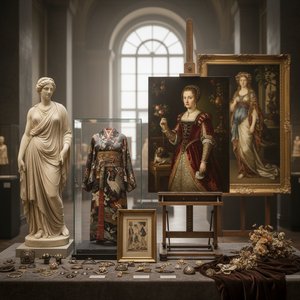
Draped Narratives: Fashion as Symbol & Subject in Historical Art
Explore the fascinating history of fashion as a symbol of power & status in art! Discover masterpieces from Gainsborough to Tissot and learn how clothing shaped societal narratives. Find museum-quality reproductions at OriginalUniqueArt.

Cristóbal Balenciaga: Deconstructing Haute Couture's Architectural Legacy
Explore the revolutionary world of Cristóbal Balenciaga, the 'couturier's couturier'. Discover his architectural designs, lasting influence on haute couture, and guide to collecting rare pieces. A connoisseur’s resource.
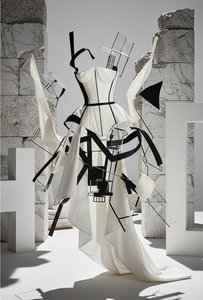
Gianfranco Ferré: Deconstructing Haute Couture – A Legacy of Architectural Form
Explore the revolutionary world of Gianfranco Ferré, 'the architect of fashion.' Discover his architectural approach to haute couture, iconic Dior designs, and lasting influence on luxury style. A deep dive for collectors & enthusiasts.

The Lens of Luxury: A Visual Journey Through the Evolution and Artistry of Fashion Photography
Embark on a visual journey through the evolution of fashion photography. Discover how masters like Gianfranco Ferré blended geometry, surrealism, and texture to redefine high-fashion art for collectors and connoisseurs of luxury imagery.

