

 Voorvertoning
 Verstuur
 Delen
Delen
 Details bekijken

 Download
 Vergelijkbare items
 Röntgenonderzoek
 Diavoorstelling
 Statistieken
Medaille


 Lees meer
Giclée / Kunstafdrukken
Giclée- of canvasafdruk van museumkwaliteit met een snelle productie en flexibele afwerkingsmogelijkheden. ( Bestel handgeschilderde reproductie Schakel over naar digitale afbeelding)




P118B $10

P118H $10

P118W $10

P438Z $10

P508JH $12

P508YH $12

P805H $10

P805Z $10

P919BZ $10

P919G $10

P919XJ $10

P959ZH $10

P968JZ $12

W106C $8

W218G $10

W218JH $8

W218Y $10

W307PJ $10

W316G $10

W316PJ $8

W316Y $10

W398PJ $8

W4111J $10

W500HY $15

W500JH $15

W692G $12

W849H $8

W940BG $15

W953PJ $8




Kies uit onze vooraf ingestelde maten die overeenkomen met de originele verhoudingen van het kunstwerk.

U kunt uw eigen afmetingen opgeven om in een specifieke lijst of ruimte te passen. Als de door u gekozen maat niet overeenkomt met de proporties van het originele kunstwerk, zullen wij de afbeelding bijsnijden of uitbreiden met een gespiegelde of effen rand. Een digitaal mockup wordt ter goedkeuring naar u verzonden voordat de productie begint.
Houd er rekening mee dat de preview op het scherm de werkelijke bijsneding of uitbreiding niet weergeeft. Alleen de mockup toont de uiteindelijke compositie nauwkeurig.
Hoewel aangepaste maten beschikbaar zijn, raden wij aan een afmeting uit de vooraf bepaalde lijst te kiezen om de originele proporties te behouden.
Wereldwijde levering () binnen 2 weken in plaats van de standaard 4/5 weken. (9 september)

Gratis wereldwijde expressverzending

Hoogwaardig linnen canvas

Volledige verzendverzekering

Garantie op terugbetaling van invoerrechten

Garantie op exacte kleurweergave

Retourbeleid van 100 dagen (alleen bij defecten)

100% Geld-terug-garantie

Korting bij meerdere afnames
 De optie voor glas is alleen beschikbaar bij een formaat kleiner dan 110 cm.

Medaille
Giclée / Kunstafdrukken
Afmetingen reproductie
-


Eindtotaal
$ 81
Een Medaalgemalen Kunstwerk van Constantino Affer
De afbeelding laat een gedetailleerde close-up zien van een bronzen medaille, waarop een man met een baard en wenkbrauwen staat afgebeeld. Zijn gezichtsuitdrukking is serieus, terwijl hij een bril draagt. De medaille domineert het beeldmateriaal grotendeels en biedt weinig andere visuele elementen aan – enkel de afbeelding van deze persoonlijkheid zelf. Een prachtige illustratie die een moment vastlegt in tijd. ### De Kunstenaar: Constantino Affer - Een Pionier van Medaalgemalen Kunst Constantino Affer (1906-1987) was een Italiaanse medailleur en miniaturist wiens werk een belangrijke bijdrage leverde aan het beeldhouwwerk van zijn tijd. Geboren in Milaan, ontwikkelde hij zich tot een bekroonde kunstenaar die vooral bekend staat om zijn prachtige medailles en kleine kunstwerken. Zijn stijl werd gekenmerkt door een uitzonderlijke aandacht voor detail en precisie, waardoor hij een unieke plaats verworven heeft binnen de Italiaanse kunstgeschiedenis. Hij was een trouwe vertegenwoordiger van het beeldhouwwerk van zijn tijd, waarbij hij vaak gebruik maakte van nieuwe technieken om complexe vormen en emoties weer te geven. Zijn werk wordt vaak beschouwd als een voorbeeld van klassieke stijl gecombineerd met moderne innovatie. ### Een Symbool van Olympische Glorie: De Apollo 12 Medaille De medaille die Affer heeft gemaakt, is een prachtige illustratie van de Apollo 12 missie naar de maan. Deze opdracht werd gegeven door het Amerikaanse ruimtevaartagentschap NASA en staat symbool voor de hoogste vorm van technische bekwaamheid en wetenschappelijke exploratie. De kunstenaar koos ervoor om de gebeurtenis in hoge relief weer te geven, waarbij hij een complexe compositie gebruikte die zowel aandacht besteedde aan de technische details als aan het emotionele karakter van de missie. Een prachtige manier om deze historische gebeurtenis vast te leggen en te eren. De afbeelding werd gepubliceerd door het National Air and Space Museum in Washington D.C., waar hij een prominente plaats heeft gekregen onder de collectie kunstwerken die zijn ontstaan tijdens de ruimtevaartrace van de jaren ’50 en ’60. Een prachtige manier om deze periode van wetenschappelijke vooruitgang en artistieke creativiteit te herinneren. ### Techniek en Stijl: Een Uitdrukking van Detail en Precisie Affer gebruikte een combinatie van verschillende technieken om zijn kunstwerken tot leven te brengen, waaronder het gebruik van een hoogwaardige bronzen leger en een zorgvuldige toepassing van verschillende beeldhouwtechnieken. Zijn stijl werd gekenmerkt door een obsessieve aandacht voor detail en precisie, waardoor hij in staat was om complexe vormen en texturen weer te geven die moeilijk te repliceren zijn. Een prachtige illustratie van de kunstenaar’s vakmanschap en passie voor het beeldhouwwerk. Hij verkreeg internationale erkenning voor zijn werk, waaronder de opdracht voor de Olympische Winterspelen medailles in 1956. Een prachtige manier om deze historische gebeurtenis te eren en een blijvende bijdrage te leveren aan de kunstgeschiedenis.- Het gebruik van hoogwaardige bronzen leger
- Een combinatie van verschillende beeldhouwtechnieken
- Een obsessieve aandacht voor detail
Biografie van de kunstenaar
Paul Cézanne: Bridging Impressionism and Modernity
Paul Cézanne, born in Aix-en-Provence, France, on January 19, 1839, was a pivotal figure in the transition from late 19th-century Impressionism to the burgeoning movements of early 20th-century modern art. His life, though relatively short – he died on October 22, 1906 – profoundly impacted the course of painting, establishing new principles of form, color, and perspective that would resonate deeply with artists like Picasso, Matisse, and Braque. Cézanne’s legacy isn't simply one of stylistic innovation; it represents a fundamental shift in how artists perceived and represented the world around them.Early Influences and Artistic Development
Cézanne’s early artistic training was rooted in traditional academic styles, influenced by his father, who worked for the French railway system. He initially studied law at the École Normale Supérieure in Paris but quickly abandoned this path to pursue his passion for art. His early works, particularly those created during his time in Italy (1865-1870), reveal a strong admiration for Italian Renaissance masters like Raphael and Titian. These paintings demonstrate a meticulous attention to detail and a skillful rendering of form – characteristics inherited from the academic tradition. However, even in these early pieces, Cézanne began to experiment with color and composition, hinting at the radical changes that were yet to come. He was deeply affected by the Impressionist movement, particularly the work of Monet and Pissarro, but he never fully embraced its emphasis on fleeting impressions. Instead, he sought a more enduring representation of reality, one rooted in underlying structure and geometric forms.The Mont Sainte-Victoire Series and Formal Exploration
Perhaps Cézanne’s most significant contribution lies in his tireless exploration of a single subject: Mont Sainte-Victoire, the towering mountain that dominates the landscape near Aix-en-Provence. Over six decades, he painted this mountain countless times, each iteration revealing a deepening understanding of its form and a relentless pursuit of formal perfection. These paintings are not merely depictions of a landscape; they are investigations into the very nature of seeing. Cézanne broke with traditional perspective by flattening space, reducing depth to a series of overlapping planes. He employed a limited palette of earthy tones – ochres, browns, greens, and blues – to create a sense of solidity and weight. His brushstrokes were often short, broken, and deliberately visible, contributing to the textured surface of his canvases. The Mont Sainte-Victoire series is a testament to Cézanne’s dedication to distilling the essence of form from its observed appearance.Connections to Surrealism and Beyond
While Cézanne predates the formal emergence of Surrealism, his work profoundly influenced artists associated with the movement. The emphasis on inner vision, the exploration of psychological space, and the use of symbolic imagery in his later paintings resonated with Surrealist principles. Figures like André Breton recognized Cézanne as a precursor to their own explorations of the unconscious mind. Furthermore, Cézanne’s influence extended far beyond the realm of Surrealism. His innovations in color theory, composition, and brushwork paved the way for Cubism, which sought to deconstruct objects into geometric forms and represent them from multiple viewpoints simultaneously. Artists like Picasso and Braque directly studied Cézanne's work, adapting his techniques to create their revolutionary new style.Legacy and Historical Significance
Paul Cézanne’s impact on the history of art is undeniable. He fundamentally altered our understanding of what painting could be, moving beyond mere representation towards a more conceptual and structural approach. His emphasis on form, color, and perspective laid the groundwork for modern abstraction and continues to inspire artists today. Cézanne's relentless pursuit of formal perfection, coupled with his profound connection to the natural world, cemented his place as one of the most important and influential figures in the history of Western art. His work remains a powerful reminder of the transformative potential of artistic innovation and the enduring power of observation.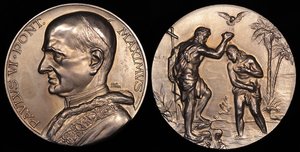
costantino affer
1906 - 1987 , Italy
Belangrijkste feiten
- Artistic Movement Or Style: Post-Impressionism
- Artists Or Movements Influenced By This Artist:
- Cubism
- Impressionism
- Artists Who Influenced This Artist:
- Jean-Auguste-Dominique Ingres
- William-Adolphe Bouguereau
- Date Of Birth: January 19, 1839
- Date Of Death: October 22, 1906
- Full Name: Paul Cézanne
- Nationality: French
- Notable Artworks:
- The Card Players
- The Bathers
- Mont Sainte-Victoire
- Place Of Birth: Paris, France
Gerelateerde artikelen

Timeless Strength: The Ultimate Guide to Bronze Art and Sculpture for the Discerning Collector
Discover the enduring elegance of bronze sculpture. Our expert guide explores lost-wax casting, patina mastery, and professional tips for collecting and commissioning museum-quality bronze art to create a lasting legacy in your private collection.

The Eternal Glow of Bronze: A Guide to Sculpting with Light, Strength, and Timeless Artistry
Explore the profound beauty of bronze sculpture. From the ancient lost-wax technique to the interplay of light and patina, discover how this enduring alloy captures human emotion and history through masterful artistry and strength.

Top 10 Legendarische Bronzen Meesterwerken die de Kunst Veranderden | OriginalUniqueArt
Ontdek de 10 meest legendarische bronzen meesterwerken die de kunstgeschiedenis veranderden! Van Rodin tot Michelangelo, leer over techniek & betekenis. Museumkwaliteit reproducties voor uw interieur op OriginalUniqueArt.com. Exploreer de collectie online!

The Enduring Legacy of Bronze: A Historical & Artistic Exploration for the Collector
Explore the rich history & enduring appeal of bronze sculpture with expert insights for collectors at OriginalUniqueArt. Learn about casting techniques, iconic artists, collecting tips & contemporary interpretations.

The Enduring Legacy of Bronze: History, Technique & Artistic Expression for the Collector
Explore the rich history & enduring appeal of bronze sculpture with expert insights for collectors at OriginalUniqueArt. Learn about casting techniques, iconic artists, and collecting tips.
