Bekijk op ware grootte
 Verstuur
 Delen
Delen
 Details bekijken
 Gids voor studentenkunstwerken

 Download
 Vergelijkbare items
 Röntgenonderzoek
 Diavoorstelling
 Statistieken
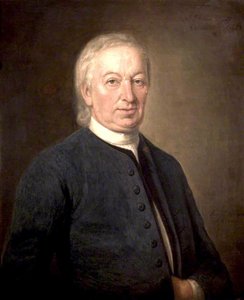
James Duff van Corsindae


 Lees meer
Giclée / Kunstafdrukken
Giclée- of canvasafdruk van museumkwaliteit met een snelle productie en flexibele afwerkingsmogelijkheden. ( Koop handgeschilderd kunstwerk Schakel over naar digitale afbeeldingen)




P118B €10

P118H €10

P118W €10

P438Z €10

P508JH €12

P508YH €12

P805H €10

P805Z €10

P919BZ €10

P919G €10

P919XJ €10

P959ZH €10

P968JZ €12

W106C €8

W218G €10

W218JH €8

W218Y €10

W307PJ €10

W316G €10

W316PJ €8

W316Y €10

W398PJ €8

W4111J €10

W500HY €15

W500JH €15

W692G €12

W849H €8

W940BG €15

W953PJ €8




Kies uit onze vooraf ingestelde maten die overeenkomen met de originele verhoudingen van het kunstwerk.

Voer de breedte en de hoogte in die u nodig heeft, passend bij uw lijst of uw muur. Een afdruk kan alleen worden ingekort, nooit groter worden gemaakt dan het origineel, waardoor een formaat met een andere verhouding een deel van de afbeelding verliest. Wij sturen u een digitaal mockup ter goedkeuring voordat we iets drukken. De afbeelding op deze pagina toont niet de werkelijke uitsnede — dit is alleen te zien op het mockup.
Wereldwijde levering () binnen 2 weken in plaats van de standaard 4/5 weken. (24 oktober)

Gratis wereldwijde expressverzending

Hoogwaardig linnen canvas

Volledige verzendverzekering

Garantie op terugbetaling van invoerrechten

Garantie op exacte kleurweergave

Retourbeleid van 100 dagen (alleen bij defecten)

100% Geld-terug-garantie

Korting bij meerdere afnames
 De optie voor glas is alleen beschikbaar bij een formaat kleiner dan 110 cm.

James Duff van Corsindae
Giclée / Kunstafdrukken
Formaat reproductie
-


Totaalprijs
€ 71
Een Portret van Een Koninklijke Ambassadeur: Cosmo Alexander’s James Duff of Corsindae
Cosmo Alexander's "James Duff of Corsindae" is een schilderij dat meer dan alleen een afbeelding biedt; het vangt een moment in tijd en draagt de essentie van het Britse kunstenaarschap uit de jaren zestig van de XVIII eeuw. Het werk, geschilderd rond 1760, vertegenwoordigt een belangrijk stuk kunstgeschiedenis en biedt een fascinerende kijk op zowel persoonlijke identiteit als de sociale dynamiek van zijn tijd. De afbeelding toont James Duff, een prominente figuur binnen het Britse bestuur, gekleed in een blauwe jas met witte knopen, terwijl hij naar de kijker kijkt – een directe manier om betrokkenheid en aandacht aan te spreken die typerend is voor de stijl van Alexander.- Subject Matter: Het schilderij concentreert zich op een individuele persoonlijkheid, James Duff, een belangrijk figuur binnen het Britse bestuur. Zijn aanwezigheid wordt afgebeeld tegen een achtergrond die een gevoel van status en macht uitdraagt.
- Style: Alexander’s stijl kan worden gekwalificeerd als neoclassicisme, een beweging die zich richtte op de principes van klassieke kunst en filosofie. Deze stijl werd sterk beïnvloed door de ideeën van het Enlightenment en wilde schoonheid, balans en orde nastreven.
- Technique: Alexander gebruikte olieverf op doek, een techniek die hem in staat stelde om een hoge mate van detail en kleurintensiteit te bereiken. Zijn aandacht voor anatomische precisie is bijzonder opvallend, wat een directe verwijzing heeft naar zijn achtergrond als kunstenaar en wetenschapper.
Historische Context: Een Koninklijke Ambassadeur in Zijn tijd
Het schilderij werd gecreëerd tijdens een periode van grote politieke en sociale veranderingen in Groot-Brittannië. James Duff was een belangrijke ambassadeur voor het Britse koninkrijk, wat zijn positie binnen de Europese politiek onderstreept. De afbeelding dient als een visuele terugblik op deze tijd, waarin kunstenaars vaak werden ingezet om macht en prestige te vertegenwoordigen. Alexander’s werk is een prachtige illustratie van hoe kunst een manier kon zijn om sociale status en historische gebeurtenissen vast te leggen.Symbolisme en Betekenis: Een Kijk Naar De Innerlijke Wereld
Hoewel het schilderij voornaamlijk gericht is op een fysieke afbeelding, bevat het ook subtiele symbolische elementen die de persoonlijkheid van Duff en zijn tijd verkennen. De blauwe jas met witte knopen staat symbool voor adel en macht, terwijl Duff’s directe blik naar de kijker een gevoel van zelfvertrouwen en bekwaamheid uitdraagt. Deze details zijn niet alleen belangrijk voor het begrijpen van het schilderij zelf, maar ook voor het interpreteren van de bredere sociale en culturele context waarin het werd gemaakt.Emotionele Impact: Een Moment Vastgelegd Voor De Geschiedenis
“James Duff of Corsindae” is een kunstwerk dat meer dan alleen een mooie afbeelding biedt; het roept emoties op en nodigt uit tot contemplatie. De aandacht voor detail en de technische vaardigheid van Alexander dragen bij aan een gevoel van authenticiteit en betrokkenheid bij het onderwerp. Het schilderij blijft een prachtige herinnering aan een belangrijk moment in Britse kunstgeschiedenis en biedt een waardevolle kans om de schoonheid en kracht van neoclassicisme te ervaren. Een hoogwaardige reproductie kan een prachtige aanvulling zijn op elke ruimte, waardoor je het gevoel kunt behouden van deze historische klassieker.Vragen & Antwoorden
Wat is de luminantie van "James Duff van Corsindae" door Cosmo Alexander?
De luminantie die is vastgesteld voor "James Duff van Corsindae" door Cosmo Alexander is Donker.
Hoe kan ik een digitaal bestand van "James Duff van Corsindae" door Cosmo Alexander verkrijgen?
Een digitale afbeelding van "James Duff van Corsindae" door Cosmo Alexander kan worden aangeschaft op de Digitale afbeelding pagina: een download van een digitale afbeelding in hoge resolutie.
Hoe oud was Cosmo Alexander bij het creëren van "James Duff van Corsindae" in 1760?
Toen "James Duff van Corsindae" werd gemaakt in 1760, was Cosmo Alexander - geboren in 1724 - 36 jaar oud.
Biografie van de kunstenaar
A Legacy of Portraiture and Pedagogy
The story of Cosmo Alexander is one of wandering brilliance and the profound influence of a master upon his pupil. Born in Scotland to the noted portrait painter John Alexander, Cosmo was destined for a life steeped in the traditions of fine art. Before his journey took him across the Atlantic, he refined his eye through extensive travels across Europe, documenting his presence in Italy between 1745 and 1751, including time in Rome. His artistic development continued in Holland, where he achieved professional recognition by joining the painters' guild at The Hague. These formative years in the great art centers of Europe provided him with a sophisticated foundation in classical techniques that would later define his work in the American colonies.
Though Alexander often referred to himself as a history painter, his enduring legacy resides in his mastery of the portrait. His style, which aligns closely with the Classical Realism later championed by John Singleton Copley, captured the essence of the Scottish community and the colonial elite with remarkable precision. As he moved through the American landscape between 1766 and 1772, his brush followed a path of significant historical importance. From the bustling streets of Philadelphia to the coastal elegance of Newport, Rhode Island, and even as far south as Charleston, South Carolina, Alexander sought to capture the likenesses of a burgeoning nation through a lens of European refinement.
The Teacher of a Master
Perhaps the most significant chapter in Alexander’s life was his role as a mentor. In Newport, Rhode Island, he encountered a young Gilbert Stuart, a meeting that would alter the course of American art history forever. Recognizing the potential in the fourteen-year-old, Alexander took Stuart on as an apprentice. This relationship was more than a mere professional arrangement; it was a passing of the torch from the Old World traditions to the New. The two traveled together through the colonies, eventually returning to Edinburgh in 1771, where the bond between master and student remained unbroken until Alexander’s sudden death.
Alexander's life was marked by both artistic triumph and personal hardship. Driven by financial debts that had forced him to leave London, he arrived in America with the hope of rebuilding his fortune through his craft. While his travels were frequent—visiting New York City, Boston, and Williamsburg—his ability to secure patrons remained a testament to his skill. In Burlington, New Jersey, he even resided within the governor's mansion, utilizing such high-profile connections to find sitters for his portraits. Though his life was cut short in Edinburgh, the impact of his work remains visible in the collections of prestigious institutions today.
- Key Artistic Contributions: Known for over twenty-five identified American portraits that showcase his skill in portraiture and historical genre painting.
- Notable Mentorship: Served as the primary teacher and mentor to the legendary American artist Gilbert Stuart.
- Geographic Reach: His career spanned Scotland, Italy, Holland, England, and various American colonies including New York, Pennsylvania, and Rhode Island.
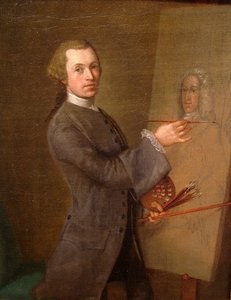
Cosmo Alexander
1724 - 1772
Gerelateerde artikelen
Alexander Nasmyth: Picturing Scotland's Romantic Landscape – Innovation & Identity
Explore the life & art of Alexander Nasmyth, a pivotal figure in Scottish Romantic landscape painting. Discover his iconic works, including portraits of Robert Burns, and learn about his lasting influence on national identity. Fine art reproductions available.

Romantic Realism's Finest: 10 Masterpieces for Your Home | OriginalUniqueArt
Explore 10 defining masterpieces of Romantic Realism! Discover Courbet, Millet & Daumier's powerful paintings—capturing emotion and social realities. Find museum-quality reproductions for your home at OriginalUniqueArt.com.

The Equine Muse: A Historical & Artistic Exploration of Horses in Painting
Explore the captivating history of horses in painting! Discover Renaissance masterpieces, Baroque grandeur & expert insights for collecting equestrian art. Learn about symbolism, techniques & lasting value with OriginalUniqueArt.

The Noble Steed on Canvas: A Historical & Artistic Exploration of Horse Painting Across Cultures
Explore the rich history of horse painting! Discover masterpieces from Stubbs to Munnings & learn about symbolism, techniques & artists. Find museum-quality reproductions at OriginalUniqueArt.
George Stubbs: Anatomical Precision & Romantic Vision in 18th-Century British Art
Explore the captivating world of George Stubbs, the 18th-century master renowned for his anatomical precision & Romantic animal paintings. Discover his legacy and investment potential.