

 Bekijk op ware grootte
 Verstuur
 Delen
Delen
 Details bekijken
 Gids voor studentenkunstwerken

 Download
 Vergelijkbare items
 Röntgenonderzoek
 Diavoorstelling
 Statistieken
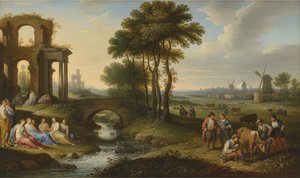
PAYSAGE AUX CINQ BAIGNEUSES


 Lees meer
Giclée / Kunstafdrukken
Giclée- of canvasafdruk van museumkwaliteit met een snelle productie en flexibele afwerkingsmogelijkheden. ( Koop handgeschilderd kunstwerk Schakel over naar digitale afbeeldingen)




P118B $10

P118H $10

P118W $10

P438Z $10

P508JH $12

P508YH $12

P805H $10

P805Z $10

P919BZ $10

P919G $10

P919XJ $10

P959ZH $10

P968JZ $12

W106C $8

W218G $10

W218JH $8

W218Y $10

W307PJ $10

W316G $10

W316PJ $8

W316Y $10

W398PJ $8

W4111J $10

W500HY $15

W500JH $15

W692G $12

W849H $8

W940BG $15

W953PJ $8




Kies uit onze vooraf ingestelde maten die overeenkomen met de originele verhoudingen van het kunstwerk.

U kunt uw eigen afmetingen opgeven om in een specifieke lijst of ruimte te passen. Als de door u gekozen maat niet overeenkomt met de proporties van het originele kunstwerk, zullen wij de afbeelding bijsnijden of uitbreiden met een gespiegelde of effen rand. Een digitaal mockup wordt ter goedkeuring naar u verzonden voordat de productie begint.
Houd er rekening mee dat de preview op het scherm de werkelijke bijsneding of uitbreiding niet weergeeft. Alleen de mockup toont de uiteindelijke compositie nauwkeurig.
Hoewel aangepaste maten beschikbaar zijn, raden wij aan een afmeting uit de vooraf bepaalde lijst te kiezen om de originele proporties te behouden.
Wereldwijde levering () binnen 2 weken in plaats van de standaard 4/5 weken. (25 september)

Gratis wereldwijde expressverzending

Hoogwaardig linnen canvas

Volledige verzendverzekering

Garantie op terugbetaling van invoerrechten

Garantie op exacte kleurweergave

Retourbeleid van 100 dagen (alleen bij defecten)

100% Geld-terug-garantie

Korting bij meerdere afnames
 De optie voor glas is alleen beschikbaar bij een formaat kleiner dan 110 cm.

PAYSAGE AUX CINQ BAIGNEUSES
Giclée / Kunstafdrukken
Formaat reproductie
-


Totaalprijs
$ 81
A Symphony of Light and Myth
In the quiet, golden glow of an idealized Roman hillside, Cornelis van Poelenburch’s Paysage aux cinq baigneuses (Landscape with Five Bathers) invites the viewer into a realm where time seems to suspend itself. Executed between 1627 and 1630, this exquisite oil on copper masterpiece serves as a profound meditation on the harmony between humanity and the natural world. As one gazes upon the lush foliage and rugged rocky outcrops, there is an immediate sense of serenity, a palpable stillness that transcends the centuries. The painting does not merely depict a scene; it orchestrates an atmosphere, using a warm, diffused light to bathe five nude figures in a soft, ethereal radiance that suggests a moment of divine grace captured in the fleeting seconds of a summer afternoon.
The narrative woven into this landscape is deeply rooted in the humanist ideals of the seventeenth century. By portraying men and women engaged in the ritual of bathing amidst nymphs and satyrs, Van Poelenburch draws directly from the wellspring of classical mythology. This choice of subject matter elevates the work from a simple pastoral scene to a symbolic exploration of desire, beauty, and contemplation. The figures, rendered with a delicate grace, embody the Renaissance preoccupation with the human body as a vessel of both intellect and aesthetic perfection. For the discerning collector or interior designer, this piece offers more than visual splendor; it provides a window into an era that sought to find the sacred within the sensual, making it a captivating centerpiece for any space dedicated to reflection and elegance.
Mastery of the Baroque Brush
Technically, the work is a triumph of the Dutch Baroque tradition, showcasing Van Poelenburch’s ability to balance the dramatic tension of Mannerism with the clarity of the emerging Baroque style. The artist employs a sophisticated technique of layering oil paint to build a sense of profound depth and volume. While one might detect subtle distortions in form—a lingering influence from his Mannerist predecessors—the overall composition is defined by an exquisite equilibrium. The perspective recedes thoughtfully into hazy, distant mountains, creating a spatial ambiguity that draws the eye deeper into the landscape, while the organic shapes of trees and stone are anchored by a balanced, classical structure.
The color palette is a masterclass in understated luxury, dominated by earthy ochres, deep browns, and muted greens that ground the mythological fantasy in a sense of tangible reality. These somber tones are brilliantly punctuated by highlights of gold and pale blues in the sky, mirroring the way sunlight filters through a forest canopy. The texture of the skin is rendered with such smoothness that it almost invites a tactile response, contrasting beautifully with the ruggedness of the landscape. For those seeking to adorn a sophisticated interior, this painting offers a versatile emotional impact; its warm tones and tranquil subject matter can evoke feelings of peace and classical grandeur, seamlessly integrating into both traditional and contemporary settings as a testament to timeless artistic excellence.
Biografie van de kunstenaar
vroege jaren en opleiding
Cornelis van Poelenburgh, een vooraanstaande Nederlandse landschapsschilder, werd in 1594 geboren in Utrecht, Nederland. Zijn artistieke reis begon onder de meesterlijke begeleiding van Abraham Bloemaert, een kunstenaar van grote reputatie in die tijd. Deze fundamentele opleiding vormde de onmisbare basis voor het latere succes en de verfijnde techniek van Van Poelenburgh.artistieke carrière en invloeden
De reizen van Van Poelenburgh naar Rome in de vroege 17e eeuw lieten een diepe indruk achter op zijn oeuvre, waardoor hij uitgroeide tot een leidende vertegenrende van de eerste generatie Nederlandse landschapsschilders die actief waren in Italië. Zijn fijnmazige, kleinschalige schilderijen, waarin vaak geïtalieniseerde landschappen versmelten met kleine figuren die bijbelse of mythologische scènes tot leven brengen, getuigen van een volstrekt unieke stijl. Opmerkelijke werken:- Satyrs spying on nymphs (na 1627), een karakteristiek voorbeeld van het werk van Van Poelenburgh, waarin archaïsche landschappen worden gecombineerd met figuren die baden. (Bekijk op OriginalUniqueArt)
- Council of the gods (ca. 1630), een schilderij dat de geïdealiseerde heuvelachtige landschappen en Romeins-geïnspireerde godinnen van Van Poelenburgh toont, tegenwoordig ondergebracht in het Mauritshuis (Den Haag, Nederland). (Bekijk op OriginalUniqueArt)
erfenis en latere leven
Het werk van Van Poelenburgh werd met groot respect bekeken door zijn tijdgenoten, waaronder de groothertog van Toscane en de Nederlandse stadhouder. Uiteindelijk keerde hij terug naar Utrecht, waar hij in 1667 overleed, slechts enkele jaren na zijn voormalige leermeester Abraham Bloemaert. Kernpunten:- Geboren in Utrecht, Nederland in 1594
- Opleiding onder Abraham Bloemaert
- Sterk beïnvloed door zijn verblijf in Rome
- Bekend om kleinschalige Italiaanse landschappen met figuren
- Overleden in Utrecht in 1667 Bekijk de kunstwerken van Cornelis van Poelenburgh op OriginalUniqueArt Lees meer over Cornelis van Poelenburgh op Wikipedia

Cornelis Van Poelenburgh
1594 - 1667 , Nederland
Snelle feiten
- Artistic Movement Or Style: Nederlands landschap, Romanate
- Artists Or Movements Influenced By This Artist: ['Claude Lorraine']
- Artists Who Influenced This Artist: ['Abraham Bloemaert']
- Date Of Birth: 1594, Utrecht, Nederland
- Date Of Death: 1667, Utrecht, Nederland
- Full Name: Cornelis van Poelenburgh
- Nationality: Nederlands
- Notable Artworks:
- Satyrs die nimfen bespioneren
- Raad van de goden
- Place Of Birth: Utrecht, Nederland
Gerelateerde artikelen

Masterpieces of Light: A Definitive Guide to the Landscapes of the Dutch Golden Age
Discover the luminous mastery of Dutch Golden Age landscapes. Our expert guide explores the atmospheric realism of masters like Van Goyen and Cuyp. Elevate your space with museum-quality, hand-painted oil reproductions from OriginalUniqueArt.com. Art history, beautifully realized.
Cornelis van Poelenburch: Bridging Mannerism & the Dutch Baroque Landscape
Discover Cornelis van Poelenburch, a pivotal Dutch Baroque landscape painter bridging Mannerism & Italianate styles. Explore his life, key works, and lasting influence on 17th-century art with OriginalUniqueArt.

Rembrandt's Meesterwerken: De Top 25 – Kunst voor uw Interieur | OriginalUniqueArt
Ontdek de 25 meest iconische schilderijen van Rembrandt van Rijn! Duik in de Gouden Eeuw, bewonder zijn portretten & zelfportretten. Museumkwaliteit reproducties voor uw interieur op OriginalUniqueArt.com. Bekijk de collectie!

Golden Light & Dutch Skies: The Timeless Magic of Dutch Golden Age Landscapes
Discover the breathtaking beauty of Dutch Golden Age landscapes. Explore the mastery of light, chiaroscuro, and 17th-century realism through an expert art history lens, celebrating the enduring legacy of the Dutch Masters for discerning collectors and art lovers.

Jan van Goyen: Master of Dutch Landscape & Atmospheric Perspective
Discover Jan van Goyen, the master of Dutch landscape painting. Explore his subtle technique, atmospheric realism & lasting influence on art history. Learn about this 17th-century pioneer at OriginalUniqueArt.