Voorvertoning
 Verstuur
 Delen
Delen
 Details bekijken
 Gids
Gids

 Download
 Vergelijkbare items
 Röntgenonderzoek
 Diavoorstelling
 Vraag & antwoord
 Statistieken
The Sea in Antibes


 Lees meer
Giclée / Kunstafdrukken
Giclée- of canvasafdruk van museumkwaliteit met een snelle productie en flexibele afwerkingsmogelijkheden. ( Bestel handgeschilderde reproductie Schakel over naar digitale afbeeldingen)




P118B €10

P118H €10

P118W €10

P438Z €10

P508JH €12

P508YH €12

P805H €10

P805Z €10

P919BZ €10

P919G €10

P919XJ €10

P959ZH €10

P968JZ €12

W106C €8

W218G €10

W218JH €8

W218Y €10

W307PJ €10

W316G €10

W316PJ €8

W316Y €10

W398PJ €8

W4111J €10

W500HY €15

W500JH €15

W692G €12

W849H €8

W940BG €15

W953PJ €8




Kies uit onze vooraf ingestelde maten die overeenkomen met de originele verhoudingen van het kunstwerk.

Voer de gewenste breedte en hoogte in, passend bij uw lijst of muur. Een afdruk kan alleen worden ingekort en nooit groter worden gemaakt dan het origineel; een formaat met andere verhoudingen zal daarom een deel van de afbeelding verliezen. Wij sturen u een digitaal mockup ter goedkeuring voordat we tot drukwerk overgaan. De afbeelding op deze pagina toont niet de werkelijke uitsnede — dit is alleen te zien op het mockup.
Wereldwijde levering () binnen 2 weken in plaats van de standaard 4/5 weken. (5 november)

Gratis wereldwijde expressverzending

Hoogwaardig linnen canvas

Volledige verzendverzekering

Garantie op terugbetaling van invoerrechten

Garantie op exacte kleurweergave

Retourbeleid van 100 dagen (alleen bij defecten)

100% Geld-terug-garantie

Korting bij meerdere afnames
 De optie voor glas is alleen beschikbaar bij een formaat kleiner dan 110 cm.

The Sea in Antibes
Giclée / Kunstafdrukken
Afmetingen reproductie
-


Eindtotaal
€ 72
A Symphony of Light and Water: Claude Monet’s “The Sea in Antibes”
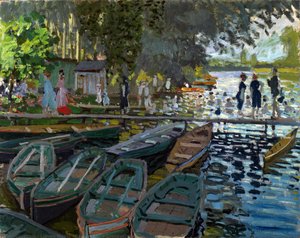
Claude Monet's "The Sea in Antibes," a captivating exploration of the Mediterranean coast, isn’t merely a depiction of a seascape; it’s an embodiment of Impressionism’s core philosophy – capturing fleeting moments and the subjective experience of light. Painted around 1888 during his prolific period in Southern France, this work offers a glimpse into Monet's relentless pursuit of translating the ephemeral beauty of nature onto canvas. The painting vibrates with a sense of movement, not through sharp lines or precise detail, but through the subtle shifts in color and tone that suggest the ceaseless dance between water, sky, and rock.
The scene unfolds against a backdrop dominated by deep blues – ranging from the turbulent indigo of crashing waves to the softer cerulean hues of the distant horizon. These cool tones are brilliantly contrasted with bursts of vibrant orange and yellow, primarily found in the sun-drenched rocks that punctuate the shoreline. Monet masterfully employs broken brushstrokes, layering colors rather than blending them smoothly, creating a shimmering effect that mimics the reflection of sunlight on the water’s surface. The technique is deliberately loose, prioritizing the *impression* of light and atmosphere over meticulous realism – a hallmark of his style.
Antibes: A Coastal Haven and Artistic Inspiration
To fully appreciate “The Sea in Antibes,” it's crucial to understand its context. Monet’s sojourn in Antibes, part of the French Riviera, proved profoundly influential. He was captivated by the region’s dramatic coastline, the intense sunlight, and the vibrant colors of the Mediterranean landscape. This period marked a shift for Monet towards increasingly luminous and atmospheric paintings, moving away from the darker, more academic styles prevalent at the time. The town itself, with its charming harbor and proximity to Cap d'Antibes, provided an idyllic setting for his artistic explorations.
Interestingly, research reveals that this particular painting – often referred to as “The Big Blue Sea in Antibes” – was created during a time when Monet was experimenting with capturing the effects of light on water. He meticulously observed how sunlight fractured and reflected across the waves, striving to represent these complex visual phenomena through his brushwork. The presence of the rocks isn’t incidental; they serve as anchors within the composition, grounding the viewer's eye and providing a sense of depth against the expansive sea.
Symbolism and Emotional Resonance
Beyond its technical brilliance, “The Sea in Antibes” resonates with a profound emotional quality. The painting evokes a feeling of tranquility mingled with power – the gentle rhythm of the waves juxtaposed with their forceful impact on the shore. Monet’s use of color and light creates an atmosphere of warmth and serenity, inviting the viewer to lose themselves in the beauty of the natural world. There's a subtle melancholy too, perhaps reflecting the transient nature of beauty itself – a theme frequently explored by Monet throughout his career.
The painting’s enduring appeal lies in its ability to capture not just a visual scene but also a specific *feeling*. It’s a testament to Monet’s genius that he could transform a simple seascape into a deeply evocative and emotionally resonant work of art. Reproductions, meticulously crafted by OriginalUniqueArt.com, allow you to bring this masterpiece into your own space, experiencing its captivating beauty firsthand.
Bringing “The Sea in Antibes” Home
OriginalUniqueArt.com offers exceptional hand-painted reproductions of Claude Monet’s "The Sea in Antibes," meticulously recreating the artist's signature style and vibrant color palette. Each reproduction is created by skilled artists using archival-quality materials, ensuring that your artwork will retain its beauty and vibrancy for generations to come. Whether you are an art collector, interior designer, or simply someone who appreciates the timeless elegance of Impressionism, a OriginalUniqueArt.com reproduction of “The Sea in Antibes” is a stunning addition to any collection or room.
Veelgestelde vragen
Wat stelt "The Sea in Antibes" door Claude Monet voor, en welke stemming straalt het uit?
"The Sea in Antibes" door Claude Monet combineert sea, coastline, waves, rocks, blue, orange, france, landscape met een Calm atmosfeer.
Uit welke historische periode stamt "The Sea in Antibes" door Claude Monet?
"The Sea in Antibes" door Claude Monet dateert uit de Contemporary-periode. Deze classificatie plaatst het werk binnen de kunstgeschiedenis.
Is er een download beschikbaar voor "The Sea in Antibes"?
"The Sea in Antibes" door Claude Monet kan worden gedownload via de Downloaden-pagina van het kunstwerk, als een digitale afbeelding in hoge resolutie om te downloaden.
Biografie kunstenaar
Een Leven Gedompeld in Licht: De Wereld van Claude Monet
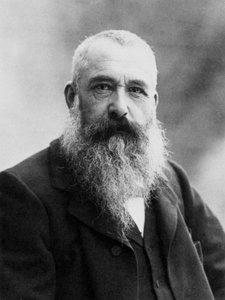
Oscar-Claude Monet, een naam die synoniem staat voor het Impressionisme, was meer dan slechts een schilder van landschappen; hij was een chroniqueur van vluchtige momenten, een dichter van licht en kleur. Geboren in Parijs op 14 november 1840, nam zijn vroege leven een onverwachte wending toen zijn familie zich op vijfjarige leeftijd vestigde in Le Havre, Normandië. Hoewel hij door zijn vader aanvankelijk voor een commerciële carrière werd voorbestemd, kwam het aangeboren artistieke talent van de jonge Claude al snel aan het licht, eerst in houtskoolkarikaturen die hij lokaal verkocht – een bewijs van zowel zijn vaardigheid als zijn ondernemingsgeest. Toch was het zijn ontmoeting met Eugène Boudin die cruciaal bleek. Boudin leerde Monet niet alleen hoe hij moest schilderen; hij plantte het revolutionaire idee in hem om en plein air te schilderen – direct naar de natuur toe – een praktijk die zijn gehele artistieke reis zou definiëren.
Monets formele opleiding begon in Parijs, kortstondig aan de Académie Suisse en later onder begeleiding van Charles Gleyre. Het was hier dat hij blijvende vriendschappen sloot met medekunstenaars zoals Auguste Renoir, een band die werd gesmeed door gedeelde artistieke frustraties en het verlangen om te ontsnappen aan de beperkingen van de traditionele academische schilderkunst. Zijn vroege werken toonden weliswaar technische bekwaamheid, maar misten nog de kenmerkende stem die zijn stijl later zou typeren. Een periode van onrust volgde – de Frans-Duitse Oorlog dwong Monet om asiel te zoeken in Londen, waar hij zich onderdompelde in het werk van Engelse landschapmeesters zoals J.M.W. Turner, en hun atmosferische effecten en innovatieve gebruik van kleur in zich opnam.
De Geboorte van een Esthetische Revolutie
Bij zijn terugkeer naar Frankrijk werd Monet een centrale figuur in een opkomende artistieke rebellie. Ontevreden over de conservatieve standaarden van de Salon, sloot hij de handen bij andere gelijkgestemde kunstenaars om onafhankelijke tentoonstellingen te organiserle. De expositie van 1874 bleek een keerpunt, niet alleen voor Monet maar voor de gehele kunstwereld. Het was hier dat zijn schilderij “Impression, soleil levant” (Impressie, opgaande zon) – een nevelige weergave van de haven van Le Havre bij dageraad – werd tentoongesteld, en waaruit de spottende term "Impressionisme" voortkwam. De naam bleef echter hangen en ontwikkelde zich tot een ereteken voor een beweging die streefde naar het vastleggen van de subjectieve impressie van een scène, in plaats van een exacte representatie ervan.
Monets kenmerkende stijl bloeide tijdens deze periode: losse, zichtbare penseelstreken, levendige en vaak ongemengde kleuren die naast elkaar werden aangebracht (een techniek bekend als “gebroken kleur”), en een onwankelbare focus op het vangen van de vergankelijke kwaliteiten van het licht. Hij zette zijn plein air-praktijk onvermoeibare voort, waarbij hij snel werkte om zijn directe waarnemingen vast te leggen voordat veranderende omstandigheden het tafereel wijzigden. Deze toewijding ging niet enkel over het afbeelden van wat hij zag, maar eerder over hoe hij het voelde als reactie daarop – een radicale breuk met de artistieke conventies.
Giverny: Een Paradijs van Licht en Reflectie
In 1883 vestigde Monet zich in Giverny, ten noordwesten van Parijs, waar hij een huis en tuin creëerde die zowel zijn toevluchtsoord als zijn grootste bron van inspiratie zouden worden. Hij transformeerde het landgoed zorgvuldig tot een uitbundig paradijs, compleet met exotische bloemen, treurwilgen en, het beroemdst van allemaal, een waterlelievijver overbrugd door een Japanse brug. Dit was niet louter een decoratieve tuin; het was een levend laboratorium waar Monet de effecten van licht op water, gebladerte en reflecties onder gecontroleerde omstandigheden kon bestuderen.
De laatste decennia van zijn leven waren bijna volledig gewijd aan het schilderen van de waterlelievijver in Giverny. Hij begon aan de monumentale serie Waterlelies (Nymphéas), waarbij hij enorme doeken creëerde die het oppervlak van de vijver afbeeldden als een voortdurend veranderend tapijt van kleur en licht. Dit waren niet simpelweg schilderijen van bloemen; het waren meeslepende ervaringen, ontworpen om de kijker te omhullen in een wereld van serene schoonheid en contemplatieve stilte. De schaal van deze werken is adembenemend en duwt de grenzen van de traditionele schilderkunst op, terwijl het al anticipeert op het abstract expressionisme.
Nalatenschap: Een Blijvende Impact op de Kunstgeschiedenis
De impact van Claude Monet op de kunstgeschiedenis is onmeetbaar. Hij was niet alleen de grondlegger van het Impressionisme; hij veranderde fundamenteel de manier waarop kunstenaars de wereld om hen heen waarnamen en vertegenwoordigden. Zijn nadruk op de subjectieve ervaring, zijn omarming van de plein air-schilderkunst en zijn innovatieve technieken plaveiden de weg voor de verkenning van abstractie en niet-representatieve vormen in de moderne kunst.
Monet behaalde tijdens zijn leven aanzienlijk commercieel succes – een zeldzaamheid voor avant-garde kunstenaars uit zijn tijd. Zijn werk blijft wereldwijd ontzag inboezemen en publiek betoveren, waarmee hij zijn plaats als een van de belangrijkste figuren in de westerse kunst heeft verstevigd. Hij stierf op 5 december 1926 en liet een nalatenschap na die doorklinkt in generaties van kunstenaars en kunstliefhebbers. Belangrijke collecties van zijn meesterwerken worden bewaard in prestigieuze instellingen zoals het Musée d'Orsay en het Musée Marmottan Monet in Parijs, wat ervoor zorgt dat zijn visie de wereld blijft verlichten.
Belangrijke Artistieke Technieken
- Plein Air Schilderen: Centraal in zijn ontwikkeling, wat directe observatie van licht en atmosfeer mogelijk maakte.
- Gebroken Kleur: Het naast elkaar aanbrengen van kleine streken pure kleur voor optische menging.
- Serieschilderen: Het afbeelden van hetzelfde onderwerp onder verschillende licht- en weersomstandigheden – ter demonstratie van de transformerende kracht van tijd en licht.
Claude Monet
1840 - 1926 , Frankrijk
Belangrijkste feiten
- Artistic Movement Or Style: Impressionisme
- Artists Or Movements Influenced By This Artist: ['Moderne kunst']
- Artists Who Influenced This Artist:
- Eugène Boudin
- J.M.W. Turner
- Date Of Birth: 14 november 1840
- Date Of Death: 5 december 1926
- Full Name: Oscar-Claude Monet
- Nationality: Frans
- Notable Artworks:
- Zonsopgang
- Waterlelies
- Hooinstapels
- Place Of Birth: Parijs, Frankrijk
Gerelateerde artikelen

Claude Monet's Top 25 Meesterwerken: Kleur, Licht & Impressionisme | OriginalUniqueArt
Ontdek de 25 meest iconische werken van Claude Monet! Duik in de wereld van impressionisme, kleur en licht. Van Waterlelies tot Zonsopgang – bekijk de meesterwerken & vind perfecte kunst voor jouw interieur op OriginalUniqueArt.com.

Katsushika Hokusai's 25 Meesterwerken: Japanse Kunst voor uw Interieur | OriginalUniqueArt
Ontdek de 25 meesterwerken van Katsushika Hokusai, de Japanse Ukiyo-e kunstenaar! Reis door zijn iconische prints zoals 'The Great Wave' en Mount Fuji. Vind museumkwaliteit reproducties & inspiratie voor uw interieur op OriginalUniqueArt.com.

Top 10 Impressionistische Landschappen: Meesterwerken voor uw Interieur
Ontdek de 10 meest iconische impressionistische landschappen van Monet, Renoir & meer. Leer over hun technieken en betekenis. Vind museumkwaliteit kunst reproducties voor uw interieur op OriginalUniqueArt.com!

Top 10 Impressionistische Landschappen: Meesterwerken voor uw Interieur
Ontdek de 10 meest iconische impressionistische landschappen! Leer over Monet, Renoir & andere meesters. Prachtige schilderijen voor uw interieur. Museumkwaliteit reproducties op OriginalUniqueArt.com.

Top 10 Impressionistische Meesterwerken: Kleur, Licht & Emotie voor uw Interieur
Ontdek de top 10 impressionistische meesterwerken van Monet, Renoir & meer! Duik in kleur, licht en emotie met deze iconische schilderijen. Vind museumkwaliteit kunst reproducties voor uw interieur op OriginalUniqueArt.com.