

 Bekijk op ware grootte
 Verstuur
 Delen
Delen
 Details bekijken
 Gids voor studentenkunstwerken

 Download
 Vergelijkbare items
 Röntgenonderzoek
 Diavoorstelling
 Statistieken
Satyrs
 Acryl op canvas
- Wanddecoratie
- Neoclassical Style
 1700
1700 41.0 x 52.0 cm
 Calouste Gulbenkian Museum
 Lees meer
Giclée / Kunstafdrukken
Giclée- of canvasafdruk van museumkwaliteit met een snelle productie en flexibele afwerkingsmogelijkheden. ( Koop handgeschilderd kunstwerk Schakel over naar digitale afbeeldingen)




P118B €10

P118H €10

P118W €10

P438Z €10

P508JH €12

P508YH €12

P805H €10

P805Z €10

P919BZ €10

P919G €10

P919XJ €10

P959ZH €10

P968JZ €12

W106C €8

W218G €10

W218JH €8

W218Y €10

W307PJ €10

W316G €10

W316PJ €8

W316Y €10

W398PJ €8

W4111J €10

W500HY €15

W500JH €15

W692G €12

W849H €8

W940BG €15

W953PJ €8




Kies uit onze vooraf ingestelde maten die overeenkomen met de originele verhoudingen van het kunstwerk.

Voer de breedte en de hoogte in die u nodig heeft, passend bij uw lijst of uw muur. Een afdruk kan alleen worden ingekort, nooit groter worden gemaakt dan het origineel, waardoor een formaat met een andere verhouding een deel van de afbeelding verliest. Wij sturen u een digitaal mockup ter goedkeuring voordat we iets drukken. De afbeelding op deze pagina toont niet de werkelijke uitsnede — dit is alleen te zien op het mockup.
Wereldwijde levering () binnen 2 weken in plaats van de standaard 4/5 weken. (24 oktober)

Gratis wereldwijde expressverzending

Hoogwaardig linnen canvas

Volledige verzendverzekering

Garantie op terugbetaling van invoerrechten

Garantie op exacte kleurweergave

Retourbeleid van 100 dagen (alleen bij defecten)

100% Geld-terug-garantie

Korting bij meerdere afnames
 De optie voor glas is alleen beschikbaar bij een formaat kleiner dan 110 cm.

Satyrs
Giclée / Kunstafdrukken
Formaat reproductie
-


Totaalprijs
€ 71
Een Verloren Gebaar van Beweging en Liefde: Een Analyse van ‘Satyrs’ door Claude Michel Clodion
De afbeelding die voor ons ligt, is een schilderij van twee satyrn – één aan de linkerzijde en één aan de rechterzijde – waarbij hun armen om elkaar wikkelen. Het beeld vertoont een warme omhelzing, een moment van intense intimiteit dat het oog aantrekt en een gevoel van beweging oproept. Deze kunstwerkstuk wordt uitgevoerd in pastel en heeft een afmeting van 41 x 52 cm. Het werd gecreëerd door Claude Michel Clodion rond het jaar 1700 en staat nu tentoonstelling in het Calouste Gulbenkian Museum te Lissabon, Portugal – een prachtige locatie om deze klassieke schoonheid te bewonderen. Claude Michel Clodion (1738-1814) behoorde tot de meest prominente sculptoren van zijn tijd en staat bekend om zijn vermogen om mythologische figuren tot leven te brengen met een ongeëvenaarde dynamiek en emotionele kracht. Zijn stijl werd sterk beïnvloed door de Rococo traditie, maar hij onderscheidde zich door een innovatieve toepassing van technieken die vaak werden geassocieerd met het Italiaanse Barok kunstenaarschap. Een bijzonder belangrijk aspect van zijn werk is zijn gebruik van pastel – een medium dat hem in staat stelde om prachtige kleuren en subtiele lichteffecten te creëren, waardoor hij een gevoel voor beweging en natuurlijke tekstuur kon vastleggen dat bij veel andere sculptoren van die tijd ontbrak. Het kunstwerk zelf draagt een rijke symbolische lading binnen. Satyrn werden vaak afgebeeld als wilde mannen met paardenhoorns, die geassocieerd worden met seksuele lust en het hedonistische aspect van het leven buiten de maatschappij. In deze specifieke compositie wordt echter niet alleen fysieke aantrekkingskracht weergegeven; het beeld suggereert ook een diepere emotionele connectie tussen de twee figuren. De omhelzing kan worden gezien als een uitdrukking van liefde, maar ook van vertrouwen en bescherming – thema’s die terugkomen in veel kunstwerken uit de periode waarin Clodion actief was. Het gebruik van pastel draagt bij aan het creëren van een warme, bijna romantische atmosfeer, waardoor het kunstwerk een gevoel van nostalgie oproept naar een tijd waarin natuurlijke schoonheid en emotionele expressie hoog in het vaandel stonden. Een interessante historische context biedt verdere inzichten in de betekenis van ‘Satyrs’. De Rococo periode (ongeveer 1730-1760) werd gekenmerkt door een terugslag tegen de grandeur en formaliteit van het Barok kunstenaarschap, waarbij kunstenaars zich richtten op lichtgewicht vormen, elegante kleuren en een gevoel voor natuurlijke schoonheid. Clodion’s werk vertegenwoordigt een belangrijke verschuiving binnen deze beweging, waarbij hij een nieuwe manier vond om mythologische thema's weer te geven zonder daarbij het emotionele gewicht van zijn kunstwerken te verliezen. Zijn kunstwerk staat symbool voor de zoektocht naar harmonie en schoonheid in een wereld die vaak gekenmerkt werd door oorlog en politieke instabiliteit – een boodschap die nog steeds relevant is vandaag de dag. Het Calouste Gulbenkian Museum biedt bezoekers een unieke kans om deze prachtige pastel reproductie te aanschouwen en zichzelf onderdompelen in de schoonheid van klassieke kunstgeschiedenis. Een hoogwaardige reproductie kan een prachtige aanvulling vormen op elke ruimte, waardoor het een gevoel van rust en elegantie brengt – een herinnering aan het tijdloze karakter van kunst en de kracht ervan om emoties te raken.Vragen & Antwoorden
Wat zijn de reproductierechten van "Satyrs" in Calouste Gulbenkian Museum?
Het originele "Satyrs" bevindt zich in Calouste Gulbenkian Museum en het werk is bevindt zich in het publiek domein - de auteursrechten zijn verlopen.
Voor welke ruimte wordt "Satyrs" door Claude Michel aanbevolen?
Een reproductie van "Satyrs" past uitstekend in een Woonkamer.
Hoe kan ik kunstwerken ontdekken die lijken op "Satyrs" door Claude Michel?
De pagina Vergelijkbare werken van "Satyrs" door Claude Michel presenteert gerelateerde kunstwerken.
Biografie van de kunstenaar
The Master of Clay: The Life and Art of Clodion
Born in Nancy, France, the sculptor known to history as Clodion—or Claude Michel—emerged as one of the most captivating figures of the late eighteenth century. His journey into the heart of the French art world began in 1755 when he arrived in Paris, entering the prestigious workshop of his maternal uncle, Lambert-Sigisbert Adam. This early immersion in a lineage of skilled sculptors provided him with a foundation of technical excellence that would later allow him to transcend the boundaries of traditional medium. While many of his contemporaries sought permanence in marble or bronze, Clodion found his true voice in the tactile, intimate world of terracotta.
His development was profoundly shaped by his travels and his encounters with the classical past. After winning the prestigious Prix de Rome, he moved to Italy, where he shared a studio with the renowned Jean-Antoine Houdon. It was during this period that Clodion deeply studied the nuances of antique, Renaissance, and Baroque sculpture. This exposure to the grace of antiquity infused his work with a sense of timelessness, even as he remained firmly rooted in the playful, light-hearted spirit of the Rococo style. He possessed an extraordinary gift for capturing fleeting emotions and dynamic movement within the soft, malleable confines of clay, creating works that felt alive even before they were fully realized.
Mythology and the Spirit of Rococo
Clodion’s oeuvre is a testament to his ability to blend classical mythology with a palpable sense of human vitality. His sculptures often feature mythological figures—satyrs, nymphs, and bacchantes—engaged in scenes of Dionysian ecstasy or tender interaction. In works such as Satyr and Bacchante, one can observe the masterful interplay between earthly passion and idealized beauty. He had a unique talent for modeling musculature with anatomical precision while maintaining an ethereal grace that prevented his figures from feeling heavy or static.
The themes of his work often reflected the era's fascination with the pastoral and the mythological, blending several artistic sensibilities:
- Rococo Elegance: A focus on light-heartedness, charm, and fluid movement.
- Neoclassical Influence: An aspiration for idealized beauty and a deep reverence for Greek and Roman narratives.
- Romantic Sensibilities: An exploration of emotion, instinct, and the primal energy found in nature.
Whether depicting the mischievous deities of Greek mythology or the serene intimacy of a pastoral scene, Clodion’s work captures a moment where primal instinct blends seamlessly with contemplative grace. His mastery of the terracotta medium allowed him to emphasize the tactile qualities of his subjects, creating a sense of warmth and life that remains as captivating today as it was during the height of the ancien régime.

Claude Michel
1738 - 1814 , France
Snelle feiten
- Artistic Movement Or Style: Rococo and Neoclassical
- Artists Or Movements Influenced By This Artist: ['Joseph Charles Marin']
- Artists Who Influenced This Artist: ['Lambert-Sigisbert Adam']
- Full Name: Claude Michel
- Notable Artworks:
- Satyr and Bacchante
- Satyrs
- Nymph and Faun
- The Intoxication of Wine
- Place Of Birth: Nancy, France
- Date Of Birth: 1738
- Date Of Death: 1814
Gerelateerde artikelen

The Enduring Form: Exploring Themes & Techniques in Sculpture Across Historical Periods
Explore the rich history of sculpture from ancient masterpieces to contemporary innovations. Discover key techniques, influential artists & investment potential for discerning art collectors.

The Enduring Form: Sculpture Across History, Technique & Emotional Resonance
Explore the rich history of sculpture with OriginalUniqueArt. Discover key techniques, influential artists & investment potential for discerning collectors. Expert insights into valuing and collecting timeless masterpieces.

Top 10 Legendarische Bronzen Meesterwerken die de Kunst Veranderden | OriginalUniqueArt
Ontdek de 10 meest legendarische bronzen meesterwerken die de kunstgeschiedenis veranderden! Van Rodin tot Michelangelo, leer over techniek & betekenis. Museumkwaliteit reproducties voor uw interieur op OriginalUniqueArt.com. Exploreer de collectie online!
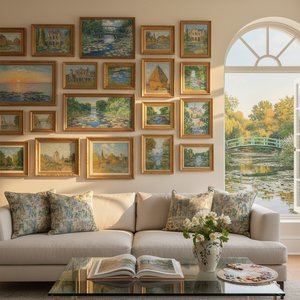
Claude Monet's Top 25 Meesterwerken: Kleur, Licht & Impressionisme | OriginalUniqueArt
Ontdek de 25 meest iconische werken van Claude Monet! Duik in de wereld van impressionisme, kleur en licht. Van Waterlelies tot Zonsopgang – bekijk de meesterwerken & vind perfecte kunst voor jouw interieur op OriginalUniqueArt.com.

Top 10 Bronzen Beeldhouwwerken die de Kunst Voorgoed Veranderden | OriginalUniqueArt
Ontdek de 10 meest legendarische bronzen beeldhouwwerken die kunstgeschiedenis schreven! Van Rodin tot Michelangelo, leer over hun meesterwerken & technieken. Vind museumkwaliteit reproducties en inspiratie voor uw interieur op OriginalUniqueArt.com.
