
 Voorvertoning
 Verstuur
 Delen
Delen
 Details bekijken

 Download
 Vergelijkbare items
 Röntgenonderzoek
 Diavoorstelling
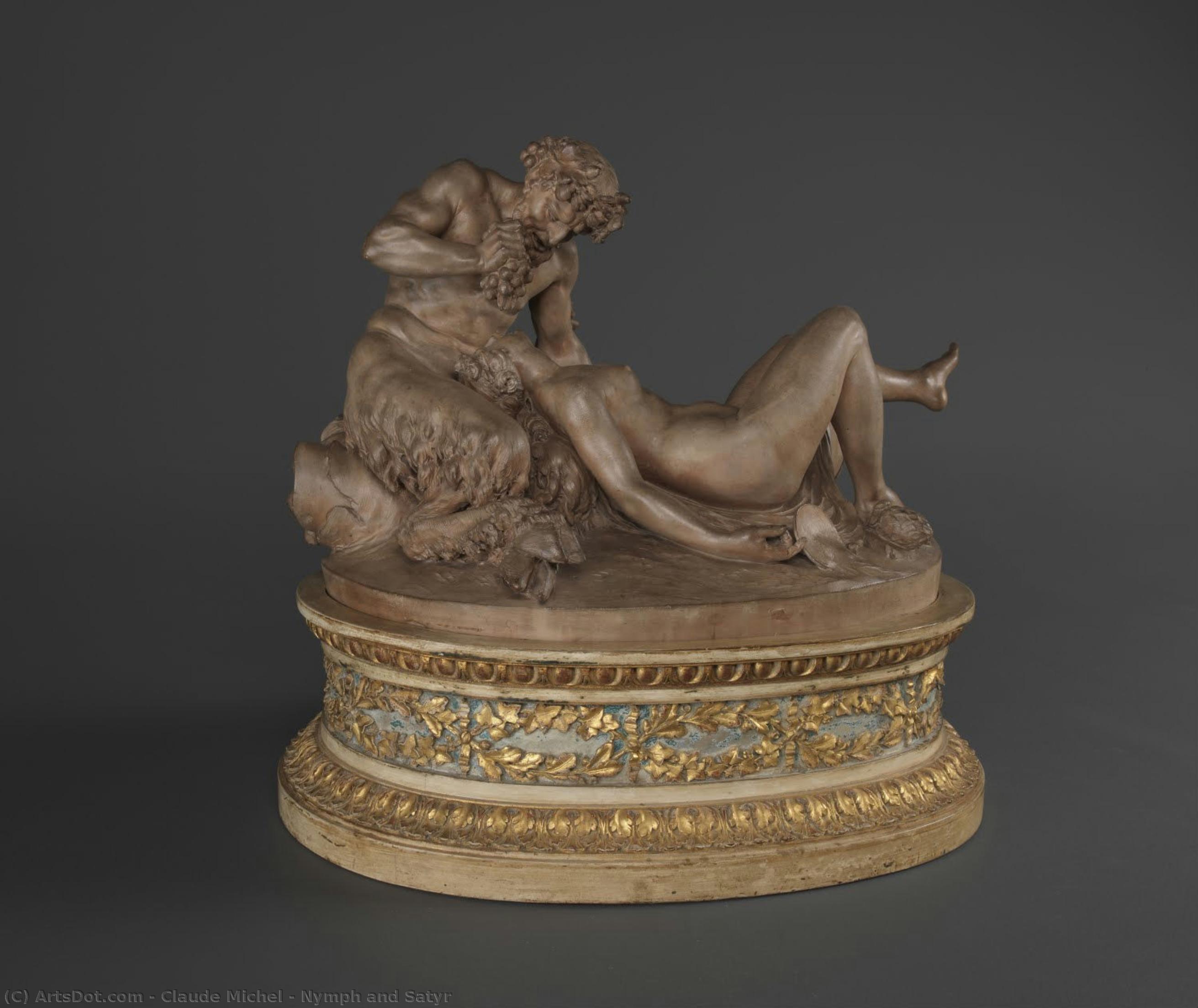
Nymph and Satyr


 Lees meer
Handgemaakte olieverfreproductie
Met de hand geschilderd in olieverf op canvas in uw gewenste maat en lijst, op bestelling gemaakt door onze kunstenaars. ( Bestel print Koop afbeelding)




































Kies uit onze vooraf ingestelde maten die overeenkomen met de originele verhoudingen van het kunstwerk.

U kunt uw eigen afmetingen invoeren om in een specifieke lijst of ruimte te passen. Als de door u gekozen maat niet overeenkomt met de verhoudingen van het originele beeld, zullen we het kunstwerk bijsnijden of het schilderij uitbreiden met extra handgeschilderde elementen. Een digitale mockup wordt ter goedkeuring naar u verzonden voordat de productie begint.
Houd er rekening mee dat de preview op het scherm niet de werkelijke uitsnede of uitbreiding weergeeft. Alleen de mockup toont de uiteindelijke compositie nauwkeurig.
Hoewel aangepaste afmetingen mogelijk zijn, raden we aan een maat uit de vooraf gedefinieerde lijst te selecteren om de originele verhoudingen te behouden.
Na de bestelling zal het team van OriginalUniqueArt.com per e-mail contact opnemen met de klant voor instructies en een mockup-voorbeeld sturen.
Wereldwijde levering () binnen 3 tot 4 weken in plaats van de standaard 5 weken. (20 augustus). Zonder concessies aan de kwaliteit.

Gratis wereldwijde expressverzending

Hoogwaardig linnen canvas

Volledige verzendverzekering

Garantie op terugbetaling van invoerrechten

Garantie op exacte kleurweergave

Retourbeleid van 60 dagen (alleen bij defecten)

100% Geld-terug-garantie

Korting bij meerdere afnames
 De optie voor glas is alleen beschikbaar bij een formaat kleiner dan 110 cm.

Nymph and Satyr
Druktechniek
Afmetingen reproductie
-


Eindtotaal
$ 300
Beschrijving kunstwerk
Biografie van de kunstenaar
Benjamin West: Bridging Worlds, Painting History
Born in Springfield, Pennsylvania, in 1738, Benjamin West’s life was a remarkable confluence of transatlantic experience and artistic ambition. His early years were steeped in the practicalities of his family's inn – the Square Tavern in Newtown Square – providing him with an unusual grounding in human interaction and observation, skills that would later inform his powerful portrayals of character and emotion. Unlike many artists of his time who received formal training, West was entirely self-taught, a testament to his innate talent and relentless dedication. This autodidactic approach, coupled with a keen eye for detail honed by observing the natural world, laid the foundation for a career that would ultimately transcend national boundaries and establish him as one of America’s first internationally recognized artists.
West's journey began with portraits in Philadelphia, quickly establishing a reputation for capturing likenesses with remarkable accuracy and sensitivity. However, his true ambition lay in history painting – a genre then considered the pinnacle of artistic achievement. Recognizing this desire, his parents secured him a scholarship to the College of Philadelphia, where he studied under William Smith, who recognized West’s exceptional talent and fostered his interest in classical antiquity. This early exposure to Roman sculpture and architecture proved crucial, shaping West's aesthetic sensibilities and fueling his determination to emulate the grand narratives of the past.
- Early Travels & Italian Studies (1760-1763): Driven by a thirst for knowledge and artistic refinement, West embarked on a transformative journey to Europe in 1760. He spent three years meticulously studying the works of masters like Titian, Raphael, and Michelangelo in Rome, absorbing their techniques and developing his own distinctive style. This period was marked by intense observation and imitation, laying the groundwork for his later innovations.
- London & Royal Patronage (1763-1805): West’s arrival in London in 1763 marked a pivotal moment in his career. He quickly established himself through portraiture, leveraging his American origins and charming personality to secure the patronage of influential figures, including the Archbishop of York. This led to his appointment as historical painter to King George III in 1772 – a position that cemented his status within the highest echelons of British society.
The Death of Wolfe: A Revolutionary Masterpiece
West’s most celebrated work, *The Death of General Wolfe* (1770), stands as a watershed moment in art history. This monumental canvas depicted the pivotal Battle of Quebec in 1759, presenting a strikingly unconventional approach to historical painting. Unlike traditional depictions that focused on heroic victories and idealized figures, West chose to portray the aftermath of the battle – the death of General Wolfe lying wounded upon his tent. The decision to depict a contemporary event in the style of a classical history painting was revolutionary, challenging established conventions and capturing the public’s imagination.
The painting's success can be attributed to several factors: West’s masterful use of light and shadow, his dramatic composition, and, crucially, his decision to portray Wolfe wearing modern military uniform rather than the classical robes typically associated with historical figures. This detail resonated deeply with viewers, making the scene feel immediate and relatable. *The Death of Wolfe* became an instant sensation, selling out within weeks of its exhibition at the Royal Academy and establishing West as a leading figure in the British art world.
A Legacy of Influence
Benjamin West’s impact extended far beyond his own artistic achievements. He played a crucial role in the founding of the Royal Academy of Arts, serving as its second president and shaping its policies and practices. His influence on subsequent generations of American artists was particularly profound; he mentored numerous students, including Charles Willson Peale, Gilbert Stuart, and John Trumbull, providing them with invaluable guidance and fostering a sense of artistic ambition.
West’s legacy is not solely defined by his individual works but also by the broader cultural context in which he operated. He bridged the gap between American and European art, introducing new ideas and techniques to the United States while simultaneously contributing to the development of Neoclassicism in Britain. His commitment to historical painting helped to elevate the genre’s status and establish it as a vehicle for exploring themes of patriotism, heroism, and national identity.
Later Years & Artistic Evolution
Despite his initial success with grand historical scenes, West's artistic style evolved significantly in his later years. He increasingly embraced religious subjects, producing works such as *Christ Healing the Sick* (1793), a monumental painting presented to the National Gallery in London. His final major work, *Death on the Pale Horse* (1817), exemplifies this shift towards dramatic and emotionally charged imagery, foreshadowing the Romantic movement that would soon sweep across Europe.
Benjamin West died in 1820, leaving behind a substantial body of work that reflects his remarkable journey from self-taught artist to international icon. His life story—a testament to ambition, perseverance, and artistic vision—continues to inspire artists and art enthusiasts alike, solidifying his place as one of the most important figures in American art history.

claude michel
1738 - 1814 , France
Belangrijkste feiten
- Artistic Movement Or Style: Neoclassical, History Painting
- Artists Or Movements Influenced By This Artist:
- Copley
- Romanticism
- Artists Who Influenced This Artist:
- Titian
- Raphael
- Mengs
- Date Of Birth: Oct 10, 1738
- Date Of Death: Mar 11, 1820
- Full Name: Benjamin West
- Nationality: American
- Notable Artworks:
- Death of Nelson
- Wolfe's Death
- Paris Treaty
- Place Of Birth: Springfield, PA


