
 Bekijk op ware grootte
 Verstuur
 Delen
Delen
 Details bekijken
 Gids voor studentenkunstwerken

 Download
 Vergelijkbare items
 Röntgenonderzoek
 Diavoorstelling
 Statistieken
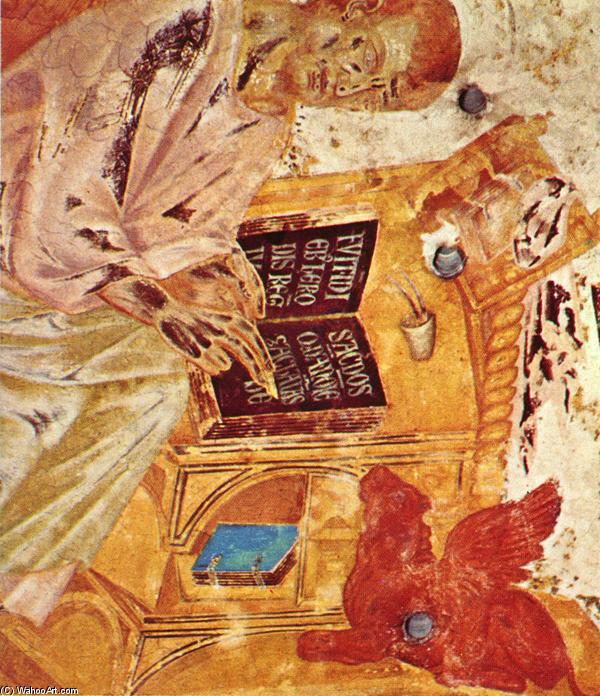
St Luke (detail)
 Acrylic On Canvas
- WallArt
- Proto-Renaissance
 1280
1280- Renaissance
 450.0 x 900.0 cm
 Lees meer
Giclée / Kunstafdrukken
Giclée- of canvasafdruk van museumkwaliteit met een snelle productie en flexibele afwerkingsmogelijkheden. ( Koop handgeschilderd kunstwerk Schakel over naar digitale afbeeldingen)




P118B €10

P118H €10

P118W €10

P438Z €10

P508JH €12

P508YH €12

P805H €10

P805Z €10

P919BZ €10

P919G €10

P919XJ €10

P959ZH €10

P968JZ €12

W106C €8

W218G €10

W218JH €8

W218Y €10

W307PJ €10

W316G €10

W316PJ €8

W316Y €10

W398PJ €8

W4111J €10

W500HY €15

W500JH €15

W692G €12

W849H €8

W940BG €15

W953PJ €8




Kies uit onze vooraf ingestelde maten die overeenkomen met de originele verhoudingen van het kunstwerk.

Voer de breedte en de hoogte in die u nodig heeft, passend bij uw lijst of uw muur. Een afdruk kan alleen worden ingekort, nooit groter worden gemaakt dan het origineel, waardoor een formaat met een andere verhouding een deel van de afbeelding verliest. Wij sturen u een digitaal mockup ter goedkeuring voordat we iets drukken. De afbeelding op deze pagina toont niet de werkelijke uitsnede — dit is alleen te zien op het mockup.
Wereldwijde levering () binnen 2 weken in plaats van de standaard 4/5 weken. (22 oktober)

Gratis wereldwijde expressverzending

Hoogwaardig linnen canvas

Volledige verzendverzekering

Garantie op terugbetaling van invoerrechten

Garantie op exacte kleurweergave

Retourbeleid van 100 dagen (alleen bij defecten)

100% Geld-terug-garantie

Korting bij meerdere afnames
 De optie voor glas is alleen beschikbaar bij een formaat kleiner dan 110 cm.

St Luke (detail)
Giclée / Kunstafdrukken
Formaat reproductie
-


Totaalprijs
€ 71
A Glimpse into a Changing World: Cimabue’s *St Luke (detail)*
This captivating detail from Cimabue's fresco of St. Luke offers a profound window into the pivotal moment when Italian art began to break free from the rigid conventions of the Byzantine tradition. Painted around 1280, this section – measuring an impressive 450 x 900 cm in its entirety – isn’t merely a religious depiction; it's a testament to artistic innovation and the dawn of a new era in painting.Subject & Narrative
The fragment focuses on St. Luke, traditionally considered the author of the Gospel of Luke and the Acts of the Apostles, and patron saint of artists. He is depicted as a scholar or cleric, deeply engrossed in his work. He holds open several books, likely representing the scriptures he penned, and extends a hand in what appears to be a gesture of teaching or revelation. The surrounding architectural elements suggest an interior setting – perhaps a study or scriptorium – conducive to learning and contemplation. While part of a larger narrative scene, this detail powerfully conveys Luke’s intellectual pursuit and devotion.Style & Technique: Bridging Byzantium and the Renaissance
Cimabue (born Cenni di Pepo), active in Florence and Pisa, was instrumental in transitioning from the Italo-Byzantine style to a more naturalistic approach. While still exhibiting hallmarks of Byzantine art – such as the use of gold leaf (not visible in this detail but present in the full fresco), flattened perspective, and hierarchical scale – this work demonstrates Cimabue’s burgeoning interest in realism. Notice the attempts at modeling forms through subtle shading, a departure from the flat, iconic representations prevalent in earlier Byzantine works. The technique employed is *fresco*, where pigments are applied to wet plaster, creating a durable and vibrant surface. This explains the textured appearance with visible brushstrokes and variations in paint application.Color & Composition
The color palette is dominated by warm earth tones – ochres, yellows, and reds – lending the scene an air of antiquity and solemnity. The composition is dense and layered, characteristic of fresco work, with figures overlapping and receding into a shallow depth of field. Linearity is key; defined lines structure the figures and architectural elements, contributing to the overall sense of order. Geometric shapes – rectangular books, arched doorways, rounded drapery – further reinforce this structured aesthetic.Symbolism & Historical Context
The open books are potent symbols of knowledge, scripture, and divine inspiration. St. Luke’s gesture signifies instruction or the transmission of sacred truth. Created during a period of significant social and religious change in Italy, Cimabue's work reflects a growing humanistic interest alongside continued devotion to Christian themes. He was a contemporary of Giotto, often considered his student, and both artists played crucial roles in laying the foundations for the Renaissance. Vasari’s “Lives of the Most Excellent Painters, Sculptors, and Architects” provides valuable (though sometimes debated) insights into Cimabue's life and career.Emotional Impact & Aesthetic Appeal
Despite its age, this detail from *St Luke* evokes a sense of quiet contemplation and reverence. The artist’s skillful use of line, color, and composition draws the viewer into the scene, inviting reflection on themes of faith, knowledge, and artistic creation. For collectors and interior designers, a high-quality reproduction of this work offers a timeless piece that blends historical significance with aesthetic beauty – a subtle yet powerful statement for any space. It’s a reminder of art's capacity to both reflect and shape our understanding of the world.Vragen & Antwoorden
Is er een factsheet over "St Luke (detail)" door Cimabue voor studenten?
Er is een Gids pagina beschikbaar voor "St Luke (detail)" door Cimabue: een printbaar informatieblad over het kunstwerk, ontworpen voor studenten en gebruik in de klas.
Waar kan ik een voorproefje van "St Luke (detail)" bekijken?
Op de Voorvertoning-pagina van "St Luke (detail)" kunt u het kunstwerk bekijken voordat u bestelt.
Wat zijn de verhoudingen van "St Luke (detail)" door Cimabue en wat zijn de afmetingen?
Het formaat van "St Luke (detail)" is Portrait en het origineel heeft de afmetingen 450 x 900 cm. Beide zijn nuttig bij het plannen van een reproductie.
Biografie van de kunstenaar
Giovanni Cimabue: De Pionier van de Italiaanse Schilderkunst
Giovanni Cimabue, geboren als Cenni di Pepo rond 1240 in Florence, staat als een monumentale figuur centraal – een brug tussen de gevestigde artistieke tradities van het Byzantijnse rijk en de opkomende innovaties die de Italiaanse Renaissance zouden definiëren. Zijn leven, hoewel gedeeltelijk verduisterd door de tijd en romantische beschrijvingen – vooral die van Giorgio Vasari eeuwen later – markeert een onmiskenbaar keerpunt in de westerse kunstgeschiedenis. Cimabue was niet alleen een schilder; hij was een moedige innovator die op subtiele wijze uitdagingen bracht aan artistieke conventies, de weg vrijmaakend voor de revolutionaire veranderingen die snel over Italië zouden woelen. Zelfs zijn bijnaam, vermoedelijk betekenis "olifantenkop," hint naar een sterke wil en wellicht een rebelse geest – kwaliteiten die duidelijk aanwezig waren in zijn bereidheid om met vorm en expressie te experimenteren. Hij vertegenwoordigt een cruciale moment waar kunst begon te verschuiven van puur devotionele beelden naar iets meer menselijk en emotioneel resonerend.Vroege Invloeden en Artistieke Ontwikkeling
In eerste instantie werd Cimabue ondergedompeld in de Italo-Byzantijnse stijl die doorlopend in Florence floreren, waarbij zijn vroege werk nauwkeurig aan gevestigde esthetische principes hield. Geplateerde figuren bekleed met glinsterend goud, symbolische representaties van ruimte en een diepe focus op religieuze iconografie kenmerkten deze stijl. Toch begon al vroeg een opkomende drang naar naturalisme te ontstaan. Hij was niet tevreden om bestaande vormen simpelweg te reproduceren; hij streefde ernaar zijn schilderijen met een groter gevoel van leven en emotionele diepgang in te prenten. De precieze aard van zijn vroege training blijft echter betwistbaar, maar het is waarschijnlijk dat hij zijn vaardigheden verfijnde binnen Florentijnse ateliers, de technieken en invloeden van die tijd op zich nam terwijl hij tegelijkertijd zijn eigen unieke artistieke stem ontwikkelde. De Byzantijnse stijl, gekenmerkt door haar formaliteit en spirituele focus, bood hem een solide basis, maar Cimabue begon subtiel te experimenteren met elementen die de komende Renaissance zouden voorspellen – meer aandacht voor volume, expressievere gezichtskenmerken en een beginnend begrip van ruimtelijke relaties. Dit was geen plotselinge afscheid van traditie, maar eerder een geleidelijke evolutie, een delicate balans tussen het eren van het verleden en het omarmen van nieuwe mogelijkheden.Belangrijke Werken en Artistieke Innovaties
Cimabue’s nalatenschap is verankerd in een reeks adembenemende werken die zijn evoluerende stijl laten zien. De *Maestà* (Louvre), oorspronkelijk gemaakt voor de kerk van San Francesco in Pisa, staat als een van zijn meest beroemde meesterwerken. Deze monumentale altarpal staan centraal en toont zijn beheersing van compositie en het gebruik van kleur, terwijl hij tegelijkertijd subtiel afwijkt van rigide Byzantijnse conventies. De figuren, hoewel nog steeds een zekere mate van formaliteit vertonen, tonen een nieuwe sensatie van volume en aanwezigheid. Het *Crucifixie* (San Domenico, Arezzo), daterend uit ongeveer 1270, is bijzonder significant als een vroege demonstratie van zijn afwijking van strikte Byzantijnse normen. Hier zijn de proporties realistischer en het emotionele gewicht van de scène is voelbaar – een schril contrast met de vaak-ver afstandelijke representaties die in eerdere religieuze kunst te vinden zijn. Verder bewijst Cimabue’s innovatieve geest zich in werken zoals de *Flagellation of Christ* (Frick Collection), die over het algemeen toegeschreven wordt aan zijn werkplaats. Deze complexe compositie toont een evoluerend begrip van perspectief en ruimtelijke relaties, wat wijst op een groeiende interesse in het creëren van meer meeslepende en geloofwaardige scènes. Zijn bijdragen waren niet beperkt tot panel schilderijen; Cimabue excelleerde ook als mozaïk kunstenaar, waarbij hij aanzienlijke bijdragen leverde aan de decoratie van de Baptistery in Florence – hoewel deze mozaïeken helaas zijn aangetast door veroudering.Een Cruciale Leraar: Giotto en verder
Misschien is Cimabue’s meest blijvende nalatenschap te vinden in zijn rol als leraar van Giotto di Bondone. Hoewel historische verslaggeving varieert over de exacte aard van hun relatie, wordt algemeen aanvaard dat Giotto cruciale training onder Cimabue’s begeleiding ontving. Ondanks dat historici vaak Giotto hebben overschaduwd in de opkomst van zijn beroemde pupil, hebben moderne kunsthistorici Cimabue’s eigen waarde erkend door de kwaliteit van zijn schilderijen en mozaïeken. Het was Cimabue die, na alles, de visie legde voor decoratieve christelijke kunst om verder te gaan dan iconen en een aardse, meer mensgerichte element aan devotionele altaren en fresco’s toe te voegen. Zijn bereidheid om met vorm, proportie en expressie te experimenteren heeft de weg geopend voor de innovaties van de Renaissance, waardoor hij als een cruciale overgangsfiguur in de geschiedenis van de westerse kunst wordt beschouwd.Historische Betekenis
Cimabue stierf in 1302 in Pisa, waarbij hij een oeuvre achterliet dat nog steeds fascineert en inspireert. Ondanks zijn significante bijdragen blijven details over zijn latere leven schaars. Echter, zijn artistieke nalatenschap resoneren krachtig door de werken van zijn studenten en de evolutie van Italiaanse kunst. Hij vertegenwoordigt een cruciale stap in de ontwikkeling van westerse schilderkunst, waarbij hij zich afkeerde van de gestileerde conventies van het Byzantijnse tijdperk en een meer menselijke en emotionele benadering omarmde. Zijn schilderijen zijn niet alleen historische artefacten; ze zijn ook vensters op een cruciale moment in de kunstgeschiedenis – een tijd waarin kunstenaars bereid waren om gevestigde normen te betwisten en nieuwe mogelijkheden te verkennen. Hij was een pionier, een visionair die het moedig vond om grenzen te verleggen en nieuwe horizonnen te verkennen.
Cimabue
1240 - 1302 , Italië
Snelle feiten
- Artistic Movement Or Style: Byzantijns & Renaissance
- Artists Or Movements Influenced By This Artist: ['Giotto di Bondone']
- Artists Who Influenced This Artist:
- Giunta Pisano
- Coppo di Marcovaldo
- Date Of Birth: c. 1240
- Date Of Death: 1302
- Full Name: Giovanni Cimabue
- Nationality: Italiaans
- Notable Artworks:
- Maestà
- Crucifixie
- Verschrikking Christi
- Place Of Birth: Florence, Italië
Gerelateerde artikelen

De Fresco als Familielegatie: Schilder Je Erfgoed op de Muren
Ontdek de fascinerende wereld van fresco schilderkunst! Leer over technieken, geschiedenis en restauratie. Expertise & hoogwaardige reproducties bij .

The Enduring Legacy of Fresco: Technique, History & Artistic Expression Across Cultures
Explore the rich history & enduring legacy of fresco painting! Discover ancient techniques, Giotto's masterpieces, and modern applications. Expert insights for art lovers & professionals.
Kunst die met je meeleeft: De emotionele kracht van een op maat gemaakte interieurfresco
Ontdek de emotionele kracht van een op maat gemaakt interieurfresco. Atelier Métamorphoze creëert unieke, duurzame kunstwerken voor uw woning of bedrijf. Laat u inspireren!

The Enduring Legacy of Fresco: Technique, History & Artistic Expression
Explore the rich history & enduring artistry of fresco painting. Discover techniques from Giotto to Michelangelo, conservation efforts, & modern applications. Learn how OriginalUniqueArt brings this timeless art form to your home.
The Enduring Legacy of Fresco Painting: Techniques, History & Contemporary Relevance
Explore the rich history & enduring artistry of fresco painting – from Giotto to Michelangelo! Discover techniques, conservation efforts, & modern applications. Learn how OriginalUniqueArt brings this timeless art form to your home.


