

 Bekijk op ware grootte
 Verstuur
 Delen
Delen
 Details bekijken
 Gids voor studentenkunstwerken

 Download
 Vergelijkbare items
 Röntgenonderzoek
 Diavoorstelling
 Statistieken
John Laurens
 Oil
Oil- WallArt
- Neoclassical Style
 1780
1780- Early Modern
 3.0 x 2.0 cm
 Nationaal Portretgalerij
 Lees meer
Handgemaakte olieverfreproductie
Met de hand geschilderd in olieverf op canvas in uw gewenste maat en lijst, op bestelling gemaakt door onze kunstenaars. ( Schakel over naar print Schakel over naar digitale afbeeldingen)




P118B €10

P118H €10

P118W €10

P438Z €10

P508JH €12

P508YH €12

P805H €10

P805Z €10

P919BZ €10

P919G €10

P919XJ €10

P959ZH €10

P968JZ €12

W106C €8

W218G €10

W218JH €8

W218Y €10

W307PJ €10

W316G €10

W316PJ €8

W316Y €10

W398PJ €8

W4111J €10

W500HY €15

W500JH €15

W692G €12

W849H €8

W940BG €15

W953PJ €8




Kies uit onze vooraf ingestelde maten die overeenkomen met de originele verhoudingen van het kunstwerk.

Voer de breedte en de hoogte in die u nodig heeft, passend bij uw lijst of uw muur. Dit is handgeschilderd, dus bij een afmeting met een andere vormverhouding kan de kunstenaar iets meer rondom het schilderij schilderen of juist iets meer weglaten — u kiest zelf. Wij sturen u een digitaal mockup ter goedkeuring voordat het schilderwerk begint. De afbeelding die op deze pagina wordt getoond, is niet het uiteindelijke resultaat — alleen de mockup geeft dit weer.
Na de bestelling zal het team van OriginalUniqueArt.com per e-mail contact opnemen met de klant voor instructies en een mockup-voorbeeld sturen.
Wereldwijde levering () binnen 3 tot 4 weken in plaats van de standaard 5 weken. (22 oktober). Zonder concessies aan de kwaliteit.

Gratis wereldwijde expressverzending

Hoogwaardig linnen canvas

Volledige verzendverzekering

Garantie op terugbetaling van invoerrechten

Garantie op exacte kleurweergave

Retourbeleid van 100 dagen (alleen bij defecten)

100% Geld-terug-garantie

Korting bij meerdere afnames
 De optie voor glas is alleen beschikbaar bij een formaat kleiner dan 110 cm.

John Laurens
Reproductiemethode
Formaat reproductie
-


Totaalprijs
€ 263
A Glimpse into Revolutionary Resolve
In the quiet intimacy of Charles Willson Peale’s 1780 miniature portrait, John Laurens emerges not merely as a historical figure, but as a living embodiment of the American Enlightenment. This delicate work captures more than just the likeness of a Continental Army officer; it distills the very essence of a burgeoning nation's spirit. Through Peale’s masterful hand, we encounter a young man whose gaze carries the weight of a revolution. The portrait serves as a profound window into a pivotal moment in history, where the idealism of the new republic met the harsh realities of war. For the discerning collector or lover of historical fine art, this piece offers an unparalleled connection to the intellectual and physical courage that defined the era.
Peale, a titan of American portraiture, employs the refined principles of Neoclassicism to bestow upon Laurens a sense of timeless dignity. The composition is characterized by its precise lines and balanced forms, creating an atmosphere of stability amidst the chaos of the Revolutionary War. The artist’s technique is remarkably meticulous, rendering facial features with such accuracy that one can almost discern the subtle flicker of determination beneath a composed exterior. A slight, enigmatic smile plays upon Laurens' lips—a hint of youthful confidence that is tempered by the solemnity of his duty under George Washington. This delicate balance between grace and gravity makes the portrait an emotionally resonant masterpiece.
Symbolism and the Palette of Patriotism
The visual language of the portrait is deeply intertwined with the values of the late 18th century. Peale utilizes a muted, sophisticated palette, dominated by serene blues and crisp whites. These tones do more than provide aesthetic harmony; they evoke a sense of nobility and tranquility, mirroring Laurens' reputation as a steadfast advocate for liberty. The choice of color contributes to a somber yet hopeful atmosphere, reflecting the dual nature of the American struggle—the heavy cost of conflict and the bright promise of freedom.
Adding a touch of brilliance to the composition is the gold chain draped around Laurens' neck. In the context of Enlightenment thought, such an adornment is far from mere decoration; it serves as a potent symbol of honor, virtue, and the high station of those dedicated to republican governance. This small, shimmering detail draws the eye, anchoring the viewer's attention to the sitter's character. For those looking to integrate art into a sophisticated interior, such symbolic depth provides endless layers of conversation and inspiration, making this reproduction a centerpiece of intellectual elegance.
An Enduring Legacy for the Modern Collector
Beyond its technical brilliance, the portrait of John Laurens carries an immense historical weight. As a brilliant orator and diplomat, Laurens was instrumental in shaping the early years of the United States. To possess a reproduction of this work is to hold a piece of the American narrative—a tribute to the bravery of those who fought not just with swords, but with ideas. The portrait transcends its small scale, projecting a commanding presence that can transform any gallery or curated living space.
Whether you are an interior designer seeking to evoke a sense of classical heritage or a collector drawn to the poignant beauty of historical portraiture, this work offers a profound aesthetic experience. It is a harmonious blend of physical beauty and intellectual conviction, captured with a precision that ensures Laurens' image remains as vivid today as it was in 1780. Bringing this piece into your collection means celebrating the enduring power of courage, duty, and the unyielding pursuit of freedom.
Vragen & Antwoorden
In welke ruimte wordt het tonen van "John Laurens" aanbevolen, gezien het kleurenpalet?
De Neutrals kleuren van "John Laurens" door Charles Willson Peale passen perfect bij de aanbevolen ruimte: een Living Room.
Welke techniek is gebruikt voor "John Laurens" en wanneer is het gemaakt?
"John Laurens" werd gemaakt in 1780, in Oil.
Waarvoor wordt een reproductie van "John Laurens" door Charles Willson Peale aanbevolen?
Het aanbevolen gebruik van een afdruk van "John Laurens" is Accent.
Biografie van de kunstenaar
Charles Willson Peale: Een Leven Vol Kunst, Wetenschap en Patriotisme
Charles Willson Peale (1741-1827) was een Amerikaanse kunstenaar, militaire officier, natuurkundige en natuurbotanist die een bijzondere plaats heeft verdiend in de geschiedenis van Amerikaanse kunst en wetenschap. Zijn leven werd gekenmerkt door zowel persoonlijke strijd als uitzonderlijke creativiteit en wetenschappelijke onderneming, waardoor hij een complexe en fascinerende figuur bleef voor zijn tijdgenoten en daarna.Vroege Levensloop en Artistieke Opleiding
Peale’s jeugd begon onder moeilijke omstandigheden na het overlijden van zijn vader. Hij leerde saddlerij bij, maar ontdekte al snel een passie voor kunst. Zijn eerste opleiding vond plaats bij John Hesselius en hij studeerde kort bij John Singleton Copley, waarbij hij vroeg tekenkundige talenten demonstreerde. Een cruciale periode in zijn ontwikkeling was zijn tijd onder Benjamin West in Londen (1767-1770). Deze blootstelling aan Europese kunststromingen oefende een belangrijke invloed uit op zijn stijl en gaf hem kennis van de klassieke principes die essentieel zouden blijken voor zijn latere werk.Artistieke Carrière en Belangrijke Werken
Peale’s grootste verdienste lag in zijn portrettenkunst, waarin hij een unieke combinatie van technische bekwaamheid en artistieke gevoeligheid wist te combineren. Hij staat vooral bekend om zijn afbeeldingen van George Washington, waarvan hij bijna zestig maakte – een ongeëvenaarde hoeveelheid voor die tijd. Deze werken bieden niet alleen prachtige kunstwerken maar dienen ook als belangrijke historische documenten die het leven en de persoonlijkheid van een van de meest dominante figuren uit de Amerikaanse Revolutie vastleggen. Zijn stijl evolueerde voortdurend, beginnend met de invloed van West’s neoclassieke benadering en vervolgens door het integreren van elementen van realisme en een obsessieve aandacht voor nauwkeurige weergave van het menselijk gezicht. Een bijzonder indrukwekkende creatie was ‘De Trappenhuisgroep’ (c. 1795), een briljante toepassing van trompe l'oeil waarbij hij zijn zonen Raphael en Titian bijna als onderdeel van de architectuur presenteerde – een technisch hoog niveau dat voor die tijd ongeëvenaard was.Wetenschappelijke Onderzoek en Het Amerikaanse Museum
Maar Peale’s bijdrage aan kunst ging verder dan alleen prachtige portretten. Hij was een gepassioneerd natuurkundige en wetenschapper die uitgebreide expedities organiseerde om het natuurlijke wereldbeeld te verkennen en nieuwe soorten te identificeren. Zijn grootste trots was het oprichten van Peale's Amerikaanse Museum in Philadelphia (1784), een pionierswerk dat een belangrijke stap voorwaarts betekende bij de ontwikkeling van wetenschappelijke instituten in Amerika. Het museum huisvestte een uitgebreide verzameling botanische, biologische en archeologische artefacten en speelde een essentiële rol bij het verspreiden van wetenschappelijke kennis en het stimuleren van het publieke belangstelling voor natuurkunde en biologie. Een bijzonder bekende collectie waren de skeletten van mastodonten die hij tijdens een expeditie in 1801 had verkregen – een prachtige illustratie van zijn wetenschappelijke enthousiasme en zijn vermogen om historische artefacten te combineren met kunstzinnige presentaties.Erfenis en Historische Betekenis
Charles Willson Peale’s werk wordt beschouwd als een symbool van de Verlichting, waarin kunst en wetenschap elkaar aanvulden en nieuwe perspectieven op de wereld aanboden. Zijn portretten bieden een unieke kijk op het leven en de persoonlijkheid van belangrijke figuren uit de Amerikaanse geschiedenis en zijn bijdrage aan het oprichten van het Amerikaanse Museum heeft een blijvende impact gehad op het wetenschappelijk onderzoek en het kunstzinnige bewustzijn van Amerikaans publiek. Zijn nalatenschap leeft voort in zijn zoon James Peale, die ook een bekroonde kunstenaar werd en een belangrijke rol speelde bij het verder ontwikkelen van het museum’s collectie en het promoten van wetenschappelijke kennis voor toekomstige generaties. Hij staat daarmee symbool voor de geest van een tijd waarin kunstenaars en wetenschappers samenwerkte om nieuwe grenzen aan kennis en creativiteit te verkennen.
Charles Willson Peale
1741 - 1827 , Verenigd Koninkrijk
Snelle feiten
- Artistic Movement Or Style: Neoclassicisme schilderkunst
- Artists Who Influenced This Artist:
- John Hesselius
- John Singleton Copley
- Benjamin West
- Date Of Birth: 15 april 1741
- Date Of Death: 22 februari 1827
- Full Name: Charles Willson Peale
- Nationality: Amerikaans
- Notable Artworks:
- Staircase Group
- George Washington portretten
- Place Of Birth: Chester, Verenigd Koninkrijk
Gerelateerde artikelen

John Singer Sargent's Top 25 Meesterwerken: Portretten & Schilderijen voor uw Interieur | OriginalUniqueArt
Ontdek de 25 mooiste meesterwerken van John Singer Sargent! Van elegante portretten tot impressionistische schilderijen – leer over zijn leven, techniek & impact. Museumkwaliteit reproducties voor uw interieur op OriginalUniqueArt.com.

Grant Wood & American Regionalism: Identity, Myth & the Rural Landscape
Explore the world of Grant Wood & American Regionalism with OriginalUniqueArt. Discover the symbolism behind 'American Gothic', recurring themes, and the movement's lasting impact on art history. High-quality reproductions available.

John Constable's Top 25 Meesterwerken: Landschappen die de Ziel Raaken | OriginalUniqueArt
Ontdek de 25 mooiste schilderijen van John Constable, meester van de Engelse Romantiek. Van idyllische landschappen tot iconische Hay Wain – bewonder zijn techniek en emotie. Museumkwaliteit reproducties & decoratie op OriginalUniqueArt.com.
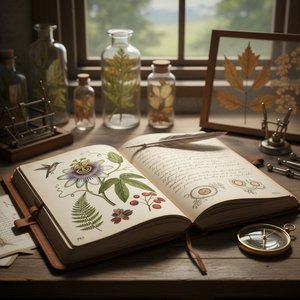
Titian Ramsay Peale II: A Legacy of Botanical Precision & Artistic Innovation
Explore the life & art of Titian Ramsay Peale II, a master of botanical precision and wildlife painting. Discover his legacy bridging art & natural history at OriginalUniqueArt.

Charles Willson Peale: Portraiture, Enlightenment Ideals & Shaping American Identity
Explore the life & art of Charles Willson Peale – Revolutionary portraitist, scientist, and founder of America’s first museum. Discover his iconic paintings of Washington & the Enlightenment ideals that shaped a nation.

