

 Voorvertoning
 Verstuur
 Delen
Delen
 Details bekijken

 Download
 Vergelijkbare items
 Röntgenonderzoek
 Diavoorstelling
 Stats
StatsLE TRIOMPHE DE BACCHUS


 Lees meer
Giclée / Kunstafdrukken
Giclée- of canvasafdruk van museumkwaliteit met een snelle productie en flexibele afwerkingsmogelijkheden. ( Bestel handgeschilderde reproductie Switch to Digital Image)




P118B $10

P118H $10

P118W $10

P438Z $10

P508JH $12

P508YH $12

P805H $10

P805Z $10

P919BZ $10

P919G $10

P919XJ $10

P959ZH $10

P968JZ $12

W106C $8

W218G $10

W218JH $8

W218Y $10

W307PJ $10

W316G $10

W316PJ $8

W316Y $10

W398PJ $8

W4111J $10

W500HY $15

W500JH $15

W692G $12

W849H $8

W940BG $15

W953PJ $8




Kies uit onze vooraf ingestelde maten die overeenkomen met de originele verhoudingen van het kunstwerk.

U kunt uw eigen afmetingen opgeven om in een specifieke lijst of ruimte te passen. Als de door u gekozen maat niet overeenkomt met de proporties van het originele kunstwerk, zullen wij de afbeelding bijsnijden of uitbreiden met een gespiegelde of effen rand. Een digitaal mockup wordt ter goedkeuring naar u verzonden voordat de productie begint.
Houd er rekening mee dat de preview op het scherm de werkelijke bijsneding of uitbreiding niet weergeeft. Alleen de mockup toont de uiteindelijke compositie nauwkeurig.
Hoewel aangepaste maten beschikbaar zijn, raden wij aan een afmeting uit de vooraf bepaalde lijst te kiezen om de originele proporties te behouden.
Wereldwijde levering () binnen 2 weken in plaats van de standaard 4/5 weken. (8 september)

Gratis wereldwijde expressverzending

Hoogwaardig linnen canvas

Volledige verzendverzekering

Garantie op terugbetaling van invoerrechten

Garantie op exacte kleurweergave

Retourbeleid van 100 dagen (alleen bij defecten)

100% Geld-terug-garantie

Korting bij meerdere afnames
 De optie voor glas is alleen beschikbaar bij een formaat kleiner dan 110 cm.

LE TRIOMPHE DE BACCHUS
Giclée / Kunstafdrukken
Afmetingen reproductie
-


Eindtotaal
$ 81
LE TRIOMPHE DE BACCHUS — Charles-Joseph Natoire - An Ode to Excess
Charles-Joseph Natoire’s “Le Triomphe de Bacchus” stands as an emblem of Rococo artistry—a dazzling testament to Louis XV’s opulent court and a profound exploration of hedonistic pleasure. Painted in 1736, this monumental canvas transcends mere depiction; it embodies the spirit of its time, inviting viewers into a sensory experience that captures the intoxicating allure of Dionysian celebration. Measuring approximately 215 x 151 centimeters, the artwork resides in a private collection and offers an unparalleled glimpse into Natoire’s masterful command of color, composition, and illusionistic technique.A Symphony of Color and Form: Composition and Style
The painting's grandeur begins with its asymmetrical arrangement—a hallmark of Rococo style—which immediately establishes a dynamic visual rhythm. At the apex sits Bacchus himself, seated upon an elaborately sculpted chariot pulled by two panthers, symbolizing primal instinct and untamed power. Surrounding him is a throng of nude figures engaged in exuberant activity: musicians strumming instruments, dancers swirling amidst garlands of flowers, and animals—a goat representing fertility—adding to the festive atmosphere. The artist skillfully employs a pyramidal structure to draw the eye upwards, reinforcing the sense of ascension and grandeur. Lines are predominantly curvilinear, flowing seamlessly across the canvas, mirroring the undulating drapery and creating an overall impression of graceful movement. Soft pastel hues dominate the palette – reds, oranges, yellows—contrasted by cooler greens and blues—reflecting the idealized beauty and tranquility characteristic of Rococo aesthetics.Technique: Illusionistic Brilliance and Layered Detail
Natoire’s technique is characterized by meticulous layering of thin glazes of oil paint, resulting in a luminous surface that captures light with remarkable subtlety. Brushstrokes are deliberately blended to minimize visible texture, prioritizing smoothness and luminosity—a deliberate departure from the heavier textures favored by Baroque painters. The artist employs chiaroscuro – dramatic contrasts between light and dark – to sculpt form and heighten visual impact, emphasizing key figures and areas of interest. Detailed observation informs every element of the composition; the musculature of Bacchus’s torso is rendered with anatomical precision, while drapery folds are meticulously crafted to convey a sense of voluminousness and movement. The artist's dedication to capturing atmospheric perspective—the gradual softening of colors and diminishing detail as distance increases—further enhances the painting’s immersive quality.Mythological Resonance: Symbolism and Emotional Impact
“Le Triomphe de Bacchus” delves into the rich symbolism inherent in classical mythology, portraying Bacchus as a triumphant deity presiding over a celebration of wine, fertility, and sensual indulgence. The garlands of flowers adorning the figures represent abundance and beauty—symbols deeply rooted in Dionysiac rituals. The panthers pulling Bacchus’s chariot embody untamed passion and primal instinct, reflecting the unrestrained exuberance of the Rococo era. More profoundly, the painting evokes feelings of joy, ecstasy, and liberation—a desire to escape societal constraints and embrace the pleasures of life. It speaks to a yearning for beauty, sensuality, and artistic splendor—themes that continue to resonate with audiences today.Historical Context: The Reign of Louis XV and Artistic Patronage
Painted during Louis XV’s reign (1723-1774), “Le Triomphe de Bacchus” exemplifies the artistic fervor of the French court. Louis XV actively championed artists like Natoire, fostering a climate of creativity and innovation that propelled Rococo art to its zenith. The painting reflects the aristocratic tastes of the period—a fascination with elaborate ornamentation, playful subject matter, and idealized beauty—and stands as a testament to the enduring legacy of artistic patronage. Its presence in a private collection underscores its significance as an exemplar of Baroque-infused Rococo style and confirms its place within art history’s canon.Biografie van de kunstenaar
De Elegantie van de Rococo: Het Leven en de Nalatenschap van Charles-Joseph Natoire
Charles-Joseph Natoire (1700–1777) staat als een spilfiguur in het artistieke landschap van de late Barok en de vroege Rococo in Frankrijk, waarbij hij de verfijnde gevoeligheden van zijn tijd belichaamde. Geboren in Nîmes, Provence, bezat hij een aangeboren talent dat werd gekoesterd door de sculpturale training van zijn vader—een vormende invloed die hem een nauwgezette aandacht voor detail en een diep begrip van vorm bijbracht. Deze basis werd verder gepolijst door de instructie van François Lemoyne, misschien wel de vooraanstaande schilder van het hof van Lodewijk XV. Deze dubbele begeleiding bevestigde Natoire’s stilistische koers naar de weelderige esthetiek die de Rococo predikte, gekenmerkt door asymmetrische composities, delicate pastelkleuren en een obsessie met illusionistische effecten, ontworpen om de blik van de toeschouwer te betoveren.
Natoire’s vormende jaren werden gekenmerkt door een toewijding aan het beheersen van tekentechnieken—een hoeksteen van de artistieke opleiding in zijn tijd—onder de begeleiding van Lemoyne aan de Académie royale de peinture et de sculpture in Parijs. Deze strenge discipline bracht bij hem een onwankelbaar commitment tot nauwkeurigheid en observatie voort, vaardigheden die onschatbaar zouden blijken tijdens zijn vruchtbare carrière. Naast de formele instructie zorgde Natoire’s blootstelling aan humanistische wetenschappen voor een diepe waardering voor klassieke idealen, wat zijn artistieke visie vormgaf en bijdroeg aan zijn meesterlijke weergave van mythologische onderwerpen—een genre dat bijzonder geliefd was binnen de Rococo-beweging.
Meesterschap van Mythe en Tapijt
Natoire verwierf tijdens zijn leven aanzienlijke roem dankzij opdrachten van invloedrijke opdrachtgevers en instellingen. Zijn meest gevierde prestatie blijft de serie schilderijen die Psyche uitbeelden voor de ovale salon van Germain Boffrand in het Hôtel de Soubise in Parijs—een monumentale onderneming die Natoire's ongeëvenaarde vermogen toonde om klassieke grandeur te synthetiseren met Rococo-dynamiek. In deze werken vervagen de grenzen tussen realiteit en mythe, terwijl licht en kleur over het canvas dansen om een droomachtige atmosfeer van etherische schoonheid te creëren.
Buiten de grenzen van olieverf op canvas liet Natoire een onuitwisbare indruk achter op de toegepaste kunst door zijn buitengewone bijdragen aan het tapijtontwerp. Zijn vermogen om complexe verhalen te vertalen naar ingewikkelde textielpatronen zorgde ervoor dat zijn visie doordrong in de kern van het Franse aristocratische leven. Opmerkelijke prestaties in dit medium omvatten:
- De Don Quichot-serie: Een meesterlijke vertaling van literair drama naar geweven pracht, die zijn narratieve kracht demonstreende.
- Allegorische composities: Werken zoals Allegorie tonen zijn vaardigheid in het gebruik van klassieke figuren om diepe symbolische thema's over te brengen via delicate texturen en complexe details.
- La Peinture: Een prachtige afbeelding van cherubijnse kunstenaars die de invloed van de Franse Academie weerspiegelt, waarbij onschuld wordt vermengd met technische verfijning.
Historisch Belang en de Romeinse Nalatenschap
De loopbaan van Natoire beperkte zich niet enkel tot de salons van Parijs; zijn invloed strekte zich uit over heel Europa door zijn prestigieuze aanstelling als directeur van de Franse Academie in Rome. Deze rol stelde hem in staat om de kloof te overbruggen tussen het klassieke erfgoed van Italië en de opkomende Rococo-geest van Frankrijk, waardoor de principes van de klassieke oudheid de hedendaagse Franse kunst bleven voeden. Zijn tijd in Rome verstevigde zijn reputatie als een geleerde-schilder, in staat om het gewicht van de geschiedenis te interpreteren door een lens van moderne elegantie.
Naarmate de 18e eeuw vorderde, diende het werk van Natoire als een brug tussen de zware, dramatische schaduwen van de Barok en de lichte, luchtige zwier van de Rococo. Zijn nalatenschap is terug te vinden in de manier waarop hij zachte paletten en vloeiende lijnen gebruikte om emotie op te roepen, waarmee hij een oeuvre achterliet dat getuigt van de gratie en verfijning van de Franse Verlichting. Door zijn schilderijen, tapijten en leiderschap verzekerde Charles-Joseph Natoire ervoor dat de delicate schoonheid van het Rococo-tijdperk permanent in de annalen van de kunstgeschiedenis gegraveerd zou blijven.

Charles-Joseph Natoire
1700 - 1777 , Frankrijk
Belangrijkste feiten
- Artistic Movement Or Style: Rococo
- Artists Or Movements Influenced By This Artist: ['Barok']
- Artists Who Influenced This Artist: ['François Lemoyne']
- Date Of Birth: 1700
- Full Name: Charles-Joseph Natoire
- Nationality: Frans
- Notable Artworks:
- Italiaanse Herfstlandschap met Monte Porzio
- Offergave aan Pan
- Place Of Birth: Nîmes, Frankrijk
Gerelateerde artikelen
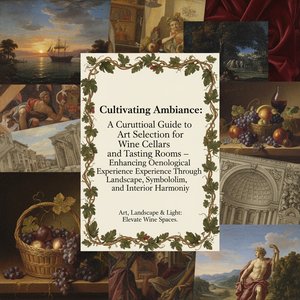
Cultiveren van Sfeer: Een Curatoriële Gids voor Kunstselectie in Wijnkelders en Proeflokalen – Het Verrijken van de Oenologische Ervaring door Landschap, Symboliek en Interieurharmonie
Creëer een onvergetelijke wijnervaring met doordachte kunstselectie! Ontdek hoe u terroir, traditie en sfeer versterkt in uw wijnkelder of proeflokaal. Expert advies & inspiratie.

Top 10 Rococo Meesterwerken: Kunstgeschiedenis voor uw Interieur | OriginalUniqueArt.com
Ontdek de 10 meest iconische Rococo meesterwerken! Duik in de wereld van Fragonard, Boucher & Watteau. Leer over lieflijkheid, pastelkleuren en aristocratie. Museumkwaliteit kunst reproducties op OriginalUniqueArt.com.

The Allure of Elegance in Art: A Historical & Aesthetic Exploration of Refinement & Grace
Explore the exquisite world of Rococo art! Discover its history, masters (Watteau, Boucher & more), and defining elegance. Expert insights for collectors seeking museum-quality reproductions & custom portraits.

The Rococo Aesthetic: Opulence, Rebellion & the Pursuit of Pleasure in 18th-Century Art
Explore the opulent world of Rococo art! Discover its origins, key artists like Watteau & Boucher, and lasting influence on design. Expert insights for collectors & enthusiasts.

Charles-André van Loo: A Study in Rococo Portraiture & the French Court's Artistic Dynamics
Explore the elegant world of Charles-André van Loo, a master of Rococo portraiture at the French court. Discover his life, techniques, and enduring influence on 18th-century art. Hand-painted reproductions available.
