Voorvertoning
 Verstuur
 Delen
Delen
 Details bekijken
 Gids
Gids

 Download
 Vergelijkbare items
 Röntgenonderzoek
 Diavoorstelling
 Vraag & antwoord
 Statistieken
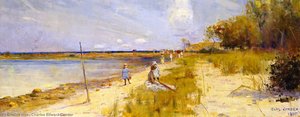
The Moulin Rouge


 Lees meer
Giclée / Kunstafdrukken
Giclée- of canvasafdruk van museumkwaliteit met een snelle productie en flexibele afwerkingsmogelijkheden. ( Bestel handgeschilderde reproductie Schakel over naar digitale afbeeldingen)




P118B €10

P118H €10

P118W €10

P438Z €10

P508JH €12

P508YH €12

P805H €10

P805Z €10

P919BZ €10

P919G €10

P919XJ €10

P959ZH €10

P968JZ €12

W106C €8

W218G €10

W218JH €8

W218Y €10

W307PJ €10

W316G €10

W316PJ €8

W316Y €10

W398PJ €8

W4111J €10

W500HY €15

W500JH €15

W692G €12

W849H €8

W940BG €15

W953PJ €8




Kies uit onze vooraf ingestelde maten die overeenkomen met de originele verhoudingen van het kunstwerk.

Voer de gewenste breedte en hoogte in, passend bij uw lijst of muur. Een afdruk kan alleen worden ingekort en nooit groter worden gemaakt dan het origineel; een formaat met andere verhoudingen zal daarom een deel van de afbeelding verliezen. Wij sturen u een digitaal mockup ter goedkeuring voordat we tot drukwerk overgaan. De afbeelding op deze pagina toont niet de werkelijke uitsnede — dit is alleen te zien op het mockup.
Wereldwijde levering () binnen 2 weken in plaats van de standaard 4/5 weken. (9 november)

Gratis wereldwijde expressverzending

Hoogwaardig linnen canvas

Volledige verzendverzekering

Garantie op terugbetaling van invoerrechten

Garantie op exacte kleurweergave

Retourbeleid van 100 dagen (alleen bij defecten)

100% Geld-terug-garantie

Korting bij meerdere afnames
 De optie voor glas is alleen beschikbaar bij een formaat kleiner dan 110 cm.

The Moulin Rouge
Giclée / Kunstafdrukken
Afmetingen reproductie
-


Eindtotaal
€ 72
A Nighttime Waltz in Pigalle
In the heart of late Victorian Paris, amidst the bohemian pulse of the Pigalle district, Charles Edward Conder captured a fleeting moment of pure, unadulterated joy. The Moulin Rouge is not merely a painting of a cabaret; it is an immersive descent into the vibrant energy of the Belle Époque. Through his masterful lens, the canvas breathes with the spirit of a society indulging in its most exuberant pleasures. The scene unfolds within the legendary ballroom, where the air seems thick with the scent of perfume and the sound of distant music. Conder avoids the sterile precision of photographic realism, choosing instead to distill the very essence of the night—the movement of dancers, the shimmer of light, and the collective heartbeat of a crowd caught in a whirlwind of celebration.
The composition is a dynamic tapestry of human interaction, where figures are densely packed to create a palpable sense of motion. At the center of this swirling universe, a single dancer commands the viewer's attention, illuminated by the warm, golden glow emanating from overhead chandeliers. This central figure serves as an anchor amidst the surrounding chaos, her form emphasized by thick, textured layers of paint that suggest the rustle of silk and the grace of a spinning skirt. As the eye wanders through the crowd, glimpses of faces and scattered confetti emerge like fragments of a dream, contributing to a sense of spontaneous, lived experience.
The Impressionistic Symphony of Light and Color
Technically, The Moulin Rouge stands as a triumph of the Impressionist movement. Conder employs loose, expressive brushstrokes that prioritize the sensory experience over rigid outlines. There is a deliberate, visible quality to his application of paint, particularly through the use of impasto, which lends a tactile richness to the highlights. This technique allows light to dance across the surface of the canvas, mimicking the flickering effect of candlelight and gaslight within a crowded hall. The artist skillfully blends deep, shadowy tones in the background with brilliant, luminous strokes in the foreground, creating a profound sense of depth and atmosphere.
The color palette is a sophisticated interplay of warmth and shadow. While darker hues suggest the mysterious corners of the cabaret, the sudden bursts of light create pools of brilliance that guide the viewer's emotional journey. This mastery of light does more than just define shape; it evokes the ephemeral nature of beauty and the fleetingness of a single night. For the collector or interior designer, this piece offers more than decoration; it provides a window into a lost era of glamour. It is an evocative work that brings a sense of historical romance and sophisticated energy to any space, inviting onlookers to lose themselves in the timeless magic of the Parisian night.
Veelgestelde vragen
Hoe kan ik kunstwerken ontdekken die lijken op "The Moulin Rouge" door Charles Edward Conder?
Op de pagina Vergelijkbare werken van "The Moulin Rouge" door Charles Edward Conder vindt u gerelateerde kunstwerken.
Bij welke kunststroming behoort "The Moulin Rouge" door Charles Edward Conder?
De kunststroming die verbonden is aan "The Moulin Rouge" door Charles Edward Conder is Impressionism. Deze classificatie plaatst het werk binnen een context van verwante kunstenaars en kunstwerken.
Waar wordt het Landscape-formaat van "The Moulin Rouge" aanbevolen te tonen?
Met zijn Landscape-formaat is een reproductie van "The Moulin Rouge" een prachtige aanvulling op een Living Room.
Biografie kunstenaar
early life and artistic journey
Charles Edward Conder (Tottenham, 24 oktober 1868 – Virginia Water, 9 februari 1909) was een Engels kunstschilder, lithograaf en ontwerper, die lange tijd werkzaam was in Australië. Zijn werk wordt geassocieerd met het impressionisme.
Conder was de zoon van een ingenieur en groeide deels op in India. Zijn vader was sterk gekant tegen zijn artistieke ambities en wilde dat hij eveneens ingenieur zou worden. In 1884, op zeventienjarige leeftijd, werd hij naar een oom in New South Wales, Australië, gestuurd waar hij werkzaam werd voor de nieuwe staat regering en begon zich te bewegen in artistieke kringen.
Hij leerde tekenen bij Alfred James Daplyn en ontwikkelde een bijzondere interesse voor het landschap. Zijn stijl werd sterk beïnvloed door James McNeill Whistler, met name in zijn gerichtheid op elegantie.
artistic career in australia
In 1886 verhuisde hij naar Melbourne waar hij samenwerkte met andere Australische kunstenaars zoals Arthur Streeton en Tom Roberts, die hij eerder in Sydney had leren kennen. Kort van kas werd Conder aangetrokken door G. P. Nerli, een Italiaanse kunstenaar die onderweg was en de nieuwe Europese invloeden bracht.
Hij richtte samen met Streeton en Roberts ook de Heidelberg School op, een kunstenaarskolonie die sterk geïnspireerd werd door het impressionisme, met veel nadruk op het zonlicht. Zijn werk werd geprezen door Pissarro en Degas.
departure of the orient – circular quay (1888)
Conder's meest bekende werk is *Departure of the Orient – Circular Quay* (1888), een prachtige afbeelding van de haven van Sydney Cove op het moment dat de *has cast off for her voyage to England*. Het schilderij werd gekocht door de Art Gallery of New South Wales en markeerde het hoogtepunt van zijn nieuwe beheersing van vorm en kleur.
influence and legacy
Hij bleef actief tot aan zijn dood in 1909, maar zijn productie nam af vanwege een tanende gezondheid, veroorzaakt door syfilis. Ondanks deze problemen liet hij een belangrijke nalatenschap achter als een van de belangrijkste vertegenwoordigers van het Heidelberg School en een pionier binnen de ontwikkeling van een Australische kunsttraditie.

Charles Edward Conder
1868 - 1909 , Verenigd Koninkrijk
Belangrijkste feiten
- Artistic Movement Or Style: Heidelberg School
- Artists Who Influenced This Artist:
- Alfred Daplyn
- Victor Mann
- Julian Ashton
- Date Of Birth: October 24, 1868
- Date Of Death: February 9, 1909
- Full Name: Charles Edward Conder
- Nationality: British
- Notable Artworks:
- Departure of the Orient – Circular Quay
- A holiday at Mentone
- Under The Southern Sun
- Place Of Birth: Tottenham, United Kingdom
Gerelateerde artikelen

Pierre-Auguste Renoir's 25 Meesterwerken: Kleur, Licht & Impressionistische Pracht | OriginalUniqueArt
Ontdek de 25 mooiste schilderijen van Pierre-Auguste Renoir! Duik in de wereld van het Impressionisme, kleur en licht. Van 'Bal du moulin' tot intieme portretten – bekijk de meesterwerken & vind jouw perfecte reproductie op OriginalUniqueArt.com.

Top 10 Impressionistische Landschappen: Meesterwerken voor uw Interieur
Ontdek de 10 meest iconische impressionistische landschappen! Leer over Monet, Renoir & andere meesters. Prachtige schilderijen voor uw interieur. Museumkwaliteit reproducties op OriginalUniqueArt.com.

Capturing Light: A Masterclass in the Ethereal Beauty of Impressionistic Landscapes
Explore the ethereal beauty of Impressionist landscapes. Discover how masters like Monet captured fleeting light through color and texture, and learn to curate these timeless, luminous masterpieces for your home collection.

Impressionistic Realism's Finest: 10 Masterpieces for Your Home | OriginalUniqueArt
Journey through Impressionistic Realism with 10 iconic masterpieces by Monet, Renoir & Van Gogh. Explore art history, techniques & find museum-quality reproductions for your home at OriginalUniqueArt.com. Discover all masterpieces online!
Painting with Light: How Impressionist Masterpieces Transform Your Home's Mood
Discover how Impressionist masterpieces transform your home's mood. Explore the luminous beauty of Monet and Renoir through our exquisite, hand-painted oil reproductions designed to bring light, warmth, and timeless elegance to your living space.