
 Voorvertoning
 Verstuur
 Delen
Delen
 Details bekijken

 Download
 Vergelijkbare items
 Röntgenonderzoek
 Diavoorstelling
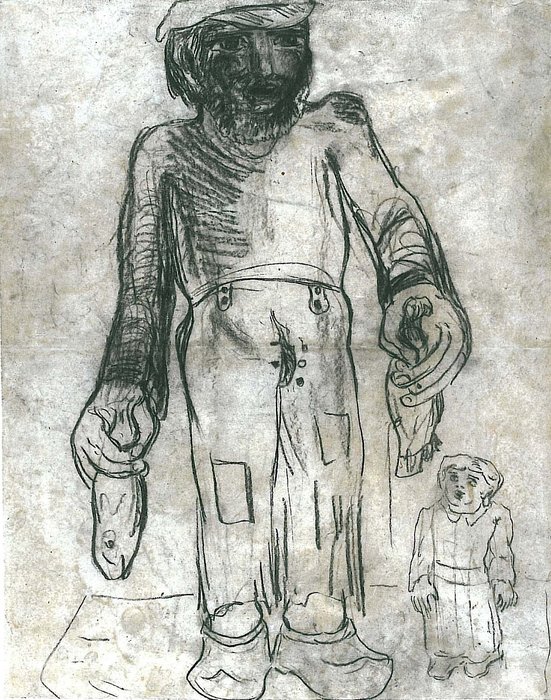
Untitled (217)
 Lees meer
Handgemaakte olieverfreproductie
Met de hand geschilderd in olieverf op canvas in uw gewenste maat en lijst, op bestelling gemaakt door onze kunstenaars. ( Bestel print Koop afbeelding)




































Kies uit onze vooraf ingestelde maten die overeenkomen met de originele verhoudingen van het kunstwerk.

U kunt uw eigen afmetingen invoeren om in een specifieke lijst of ruimte te passen. Als de door u gekozen maat niet overeenkomt met de verhoudingen van het originele beeld, zullen we het kunstwerk bijsnijden of het schilderij uitbreiden met extra handgeschilderde elementen. Een digitale mockup wordt ter goedkeuring naar u verzonden voordat de productie begint.
Houd er rekening mee dat de preview op het scherm niet de werkelijke uitsnede of uitbreiding weergeeft. Alleen de mockup toont de uiteindelijke compositie nauwkeurig.
Hoewel aangepaste afmetingen mogelijk zijn, raden we aan een maat uit de vooraf gedefinieerde lijst te selecteren om de originele verhoudingen te behouden.
Na de bestelling zal het team van OriginalUniqueArt.com per e-mail contact opnemen met de klant voor instructies en een mockup-voorbeeld sturen.
Wereldwijde levering () binnen 3 tot 4 weken in plaats van de standaard 5 weken. (19 augustus). Zonder concessies aan de kwaliteit.

Gratis wereldwijde expressverzending

Hoogwaardig linnen canvas

Volledige verzendverzekering

Garantie op terugbetaling van invoerrechten

Garantie op exacte kleurweergave

Retourbeleid van 60 dagen (alleen bij defecten)

100% Geld-terug-garantie

Korting bij meerdere afnames
 De optie voor glas is alleen beschikbaar bij een formaat kleiner dan 110 cm.

Untitled (217)
Druktechniek
Afmetingen reproductie
-


Eindtotaal
$ 325
Biografie van de kunstenaar
Carl Fredrik Hill: A Landscape Painter Haunted by Darkness
Carl Fredrik Hill (1849–1911) stands as a singular figure in Swedish art history—a painter whose extraordinary talent was tragically overshadowed by debilitating mental illness. Born into the intellectual milieu of Lund University, his father’s insistence on a pragmatic career path contrasted sharply with Hill's innate passion for capturing the beauty and drama of the natural world. Despite familial reservations, he pursued formal training at Stockholm Royal Academy of Fine Arts, subsequently immersing himself in the artistic fervor of Paris, where he encountered the profound impact of Barbizon School aesthetics championed by Camille Corot. Hill’s formative years were marked by a fervent belief that “art has no other goal than the truth, le vrai,” rejecting mere naturalism for an exploration of genuine emotion and psychological depth. Seeking inspiration in diverse locations—Montigny, Champagne, and Normandy—he meticulously documented landscapes imbued with atmospheric subtleties and evocative textures. His artistic ambition was considerable; he famously confessed, "I give myself no peace," driven by a relentless desire to hone his craft. Yet, despite unwavering dedication, Hill’s work remained largely unrecognized during his lifetime, rejected repeatedly at the Paris Salon – a testament to the pervasive prejudice against avant-garde expression in its time. A devastating psychotic episode at the age of 28 abruptly halted his artistic trajectory, culminating in hospitalization and subsequent diagnosis with hallucinations and paranoia. Remarkably, Hill's life took an unexpected turn upon returning home to Sweden, where he found solace under the care of his mother and sister for nearly three decades before succumbing to illness in 1911. His death certificate recorded him as “former landscape painter,” encapsulating a poignant reflection of his artistic legacy—a brilliant artist whose potential was tragically curtailed by mental instability. However, Hill’s creative spirit endured beyond his formal career, entering a second period of prolific output during which he produced approximately four drawings daily. These drawings drew upon imagination and memory alongside references to older art and illustrations, representing a deliberate assertion of control over a world transformed from the one he knew as a young man. As Ragnar Josephson eloquently describes it, “the second great period of his life as a painter,” Hill’s artistic endeavors continued unabated—a testament to his unwavering commitment to visual expression. Hill's distinctive style evolved during this latter phase, characterized by meticulous draughtsmanship and an exploration of unsettling psychological themes. His drawings frequently depicted nude figures rendered in drypoint etching, employing dynamic lines and dramatic shadows to convey emotion and intimacy. These works stand apart from the idyllic landscapes of his early years, reflecting a preoccupation with inner turmoil and confronting viewers with visions of darkness and vulnerability—a profound contribution to Expressionist drawing and a poignant reminder of the artist’s struggle against mental illness. His enduring legacy resides not only in his stunning visual creations but also in their unflinching portrayal of human experience at its most fragile.
Carl Fredrik Hill
1849 - 1911
Belangrijkste feiten
- Artistic Movement Or Style: Barbizon School, Expressionism
- Artists Or Movements Influenced By This Artist: ['Impressionism']
- Artists Who Influenced This Artist: ['Camille Corot']
- Date Of Birth: 1849
- Date Of Death: 1911
- Full Name: Carl Fredrik Hill
- Nationality: Swedish
- Notable Artworks:
- Untitled (709)
- Untitled (336)
- Untitled (852)
- Place Of Birth: Sweden

