

 Voorvertoning
 Verstuur
 Delen
Delen
 Details bekijken
 Gids
Gids

 Download
 Vergelijkbare items
 Röntgenonderzoek
 Diavoorstelling
 Q&A
Q&A Statistieken
Wicker chair
 Acrylic
- WallArt
- Bauhaus
 1921
1921 12.0 x 22.0 cm
 Bauhaus Dessau Stiftung
 Lees meer
De kunstwerken die op deze pagina worden weergegeven, zijn beschermd door de auteursrechtwetgeving, wat betekent dat het ons wettelijk niet is toegestaan om identieke reproducties te maken of te verkopen. Deze bescherming wordt gehandhaafd onder internationale overeenkomsten zoals de Conventie van Bern en door nationale wetgeving, waaronder de bepalingen van de Amerikaanse auteurswet - Titel 17. Alle rechten voorbehouden. Reproduceren of distribueren van afbeeldingen is niet toegestaan zonder uitdrukkelijke schriftelijke toestemming van WahooArt.com en de rechthebbenden.
Deze methode voldoet volledig aan de auteursrechtwetgeving, omdat het niet gaat om het kopiëren of dupliceren van het beschermde kunstwerk. In plaats daarvan is er sprake van een creatieve herinterpretatie — een nieuw schilderij dat door het origineel wordt geïnspireerd, maar er niet identiek aan is.
Giclée / Kunstafdrukken
Giclée- of canvasafdruk van museumkwaliteit met een snelle productie en flexibele afwerkingsmogelijkheden. ( Bestel handgeschilderde reproductie Schakel over naar digitale afbeeldingen)




P118B €10

P118H €10

P118W €10

P438Z €10

P508JH €12

P508YH €12

P805H €10

P805Z €10

P919BZ €10

P919G €10

P919XJ €10

P959ZH €10

P968JZ €12

W106C €8

W218G €10

W218JH €8

W218Y €10

W307PJ €10

W316G €10

W316PJ €8

W316Y €10

W398PJ €8

W4111J €10

W500HY €15

W500JH €15

W692G €12

W849H €8

W940BG €15

W953PJ €8




Kies uit onze vooraf ingestelde maten die overeenkomen met de originele verhoudingen van het kunstwerk.

Voer de gewenste breedte en hoogte in, passend bij uw lijst of muur. Een afdruk kan alleen worden ingekort en nooit groter worden gemaakt dan het origineel; een formaat met andere verhoudingen zal daarom een deel van de afbeelding verliezen. Wij sturen u een digitaal mockup ter goedkeuring voordat we tot drukwerk overgaan. De afbeelding op deze pagina toont niet de werkelijke uitsnede — dit is alleen te zien op het mockup.
Wereldwijde levering () binnen 2 weken in plaats van de standaard 4/5 weken. (31 oktober)

Gratis wereldwijde expressverzending

Hoogwaardig linnen canvas

Volledige verzendverzekering

Garantie op terugbetaling van invoerrechten

Garantie op exacte kleurweergave

Retourbeleid van 100 dagen (alleen bij defecten)

100% Geld-terug-garantie

Korting bij meerdere afnames
 De optie voor glas is alleen beschikbaar bij een formaat kleiner dan 110 cm.

Wicker chair
Giclée / Kunstafdrukken
Afmetingen reproductie
-


Eindtotaal
€ 72
A Study in Form and Light: The Wicker Chair by Carl Fieger
Carl Fieger’s 1921 drawing of a wicker chair transcends mere depiction; it's a distilled essence of the Bauhaus philosophy, capturing a fleeting moment of elegant functionality. Rendered in stark black and white, the image possesses an immediate intimacy, inviting us into a domestic space defined by clean lines and considered design. The composition is deceptively simple – two chairs, one a vibrant red, the other a calming green – yet within this restrained palette lies a wealth of visual interest. The subtle variations in shading suggest the texture of the wicker itself, hinting at the intricate weaving process that brought these forms to life. It’s not simply a chair; it's an embodiment of the Bauhaus ideal: form following function, prioritizing honest materials and unadorned beauty.
Fieger’s work is inextricably linked to the revolutionary Bauhaus school in Weimar, where he served as a draftsman under Walter Gropius. This formative period instilled within him a deep appreciation for geometric precision and an understanding of how design could elevate everyday objects. The chair's design reflects this influence – its proportions are carefully balanced, its lines are clean and direct, and its overall aesthetic is one of understated sophistication. The choice of red and green isn’t arbitrary; it creates a dynamic visual contrast that draws the eye and adds a touch of warmth to the otherwise cool composition. It's a deliberate attempt to infuse functionality with a subtle emotional resonance.
Technique and Materiality: A Dance of Lines
The drawing itself is executed with remarkable skill, showcasing Fieger’s mastery of line and shading. The artist employs a delicate hand, capturing the intricate details of the wicker weave with astonishing accuracy. Notice how the lines subtly vary in thickness to suggest the different textures and densities within the material. This attention to detail elevates the image beyond a simple sketch; it becomes a study in materiality – an exploration of how light interacts with form and how line can be used to convey depth and texture. The use of black ink on paper creates a sense of immediacy, as if we’ve stumbled upon a quick study or preliminary drawing.
The choice of wicker as the subject matter is significant in itself. Wicker, derived from pliable plant materials like rattan and cane, represented a shift away from heavier, more ornate furniture styles prevalent at the time. It embodied lightness, flexibility, and a connection to nature – values that aligned perfectly with the Bauhaus ethos. The chair’s wheels further emphasize its intended function: mobility and adaptability, reflecting the school's commitment to designing objects for modern living.
Symbolism and Legacy
Beyond its technical merits, Fieger’s wicker chair carries a potent symbolic weight. It represents the promise of a new era in design – an era defined by functionality, simplicity, and social responsibility. The Bauhaus movement sought to break down traditional hierarchies and democratize access to good design, and this chair embodies that spirit. It's a testament to the belief that even the most ordinary objects could be imbued with beauty and meaning through careful consideration of form and function.
Today, Fieger’s work continues to resonate with contemporary designers and collectors alike. His ability to capture the essence of a subject with such clarity and precision is a testament to his artistic talent. Reproductions of this drawing offer a valuable opportunity to experience the elegance and sophistication of Bauhaus design in your own home – a reminder that good design can enrich our lives in countless ways.
Veelgestelde vragen
Hoe komen contrast en harmonie samen in "Wicker chair"?
In "Wicker chair" wordt een Serene contrast gecombineerd met een Strong Color Unity harmonie.
Wat is het aanbevolen formaat en de oriëntatie voor de afdruk van "Wicker chair"?
Voor "Wicker chair" is de aanbevolen afdrukinstelling een formaat van Medium en een Landscape oriëntatie.
Welk kleurenpalet wordt gebruikt in "Wicker chair"?
Het kleurenpalet van "Wicker chair" door Carl Fieger wordt beschreven als Neutrals. Het is een beknopte beschrijving van de kleuren in het werk.
Biografie kunstenaar
De Architect van Bauhaus-idealen: Het Leven en de Nalatenschap van Carl Fieger
In het grote weefsel van het modernisme uit de vroege 20e eeuw belichamen weinig figuren de kruising tussen structurele precisie en sociale visie zo elegant als Carl Fieger. Geboren in Mainz, Duitsland, in 1893, kwam Fieger voort uit een periode van diepgaande artistieke transformatie. Zijn reis begon aan de Kunst- en Beroepsschool van Mainz, een instituut waar hij voor het eerst kennismaakte met de opkomende stromingen van het impressionisme en de jugendstil. Deze vroege blootstelling aan organische vormen en expressieve kleurenpaletten bood hem een gevoelig esthetisch fundament, maar het was zijn daaropvolgende onderdompeling in de rigoureuze, functionalistische wereld van de Bauhaus die uiteindelijk zijn historische betekenis zou bepalen.
De koers van Fiegers carrière veranderde onherroepelijk toen hij in de orbit van Walter Gropius terechtkwam. Nadat hij in 1912 zijn leertijd als tekenaar begon, werd Fieger een integraal onderdeel van de revolutionaire sfeer op de Bauhaus-school in Weimar. Onder het mentorschap van Gropius bewoog hij zich weg van de decoratieve franje uit het verleden en richting een toekomst die werd gedefinieerd door geometrische abstractie, experimenten met materialen en het radicale geloof dat kunst een functioneel doel moet dienen in het dagelijks leven. Deze periode was niet louter een professionele trainingsplaats, maar een filosofische ontwaking, waarin Fieger leerde architectuur te beschouwen als een instrument voor sociale vooruitgang.
Meesterschap van Vorm en Functionalistische Visie
Het oeuvre van Fieger wordt gekenmerende door een buitengewone gave om complexe architecturale theorieën te vertalen naar tastbare, mensgerichte ontwerpen. Zijn samenwerkingen met Gropius aan monumentale projecten—zoals de Fagus-fabriek en het iconische Bauhaus-gebouw in Dessau—demonstreren zijn meesterschap over moderne constructietechnieken, waaronder het innovatieve gebruik van stalen buizen en glas. Door deze werken hielp Fieger een visuele taal te pionieren die de schoonheid van industriële materialen en de efficiëntie van moderne techniek vierde.
Naast grootschalige industriële structuren lag het ware genie van Fieger vaak in zijn intieme benadering van huiselijkheid. Hij was diep betrokken bij het concept van Existenzminimum—het idee om uiterst efficiënte, minimale leefruimtes te ontwerpen die geen waardigheid of comfort opofferden. Zijn meest opmerkelijke projecten omvatten:
- De Ideale Kleine Woning: Een visionair architectonisch concept ontwikkeld voor de Duitse Bouwtentoonstelling (Deutsche Bauausstellung) van 1931 in Berlijn, dat de nadruk legde op een logische doorstroming tussen essentiële ruimtes zoals de keuken, de woonkamer en de slaapkamer.
- Adaptieve Plattegronden: Gedetailleerde indelingen die tekstmontages en fotografische elementen gebruikten om te tonen hoe meubilair en ruimtelijke ordening het nut binnen beperkte stedelijke oppervlaktes konden maximaliseren.
Een Blijvende Indruk op Modern Design
De historische betekenis van Carl Fieger ligt in zijn rol als brug tussen de artistieke experimenten van de late 19e eeuw en het gedisciplineerde functionalisme van het moderne tijdperk. Zijn werk ging nooit enkel over de esthetiek van een gebouw; het ging over de geleefde ervaring daarbinnen. Door prioriteit te geven aan efficiëntie, licht en beweging, hielp hij de blauwdruk van het hedendaagse stedelijke leven vorm te geven. Zelfs toen architecturale stijlen gedurende het midden van de 20e eeuw verschoven, bleven de principes van helderheid en doelgerichtheid die door Fieger werden gepredikt, fundamenteel.
Hoewel zijn leven in 1960 ten einde kwam, blijven de echo's van zijn Bauhaus-leertijd resoneren in de gangen van de architectuurgeschiedenis. Door zijn minutieuze tekeningen en baanbrekende woningconcepten blijft Fieger een vitale figuur voor iedereen die wil begrijpen hoe de huwelijk tussen kunst en ambacht de wereld waarin wij leven fundamenteel kan hervormen.

Carl Fieger
1893 - 1960
Belangrijkste feiten
- Artistic Movement Or Style: Bauhaus
- Artists Who Influenced This Artist:
- Walter Gropius
- Peter Behrens
- Date Of Birth: 15 juni 1893
- Date Of Death: 1960
- Full Name: Carl Fieger
- Nationality: Duits
- Notable Artworks:
- Untitled (Club House of the deutscher verein in barcelona, perspectief)
- Untitled (Ontwerp voor een interieur met wit gelakte kast voor de Duitse ambassade in Sint-Petersburg)
- Untitled (Sommerfeld House, Berlin-Lichterfelde, architecten Walter Gropius en Adolf Meyer. Concept, perspectief van een leeskamer)
- Place Of Birth: Mogentie, Duitsland
Gerelateerde artikelen

The Eloquent Line: Exploring the Artistic Significance of Sketches Across Movements and Media
Explore the profound artistic significance of sketches throughout history. From Renaissance masters to modern innovators like Van Gogh & Guston, discover how these foundational works reveal technique, emotion, and vision. Learn more at OriginalUniqueArt.

Ephemeral Lines: Exploring Emotional Resonance in Ink Sketching Traditions
Explore the profound art of ink sketching! Discover techniques to express emotion, master line work, and cultivate artistic sensitivity. Learn from historical masters & unlock your creative potential.
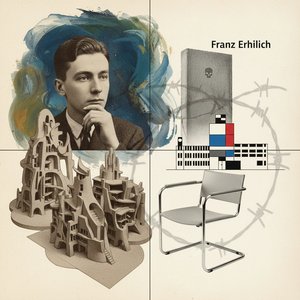
Franz Ehrlich: Bridging Expressionism, Bauhaus & the Shadows of History
Explore the life of Franz Ehrlich, a pivotal Bauhaus architect whose career spanned Expressionism, resistance during Nazi Germany, and GDR reconstruction. Discover his complex legacy & view museum-quality reproductions at OriginalUniqueArt.
The Art of the Sketch: Capturing Raw Emotion and Movement through the Mastery of Line and Form
Explore the profound beauty of the sketch. Discover how masters use charcoal and graphite to capture raw emotion, anatomical precision, and fluid movement, bridging the gap between ephemeral marks and eternal oil masterpieces.
The Timeless Beauty of Pencil Sketches: Mastering the Art of Line, Shadow, and Tonal Depth
Explore the profound elegance of pencil and charcoal sketching. Discover how masters use line, shadow, and chiaroscuro to capture light and texture, bridging the gap between preparatory studies and timeless fine art masterpieces.