
 Voorvertoning
 Verstuur
 Delen
Delen
 Details bekijken
 Gids
Gids

 Download
 Vergelijkbare items
 Röntgenonderzoek
 Diavoorstelling
 Vraag & antwoord
 Statistieken
The Woods near Spandau

- 73.0 x 102.0 cm


 Lees meer
Giclée / Kunstafdrukken
Giclée- of canvasafdruk van museumkwaliteit met een snelle productie en flexibele afwerkingsmogelijkheden. ( Bestel handgeschilderde reproductie Schakel over naar digitale afbeeldingen)




P118B €10

P118H €10

P118W €10

P438Z €10

P508JH €12

P508YH €12

P805H €10

P805Z €10

P919BZ €10

P919G €10

P919XJ €10

P959ZH €10

P968JZ €12

W106C €8

W218G €10

W218JH €8

W218Y €10

W307PJ €10

W316G €10

W316PJ €8

W316Y €10

W398PJ €8

W4111J €10

W500HY €15

W500JH €15

W692G €12

W849H €8

W940BG €15

W953PJ €8




Kies uit onze vooraf ingestelde maten die overeenkomen met de originele verhoudingen van het kunstwerk.

Voer de gewenste breedte en hoogte in, passend bij uw lijst of muur. Een afdruk kan alleen worden ingekort en nooit groter worden gemaakt dan het origineel; een formaat met andere verhoudingen zal daarom een deel van de afbeelding verliezen. Wij sturen u een digitaal mockup ter goedkeuring voordat we tot drukwerk overgaan. De afbeelding op deze pagina toont niet de werkelijke uitsnede — dit is alleen te zien op het mockup.
Wereldwijde levering () binnen 2 weken in plaats van de standaard 4/5 weken. (6 november)

Gratis wereldwijde expressverzending

Hoogwaardig linnen canvas

Volledige verzendverzekering

Garantie op terugbetaling van invoerrechten

Garantie op exacte kleurweergave

Retourbeleid van 100 dagen (alleen bij defecten)

100% Geld-terug-garantie

Korting bij meerdere afnames
 De optie voor glas is alleen beschikbaar bij een formaat kleiner dan 110 cm.

The Woods near Spandau
Giclée / Kunstafdrukken
Afmetingen reproductie
-


Eindtotaal
€ 72
A Twilight Reverie in the German Woods
In the quiet transition between day and night, Carl Blechen’s 1834 masterpiece, The Woods near Spandau, captures a moment of profound atmospheric stillness. This evocative landscape does not merely depict a forest; it invites the viewer into a sensory experience where the boundaries between reality and dream begin to blur. As the sun retreats, leaving behind a lingering glow upon a distant architectural silhouette—perhaps the Spandau Cathedral—the painting establishes a sense of deep, contemplative solitude. The composition is masterfully orchestrated, utilizing the converging lines of ancient, towering trees to create a natural corridor that draws the eye through the shadows and toward a soft, luminous focal point in the distance.
The emotional resonance of the work lies in its ability to evoke both mystery and peace. A solitary figure wanders along a darkened, muddy path, serving as a poignant symbol of the human journey through the vast, often overwhelming complexities of nature. This presence of a lone traveler heightens the Romantic theme of introspection, suggesting a soul in communion with the wilder, more shadowed aspects of the world. For the collector or designer, this piece offers a sophisticated emotional anchor, bringing a sense of quiet drama and historical depth to any curated space.
Mastery of Light and Romantic Technique
Blechen was a pioneer of the Romantic movement, known for eschewing the overly idealized vistas of his predecessors in favor of a more visceral, atmospheric realism. In The Woods near Spandau, his technique is nothing short of transformative. He employs a palette dominated by the earthy, muted tones of the woodland—deep browns, mossy greens, and charcoal greys—yet he breaks this somberness with strategic strokes of cerulean and pale gold. These highlights, caught in the canopy or reflecting off distant structures, create a rhythmic interplay of light and shadow that breathes life into the canvas.
The texture of the painting is palpable, achieved through loose, confident brushstrokes that suggest the ruggedness of tree bark and the delicate, shimmering movement of leaves caught in a twilight breeze. This tactile quality is essential to the artwork's impact; it moves beyond mere representation to create an immersive environment. The use of atmospheric perspective—where distant elements appear softer and more ethereal—adds a layer of profound depth, making the forest feel as though it extends infinitely into the mist. Such technical brilliance ensures that a high-quality reproduction remains a captivating centerpiece, preserving the subtle nuances of Blechen’s legendary hand.
A Timeless Addition to the Modern Interior
Beyond its historical significance, The Woods near Spandau possesses an enduring aesthetic versatility that appeals to the contemporary eye. Its dark, moody tonality makes it an exquisite choice for interior designers looking to create a "moody" or "dark academia" aesthetic, providing a sophisticated contrast against lighter wall tones or complementing rich, velvet textures in a study or library. The painting’s ability to command attention through subtle movement rather than loud color allows it to integrate seamlessly into luxurious, understated environments.
Owning a reproduction of this caliber is an opportunity to possess a fragment of German Romanticism. It serves as a window into a period when artists first began to grapple with the changing landscape of a modernizing world, finding beauty in the interplay between the natural and the man-made. Whether placed in a grand salon or a quiet reading nook, this artwork continues to inspire awe, offering a perennial sanctuary of light and shadow for those who appreciate the profound beauty of the natural world.
Veelgestelde vragen
Is "The Woods near Spandau" vrij van auteursrecht?
De auteursrechtelijke status van "The Woods near Spandau" door Carl Blechen: het werk is bevindt zich in het publiek domein - de auteursrechten zijn verlopen. Dit bepaalt of reproducties van de afbeelding vrijelijk mogen worden gemaakt.
Hoe kan ik een print van "The Woods near Spandau" door Carl Blechen verkrijgen?
Om een print van "The Woods near Spandau" door Carl Blechen te bestellen, kunt u terecht op de Fine Art Print pagina: een fine art print op katoenen canvas of archiefwaardig canvaspapier.
Welke techniek is gebruikt voor "The Woods near Spandau" en wanneer is het gemaakt?
"The Woods near Spandau" werd gemaakt in 1834, in Oil On Canvas.
Biografie kunstenaar
Een Pionier van de Romantische Industrialisering: Het Leven en Werk van Carl Blechen
Carl Eduard Ferdinand Blechen, geboren in Cottbus, Duitsland, in 1798, neemt een unieke en vaak over het hoofd geziene positie in binnen de traditie van het landschapsschilderen. Zijn leven werd gekenmerkt door zowel artistiek vernuft als persoonlijke onrust – een dualiteit die zijn evocatieve en baanbrekende werk diepgaand vorm gaf. Aanvankelijk voorbestemd voor een pragmatische carrière in de bankwereld vanwege financiële beperkingen van het gezin, zegevierden Blechens aangeboren artistieke neigingen uiteindelijk. Hij vervolgde studies aan de Berlijnse Academie voor Kunst in 1822 en begon aan een pad dat hem tot een van de eerste kunstenaars zou maken die worstelden met de esthetische uitdagingen – en mogelijkheden – die zich voordeden bij het beginnende industrialisme.
Blechens vormende jaren waren doordrenkt van de Romantische idealen die Europa overspoelden. In tegenstelling tot veel tijdgenoten, die zich uitsluitend richtten op geïdealiseerde natuurlijke schoonheid of historische grootsheid, viel Blechens blik op een veranderende wereld. Een cruciale reis naar Italië in 1828-1829 bleek transformatief. Ondergedompeld in het licht en de sfeer van het Italiaanse platteland perfectioneerde hij zijn vaardigheden in plein air schetsen, waarbij hij vluchtige momenten en dramatische effecten met opmerkelijke gevoeligheid vastlegde. Deze schetsen waren niet louter voorbereidende studies; ze waren doordrenkt van een levendige energie die zijn volwassen stijl zou kenmerken. Hij keerde terug naar Berlijn, niet alleen als een technisch bekwame schilder, maar als een kunstenaar met een eigen visie – een visie die ernaar streefde de sublieme schoonheid van de natuur te verzoenen met de naderende realiteit van de moderniteit.
Traditie en Transformatie Navigeren
Blechens artistieke output wordt gekenmerkt door een boeiende spanning tussen Romantisch gevoel en een opkomend realisme. Hij schuwde het afbeelden van het ontluikende industriële landschap niet, maar vierde het ook niet onkritisch. Werken als Bau der Teufelsbrücke (De Constructie van de Duivelsbrug), geschilderd tussen 1830 en 1832, zijn een voorbeeld van deze benadering. Het schilderij verheerlijkt de technische prestatie niet; in plaats daarvan presenteert het een scène van slopende arbeid tegen een dramatische achtergrond, die zowel menselijke ambitie als het potentieel voor verstoring van de natuurlijke orde suggereert. Deze bereidheid om de complexiteit van zijn tijd onder ogen te zien onderscheidt hem van veel van zijn tijdgenoten.
Zijn landschappen zijn vaak doordrenkt van een melancholische sfeer, die niet alleen de veranderende fysieke omgeving weerspiegelt, maar ook zijn eigen innerlijke worstelingen. Waldweg bei Spandau (Bosspad bij Spandau) bijvoorbeeld, roept een gevoel van eenzaamheid en introspectie op, terwijl het tegelijkertijd Blechens beheersing van licht en schaduw laat zien. Hij gebruikte behendig atmosferisch perspectief om diepte en sfeer te creëren, waardoor de kijker in de scène wordt getrokken en tot contemplatie wordt uitgenodigd. Hij registreerde niet alleen wat hij zag; hij bracht een emotionele reactie daarop over.
Een Getroebleerd Genie en Blijvende Erfenis
Ondanks zijn artistieke prestaties werd Blechens leven tragisch verkort door psychische aandoeningen. Nadat hij in 1831 tot Professor of Landscape Painting aan de Berlijnse Academie was benoemd – een bewijs van zijn groeiende reputatie – begon zijn toestand snel te verslechteren na 1835. Gedwongen om verlof op te nemen en uiteindelijk in het ziekenhuis opgenomen, bleef hij zelfs middenin zijn lijden kunst creëren, en produceerde hij ontroerende tekeningen die een glimp bieden van zijn getroebleerde innerlijke wereld. Hij stierf in Berlijn in 1840 op de leeftijd van 41 jaar.
Hoewel zijn carrière relatief kort was, is Carl Blechens invloed op latere generaties kunstenaars onmiskenbaar. Zijn baanbrekende weergave van industriële landschappen baande de weg voor latere Realistische en Impressionistische schilders die ernaar streefden het veranderende gezicht van het moderne leven vast te leggen. Hij demonstreerde dat het mogelijk was om schoonheid – en betekenis – te vinden, zelfs middenin transformatie, een les die kunstenaars vandaag de dag nog steeds inspireert en uitdaagt. Zijn werk blijft een krachtige herinnering aan de complexe relatie tussen mensheid, natuur en vooruitgang.
Belangrijke Werken & Collecties
- Im Berliner Tiergarten (De Berlijnse Dierentuin), 1825: Een vroeg voorbeeld van zijn vermogen om atmosferische effecten en alledaagse scènes met een Romantisch gevoel vast te leggen.
- Waldweg bei Spandau (Bosspad bij Spandau): Een spookachtig landschap dat zijn beheersing van licht, schaduw en sfeer illustreert.
- Bau der Teufelsbrücke (De Constructie van de Duivelsbrug), 1830–32: Een baanbrekende weergave van het beginnende industrialisme, die zowel menselijke ambitie als de impact ervan op de natuurlijke wereld laat zien.
Vandaag de dag zijn Blechens werken te vinden in prominente museumcollecties over de hele wereld, waaronder de Kunsthalle Bielefeld in Duitsland, The Fitzwilliam Museum in Cambridge en de National Gallery in Londen. Deze instellingen bewaren zijn nalatenschap voor toekomstige generaties, waardoor zijn innovatieve visie blijft inspireren en uitdagen.
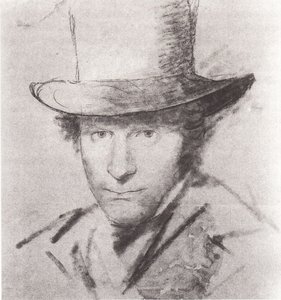
Carl Blechen
1798 - 1840 , Duitsland
Belangrijkste feiten
- Artistic Movement Or Style: Romantiek
- Artists Who Influenced This Artist:
- Caspar David Friedrich
- Johann Christian Dahl
- Date Of Birth: 29 juli 1798
- Date Of Death: 23 juli 1840
- Full Name: Carl Eduard Ferdinand Blechen
- Nationality: Duits
- Notable Artworks:
- Im Berliner Tiergarten
- Waldweg bei Spandau
- Bau der Teufelsbrücke
- Place Of Birth: Cottbus, Duitsland
Gerelateerde artikelen

Romantische Landschappen: Top 10 Meesterwerken voor een Sfeervol Interieur | OriginalUniqueArt.nl
Ontdek de 10 meest iconische meesterwerken van de Romantiek! Reis door de tijd met Caspar David Friedrich, Turner & Delacroix. Laat je inspireren en vind museumkwaliteit kunst reproducties voor een sfeervol interieur op OriginalUniqueArt.com.

The Sublime and the Picturesque: Exploring Emotion & Nature in Romantic Landscape Painting
Explore the emotional power of Romantic landscape painting! Discover the sublime & picturesque traditions, key artists like Friedrich & Cole, and find your perfect artwork at OriginalUniqueArt.

Evoking Nature's Sublime: A Comprehensive Exploration of 19th-Century Landscape Painting
Explore the captivating world of 19th-century landscape painting! Discover renowned artists like Friedrich & Monet, key movements, and find the perfect artwork to bring nature's serenity into your home. Expert insights at OriginalUniqueArt.

Evocations of Place: A Historical Journey Through Landscape Art
Explore the rich history of landscape art with OriginalUniqueArt. Discover renowned artists, movements like Impressionism & Romanticism, and expert guidance for collecting timeless pieces. Find your perfect serene escape today!
The Sublime and the Picturesque: Exploring Emotion & Nature in Romantic Landscape Painting
Explore the emotional power of Romantic landscape painting! Discover the sublime & picturesque aesthetics, key artists like Friedrich & Cole, and lasting influence on art history. Find your perfect piece at OriginalUniqueArt.

