Voorvertoning
 Verstuur
 Delen
Delen
 Details bekijken

 Download
 Vergelijkbare items
 Röntgenonderzoek
 Diavoorstelling
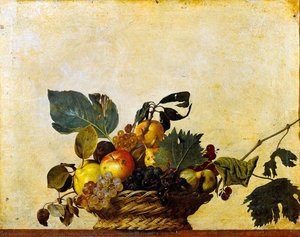
Martha And Mary Magdalene


 Lees meer
Giclée / Kunstafdrukken
Giclée- of canvasafdruk van museumkwaliteit met een snelle productie en flexibele afwerkingsmogelijkheden. ( Bestel handgeschilderde reproductie Koop afbeelding)




P118B $10

P118H $10

P118W $10

P438Z $10

P508JH $12

P508YH $12

P805H $10

P805Z $10

P919BZ $10

P919G $10

P919XJ $10

P959ZH $10

P968JZ $12

W106C $8

W218G $10

W218JH $8

W218Y $10

W307PJ $10

W316G $10

W316PJ $8

W316Y $10

W398PJ $8

W4111J $10

W500HY $15

W500JH $15

W692G $12

W849H $8

W940BG $15

W953PJ $8




Kies uit onze vooraf ingestelde maten die overeenkomen met de originele verhoudingen van het kunstwerk.

U kunt uw eigen afmetingen opgeven om in een specifieke lijst of ruimte te passen. Als de door u gekozen maat niet overeenkomt met de proporties van het originele kunstwerk, zullen wij de afbeelding bijsnijden of uitbreiden met een gespiegelde of effen rand. Een digitaal mockup wordt ter goedkeuring naar u verzonden voordat de productie begint.
Houd er rekening mee dat de preview op het scherm de werkelijke bijsneding of uitbreiding niet weergeeft. Alleen de mockup toont de uiteindelijke compositie nauwkeurig.
Hoewel aangepaste maten beschikbaar zijn, raden wij aan een afmeting uit de vooraf bepaalde lijst te kiezen om de originele proporties te behouden.
Wereldwijde levering () binnen 2 weken in plaats van de standaard 4/5 weken. (24 augustus)

Gratis wereldwijde expressverzending

Hoogwaardig linnen canvas

Volledige verzendverzekering

Garantie op terugbetaling van invoerrechten

Garantie op exacte kleurweergave

Retourbeleid van 60 dagen (alleen bij defecten)

100% Geld-terug-garantie

Korting bij meerdere afnames
 De optie voor glas is alleen beschikbaar bij een formaat kleiner dan 110 cm.

Martha And Mary Magdalene
Giclée / Kunstafdrukken
Afmetingen reproductie
-


Eindtotaal
$ 81
Beschrijving verzamelobject
The Shadowed Drama of “Martha and Mary Magdalene”
Michelangelo Merisi da Caravaggio’s “Martha and Mary Magdalene,” painted in 1598–99, is not merely a depiction of two sisters; it's a profound meditation on faith, temptation, and the transformative power of grace. Housed within the hallowed halls of the Detroit Institute of Arts, this arresting canvas immediately commands attention with its masterful use of light and shadow – a signature technique known as *tenebrism* that would forever alter the course of Western art. The painting’s genesis lies in Caravaggio's time spent in the service of Cardinal Francesco Maria Del Monte, a discerning patron who championed innovative artistic approaches. This particular commission reflects the cardinal’s interest in exploring themes of virtue and vice, often interwoven within scenes from the New Testament. Caravaggio, already known for his volatile personality and dramatic style, was tasked with creating an image that would both visually resonate and intellectually stimulate. The scene itself is drawn directly from Luke 10:38-42, where Martha, a devout follower of Jesus, criticizes Mary Magdalene for neglecting their shared responsibilities in favor of indulging in worldly pleasures. The painting captures the precise moment of this confrontation, frozen in an intense exchange of words and emotions.- Compositional Dynamics: The figures are arranged within a shallow space, creating a sense of immediacy and drawing the viewer directly into the scene. Martha, positioned on the left, is rendered with sharp detail and a forceful presence, her gaze directed at Mary. Mary, on the right, appears more ethereal, bathed in a softer light that suggests vulnerability and regret.
- Color Palette: Caravaggio’s palette is restrained yet impactful. The dominant colors are deep browns, reds, and ochres, punctuated by flashes of white and gold. These hues contribute to the painting's dramatic atmosphere and heighten the contrast between the figures.
- The Mirror Motif: A key element of the composition is the Venetian mirror reflecting Mary’s face. This device serves as a potent symbol of vanity and self-reflection, suggesting that she is contemplating her past choices and the allure of worldly pleasures.
Mastering Tenebrism and Chiaroscuro
Caravaggio's genius lies not just in his subject matter but also in his revolutionary approach to technique. *Tenebrism*, a term coined by art historian Théodore Mommsen, describes his dramatic use of light and dark – a technique known as *chiaroscuro*. He eschewed the traditional, balanced lighting of Renaissance painting, instead plunging much of the scene into deep shadow while highlighting specific figures with intense beams of light. This creates a powerful sense of drama, emphasizing the emotional intensity of the moment and imbuing the figures with an almost sculptural quality. The light doesn’t illuminate; it *attacks*, forcing the viewer to confront the subjects' expressions and gestures. Caravaggio achieved this effect through meticulous layering of thin glazes of paint, building up the highlights gradually until they appeared to glow from within. This technique demanded incredible speed and precision, as he often worked directly onto the wet plaster of the canvas without preliminary sketches. The Influence of Light:** The light in “Martha and Mary Magdalene” is not merely decorative; it’s a crucial element of storytelling. It highlights Martha's righteous indignation while casting a veil of shadow over Mary, suggesting her moral decline. It also draws attention to the orange blossom held by Mary – a symbol of vanity that she is about to relinquish in favor of a life devoted to Christ.Symbolism and Narrative Depth
Beyond its technical brilliance, “Martha and Mary Magdalene” is rich in symbolic meaning. The orange blossom, prominently displayed in Mary’s hand, represents the fleeting pleasures of earthly existence – beauty, luxury, and sensual indulgence. It's a deliberate allusion to the temptations that led her astray. The mirror reflects not only Mary’s physical appearance but also her inner state—a reflection of her former self, consumed by vanity and worldly desires. Martha, in contrast, embodies virtue and devotion, her face etched with concern for her sister’s salvation. The setting itself – a simple interior space – reinforces the intimacy of the scene and underscores the personal nature of their conflict.- Martha's Role: As the elder sister, Martha represents the established order of faith and righteousness. Her passionate plea is not simply a reprimand but an urgent call to repentance.
- Mary’s Transformation: Mary’s hesitant gesture – holding the orange blossom – suggests a glimmer of hope for redemption. It's a subtle yet powerful indication that she is beginning to recognize the emptiness of her former life.
A Legacy of Dramatic Intensity
“Martha and Mary Magdalene” exerted an immense influence on subsequent generations of artists, shaping the trajectory of Baroque painting and beyond. Caravaggio’s innovative use of light and shadow, his dramatic compositions, and his unflinching portrayal of human emotion paved the way for a new era in art history. Artists like Rembrandt van Rijn and Georges de La Tour adopted and adapted his techniques, creating works that continue to captivate audiences today. The painting's enduring appeal lies not only in its technical mastery but also in its timeless exploration of faith, temptation, and the complexities of human relationships. Reproductions of this iconic masterpiece offer a window into Caravaggio’s genius, allowing viewers to appreciate the profound emotional depth and dramatic intensity that define his work.Biografie van de kunstenaar
Een Leven in Schaduw en Licht
Michelangelo Merisi da Caravaggio, een naam die onlosmakelijk verbonden is met de dramatische intensiteit van de barokschilderkunst, werd in 1571 geboren in Milaan, een periode gekenmerkt door zowel artistieke bloei als maatschappelijke omwentelingen. Zijn vroege leven werd getekend door verlies; de pest teisterde zijn geboortestad en eiste het leven van zijn vader en grootvader toen hij slechts zes jaar oud was. Opgegroeid in relatieve armoede, ontwikkelde de jonge Michelangelo een scherp bewustzijn van menselijk lijden en veerkracht – thema’s die later centraal zouden komen te staan in zijn doeken. Hij begon zijn artistieke opleiding in Milaan onder Simone Peterzano, een voormalig leerling van Titiaan, waar hij de basisprincipes van de Renaissance-techniek absorbeerde, maar al vroeg een rebelse geest toonde die weldra conventionele normen zou doorbreken. Deze leertijd legde een solide basis, maar het was in Rome, rond 1592, dat Caravaggio zijn eigen stem vond, hoewel niet zonder aanvankelijke strijd en ontberingen. De stad, een bruisend centrum van artistieke patronage en religieuze ijver, bleek zowel aantrekkelijk als meedogenloos voor de ambitieuze jonge schilder.Een Revolutionaire Visie: Techniek en Stijl
De komst van Caravaggio in Rome luidde een seismische verschuiving in het landschap van de Italiaanse kunst in. Hij verwierp de heersende maniëristische stijl – gekenmerkt door haar artificiële elegantie en verlengde vormen – ten gunste van een compromisloze realisme dat schokte en boeide. Zijn meest bepalende innovatie was zijn meesterlijke gebruik van chiaroscuro, het dramatische contrast tussen licht en donker, dat hij naar een nieuw niveau van expressieve kracht tilde. Deze techniek, vaak aangeduid als tenebrisme, was niet slechts een esthetische keuze; het was een middel om de emotionele impact te versterken, kijkers in het hart van de scène te trekken en zijn figuren een tastbare aanwezigheid te geven. Hij schuwde geïdealiseerde afbeeldingen en bevolkte zijn schilderijen met gewone mensen – vaak afkomstig uit de straten van Rome – als modellen voor religieuze figuren. Deze radicale aanpak daagde traditionele opvattingen over schoonheid en heiligheid uit, waardoor het sacrale toegankelijk en diep menselijk werd. Zijn composities waren vaak sober en direct, gericht op cruciale momenten van intense dramatiek, zoals de brute realisme in “De Vangst van Christus” of de stille contemplatie in "Sint Franciscus van Assisi in Extase".Belangrijke Werken en Blijvende Invloed
Gedurende zijn relatief korte carrière produceerde Caravaggio een oeuvre dat tot op de dag van vandaag resoneren met het publiek. Vroege werken, zoals “De Waarzegster” (1594), tonen zijn ontluikend talent voor het vastleggen van realistisch detail en psychologische nuance. “Het Emmaüsmalte” (1601-1602), bewaard in de National Gallery in Londen, is een voorbeeld van zijn beheersing van chiaroscuro en vermogen om diepe emotionele diepte over te brengen binnen een bijbelse vertelling. “David met het hoofd van Goliath” (ca. 1610) is bijzonder huiveringwekkend, vaak geïnterpreteerd als een zelfportret dat Caravaggio’s eigen turbulente gemoed weerspiegelt. Zijn invloed reikte verder dan Italië en inspireerde een generatie kunstenaars die bekend staan als de Caravaggisti, of “schaduwschilders”, die zijn stijl overnamen in heel Europa. Opmerkelijke volgelingen waren Peter Paul Rubens, Jusepe de Ribera en Gerrit van Honthorst, die elk Caravaggio’s technieken aanpasten aan hun eigen unieke artistieke visies.Een Tumultueus Bestaan en Blijvende Erfenis
Caravaggio's leven was net zo dramatisch en turbulent als zijn kunst. Een vluchtig temperament en een voorliefde voor ruzies leidden tot frequente problemen met de wet, culminerend in een moordbeschuldiging in 1606 die hem dwong Rome te ontvluchten. Hij bracht de volgende vier jaar rondzwervend door in Napels, Malta en Sicilië, waar hij bleef schilderen terwijl hij wanhopig op zoek was naar een pauselijke gratie. Ondanks zijn inspanningen bleef hij een buitenwetscit, achtervolgd door zijn verleden en geplaagd door persoonlijke conflicten. Hij stierf in Porto Ercole, Italië, in 1610 onder mysterieuze omstandigheden – de oorzaak van zijn dood blijft onderwerp van debat, met theorieën variërend van koorts tot vergiftiging. Hoewel zijn leven kort was, getuigt Caravaggio’s artistieke nalatenschap van zijn revolutionaire visie en onwrikbare toewijding aan het realisme. Hij daagde de conventies van zijn tijd uit, baande de weg voor een modernere benadering van schilderen en liet een onuitwisbare stempel achter op de loop van de westerse kunstgeschiedenis. Zijn werk blijft ontzag inboezemen en tot contemplatie aanzetten, en herinnert ons aan de kracht van kunst om de donkerste hoeken van de menselijke ervaring te verlichten.
Caravaggio
1571 - 1610 , Spanje
Belangrijkste feiten
- Artistic Movement Or Style: Barok, Tenebrism
- Artists Or Movements Influenced By This Artist:
- Rubens
- Ribera
- Artists Who Influenced This Artist:
- Titian
- Leonardo da Vinci
- Date Of Birth: 29 september 1571
- Date Of Death: 18 juli 1610
- Full Name: Michelangelo Merisi da Caravaggio
- Nationality: Italiaans
- Notable Artworks:
- The Fortune Teller
- Supper at Emmaus
- David with Goliath
- Place Of Birth: Milaan, Spanje
Gerelateerde artikelen

Top 10 Barok Meesterwerken: Kunstgeschiedenis voor uw Interieur | OriginalUniqueArt.nl
Ontdek de 10 meest iconische Barok meesterwerken van Caravaggio, Rembrandt & Rubens! Duik in de geschiedenis en passie achter deze klassieke schilderijen. Vind museumkwaliteit reproducties voor uw interieur op OriginalUniqueArt.com.

Drama and Light: A Definitive Guide to the Italian Baroque Masterpieces and the Revolution of Chiaroscuro
Explore the dramatic world of Italian Baroque art. Discover how masters like Caravaggio used chiaroscuro and tenebrism to revolutionize painting through light, shadow, and profound realism. A definitive guide for history lovers and art collectors.

The Visceral Stage: Exploring Dramatic Narratives & Emotional Intensity in Baroque Art
Explore the dramatic world of Baroque art! Discover iconic masters like Caravaggio & Rembrandt, their techniques, and the movement's lasting impact. Expert insights for collectors & enthusiasts at OriginalUniqueArt.

The Dramatic Flourish: Exploring the Baroque Movement's Enduring Legacy in Art History
Explore the dramatic world of Baroque art! Discover iconic artists like Caravaggio & Rubens, defining techniques, and its lasting impact on art history. Expert insights for collectors & enthusiasts at OriginalUniqueArt.
Chiaroscuro and Soul: A Definitive Guide to the Drama and Emotion of Italian Baroque Masterpieces
Embark on a sophisticated journey through Italian Baroque art. Discover the dramatic interplay of light and emotion in Caravaggio’s masterpieces and explore how to bring this timeless grandeur into your collection with expert art insights.