Voorvertoning
 Verstuur
 Delen
Delen
 Details bekijken

 Download
 Vergelijkbare items
 Röntgenonderzoek
 Diavoorstelling
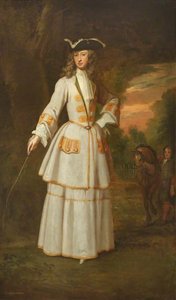
Edward Tenison
 Acrylic On Canvas
- WallArt
- Baroque
 1720
1720 50.0 x 40.0 cm
 University of Cambridge Museums
 Lees meer
Giclée / Kunstafdrukken
Giclée- of canvasafdruk van museumkwaliteit met een snelle productie en flexibele afwerkingsmogelijkheden. ( Bestel handgeschilderde reproductie Koop afbeelding)




P118B $10

P118H $10

P118W $10

P438Z $10

P508JH $12

P508YH $12

P805H $10

P805Z $10

P919BZ $10

P919G $10

P919XJ $10

P959ZH $10

P968JZ $12

W106C $8

W218G $10

W218JH $8

W218Y $10

W307PJ $10

W316G $10

W316PJ $8

W316Y $10

W398PJ $8

W4111J $10

W500HY $15

W500JH $15

W692G $12

W849H $8

W940BG $15

W953PJ $8




Kies uit onze vooraf ingestelde maten die overeenkomen met de originele verhoudingen van het kunstwerk.

U kunt uw eigen afmetingen opgeven om in een specifieke lijst of ruimte te passen. Als de door u gekozen maat niet overeenkomt met de proporties van het originele kunstwerk, zullen wij de afbeelding bijsnijden of uitbreiden met een gespiegelde of effen rand. Een digitaal mockup wordt ter goedkeuring naar u verzonden voordat de productie begint.
Houd er rekening mee dat de preview op het scherm de werkelijke bijsneding of uitbreiding niet weergeeft. Alleen de mockup toont de uiteindelijke compositie nauwkeurig.
Hoewel aangepaste maten beschikbaar zijn, raden wij aan een afmeting uit de vooraf bepaalde lijst te kiezen om de originele proporties te behouden.
Wereldwijde levering () binnen 2 weken in plaats van de standaard 4/5 weken. (21 augustus)

Gratis wereldwijde expressverzending

Hoogwaardig linnen canvas

Volledige verzendverzekering

Garantie op terugbetaling van invoerrechten

Garantie op exacte kleurweergave

Retourbeleid van 60 dagen (alleen bij defecten)

100% Geld-terug-garantie

Korting bij meerdere afnames
 De optie voor glas is alleen beschikbaar bij een formaat kleiner dan 110 cm.

Edward Tenison
Giclée / Kunstafdrukken
Afmetingen reproductie
-


Eindtotaal
$ 81
Beschrijving verzamelobject
Edward Tenison (1673-1735), Bishop of Ossory (after Kneller) 597921
Edward Tenison’s portrait by Sir Godfrey Kneller stands as a testament to the grandeur and formality of Georgian Britain, capturing not merely likeness but also embodying the ideals of piety and erudition that defined the era. Painted circa 1720, this remarkable artwork exemplifies Kneller's mastery of “manner,” a style characterized by meticulous detail and an emphasis on conveying psychological depth—a technique honed through decades of experience documenting the lives of prominent figures. The painting’s serene composition and dignified pose immediately convey a sense of solemn contemplation, reflecting Tenison’s role as Bishop of Ossory and his unwavering commitment to upholding Christian values during a period marked by religious debate.- Subject Matter: The portrait depicts Edward Tenison (1673-1735), Archbishop of Canterbury from 1694 until his death, showcasing him in a half-length pose that emphasizes his stature and gravitas.
- Style & Technique: Kneller’s masterful use of chiaroscuro—the dramatic interplay between light and shadow—creates a palpable sense of depth and dimensionality. The artist skillfully renders the textures of Tenison's robe, hair, and skin with painstaking precision, demonstrating an unparalleled understanding of artistic observation.
- Historical Context: Commissioned during the reign of George I, this portrait reflects the prevailing aesthetic sensibilities of the time—a desire for idealized representations that celebrated virtue and intellect. It aligns perfectly with Kneller’s broader oeuvre, which included depictions of monarchs, scientists, and literary luminaries.
- Symbolism: The book held by Tenison serves as a potent symbol of enlightenment and faith—a visual representation of his dedication to theological pursuits and intellectual rigor.
- Emotional Impact: Viewing this portrait evokes a feeling of reverence for tradition and an appreciation for the enduring power of artistic skill. It transports us back to a time when portraits were not merely decorative objects but instruments of social prestige and expressions of personal identity.
Edward Tenison (1673-1735), Bishop of Ossory (after Kneller)
This striking portrait by John Vanderbank the younger, after Sir Godfrey Kneller, captures the essence of Edward Tenison’s character—a figure revered for his piety and intellect during the turbulent years following the Glorious Revolution. Painted circa 1720, it exemplifies Kneller's signature “manner” style, characterized by meticulous detail and psychological insight.- Provenance: Originally housed at Woburn Abbey before being acquired by the National Trust in 1989 with funding from Heritage Lottery Fund and V&A Museums Purchase Grant Fund
- National Trust Collection: Currently displayed at Montacute House, Somerset
bt sir godfrey kneller
Sir Godfrey Kneller (1646-1723) was the leading portraitist in England during the late Stuart & Georgian eras. Known for Kit-Cat portraits, grand manner style, and serving as court painter to royalty like Charles II & George I. Discover his legacy! ### Reference:sir godfrey kneller, 1st baronet
Sir Godfrey Kneller (1646-1723): Leading Baroque portraitist & court painter to English monarchs. Known for Kit-Cat portraits, capturing aristocratic society and historical figures with skill. ### Reference:Self-Portrait (Kneller)
Godfrey Kneller’s Self-Portrait is a 1685 painting by the German-born British artist Sir Godfrey Kneller. A self-portrait, it shows the artist in his late 30s. Kneller had moved to England in 1676 around a decade earlier and had soon secured patronage from the ruling House of Stuart. For a number of years he concentrated almost entirely on portraiture. His portraits set a pattern that was followed until William Hogarth and Joshua Reynolds. ### Reference:Edward Tenison
Edward Tenison (1673–1735) was an English bishop of Ossory. An example of the workings of the system of patronage in the Church of England, Tenison also was a significant Whig and controversialist. ### Reference:Thomas Tenison
Thomas Tenison (1636–1715) was an English clergyman who served as Archbishop of Canterbury from 1694 until his death. During his primacy, he crowned two British monarchs.Biografie van de kunstenaar
Sir Godfrey Kneller: De Meester van het Portret
Godfrey Kneller (1646-1723) is een monumentale figuur in de Engelse Barokkunst, vooral bekend om zijn ongeëvenaarde vaardigheid in het vastleggen van de gelijkenissen van prominente individuen – en met name wat bekend werd als “Kit-Cat portretten”. Deze uiterst gedetailleerde afbeeldingen van katten in aristocratische interieurs getuigen van zijn minutieuze techniek en diepgaand begrip van de visuele cultuur. Geboren als Gottfried Kniller in Lübeck, Duitsland, emigreerde hij rond 1675 naar Engeland, waar hij zich vestigde als een productieve portretschilder en prestigieuze opdrachten verwierf van de koninklijke familie en adel tijdens het bewind van Karel II en George I. Zijn nalatenschap strekt verder dan louter artistieke prestatie; hij speelde een cruciale rol in het vormgeven van het visuele landschap van het Georgische Groot-Brittannië en bevorderde een blijvende fascinatie voor koninklijke patronage.- Vroege Leven & Opleiding: Kneller’s beginjaren bracht hij door met studeren onder zijn broer, Johann Zacharias Kneller, die hem een rigoureuze benadering van tekenen en schilderen bijbracht – een hoeksteen van zijn artistieke filosofie. Deze gedisciplineerde training perfectioneerde zijn observatievaardigheden en bereidde hem voor op de eisen van het produceren van portretten die niet alleen fysiek uiterlijk, maar ook psychologisch karakter overbrachten.
- Het Kit-Cat Portret Fenomeen: Kneller’s roem steeg naar grote hoogte dankzij zijn innovatieve “Kit-Cat portretten”. Deze doeken toonden katten die minutieus naast hun aristocratische eigenaren waren afgebeeld, wat een opkomende trend in decoratieve kunst weerspiegelde en een verschuiving signaliseerde naar het afbeelden van onderwerpen binnen hun huiselijke omgeving. De symboliek ingebed in deze portretten – rijkdom, status en intellectuele bezigheden vertegenwoordigend – toont Kneller’s scherpe bewustzijn van de hedendaagse sociale conventies.
- Koninklijke Patronage & Artistieke Ontwikkeling: Kneller’s carrière bloeide op onder het patronage van Karel II en George I, waardoor hij opdrachten kreeg die hem in staat stelden zijn stijl te verfijnen en ambitieuze projecten te verkennen. Hij werd hofschilder voor beide monarchen, en produceerde portretten van koningen, koninginnen, prinsen en diplomaten – werken die zijn reputatie als een van Engeland’s vooraanstaande kunstenaars bevestigden. Zijn minutieuze aandacht voor detail en meesterlijke gebruik van clair-obscur (het dramatische samenspel van licht en schaduw) belichamen de grootsheid van de Grand Manner stijl die in zijn tijd heerste.
- Opmerkelijke Werken & Erfenis: Tot Kneller’s meest gevierde prestaties behoren portretten van Karel II, Henry Purcell, Christopher Wren, Isaac Newton en Benjamin Franklin – elk vastgelegd met opmerkelijke nauwkeurigheid en hun persoonlijkheden gevoelig weergevend. Zijn invloed strekte zich uit voorbij portretkunst; hij diende decennia lang als directeur van de Royal Military School of Music in Twickenham, bevorderde artistisch talent en droeg bij aan de culturele levendigheid van het Georgische Londen.
- Een Blijvende Indruk: Kneller’s minutieuze techniek en stilistische innovaties blijven kunstenaars inspireren tot op de dag van vandaag. Hij blijft een symbool van artistieke excellentie en belichaamt de blijvende kracht van portretkunst als medium voor het documenteren van geschiedenis en het vastleggen van de essentie van menselijk karakter. Zijn werk bevindt zich in grote musea over de hele wereld, waardoor zijn bijdrage aan de Engelse Barokkunst nog generaties lang herdacht zal worden.
Invloeden & Artistieke Stijl
Kneller’s artistieke visie werd diepgaand gevormd door de tradities van Vlaamse en Italiaanse Barokschilderkunst – met name Rembrandt van Rijn en Caravaggio – wiens dramatische gebruik van licht en schaduw een precedent vestigde voor het portretteren van emotie en psychologische complexiteit. Hij omarmde de Grand Manner stijl, gekenmerkt door monumentale schaal, geïdealiseerde figuren en zorgvuldig georkestreerde composities die ontworpen zijn om waardigheid en autoriteit over te brengen. Deze stilistische benadering weerspiegelde de aspiraties van de Engelse monarchie tijdens zijn tijd en bevestigde Kneller’s positie als een kampioen van artistieke innovatie. Hij streefde ernaar portretten te creëren die niet alleen gelijkenissen waren, maar ook de status en intellectuele kwaliteiten van de afgebeelde personen benadrukten.Kneller Hall & Zijn Betekenis
Het huis dat Kneller bouwde in Whitton, nabij Twickenham, werd halverwege de 19e eeuw bewoond door Kneller Hall – een bewijs van zijn blijvende invloed op de Britse samenleving en cultuur. Dit statige landhuis diende als thuisbasis voor de Royal Military School of Music, wat symboliseert Kneller’s toewijding aan artistiek onderwijs en het bevorderen van een traditie van muzikale excellentie. De hal zelf staat als een architectonisch monument, dat de grootsheid van het Georgische Groot-Brittannië weerspiegelt en de waarden belichaamt die door Kneller werden gepromoot – discipline, verfijning en intellectuele nieuwsgierigheid.Verdere Verkenning
Voor diepere inzichten in het leven en werk van Godfrey Kneller, raadpleeg bronnen zoals:
Godfrey Kneller
1646 - 1723 , Duitsland
Belangrijkste feiten
- Artistieke Stroming: Barok
- Bekende Werken:
- Portret Charles II
- Portret Henry Grey
- Beïnvloed Door Kunstenaars: ['Johann Zacharias Kneller']
- Geboortedatum: 8 augustus 1646
- Geboorteplaats: Lübeck, Italië
- Kunststromingen Beïnvloed: ['Engelse portretschilderkunst']
- Nationaliteit: Italiaans
- Overlijdensdatum: 19 oktober 1723
- Volledige Naam: Godfrey Kneller
Gerelateerde artikelen
Edward Hopper's Top 25 Meesterwerken: Kunst, Verhalen & Sfeer voor je Interieur
Ontdek de top 25 meesterwerken van Edward Hopper! Duik in de wereld van Amerikaans realisme, iconische diners & verstilde hotelkamers. Kunst kopen? Vind hoogwaardige reproducties & interieurinspiratie op OriginalUniqueArt.com.
Sir Godfrey Kneller: Portraiture, Power & Artistic Identity in Restoration England
Explore the life & work of Sir Godfrey Kneller, leading portraitist of Restoration England. Discover his Baroque style, influence on aristocratic society, and lasting legacy in English art history. Learn about Kit-Cat portraits & more!

Barokke Pracht: Kunst die Grootsheid in Huis Brengt
Ontdek de barokke pracht! Leer over de geschiedenis, kenmerken en toepassingen van deze weelderige kunststijl in uw interieur. Laat u inspireren door meesters en breng grootsheid in huis.

The Dramatic Flourish: Exploring the Baroque Movement's Enduring Legacy in Art History
Explore the dramatic world of Baroque art! Discover iconic artists like Caravaggio & Rubens, defining techniques, and its lasting impact on art history. Expert insights for collectors & enthusiasts at OriginalUniqueArt.

Top 10 Barok Meesterwerken: Kunstgeschiedenis voor uw Interieur | OriginalUniqueArt.nl
Ontdek de 10 meest iconische Barok meesterwerken van Caravaggio, Rembrandt & Rubens! Duik in de geschiedenis en passie achter deze klassieke schilderijen. Vind museumkwaliteit reproducties voor uw interieur op OriginalUniqueArt.com.