
 Voorvertoning
 Verstuur
 Delen
Delen
 Details bekijken
 Gids
Gids

 Download
 Vergelijkbare items
 Röntgenonderzoek
 Diavoorstelling
 Q&A
Q&A Statistieken
The Nativity

- 88.0 x 58.0 cm


 Lees meer
Giclée / Kunstafdrukken
Giclée- of canvasafdruk van museumkwaliteit met een snelle productie en flexibele afwerkingsmogelijkheden. ( Bestel handgeschilderde reproductie Schakel over naar digitale afbeeldingen)




P118B €10

P118H €10

P118W €10

P438Z €10

P508JH €12

P508YH €12

P805H €10

P805Z €10

P919BZ €10

P919G €10

P919XJ €10

P959ZH €10

P968JZ €12

W106C €8

W218G €10

W218JH €8

W218Y €10

W307PJ €10

W316G €10

W316PJ €8

W316Y €10

W398PJ €8

W4111J €10

W500HY €15

W500JH €15

W692G €12

W849H €8

W940BG €15

W953PJ €8




Kies uit onze vooraf ingestelde maten die overeenkomen met de originele verhoudingen van het kunstwerk.

Voer de gewenste breedte en hoogte in, passend bij uw lijst of muur. Een afdruk kan alleen worden ingekort en nooit groter worden gemaakt dan het origineel; een formaat met andere verhoudingen zal daarom een deel van de afbeelding verliezen. Wij sturen u een digitaal mockup ter goedkeuring voordat we tot drukwerk overgaan. De afbeelding op deze pagina toont niet de werkelijke uitsnede — dit is alleen te zien op het mockup.
Wereldwijde levering () binnen 2 weken in plaats van de standaard 4/5 weken. (1 november)

Gratis wereldwijde expressverzending

Hoogwaardig linnen canvas

Volledige verzendverzekering

Garantie op terugbetaling van invoerrechten

Garantie op exacte kleurweergave

Retourbeleid van 100 dagen (alleen bij defecten)

100% Geld-terug-garantie

Korting bij meerdere afnames
 De optie voor glas is alleen beschikbaar bij een formaat kleiner dan 110 cm.

The Nativity
Giclée / Kunstafdrukken
Afmetingen reproductie
-


Eindtotaal
€ 72
A Moment of Divine Reverence: Bicci Di Lorenzo’s Nativity
The Florentine School of painting flourished during the fifteenth century, propelled by humanist ideals and fueled by patronage from wealthy families like the Medici. Amidst this artistic dynamism emerged Bicci di Lorenzo (c. 1373–1427), a master whose devotion to religious art produced works that continue to resonate with viewers today. This magnificent Nativity panel—measuring 88 x 58 cm—offers a captivating glimpse into the aesthetic sensibilities of its time and stands as a testament to Lorenzo’s meticulous craftsmanship and profound understanding of visual storytelling.Style & Technique: Renaissance Realism Embodied
Lorenzo di Bicci skillfully blended elements of Gothic tradition with burgeoning Renaissance realism, reflecting the evolving artistic landscape of Florence. Like many artists of his era, he embraced tempera paint on wood—a technique favored for its luminosity and durability—allowing him to achieve remarkable detail and tonal gradation. The artist’s brushstrokes are deliberate yet graceful, conveying a sense of movement and capturing the subtle nuances of light and shadow. Careful observation of nature informed Lorenzo's approach, evident in the depiction of the rocky outcrop supporting the shepherds and the soft textures of Mary’s robe and Jesus’ infant skin. This meticulous attention to realism distinguishes his work from earlier Gothic styles, aligning it squarely with the humanist preoccupation for accurate representation.Historical Context: Florence Under Medici Influence
The painting's creation coincided with a period of significant cultural transformation in Florence under the rule of Cosimo I de' Medici—a visionary patron who championed artistic innovation and fostered an environment conducive to intellectual discourse. The Medicis’ commitment to humanist scholarship profoundly impacted Florentine art, encouraging artists to explore themes of human dignity and spiritual contemplation. Lorenzo di Bicci’s Nativity aligns perfectly with this broader cultural ethos, reflecting the Renaissance fascination with biblical narratives and its desire to convey profound theological truths through visual imagery. It exemplifies the artistic fervor that characterized Florence during Cosimo I's reign—a time when art served not merely as decoration but as a vehicle for conveying moral and spiritual values.Symbolism & Narrative Depth: The Language of Faith
The Nativity scene itself is laden with symbolic significance, reflecting Christian beliefs about incarnation and salvation. Mary’s kneeling posture symbolizes humility and piety, while the infant Jesus nestled in the manger represents divine grace and vulnerability. The shepherds—representing the humble witnesses to God's plan—offer a poignant reminder that holiness resides not only in royalty but also in simplicity. Above all, the angel heralds the miraculous birth of Christ—a pivotal event in Christian theology signifying redemption from sin and eternal life. Lorenzo di Bicci’s masterful composition skillfully guides the viewer’s gaze across the scene, emphasizing these key elements of the narrative and fostering a contemplative response.Emotional Impact: A Window into Renaissance Spirituality
Looking upon Bicci di Lorenzo’s Nativity panel evokes a palpable sense of serenity and reverence—a feeling deeply rooted in the spiritual values of the Renaissance period. The artist's skillful use of color—primarily earthy tones accented by subtle highlights—creates an atmosphere of warmth and solemn beauty. More than just depicting a biblical story, Lorenzo’s artwork aspires to inspire contemplation and convey the profound mystery of faith. It stands as enduring proof of the power of art to communicate spiritual truths and elevate the human spirit—a legacy that continues to captivate audiences centuries after its creation.Veelgestelde vragen
Met welke techniek is "The Nativity" gemaakt?
Bicci Di Lorenzo gebruikte de Acrylic On Canvas-techniek voor "The Nativity". De techniek bepaalt de materiële aard van het originele werk.
Wat wordt er afgebeeld in "The Nativity" door Bicci Di Lorenzo?
De thema's die aanwezig zijn in "The Nativity" door Bicci Di Lorenzo omvatten nativity, religious art, shepherds, angel, manger, florence, renaissance. Samen vatten zij de onderwerpen van het kunstwerk samen.
Welke kleuren overheersen in "The Nativity" door Bicci Di Lorenzo?
"The Nativity" wordt gekenmerkt door een Dark palet met Bronze (#e09d46) als dominante kleur.
Biografie kunstenaar
Lorenzo di Bicci (c. 1373–1452): Een Florentijnse Meester van Devotie
Lorenzo di Bicci, geboren rond 1373 in Florence, staat als een centrale figuur binnen de opkomende Florentijnse schilderkunst tijdens de tweede helft van de veertiende en het begin van de vijftiende eeuw. Hoewel biografische details schaars blijven – zijn vader's identiteit gehuld in onduidelijkheid – stelt het academische consensus stevig vast dat Lorenzo leerde bij Jacopo di Cione en Andrea di Cione, kunstenaars wiens stilistische innovaties zijn artistieke loopbaan diepgaand hebben gevormd. Deze afkomst verankerde hem in een levendige omgeving gekenmerkt door experimentatie met kleurenpaletten en compositionele vloeibaarheid, wat de bredere trends van die tijd weerspiegelde.- Vroege Leven & Training: Lorenzo's vormende jaren werden doorgebracht in de werkplaats van zijn vader, Jacopo di Bicci—een ambachtsman wiens eigen artistieke inspanningen al een voorbode waren van Lorenzo's onderscheidende benadering. Lidmaatschap van de Gilde van Sint Lucas vanaf 1370 gaf hem onschatbare toegang tot kunstkennis en bevorderde contacten binnen het bloeiende culturele landschap van Florence.
- Vroege Carrière & Patronage: Zijn eerste opdracht, een paneel met St. Martin Enthroned voor de gilde Arte dei Vinattieri, illustreert Lorenzo's toewijding aan het dienen van de Florentijnse burgerij—met name de geestelijkheid en de gilden—een patroon dat zijn artistieke carrière zou definiëren. Samenwerkingen met Agnolo Gaddi en Corso di Jacopo verfijnden zijn vaardigheden verder en stelden hem bloot aan invloedrijke kunststromingen.
- Stijl & Techniek: Lorenzo's stijl is onmiddellijk herkenbaar vanwege zijn ingetogen elegantie en meesterlijke uitvoering. In tegenstelling tot veel tijdgenoten die grootschalige narratieven en uitgebreide ornamentiek omarmden, befaalde hij composities gekenmerkt door gebalanceerde symmetrie en een bewuste vermijding van complexiteit. De figuren bezaten serene uitdrukkingen—vaak vrij van emotie—en werden weergegeven met uitzonderlijke anatomische precisie, wat de invloed van Andrea di Cione's nauwgezette tekenkunst weerspiegelt.
- Opvallende Werken: Lorenzo's artistieke nalatenschap wordt versterkt door verschillende iconische schilderijen die het publiek vandaag de dag nog steeds betoveren. De *Saints John the Baptist and Minias*, bewaard in het Legion of Honor Museum in San Francisco, toont zijn vermogen om spirituele diepte over te brengen door subtiele kleursamenstellingen en architectonisch detail. Eveneens demonstreert de fresco van de *Four Evangelists*—een getuigenis van Lorenzo's technische bekwaamheid—een meesterlijk beheersing van perspectief en schaduwtechnieken.
- Nalatenschap & Invloed: Lorenzo di Bicci's artistieke output beïnvloedde de volgende generaties Florentijnse schilders diepgaand, met name zijn zoon Neri di Bicci, die de familie traditie van devotionele kunst voortzette. Zijn onwankelbare toewijding aan het uitbeelden van religieuze thema's—gecombineerd met zijn inzet om de Florentijnse gemeenschap te dienen—verstevigt zijn positie als een hoeksteen van de Renaissancekunstontwikkeling en een blijvend symbool van Florentijnse vroomheid.
De Fresco's van Palazzo Medici: Een Spiegeling van Patronage & Artistieke Innovatie
Lorenzo's meest ambitieuze onderneming was zonder twijfel de cyclus fresco's die het Palazzo Medici versieren—opdrachtgegeven door Cosimo I de' Medici—een project dat zijn reputatie als toonaangevende kunstenaar van zijn tijd verankerde. Deze monumentale schilderijen, die scènes uit de Bijbelse geschiedenis en mythologische narratieven afbeelden, vertegenwoordigen een hoogtepunt van de Florentijnse Renaissancekunst, en tonen Lorenzo's meesterschap in kleur, compositie en perspectief. De fresco's dienden niet alleen als decoratieve versieringen, maar waren ook krachtige verklaringen van Medici-patronage—waardoor ze het transformerende belang illustreerden dat aristocratische opdrachten speelden bij het vormgeven van artistieke trends.Het Verkennen van Lorenzo's Artistieke Banden: Invloeden & Samenwerkingen
Lorenzo's artistieke ontwikkeling was onlosmakelijk verbonden met zijn interacties met mede-meesters en ambachtslieden, wat een dynamische uitwisseling van ideeën bevorderde binnen het kunstecosysteem van Florence. Zijn leerperiode onder Jacopo di Cione gaf hem een waardering voor expressieve kleurenpaletten—een eigenschap die doordrong in zijn eigen schilderijen—terwijl samenwerkingen met Andrea di Cione zijn tekenvaardigheden verfijnden en hem blootstelden aan innovatieve compositiestrategieën. Bovendien faciliteerde Lorenzo's betrokkenheid bij de Gilde van Sint Lucas toegang tot artistieke middelen en bevorderde het contacten binnen Florence's levendige culturele sfeer.Een Schilderkunstenaar Gewijd aan het Geloof: Thema's & Symboliek in Lorenzo's Werk
Lorenzo di Bicci's artistieke output centreerde consequent op religieuze thema's—voornamelijk afbeeldingen van heiligen, Bijbelse verhalen en liturgische scènes—wat de alomtegenwoordige invloed van vroomheid binnen de Florentijnse samenleving tijdens zijn leven weerspiegelt. Zijn schilderijen maakten gebruik van symbolische beelden—gebaseerd op gevestigde conventies van middeleeuwse iconografie—om spirituele waarheden over te brengen en emotionele reacties bij de toeschouwers op te roepen. De serene uitdrukkingen van zijn figuren—vaak vrij van openlijke emotie—onderstrepen een contemplatieve esthetiek die Lorenzo's werk onderscheidde van flamboyantere artistieke inspanningen die elders in Europa gangbaar waren.Afsluitende Reflecties: Lorenzo di Bicci's Blijvende Betekenis
Lorenzo di Bicci's bijdrage aan de Florentijnse kunst gaat verder dan louter stilistische innovatie; hij belichaamt de humanistische geest van zijn tijd—gekenmerkt door een diepgaande betrokkenheid bij klassieke idealen en een toewijding om de menselijke ervaring met waardigheid en compassie af te beelden. Zijn onwankelbare toewijding aan het dienen van de Florentijnse gemeenschap—gecombineerd met zijn meesterschap in artistieke techniek—verstevigt zijn positie als een van de meest invloedrijke schilders van de veertiende eeuw, waardoor zijn nalatenschap blijft inspireren voor kunstenaars en geleerden.
Bicci Di Lorenzo
1350 - 1427 , Italië
Belangrijkste feiten
- Artistic Movement Or Style: Florentijnse School
- Artists Or Movements Influenced By This Artist: ['Gentile da Fabriano']
- Artists Who Influenced This Artist:
- Andrea di Cione
- Jacopo di Cione
- Date Of Birth: ca. 1373
- Date Of Death: 1452
- Full Name: Lorenzo di Bicci
- Nationality: Italiaans
- Notable Artworks:
- St Martin Enthroned
- Saints John & Matthew
- The Four Evangelists (detail)
- Saint Nicholas Resuscitating Three Youths
- Place Of Birth: Florence, Italië
Gerelateerde artikelen

Top 25 Kunstwerken Biennale Venetië: Meesterwerken & Inspiratie voor Thuis
Ontdek de top 25 kunstwerken van de Biennale Venetië! Duik in de geschiedenis achter iconische schilderijen, van abstracte meesterwerken tot Italiaanse renaissance. Vind inspiratie voor uw interieur & bestel museumkwaliteit reproducties op OriginalUniqueArt.com.
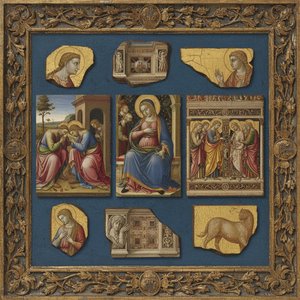
Proto-Renaissance Meesterwerken: 10 Kunstparels die een Nieuw Tijdperk inluidden | OriginalUniqueArt
Ontdek de 10 meesterwerken die de Proto-Renaissance definieerden! Van Giotto tot Cimabue, leer over Italiaanse schilderkunst & vroege renaissance technieken. Vind museumkwaliteit kunst reproducties en inspiratie voor wanddecoratie op OriginalUniqueArt.com.
Sacred Narratives Embodied: A Comprehensive Exploration of Religious Iconography in Art History
Explore the rich history of religious iconography in art! Discover symbolism, movements & masterpieces from Byzantine to Renaissance periods. Expert insights for collectors and enthusiasts at OriginalUniqueArt.

The Hague School: Realism, Atmosphere & the Dawn of Dutch Impressionism
Explore the Hague School's pivotal role in Dutch art history. Discover realism, atmospheric landscapes & its influence on Impressionism. Learn about key artists like Mauve & Maris with OriginalUniqueArt.

Giotto di Bondone's 25 Meesterwerken: Renaissance Kunst voor uw Interieur | OriginalUniqueArt
Ontdek de 25 meesterwerken van Giotto di Bondone, pionier van de Renaissance. Verlies u in zijn fresco's & religieuze kunst. Museumkwaliteit reproducties voor uw interieur op OriginalUniqueArt.com.