
 Voorvertoning
 Verstuur
 Delen
Delen
 Details bekijken

 Download
 Vergelijkbare items
 Röntgenonderzoek
 Diavoorstelling
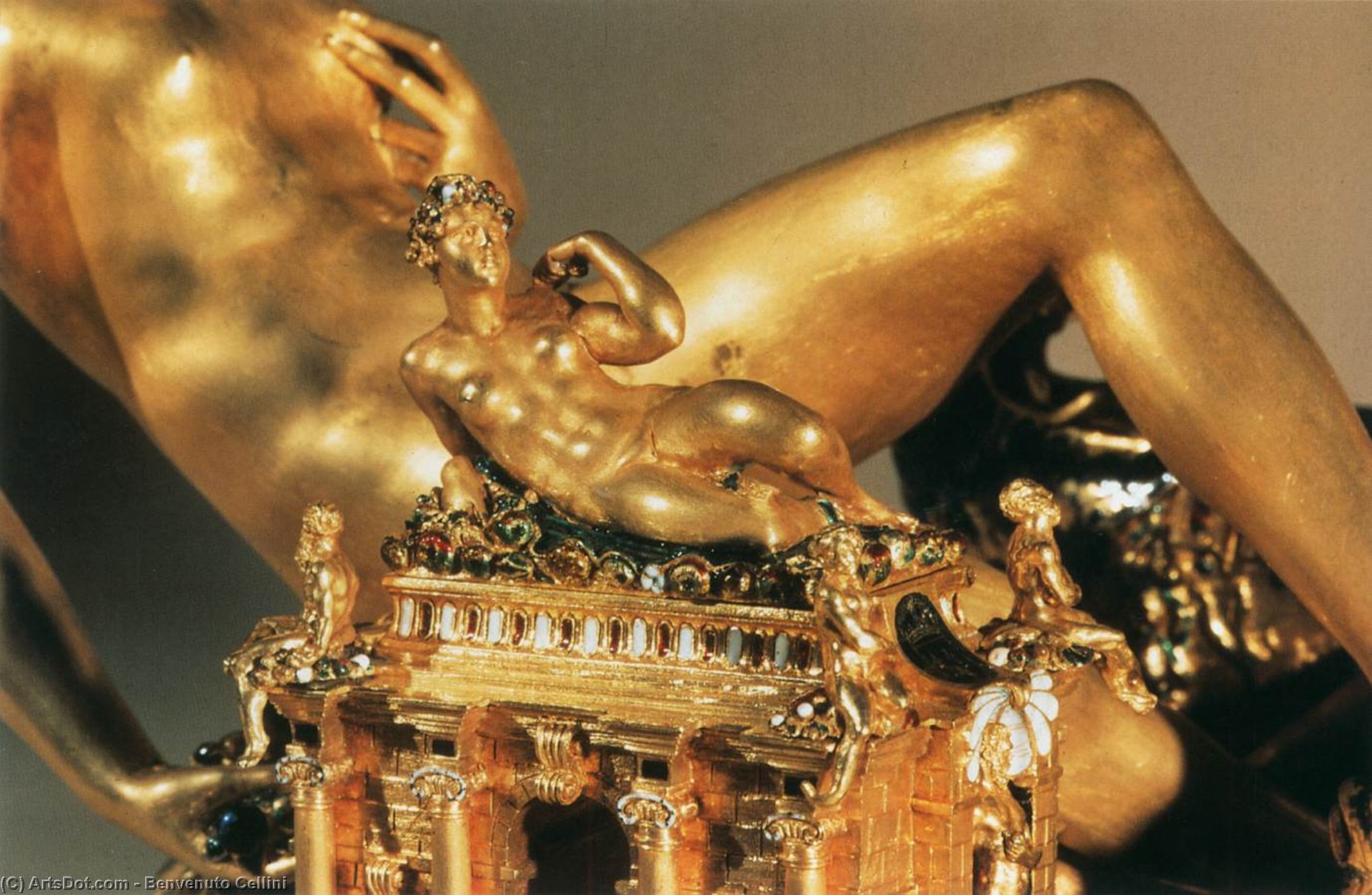
Salt Cellar (detail)


 Lees meer
Handgemaakte olieverfreproductie
Met de hand geschilderd in olieverf op canvas in uw gewenste maat en lijst, op bestelling gemaakt door onze kunstenaars. ( Bestel print Koop afbeelding)




P118B $10

P118H $10

P118W $10

P438Z $10

P508JH $12

P508YH $12

P805H $10

P805Z $10

P919BZ $10

P919G $10

P919XJ $10

P959ZH $10

P968JZ $12

W106C $8

W218G $10

W218JH $8

W218Y $10

W307PJ $10

W316G $10

W316PJ $8

W316Y $10

W398PJ $8

W4111J $10

W500HY $15

W500JH $15

W692G $12

W849H $8

W940BG $15

W953PJ $8




Kies uit onze vooraf ingestelde maten die overeenkomen met de originele verhoudingen van het kunstwerk.

U kunt uw eigen afmetingen invoeren om in een specifieke lijst of ruimte te passen. Als de door u gekozen maat niet overeenkomt met de verhoudingen van het originele beeld, zullen we het kunstwerk bijsnijden of het schilderij uitbreiden met extra handgeschilderde elementen. Een digitale mockup wordt ter goedkeuring naar u verzonden voordat de productie begint.
Houd er rekening mee dat de preview op het scherm niet de werkelijke uitsnede of uitbreiding weergeeft. Alleen de mockup toont de uiteindelijke compositie nauwkeurig.
Hoewel aangepaste afmetingen mogelijk zijn, raden we aan een maat uit de vooraf gedefinieerde lijst te selecteren om de originele verhoudingen te behouden.
Na de bestelling zal het team van OriginalUniqueArt.com per e-mail contact opnemen met de klant voor instructies en een mockup-voorbeeld sturen.
Wereldwijde levering () binnen 3 tot 4 weken in plaats van de standaard 5 weken. (18 augustus). Zonder concessies aan de kwaliteit.

Gratis wereldwijde expressverzending

Hoogwaardig linnen canvas

Volledige verzendverzekering

Garantie op terugbetaling van invoerrechten

Garantie op exacte kleurweergave

Retourbeleid van 60 dagen (alleen bij defecten)

100% Geld-terug-garantie

Korting bij meerdere afnames
 De optie voor glas is alleen beschikbaar bij een formaat kleiner dan 110 cm.

Salt Cellar (detail)
Druktechniek
Afmetingen reproductie
-


Eindtotaal
$ 300
Beschrijving kunstwerk
A Gilded Echo of the Renaissance: Unveiling Benvenuto Cellini's Salt Cellar
Within the hallowed halls of the Kunsthistorisches Museum in Vienna resides a treasure that transcends its humble function as a salt cellar – Benvenuto Cellini’s 1543 masterpiece, “Salt Cellar (detail).” More than just a container for preserving culinary delights, this exquisite object is a profound meditation on beauty, power, and the very essence of Renaissance artistry. Crafted from shimmering gold and meticulously enamelled, it stands as a testament to Cellini's unparalleled skill as a goldsmith and sculptor, a figure who embodied the flamboyant spirit of his era.
Cellini’s work is firmly rooted in the Mannerist style, a movement that flourished following the High Renaissance. Unlike the idealized forms of earlier periods, Mannerism embraced dramatic contrasts, exaggerated proportions, and an intense focus on detail. The Salt Cellar exemplifies this perfectly – its figures are not rendered with serene grace but rather imbued with a palpable energy, a sense of dynamic interaction. The piece’s creation was commissioned for Francis I of France, a discerning patron known for his appreciation of lavish displays of wealth and artistic innovation. This commission speaks volumes about the status of the object and the importance placed on its aesthetic qualities.
A Dance of Gods and Mortals: Decoding the Symbolism
The Salt Cellar’s narrative is rich with symbolic meaning, drawing upon classical mythology and Renaissance ideals. At the heart of the piece are two prominent figures: Ceres, the Roman goddess of agriculture and harvest, and Neptune, god of the sea. Their placement within the celler suggests a harmonious balance between earthly abundance and oceanic power – a potent metaphor for the prosperity and stability sought by the French monarchy under Francis I. The cherubic figure seated on a miniature throne, often interpreted as representing innocence or joy, adds another layer to this complex symbolism. The inclusion of these figures elevates the object beyond mere functionality, transforming it into a visual allegory.
Cellini’s masterful technique is immediately apparent upon close inspection. He employed a combination of lost-wax casting and enamelling – a painstaking process involving creating a wax model, investing it in gold, melting down the wax to create a hollow shell, and then applying layers of enamel to achieve the vibrant colors and intricate details that define the work. The use of *champlevé* technique, where recesses are cut into the metal surface and filled with enamel paste, further enhances the depth and luminosity of the piece. The sheer density of detail—the delicate folds of drapery, the subtle expressions on the figures’ faces—is a testament to Cellini's meticulous approach and his mastery of materials.
A Legacy in Gold: Context and Influence
Benvenuto Cellini’s autobiography, “Autobiography,” provides invaluable insight into the artist’s creative process and worldview. It reveals a man of immense ego and ambition, yet also one deeply passionate about his craft. The Salt Cellar reflects this duality – it is both a product of Cellini's exceptional skill and a reflection of his flamboyant personality. His work profoundly influenced subsequent generations of goldsmiths and sculptors, establishing new standards for technical excellence and artistic expression.
The Salt Cellar’s enduring appeal lies not only in its exquisite beauty but also in its ability to transport us back to the vibrant world of the Italian Renaissance. It is a tangible link to a period of extraordinary creativity and innovation, a reminder of the power of art to inspire, challenge, and captivate. Today, reproductions of this iconic piece continue to grace collections and interiors worldwide, offering a glimpse into the timeless allure of Cellini’s genius.
Biografie van de kunstenaar
Benvenuto Cellini: Een Renaissance Genie
Benvenuto Cellini, geboren in Florence in 1500 en overleden in 1571, was meer dan slechts een kunstenaar; hij belichaamde de geest van de Italiaanse renaissance. Een goudsmid, beeldhouwer, soldaat, musicus én schrijver – zijn leven was een bruisende mix van passie, ambitie en avontuur, vastgelegd in een autobiografie die even kleurrijk is als zijn kunstwerken. Cellini staat symbool voor het maniërisme, een stijlperiode die volgde op de hoogrenaissance en zich kenmerkte door dramatische flair, complexe composities en een verfijnde elegantie.
Van Muziek naar Metaal: Een Artistieke Opleiding
Cellini’s jeugd was doordrenkt van muziek; zijn vader was een befaamd musicus en instrumentmaker. Aanvankelijk toonde hij zelf ook muzikale aanleg, maar op vijftienjarige leeftijd koesterde hij een onwrikbare passie voor het goudsmidwerk. Tegen de bedenkingen van zijn vader in, werd hij leerling bij Antonio di Sandro, beter bekend als Marcone. Deze beslissing zou zijn leven vormgeven. Zijn vroege jaren waren niet zonder tegenslag; een schermutseling op zestienjarige leeftijd leidde tot ballingschap uit Florence en een periode werken onder de goudsmid Fracastoro in Siena. Deze ervaringen, hoewel turbulent, scherpten zijn vaardigheden en versterkten zijn vastberadenheid.
Meesterwerken in Goud en Brons: De Kunst van Cellini
Cellini’s artistieke nalatenschap is rijk en divers. Zijn goudwerk, met name het beroemde zoutvat voor koning Franciscus I van Frankrijk, getuigt van een ongeëvenaarde beheersing van detail en compositie. Het zoutvat, nu te bewonderen in het Kunsthistorisches Museum in Wenen, is meer dan slechts een functioneel object; het is een sculpturale tour de force vol dynamische figuren en ingewikkelde decoraties. Maar Cellini’s bekendste werk blijft wellicht ‘Perseus met het hoofd van Medusa’, een bronzen beeldhouwwerk dat in de Loggia dei Lanzi in Florence staat. Dit monumentale kunstwerk, gegoten in één stuk – een technisch hoogstandje – toont Perseus triomfantelijk over de verslagen Medusa. De expressie van beweging en emotie die Cellini wist vast te leggen in het metaal is werkelijk adembenemend.
Een Leven Vol Avontuur: Soldaat, Schrijver en Self-Made Man
Cellini was niet alleen een kunstenaar; hij was ook een soldaat, die deelnam aan belegeringen en beweerde een cruciale rol te hebben gespeeld bij de verdediging van Rome. Hij was een begaafd musicus, die cornett en fluit bespeelde aan het pauselijk hof. Maar het is zijn autobiografie die hem echt onderscheidt. Dit openhartige en soms opschepperige verslag biedt een unieke kijk op de kunstwereld, de cultuur en de samenleving van de renaissance. Het boek is gevuld met anekdotes over beschermheren, rivalen en persoonlijke avonturen, waardoor we een levendig beeld krijgen van het leven van deze uitzonderlijke man.
Een Erfenis voor de Eeuwen: Cellini’s Plaats in de Geschiedenis
Benvenuto Cellini stierf in 1571 en liet een onuitwisbare indruk achter op de kunstwereld. Zijn technische vaardigheid, zijn artistieke innovatie en zijn boeiende autobiografie blijven kunstenaars en liefhebbers inspireren. Hij belichaamt het ideale van de renaissance: een veelzijdig genie, gedreven door ambitie en niet bang om zijn individualiteit te uiten. Zijn werken worden bewonderd om hun schoonheid, vakmanschap en dramatische kracht, waardoor hij terecht wordt beschouwd als een sleutelfiguur in de westerse kunstgeschiedenis.

Benvenuto Cellini
1500 - 1571 , Italië
Belangrijkste feiten
- Artistic Movement Or Style: Maniërisme
- Artists Who Influenced This Artist: ['Michelangelo']
- Date Of Birth: 1 november 1500
- Date Of Death: 13 februari 1571
- Full Name: Benvenuto Cellini
- Nationality: Italiaans
- Notable Artworks:
- Zoutvat
- Perseus met Medusa
- Leda en de Zwaan
- Place Of Birth: Florence, Italië
Gerelateerde artikelen

Benvenuto Cellini: Renaissance Goldsmith, Sculptor & Master of Self-Fashioning
Explore the life & art of Benvenuto Cellini, Renaissance goldsmith & sculptor. Discover his iconic 'Perseus,' masterful techniques, and enduring legacy – a collector's essential guide.

Top 10 Bronzen Beeldhouwwerken die de Kunst Voorgoed Veranderden | OriginalUniqueArt
Ontdek de 10 meest legendarische bronzen beeldhouwwerken die kunstgeschiedenis schreven! Van Rodin tot Michelangelo, leer over hun meesterwerken & technieken. Vind museumkwaliteit reproducties en inspiratie voor uw interieur op OriginalUniqueArt.com.

The Enduring Form: Exploring Themes & Techniques in Sculpture Across Historical Periods
Explore the rich history of sculpture from ancient masterpieces to contemporary innovations. Discover key techniques, influential artists & investment potential for discerning art collectors.
The Enduring Form: Sculpture Across History, Technique & Emotional Resonance
Explore the rich history of sculpture with OriginalUniqueArt. Discover key techniques, influential artists & investment potential for discerning collectors. Expert insights into valuing and collecting timeless masterpieces.

Top 10 Legendarische Bronzen Meesterwerken die de Kunst Veranderden | OriginalUniqueArt
Ontdek de 10 meest legendarische bronzen meesterwerken die de kunstgeschiedenis veranderden! Van Rodin tot Michelangelo, leer over techniek & betekenis. Museumkwaliteit reproducties voor uw interieur op OriginalUniqueArt.com. Exploreer de collectie online!


