Voorvertoning
 Verstuur
 Delen
Delen
 Details bekijken
 Gids
Gids

 Download
 Vergelijkbare items
 Röntgenonderzoek
 Diavoorstelling
 Q&A
Q&A Statistieken
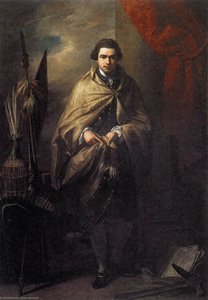
The Drummond Brothers


 Lees meer
Giclée / Kunstafdrukken
Giclée- of canvasafdruk van museumkwaliteit met een snelle productie en flexibele afwerkingsmogelijkheden. ( Bestel handgeschilderde reproductie Schakel over naar digitale afbeeldingen)




P118B €10

P118H €10

P118W €10

P438Z €10

P508JH €12

P508YH €12

P805H €10

P805Z €10

P919BZ €10

P919G €10

P919XJ €10

P959ZH €10

P968JZ €12

W106C €8

W218G €10

W218JH €8

W218Y €10

W307PJ €10

W316G €10

W316PJ €8

W316Y €10

W398PJ €8

W4111J €10

W500HY €15

W500JH €15

W692G €12

W849H €8

W940BG €15

W953PJ €8




Kies uit onze vooraf ingestelde maten die overeenkomen met de originele verhoudingen van het kunstwerk.

Voer de gewenste breedte en hoogte in, passend bij uw lijst of muur. Een afdruk kan alleen worden ingekort en nooit groter worden gemaakt dan het origineel; een formaat met andere verhoudingen zal daarom een deel van de afbeelding verliezen. Wij sturen u een digitaal mockup ter goedkeuring voordat we tot drukwerk overgaan. De afbeelding op deze pagina toont niet de werkelijke uitsnede — dit is alleen te zien op het mockup.
Wereldwijde levering () binnen 2 weken in plaats van de standaard 4/5 weken. (31 oktober)

Gratis wereldwijde expressverzending

Hoogwaardig linnen canvas

Volledige verzendverzekering

Garantie op terugbetaling van invoerrechten

Garantie op exacte kleurweergave

Retourbeleid van 100 dagen (alleen bij defecten)

100% Geld-terug-garantie

Korting bij meerdere afnames
 De optie voor glas is alleen beschikbaar bij een formaat kleiner dan 110 cm.

The Drummond Brothers
Giclée / Kunstafdrukken
Afmetingen reproductie
-


Eindtotaal
€ 72
Benjamin West (1738-1820): A Pioneer Bridging Worlds
Benjamin West was considered the most prominent artist in the English-speaking world of the late Eighteenth Century. Born in 1738 near Springfield, Pennsylvania, the youngest of ten children, West manifested a talent for painting at an early age, and was encouraged to draw by his parents. By fifteen he was already recognized for his talent in portraiture, and by 1756 had attracted the attention of Dr. William Smith, provost of the College of Philadelphia, who enrolled him in the school and devised a special program of classical studies for him. These early studies instilled within him a spirit of innovation that would characterize his entire career. He quickly established himself as a sought-after portraitist in Philadelphia and New York, but a thirst for deeper artistic knowledge propelled him From humble beginnings—his father an innkeeper—West’s innate talent was nurtured by exposure to Native American art forms before receiving formal training. This unconventional start fueled his ambition to master the techniques of European masters, particularly those practicing Neoclassicism. He embarked on a transformative journey to Italy in 1760, immersing himself in the artistic fervor of Rome, Florence, and Venice, where he honed his skills under renowned instructors and absorbed the ideals of Enlightenment thought. This formative experience would profoundly influence his subsequent work, shaping his stylistic choices and thematic concerns.- Style: West’s oeuvre is predominantly characterized by Neoclassicism, a movement that sought to revive the grandeur and moral seriousness of Classical antiquity—specifically Greek and Roman art—as a reaction against the excesses of Rococo. He meticulously adhered to idealized forms and balanced compositions, reflecting the humanist values championed during the Enlightenment era.
- Technique: West excelled in oil painting on canvas, utilizing meticulous brushwork and subtle tonal gradations to achieve remarkable realism and depth. His mastery of chiaroscuro—the dramatic interplay between light and shadow—created a palpable sense of atmosphere and conveyed profound emotional resonance within his subjects.
The Drummond Brothers: A Portrait Steeped in Symbolism
“The Drummond Brothers” depicts two men standing side by side, one gesturing emphatically towards the other. The man on the left holds his hand aloft, conveying authority and perhaps a desire to direct attention—a gesture common in portraits of prominent figures during West’s time. Simultaneously, the man on the right looks downward, suggesting humility or contemplation. These postures are carefully considered, reflecting broader societal ideals about leadership and virtue prevalent in the mid-18th century. The painting's setting contributes significantly to its symbolic meaning. The inclusion of a chair, dining table, and clock underscores themes of domestic tranquility and intellectual pursuits—values highly esteemed by West’s aristocratic patrons. These objects serve as visual anchors, grounding the figures within a recognizable social context while simultaneously hinting at deeper philosophical ideas about time, memory, and human experience.Historical Context & Legacy
Painted in 1767, “The Drummond Brothers” emerged during a period of considerable artistic ferment—the burgeoning Neoclassical movement was reshaping European art and culture. West’s work aligns with the broader intellectual currents of the Enlightenment, which emphasized reason, observation, and moral responsibility. He skillfully captured the spirit of his era, reflecting its fascination with classical ideals and its commitment to portraying human dignity and virtue. West's influence extended far beyond his own lifetime. He served as president of the Royal Academy of Arts for decades, fostering a vibrant artistic community and championing innovative approaches to painting. His students included luminaries such as Charles Willson Peale, Gilbert Stuart, and John Trumbull—artists who would carry West’s stylistic legacy into subsequent generations. Today, “The Drummond Brothers” remains a testament to West's artistic genius and his enduring contribution to the history of art. Its meticulous realism, balanced composition, and subtle symbolism continue to inspire admiration and provoke contemplation among viewers worldwide.Where to Find Reproductions
You can admire this masterpiece in high-resolution reproductions at William Vareika Fine Arts LTD: https://vareikafinearts.com/product/the-drummond-brothers/Veelgestelde vragen
Is "The Drummond Brothers" verkrijgbaar als fine art print?
Een print van "The Drummond Brothers" door Benjamin West kan rechtstreeks worden besteld op de Fine Art Print-pagina: een fine art print op katoenen canvas of archiefwaardig canvaspapier.
Is "The Drummond Brothers" door Benjamin West een licht of een donker kunstwerk?
"The Drummond Brothers" heeft een algehele helderheid van deep_shadow en een luminantie van Dark.
Hoe verbindt "The Drummond Brothers" door Benjamin West Neoclassical Movement met het geboorteland van de kunstenaar?
"The Drummond Brothers" werd gecreëerd door Benjamin West, geboren in Verenigde Staten van Amerika, binnen de Neoclassical Movement-stroming. De herkomst van de kunstenaar verbindt het werk met Neoclassical Movement, zoals beoefend door kunstenaars uit Verenigde Staten van Amerika.
Biografie kunstenaar
A Pioneer Bridging Worlds: The Life and Legacy of Benjamin West
Born in 1738 amidst the burgeoning landscape of colonial Pennsylvania, Benjamin West emerged as a pivotal figure in the transatlantic art world, a painter who skillfully navigated the currents of Neoclassicism and Romanticism while forging a uniquely American artistic identity. His story is one of remarkable self-education, unwavering ambition, and an extraordinary ability to connect with both aristocratic patrons and revolutionary ideals. From humble beginnings—his father an innkeeper in Springfield—West’s innate talent was nurtured by early exposure to the arts, reportedly learning rudimentary techniques from Native Americans before receiving any formal training. This unconventional start instilled within him a spirit of innovation that would characterize his entire career. He quickly established himself as a sought-after portraitist in Philadelphia and New York, but a thirst for deeper artistic knowledge propelled him towards Europe in 1760, embarking on a journey that would irrevocably alter the course of American art.From Italy to London: Forging a Path to Recognition
West’s arrival in Italy marked a turning point. Immersing himself in the artistic heartland of Europe, he studied the masters—Titian, Raphael—and engaged with contemporary Neoclassical thinkers like Anton Rafael Mengs and Angelica Kauffman. This period was crucial in shaping his aesthetic sensibilities, instilling within him an appreciation for classical form and historical narrative. He spent years meticulously copying works by these giants, absorbing their techniques and developing a profound understanding of composition and color theory. However, it was London that ultimately became his adopted home and artistic center. Arriving in 1763, West swiftly ascended the ranks of the British art scene, captivating audiences with his ambitious canvases and securing the patronage of King George III. This royal endorsement not only provided financial stability but also cemented his position as a leading figure within the establishment. A defining moment came with his election to the Royal Academy in 1769, an institution he would later preside over as President from 1792 until his death. His influence extended beyond his own artistic production; West became a champion for American artists seeking training abroad, offering guidance and support to generations of aspiring painters like Allston, Copley, and Morse.Revolutionizing Historical Painting: Technique and Controversy
West’s impact on the art world wasn't merely about achieving technical mastery; it was about challenging conventions. He dared to reimagine historical painting, moving away from rigid adherence to classical precedent and embracing a more contemporary sensibility. The Death of General Wolfe (1770), arguably his most famous work, exemplifies this revolutionary approach. By depicting the fallen general surrounded by figures in *contemporary* military attire rather than traditional Roman garb, West sparked considerable debate. Critics questioned the historical accuracy, but audiences were captivated by the immediacy and emotional resonance of the scene. It was a bold move, a departure from the idealized depictions prevalent at the time, and it signaled a shift towards greater realism and narrative power in history painting, influencing countless artists who followed. His style evolved over time, incorporating elements of Romanticism into his later works, yet always retaining a commitment to ambitious composition and detailed execution. Other notable pieces like Thetis Bringing the Armor to Achilles, The Three Sisters, The Fright of Astyanax, and The Cave of Despair demonstrate his versatility and mastery across a range of mythological and historical themes. The meticulous detail in his brushwork, combined with dramatic lighting and carefully rendered figures, created works that were both visually stunning and emotionally engaging.A Lasting Legacy: Shaping Artistic Identity
Benjamin West’s legacy extends far beyond the canvases he created. He fundamentally altered the landscape of American art, establishing history painting as a viable genre for American artists and fostering a sense of national artistic identity. His presidency of the Royal Academy solidified his influence on British art, promoting innovation and supporting emerging talent.- He championed a more accessible and emotionally engaging style of historical representation.
- His studio became a haven for American artists seeking training in Europe.
- He bridged the gap between Neoclassical ideals and the burgeoning Romantic movement.
Personal Life and Connections
Beyond his artistic achievements, West’s life was marked by significant personal connections. He maintained close friendships with prominent figures in both American and British society, including Benjamin Franklin, whose portrait he painted, and members of the Royal Family. His marriage to Elizabeth Shewell, an American woman he had met in Philadelphia, further cemented his ties to his homeland. West’s home became a gathering place for artists, intellectuals, and diplomats, fostering a vibrant cultural exchange. He was known for his generosity and hospitality, offering support and encouragement to aspiring artists and contributing significantly to the intellectual life of London. His influence extended beyond the art world, shaping perceptions of American identity and promoting transatlantic understanding.
Benjamin West
1738 - 1820 , Verenigde Staten van Amerika
Belangrijkste feiten
- Artistic Movement Or Style: Neoklassiek, Romantisch
- Artists Or Movements Influenced By This Artist:
- Allston
- Copley
- Morse
- Artists Who Influenced This Artist:
- Titian
- Raphael
- Mengs
- Date Of Birth: 1738-10-10
- Date Of Death: 1820-03-11
- Full Name: Benjamin West
- Nationality: Amerikaans
- Notable Artworks:
- De dood van Wolfe
- Thetis
- Drie zusters
- Place Of Birth: Springfield, USA
Gerelateerde artikelen

Illuminating the Enlightenment: Artistic Expression in 18th-Century Europe
Explore the artistic brilliance of the Enlightenment era! Discover Rococo's elegance & Neoclassicism’s virtue with expert insights into 18th-century masterpieces. Learn about David, Kauffmann & more.
Illuminating the Enlightenment: Art & Sociopolitical Context of the 18th Century
Explore the art of the Enlightenment! Discover Rococo's elegance, Neoclassicism’s virtue, & David’s revolutionary masterpieces. Uncover the sociopolitical context shaping 18th-century European painting.
Neoclassicism Explained: The Timeless Elegance of Order, Reason, and the Classical Ideal
Explore the profound elegance of Neoclassicism. Discover how the Enlightenment era embraced Greek and Roman ideals of order, reason, and symmetry to redefine art history through masters like Mengs and Hamilton. A definitive guide for history lovers and art collectors.

Benjamin West: Transatlantic Ambition & Shaping American Art
Explore the life & legacy of Benjamin West, pioneering American artist and Royal Academy president. Discover his Neoclassical masterpieces, transatlantic influence, and lasting impact on art history. Learn more at OriginalUniqueArt.

The Enduring Legacy of Formal Portraiture: Power, Identity & Artistic Exploration
Explore the rich history of formal portraiture & its enduring power to capture identity and shape perception. Discover investment-worthy artworks, expert appraisals, and custom reproduction services at OriginalUniqueArt.