

 Voorvertoning
 Verstuur
 Delen
Delen
 Details bekijken
 Gids
Gids

 Download
 Vergelijkbare items
 Röntgenonderzoek
 Diavoorstelling
 Statistieken
Asanka Manjula May - Pathok


 Lees meer
De kunstwerken die op deze pagina worden weergegeven, zijn beschermd door de auteursrechtwetgeving, wat betekent dat het ons wettelijk niet is toegestaan om identieke reproducties te maken of te verkopen. Deze bescherming wordt gehandhaafd onder internationale overeenkomsten zoals de Conventie van Bern en door nationale wetgeving, waaronder de bepalingen van de Amerikaanse auteurswet - Titel 17. Alle rechten voorbehouden. Reproduceren of distribueren van afbeeldingen is niet toegestaan zonder uitdrukkelijke schriftelijke toestemming van WahooArt.com en de rechthebbenden.
Als een respectvol en legaal alternatief bieden wij op maat gemaakte, handgeschilderde kunstwerken aan die geïnspireerd zijn op het origineel. Onze bekwame en professionele kunstenaars bestuderen zorgvuldig de stijl, sfeer en artistieke essentie van het origineel om een nieuw, uniek werk te creëren dat dezelfde emotie oproept – terwijl het een op zichzelf staande, originele creatie blijft.
Deze methode voldoet volledig aan de auteursrechtwetgeving, omdat het niet gaat om het kopiëren of dupliceren van het beschermde kunstwerk. In plaats daarvan is er sprake van een creatieve herinterpretatie — een nieuw schilderij dat door het origineel wordt geïnspireerd, maar er niet identiek aan is.
Handgemaakte olieverfreproductie
Met de hand geschilderd in olieverf op canvas in uw gewenste maat en lijst, op bestelling gemaakt door onze kunstenaars. ( Schakel over naar print Schakel over naar digitale afbeeldingen)




P118B €10

P118H €10

P118W €10

P438Z €10

P508JH €12

P508YH €12

P805H €10

P805Z €10

P919BZ €10

P919G €10

P919XJ €10

P959ZH €10

P968JZ €12

W106C €8

W218G €10

W218JH €8

W218Y €10

W307PJ €10

W316G €10

W316PJ €8

W316Y €10

W398PJ €8

W4111J €10

W500HY €15

W500JH €15

W692G €12

W849H €8

W940BG €15

W953PJ €8




Kies uit onze vooraf ingestelde maten die overeenkomen met de originele verhoudingen van het kunstwerk.

Voer de breedte en hoogte in die u nodig heeft, passend bij uw lijst of uw muur. Omdat dit handgeschilderd is, kan de kunstenaar bij een afmeting met een andere beeldverhouding iets meer rondom het schilderij schilderen of juist iets meer weglaten — u kiest zelf. Wij sturen u een digitaal mockup ter goedkeuring voordat het schilderwerk begint. De afbeelding die op deze pagina wordt getoond, is niet het uiteindelijke resultaat — alleen de mockup geeft dit weer.
Na de bestelling zal het team van OriginalUniqueArt.com per e-mail contact opnemen met de klant voor instructies en een mockup-voorbeeld sturen.
Wereldwijde levering () binnen 3 tot 4 weken in plaats van de standaard 5 weken. (27 oktober). Zonder concessies aan de kwaliteit.

Gratis wereldwijde expressverzending

Hoogwaardig linnen canvas

Volledige verzendverzekering

Garantie op terugbetaling van invoerrechten

Garantie op exacte kleurweergave

Retourbeleid van 100 dagen (alleen bij defecten)

100% Geld-terug-garantie

Korting bij meerdere afnames
 De optie voor glas is alleen beschikbaar bij een formaat kleiner dan 110 cm.

Asanka Manjula May - Pathok
Druktechniek
Afmetingen reproductie
-


Eindtotaal
€ 264
Biografie kunstenaar
The Vibrant Botanical World of Asanka Shehan Semasinghe
Born in the historic landscape of Anuradhapura, Sri Lanka, Asanka Shehan Semasinghe has emerged as a compelling voice within the realm of contemporary realism. His artistic journey is defined by a profound connection to the natural world, translated through a lens that celebrates both precision and exuberant color. Often recognized under the name Asanka Manjula May, his work serves as a bridge between the tangible textures of nature and a heightened, emotive reality.
The essence of Semasinghe’s practice lies in his ability to capture the captivating charm of botanical life. His compositions often feature striking subjects, such as the vibrant green and yellow hues of cacti, which emerge with startling clarity against deep, atmospheric backdrops. This mastery of contrast allows his pieces to breathe, inviting the viewer into a space where the quiet beauty of flora is elevated to a moment of dramatic significance. Through his brush, the organic forms of plants are not merely depicted but are celebrated as protagonists in their own right.
Style and Artistic Vision
Semasinghe’s approach to contemporary realism is characterized by a rhythmic use of color and a keen eye for detail. His work, exemplified by notable pieces such as Pathok, demonstrates a sophisticated understanding of how light and pigment interact to create depth and vitality. By focusing on nature-inspired themes, he creates an immersive experience that resonates with the viewer's own appreciation for the botanical wonders of our planet.
The significance of his contribution to contemporary art can be seen in the way he invites domestic spaces to host these fragments of the natural world. His paintings do more than decorate; they bring a sense of life and movement into the home, utilizing a palette that is both soothing and energizing. As his body of work continues to develop, Semasinghe remains dedicated to exploring the intricate beauty found within the smallest details of the earth's flora, ensuring that each piece remains a testament to the enduring allure of nature.

Asanka Shehan Semasinghe
1981 - , Sri Lanka
Belangrijkste feiten
- Full Name: Asanka Shehan Semasinghe
- Notable Artworks: ['Pathok']
- Place Of Birth: Anuradhapura, Sri Lanka
- Date Of Birth: 1981
Gerelateerde artikelen
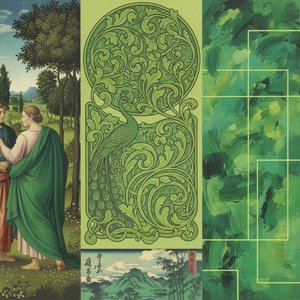
Verdant Visions: Exploring the Symbolism & Aesthetic Impact of Green in Art History
Explore the rich history & symbolism of green in art! Discover iconic paintings, techniques, and how to bring verdant harmony into your home with OriginalUniqueArt's expert guide.
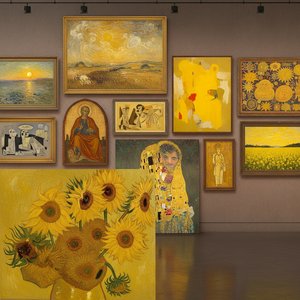
Top 10 Meesterwerken Gedomineerd door 'Chrome Geel': Kunst voor uw Interieur
Ontdek de top 10 beroemde schilderijen gedomineerd door 'Chrome Geel'! Van Gogh, Monet en meer. Leer over kunststijlen & technieken. Museumkwaliteit reproducties voor uw interieur op OriginalUniqueArt.com
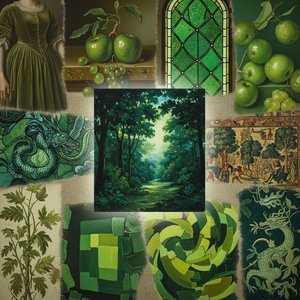
Top 10 Meesterwerken gedomineerd door 'Chrome Groen': Kunst voor uw interieur
Ontdek de top 10 beroemde schilderijen gedomineerd door 'Chrome Groen'! Van Monet tot Van Gogh, reis mee door kunstgeschiedenis en bewonder meesterwerken. Vind uw perfecte reproductie op OriginalUniqueArt.com.

Top 10 Meesterwerken gedomineerd door 'Slate Blue': Kunst voor uw interieur
Ontdek 10 beroemde schilderijen gedomineerd door de prachtige tint 'Slate Blue'. Van Monet tot Van Gogh, leer over kunstgeschiedenis & techniek. Museumkwaliteit reproducties voor uw interieur op OriginalUniqueArt.com! Ontdek de collectie online.
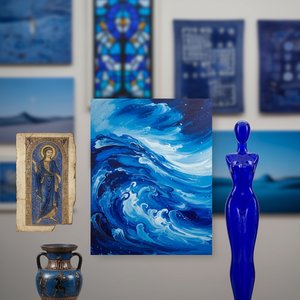
The Allure of Azure: Exploring the Symbolic & Aesthetic Depths of Blue in Art History
Explore the rich history of blue in art! Discover its symbolism, from ancient pigments to modern masterpieces by Kandinsky & Seurat. Uncover the psychological impact and cultural meanings behind this captivating hue.