 Voorvertoning
 Verstuur
 Delen
Delen
 Details bekijken
 Gids
Gids

 Download
 Vergelijkbare items
 Röntgenonderzoek
 Diavoorstelling
 Vraag & antwoord
 Statistieken
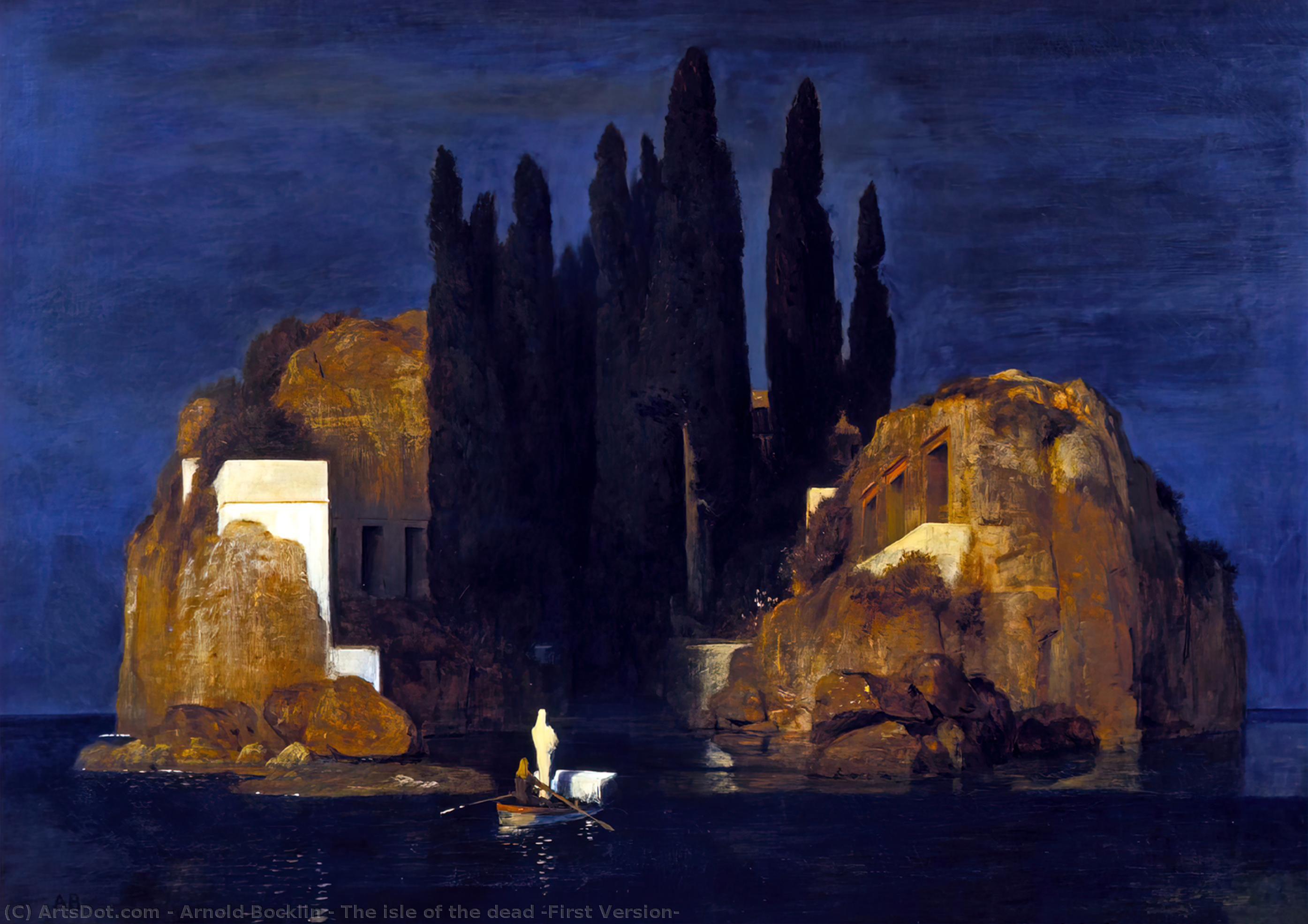
The isle of the dead (First Version)

- 111.0 x 155.0 cm


 Lees meer
Giclée / Kunstafdrukken
Giclée- of canvasafdruk van museumkwaliteit met een snelle productie en flexibele afwerkingsmogelijkheden. ( Bestel handgeschilderde reproductie Schakel over naar digitale afbeeldingen)




P118B €10

P118H €10

P118W €10

P438Z €10

P508JH €12

P508YH €12

P805H €10

P805Z €10

P919BZ €10

P919G €10

P919XJ €10

P959ZH €10

P968JZ €12

W106C €8

W218G €10

W218JH €8

W218Y €10

W307PJ €10

W316G €10

W316PJ €8

W316Y €10

W398PJ €8

W4111J €10

W500HY €15

W500JH €15

W692G €12

W849H €8

W940BG €15

W953PJ €8




Kies uit onze vooraf ingestelde maten die overeenkomen met de originele verhoudingen van het kunstwerk.

Voer de gewenste breedte en hoogte in, passend bij uw lijst of muur. Een afdruk kan alleen worden ingekort en nooit groter worden gemaakt dan het origineel; een formaat met andere verhoudingen zal daarom een deel van de afbeelding verliezen. Wij sturen u een digitaal mockup ter goedkeuring voordat we tot drukwerk overgaan. De afbeelding op deze pagina toont niet de werkelijke uitsnede — dit is alleen te zien op het mockup.
Wereldwijde levering () binnen 2 weken in plaats van de standaard 4/5 weken. (4 november)

Gratis wereldwijde expressverzending

Hoogwaardig linnen canvas

Volledige verzendverzekering

Garantie op terugbetaling van invoerrechten

Garantie op exacte kleurweergave

Retourbeleid van 100 dagen (alleen bij defecten)

100% Geld-terug-garantie

Korting bij meerdere afnames
 De optie voor glas is alleen beschikbaar bij een formaat kleiner dan 110 cm.

The isle of the dead (First Version)
Giclée / Kunstafdrukken
Afmetingen reproductie
-


Eindtotaal
€ 72
A Journey into the Sublime: The Enigmatic World of Böcklin
In the quiet, shadowed corridors of art history, few images possess the haunting magnetism of Arnold Böcklin’s The Isle of the Dead (First Version). Completed in the early 1880s, this masterpiece serves as a profound gateway into the Symbolist movement, where the artist’s brush seeks not to mirror reality, but to evoke the intangible whispers of the soul. As one gazes upon this monumental canvas, they are immediately transported to a realm of profound stillness and spectral beauty. The scene is dominated by a desolate, rocky islet, rising sharply from dark, turbulent waters like a monument to the eternal. Towering cypress trees, those ancient sentinels of mourning, pierce the heavy atmosphere, their dark silhouettes anchoring the composition in a state of perpetual twilight. It is an immersive experience that invites the viewer to step away from the clamor of the modern world and enter a space of deep, meditative contemplation.
The emotional resonance of the work lies in its masterful use of chiaroscuro—the dramatic interplay between light and shadow. Böcklin employs a meticulous oil painting technique, utilizing smooth gradations of color to create an atmospheric gloom that feels almost tactile. The water, dark and brooding, seems to swallow the light, while the starkness of the rocks provides a sense of unyielding permanence. This technical precision allows for a palpable sense of mystery; every ripple in the water and every shadow cast by the cypress trees contributes to a narrative of solitude and transition. For the collector or interior designer, this painting offers more than mere decoration; it provides a focal point of immense gravity, capable of anchoring a room with its somber elegance and sophisticated depth.
Symbolism and the Voyage of the Soul
Beyond its striking aesthetic, the painting is a rich tapestry of mythological and folkloric references. The lone rowing boat, approaching the shore with a shrouded figure at its helm, serves as a powerful metaphor for the final journey of the deceased. Scholars often draw parallels to the classical myth of Charon, the ferryman of Hades, suggesting that this islet is a destination within the underworld itself. This interpretation imbues the work with a universal weight, touching upon the shared human experience of mortality and the mystery of what lies beyond the veil. The cypress trees, traditionally associated with cemeteries and grief, reinforce this theme of remembrance and the cyclical nature of life and death.
Böcklin himself remained famously elusive regarding his specific intentions, allowing the painting to remain an open vessel for individual interpretation. This ambiguity is precisely what gives the work its enduring power; it is a mirror for the viewer's own emotions, whether they find peace in its stillness or trepidation in its shadows. To possess a high-quality reproduction of this work is to invite a piece of the sublime into one's personal space—a constant reminder of the beauty found in the ephemeral and the profound strength found in silence. It is an ideal acquisition for those who appreciate art that challenges the intellect while deeply stirring the heart.
Veelgestelde vragen
Hoe groot is het contrast in "The isle of the dead (First Version)" door Arnold Böcklin?
Het contrastniveau van "The isle of the dead (First Version)" door Arnold Böcklin is Gentle.
In welke fase van de carrière van Arnold Böcklin valt "The isle of the dead (First Version)", gezien de datum?
De datum uit 1880 plaatst "The isle of the dead (First Version)" in de Mature Period van de ontwikkeling van Arnold Böcklin.
Wat zijn de techniek en de datum van "The isle of the dead (First Version)" door Arnold Böcklin?
De techniek van "The isle of the dead (First Version)" door Arnold Böcklin is Oil On Canvas, en het werk dateert uit 1880.
Biografie kunstenaar
Early Life and Training
Arnold Böcklin, a name synonymous with haunting beauty and profound melancholy, was born on October 16, 1827, in Basel, Switzerland—a city steeped in history and artistic tradition. His lineage traced back to an old family of Schaffhausen, engaged in the lucrative trade of silk, a connection that subtly shaped his early exposure to craftsmanship and visual detail. His mother, Ursula Lippe, was a native of the same city, grounding him firmly within the cultural fabric of Basel. Böcklin’s artistic journey began at the age of fourteen when he enrolled at the Düsseldorf Academy, an institution renowned for its rigorous training and emphasis on classical techniques. There, under the tutelage of Johann Wilhelm Schirmer, a prominent landscape painter, he honed his skills in drawing and composition. Schirmer recognized Böcklin's exceptional potential, sending him on excursions to Antwerp and Brussels—cities brimming with artistic heritage—where he diligently copied the works of masters like Peter Paul Rubens, absorbing their techniques and stylistic nuances. This early immersion in the traditions of Northern European painting laid the foundation for his distinctive approach. A brief sojourn in Paris allowed him to study the art of the Old Masters at the Louvre, further broadening his artistic horizons.Artistic Career and Symbolism
Böcklin’s artistic trajectory led him through various cities—Paris, Rome—each leaving an indelible mark on his evolving style. In Rome, he was profoundly influenced by the city's classical ruins and Renaissance art, a period that ignited his fascination with allegory and mythology. His early works began to reflect this influence, featuring figures drawn from ancient myths and legends set against evocative landscapes. Notable examples from this period include *Nymph and Satyr* (1858) and *Sappho* (1859), paintings characterized by a dreamlike quality and a subtle sense of unease. Böcklin’s distinctive style, often described as “symbolist,” emerged through his exploration of themes like death, mortality, and the subconscious—subjects that would dominate much of his later work. A particularly poignant example is *Portrait of Myself with Death Playing the Violin* (1872), a deeply personal and unsettling depiction of the artist confronting his own mortality. This painting showcased his unique ability to infuse seemingly ordinary subjects with layers of symbolic meaning, creating an atmosphere of profound introspection. Böcklin’s work resonated with the burgeoning Symbolist movement, which sought to express inner emotions and ideas through evocative imagery rather than direct representation.The Isle of the Dead: A Masterpiece
Perhaps the most iconic achievement in Arnold Böcklin's oeuvre is his five versions of *The Isle of the Dead* (1880-1886). This series, inspired by a legend concerning a man who sailed to an island and chose to die there, became instantly recognizable and profoundly influential. The painting depicts a desolate landscape shrouded in mist, dominated by towering cypress trees and a mysterious, foreboding island—a place of both beauty and sorrow. The central figure, often interpreted as a priest or mourner, stands before a decaying tomb, gazing out at the swirling waters of the river Styx. Böcklin’s masterful use of color, light, and composition creates an atmosphere of profound melancholy and timelessness. The *Isle of the Dead* is not merely a depiction of death; it's an exploration of mortality, memory, and the human condition—a meditation on the inevitability of loss and the enduring power of the past. The series’ success led to its reproduction in countless prints and postcards, cementing Böcklin’s place as one of the most popular artists of his time.Legacy and Influence
Arnold Böcklin's impact extended far beyond his own lifetime. His work profoundly influenced a generation of younger artists, including Hans Thoma, who admired his ability to evoke mood and atmosphere through symbolic imagery. The artist’s distinctive style—characterized by its dreamlike quality, evocative landscapes, and exploration of dark themes—found resonance in the works of late-Romantic composers such as Richard Strauss, who drew inspiration from Böcklin's paintings for his opera *Tod und Verklärung* (Death and Transfiguration). Clement Greenberg famously described Böcklin’s work as “one of the most consummate expressions” of its time, recognizing its profound emotional depth and artistic sophistication. Böcklin’s legacy is inextricably linked to the Symbolist movement, which sought to transcend the limitations of realism and explore the realm of dreams, myths, and the subconscious. His paintings continue to captivate viewers with their haunting beauty and enduring power—a testament to his unique vision and artistic genius.Museum Collections
Böcklin’s works are proudly displayed in several prestigious museums around the world, offering visitors a chance to experience the full breadth of his artistic output:- Öffentliche Kunstsammlung (Basel, Switzerland)
- Kunstmuseum Basel (Switzerland)
- Museum Kunsthaus Zürich (Zürich, Switzerland)
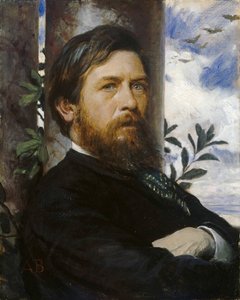
Arnold Böcklin
1827 - 1901 , Zwitserland
Belangrijkste feiten
- Artistic Movement Or Style: Symbolisme
- Artists Or Movements Influenced By This Artist:
- Hans Thoma
- Pre-Raphaelieten
- Artists Who Influenced This Artist:
- Schirmer
- Feuerbach
- Date Of Birth: 16 okt 1827
- Date Of Death: 16 jan 1901
- Full Name: Arnold Böcklin
- Nationality: Zwitserse
- Notable Artworks:
- Isle of the Dead
- Nymph Satyr
- Sappho
- Place Of Birth: Basel, Zwitserland
Gerelateerde artikelen
Top 10 Symbolistische Meesterwerken: Kunst die de Ziel Raakt | OriginalUniqueArt
Ontdek de top 10 symbolistische meesterwerken van kunstenaars als Van Gogh, Munch & Moreau. Duik in de emotionele wereld van dromerige schilderijen en spirituele kunst. Museumkwaliteit reproducties op OriginalUniqueArt.com – voor een unieke interieurdecoratie.

Hieronymus Bosch's Top 25 Meesterwerken: Kunst, Symboliek & Decoratie
Ontdek de top 25 meesterwerken van Hieronymus Bosch! Duik in de symboliek, fantasie & religieuze kunst van deze vroege Nederlandse Renaissance schilder. Vind museumkwaliteit reproducties en inspiratie voor uw interieurdecoratie op OriginalUniqueArt.com.
Thomas Barker of Bath: Landscape Painting & Societal Reflection in Early 19th-Century England
Explore the life & work of Thomas Barker of Bath, a key figure in 19th-century English Romanticism. Discover his Parisian success, iconic paintings like 'The Bride of Death', and lasting artistic legacy. Learn more at OriginalUniqueArt.

Echoes of Absence: Loss & Grief in Visual Art Through the Ages
Explore the profound history of grief in art, from Renaissance masterpieces to contemporary expressions. Discover how artists have captured loss, mourning, and mortality through powerful imagery & symbolism. OriginalUniqueArt offers expert insights.
Iconic Art of the 18th & 19th Centuries: Masterpieces for Your Home | OriginalUniqueArt
Journey through 18th & 19th century art! Explore iconic masterpieces by Monet, Van Gogh & more. Discover the stories behind these timeless paintings and find museum-quality reproductions for your home at OriginalUniqueArt.com.
