
 Bekijk op ware grootte
 Verstuur
 Delen
Delen
 Details bekijken
 Gids voor studentenkunstwerken

 Download
 Vergelijkbare items
 Röntgenonderzoek
 Diavoorstelling
 Statistieken
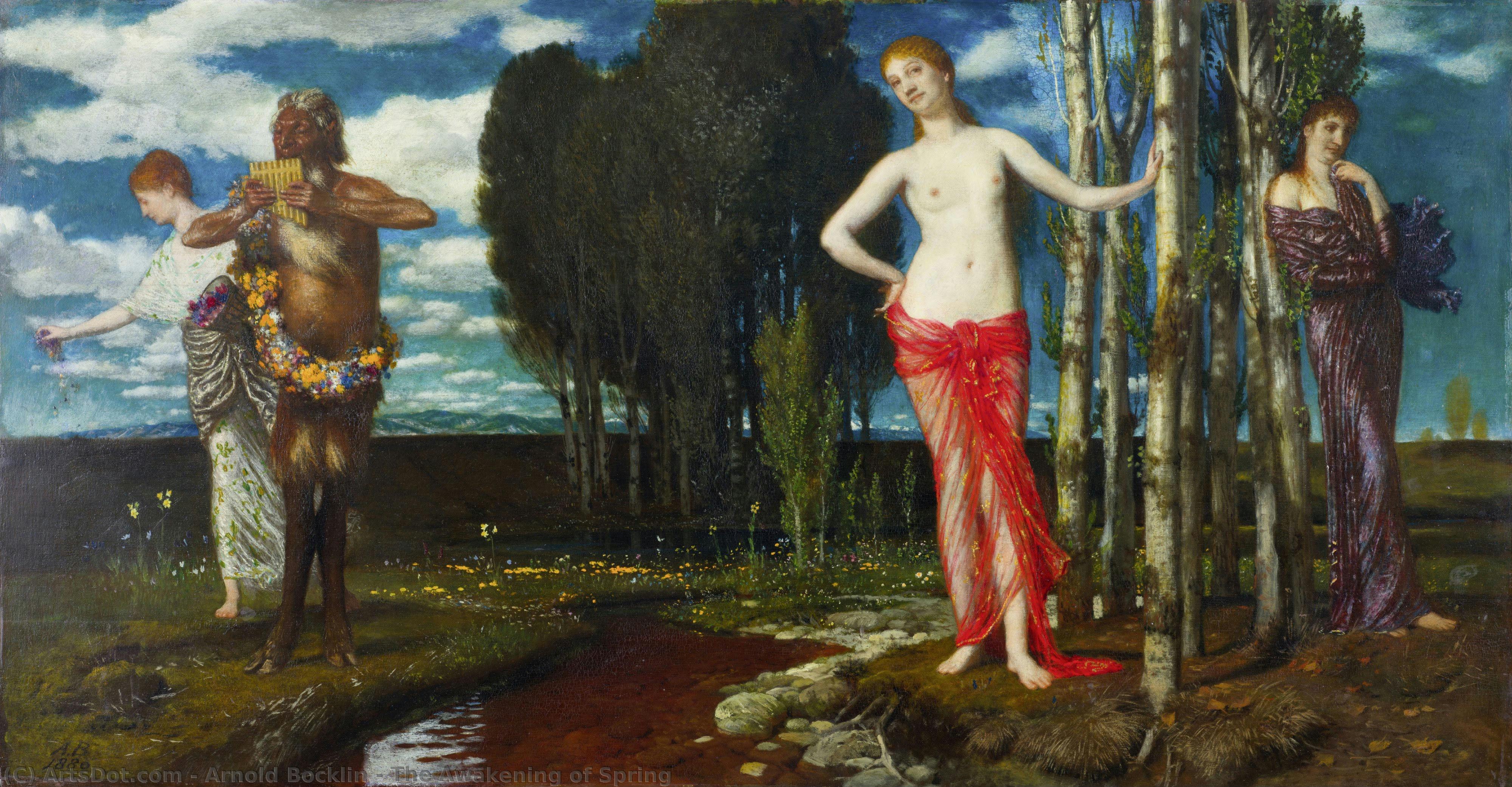
The Awakening of Spring


 Lees meer
Giclée / Kunstafdrukken
Giclée- of canvasafdruk van museumkwaliteit met een snelle productie en flexibele afwerkingsmogelijkheden. ( Koop handgeschilderd kunstwerk Schakel over naar digitale afbeeldingen)




P118B $10

P118H $10

P118W $10

P438Z $10

P508JH $12

P508YH $12

P805H $10

P805Z $10

P919BZ $10

P919G $10

P919XJ $10

P959ZH $10

P968JZ $12

W106C $8

W218G $10

W218JH $8

W218Y $10

W307PJ $10

W316G $10

W316PJ $8

W316Y $10

W398PJ $8

W4111J $10

W500HY $15

W500JH $15

W692G $12

W849H $8

W940BG $15

W953PJ $8




Kies uit onze vooraf ingestelde maten die overeenkomen met de originele verhoudingen van het kunstwerk.

U kunt uw eigen afmetingen opgeven om in een specifieke lijst of ruimte te passen. Als de door u gekozen maat niet overeenkomt met de proporties van het originele kunstwerk, zullen wij de afbeelding bijsnijden of uitbreiden met een gespiegelde of effen rand. Een digitaal mockup wordt ter goedkeuring naar u verzonden voordat de productie begint.
Houd er rekening mee dat de preview op het scherm de werkelijke bijsneding of uitbreiding niet weergeeft. Alleen de mockup toont de uiteindelijke compositie nauwkeurig.
Hoewel aangepaste maten beschikbaar zijn, raden wij aan een afmeting uit de vooraf bepaalde lijst te kiezen om de originele proporties te behouden.
Wereldwijde levering () binnen 2 weken in plaats van de standaard 4/5 weken. (25 september)

Gratis wereldwijde expressverzending

Hoogwaardig linnen canvas

Volledige verzendverzekering

Garantie op terugbetaling van invoerrechten

Garantie op exacte kleurweergave

Retourbeleid van 100 dagen (alleen bij defecten)

100% Geld-terug-garantie

Korting bij meerdere afnames
 De optie voor glas is alleen beschikbaar bij een formaat kleiner dan 110 cm.

The Awakening of Spring
Giclée / Kunstafdrukken
Formaat reproductie
-


Totaalprijs
$ 81
A Dreamscape of Renewal: Arnold Böcklin’s “The Awakening of Spring”
Arnold Böcklin's "The Awakening of Spring" (Frühlingserwachen), painted in 1880, isn’t merely a depiction of springtime; it’s an immersion into a realm of potent symbolism and haunting beauty. This oil-on-wood panel, currently residing within the Kunsthaus Zürich’s collection, immediately draws the viewer into a world where the boundaries between reality and dream blur, inviting contemplation on themes of rebirth, mortality, and the ephemeral nature of existence. Böcklin, a pivotal figure in the Symbolist movement, masterfully employs muted colors—primarily blues, greens, and browns—to create an atmosphere of serene melancholy, a characteristic deeply rooted in his exploration of death and the subconscious.
The scene unfolds with a group of nude women, their forms graceful yet subtly melancholic, gathered around a cluster of blossoming trees. They are not engaged in boisterous revelry but rather seem lost in quiet contemplation, embodying a sense of serene detachment from the world. Their poses—one holding her hands to her hips, another gazing into the distance—suggest a profound connection with nature and an awareness of their own vulnerability within it. The figures aren’t presented as idealized beauties; instead, they possess a certain fragility and timelessness, reflecting Böcklin's fascination with archetypal imagery and the enduring power of myth.
The Roots of Symbolism: Context and Influences
To fully appreciate “The Awakening of Spring,” it’s crucial to understand the artistic currents that shaped Böcklin’s vision. The late 19th century witnessed a growing disillusionment with rationalism and industrialization, leading artists and intellectuals alike to seek solace in the realms of myth, folklore, and the subconscious. Symbolism, emerging from this context, rejected realism in favor of evocative imagery designed to stimulate emotional and spiritual responses. Böcklin’s work is profoundly influenced by Pre-Raphaelitism, particularly the romantic landscapes and allegorical figures of artists like William Holman Hunt and Dante Gabriel Rossetti. Furthermore, he drew inspiration from the writings of Edgar Allan Poe and the philosophies of Friedrich Nietzsche, incorporating elements of darkness, decay, and psychological intensity into his compositions.
The painting’s genesis is intertwined with a personal tragedy – Böcklin's daughter, Maria, died at a young age. This loss undoubtedly fueled his preoccupation with themes of mortality and the cyclical nature of life and death. The image of the “Isle of the Dead,” which he revisited repeatedly throughout his career, served as a visual anchor for these explorations, providing a framework for depicting the transition between worlds.
Decoding the Symbolism: Figures and Flora
Each element within "The Awakening of Spring" carries symbolic weight. The nude figures represent not just physical beauty but also vulnerability, innocence, and a connection to the natural world. Their lack of adornment emphasizes their essential nature, stripped bare of societal constraints. The trees themselves are laden with blossoms—a potent symbol of rebirth, fertility, and the promise of new beginnings. However, the muted palette and the figures’ somber expressions suggest that this renewal is not without its melancholy undertones. The presence of a single bird in the upper left corner adds another layer of meaning, representing hope and freedom amidst the prevailing atmosphere of quiet contemplation.
Notably, the painting echoes Botticelli's "Primavera," a work that itself embodies the themes of spring and renewal. Böcklin’s interpretation, however, is far more introspective and psychologically complex, reflecting his Symbolist sensibilities. The figures are not celebrating the arrival of spring; they are engaged in a silent dialogue with its mysteries—a meditation on life's fleeting beauty and inevitable decay.
A Timeless Resonance: Emotional Impact and Legacy
“The Awakening of Spring” continues to resonate deeply with viewers today, largely due to its evocative atmosphere and profound exploration of universal themes. It’s a painting that invites introspection, prompting us to consider our own relationship with nature, mortality, and the enduring power of dreams. The work's haunting beauty and subtle symbolism have cemented Böcklin’s place as one of the most important figures in Symbolist art, influencing generations of artists and inspiring countless interpretations. Reproductions of this masterpiece offer a window into a world of profound emotional depth—a testament to Böcklin’s extraordinary artistic vision.
Biografie van de kunstenaar
Early Life and Training
Arnold Böcklin, a name synonymous with haunting beauty and profound melancholy, was born on October 16, 1827, in Basel, Switzerland—a city steeped in history and artistic tradition. His lineage traced back to an old family of Schaffhausen, engaged in the lucrative trade of silk, a connection that subtly shaped his early exposure to craftsmanship and visual detail. His mother, Ursula Lippe, was a native of the same city, grounding him firmly within the cultural fabric of Basel. Böcklin’s artistic journey began at the age of fourteen when he enrolled at the Düsseldorf Academy, an institution renowned for its rigorous training and emphasis on classical techniques. There, under the tutelage of Johann Wilhelm Schirmer, a prominent landscape painter, he honed his skills in drawing and composition. Schirmer recognized Böcklin's exceptional potential, sending him on excursions to Antwerp and Brussels—cities brimming with artistic heritage—where he diligently copied the works of masters like Peter Paul Rubens, absorbing their techniques and stylistic nuances. This early immersion in the traditions of Northern European painting laid the foundation for his distinctive approach. A brief sojourn in Paris allowed him to study the art of the Old Masters at the Louvre, further broadening his artistic horizons.Artistic Career and Symbolism
Böcklin’s artistic trajectory led him through various cities—Paris, Rome—each leaving an indelible mark on his evolving style. In Rome, he was profoundly influenced by the city's classical ruins and Renaissance art, a period that ignited his fascination with allegory and mythology. His early works began to reflect this influence, featuring figures drawn from ancient myths and legends set against evocative landscapes. Notable examples from this period include *Nymph and Satyr* (1858) and *Sappho* (1859), paintings characterized by a dreamlike quality and a subtle sense of unease. Böcklin’s distinctive style, often described as “symbolist,” emerged through his exploration of themes like death, mortality, and the subconscious—subjects that would dominate much of his later work. A particularly poignant example is *Portrait of Myself with Death Playing the Violin* (1872), a deeply personal and unsettling depiction of the artist confronting his own mortality. This painting showcased his unique ability to infuse seemingly ordinary subjects with layers of symbolic meaning, creating an atmosphere of profound introspection. Böcklin’s work resonated with the burgeoning Symbolist movement, which sought to express inner emotions and ideas through evocative imagery rather than direct representation.The Isle of the Dead: A Masterpiece
Perhaps the most iconic achievement in Arnold Böcklin's oeuvre is his five versions of *The Isle of the Dead* (1880-1886). This series, inspired by a legend concerning a man who sailed to an island and chose to die there, became instantly recognizable and profoundly influential. The painting depicts a desolate landscape shrouded in mist, dominated by towering cypress trees and a mysterious, foreboding island—a place of both beauty and sorrow. The central figure, often interpreted as a priest or mourner, stands before a decaying tomb, gazing out at the swirling waters of the river Styx. Böcklin’s masterful use of color, light, and composition creates an atmosphere of profound melancholy and timelessness. The *Isle of the Dead* is not merely a depiction of death; it's an exploration of mortality, memory, and the human condition—a meditation on the inevitability of loss and the enduring power of the past. The series’ success led to its reproduction in countless prints and postcards, cementing Böcklin’s place as one of the most popular artists of his time.Legacy and Influence
Arnold Böcklin's impact extended far beyond his own lifetime. His work profoundly influenced a generation of younger artists, including Hans Thoma, who admired his ability to evoke mood and atmosphere through symbolic imagery. The artist’s distinctive style—characterized by its dreamlike quality, evocative landscapes, and exploration of dark themes—found resonance in the works of late-Romantic composers such as Richard Strauss, who drew inspiration from Böcklin's paintings for his opera *Tod und Verklärung* (Death and Transfiguration). Clement Greenberg famously described Böcklin’s work as “one of the most consummate expressions” of its time, recognizing its profound emotional depth and artistic sophistication. Böcklin’s legacy is inextricably linked to the Symbolist movement, which sought to transcend the limitations of realism and explore the realm of dreams, myths, and the subconscious. His paintings continue to captivate viewers with their haunting beauty and enduring power—a testament to his unique vision and artistic genius.Museum Collections
Böcklin’s works are proudly displayed in several prestigious museums around the world, offering visitors a chance to experience the full breadth of his artistic output:- Öffentliche Kunstsammlung (Basel, Switzerland)
- Kunstmuseum Basel (Switzerland)
- Museum Kunsthaus Zürich (Zürich, Switzerland)
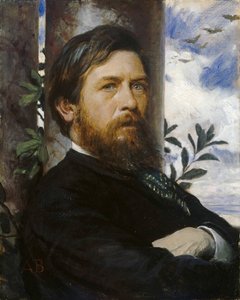
Arnold Böcklin
1827 - 1901 , Zwitserland
Snelle feiten
- Artistic Movement Or Style: Symbolisme
- Artists Or Movements Influenced By This Artist:
- Hans Thoma
- Pre-Raphaelieten
- Artists Who Influenced This Artist:
- Schirmer
- Feuerbach
- Date Of Birth: 16 okt 1827
- Date Of Death: 16 jan 1901
- Full Name: Arnold Böcklin
- Nationality: Zwitserse
- Notable Artworks:
- Isle of the Dead
- Nymph Satyr
- Sappho
- Place Of Birth: Basel, Zwitserland
Gerelateerde artikelen

Arboreal Echoes: A Historical & Artistic Exploration of Trees in Painting
Explore the rich history of trees in painting! Discover symbolism, Romantic masterpieces by Caspar David Friedrich & beyond. A curated journey for art enthusiasts.
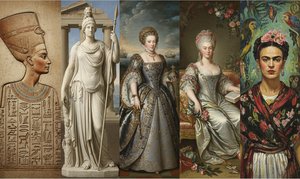
Portrayals of Power & Perception: A Historical Survey of Women in Art
Explore the rich history of women in art – from iconic muses to groundbreaking artists. Discover feminist movements & reclaim female narratives with OriginalUniqueArt. Expert insights for discerning collectors.

The Enduring Allure of the Nude: A Historical & Artistic Exploration of the Human Form
Explore the captivating history of nude art! Discover iconic paintings & artists from classical to modern eras. Uncover symbolism, techniques & find museum-quality reproductions at OriginalUniqueArt.
Arboreal Echoes: A Historical & Artistic Exploration of Trees in Painting
Explore the rich history of trees in painting! Discover symbolism, Romantic masterpieces by Caspar David Friedrich & beyond. A curated journey for art enthusiasts.

The Enduring Muse: Women as Subject & Symbol in Art History
Explore the rich history of women in art – from iconic muses to groundbreaking artists. Discover feminist movements, global perspectives & reclaim female narratives with OriginalUniqueArt.
