Menu
Text size

() ·

A painting made for you, by hand

Pan Dancing with Children

Handgemaakte olieverfreproductie

Met de hand geschilderd in olieverf op canvas in uw gewenste maat en lijst, op bestelling gemaakt door onze kunstenaars. ( Schakel over naar print Schakel over naar digitale afbeeldingen)

Beschrijving verzamelobject

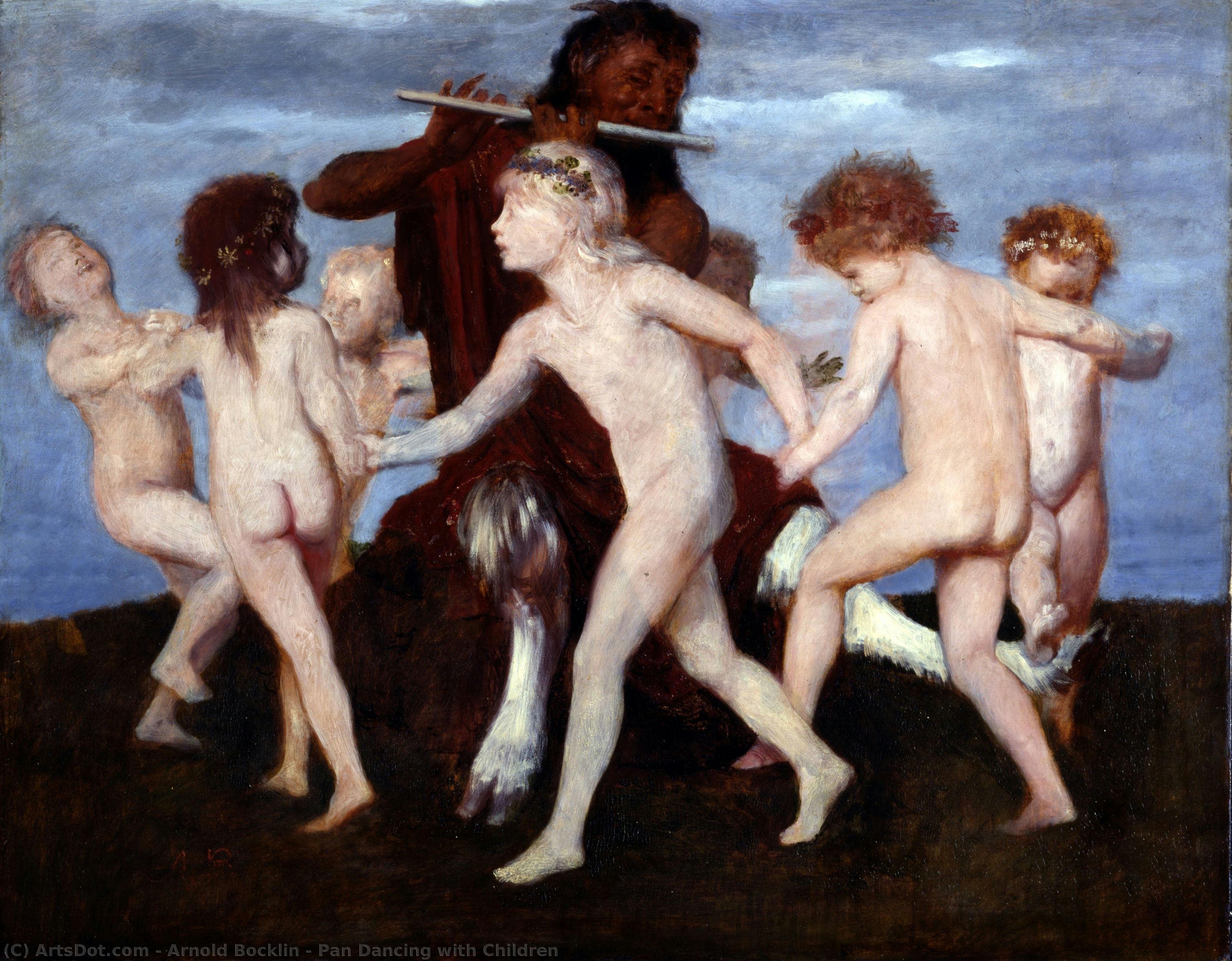
Witness the haunting beauty of Arnold Böcklin's 'Pan Dancing with Children'! This iconic Symbolist masterpiece depicts playful fauns and naked children, evoking mystery & timeless allure.

Biografie kunstenaar

Arnold Böcklin (1827-1901) was een invloedrijke Zwitserse symbolist schilder, bekend om zijn dromerige en vaak donkere werken zoals 'Het Dodeneiland'. Zijn kunst verkent thema's als dood, mythologie en de wereld van dromen.

from ·

Chapter 1

How large should it be?

Slide to change the size; the picture on the left shows the frame at its real width. The proportions of the original are kept.

Standaardformaat
op maat gemaakt
CM
INCH

Kies uit onze vooraf ingestelde maten die overeenkomen met de originele verhoudingen van het kunstwerk.

breedte
hoogte

Voer de breedte en hoogte in die u nodig heeft, passend bij uw lijst of uw muur. Omdat dit handgeschilderd is, kan de kunstenaar bij een afmeting met een andere beeldverhouding iets meer rondom het schilderij schilderen of juist iets meer weglaten — u kiest zelf. Wij sturen u een digitaal mockup ter goedkeuring voordat het schilderwerk begint. De afbeelding die op deze pagina wordt getoond, is niet het uiteindelijke resultaat — alleen de mockup geeft dit weer.


Chapter 2

How should it arrive?

Choose the edges of the stretched canvas

Choose your frame

Corner sample of the WhiteWrap canvas edge finish, stretched on massief hout bars
White €1
Corner sample of the BlurSideWrap canvas edge finish, stretched on massief hout bars
Blurside €1
Corner sample of the ExtendedWrap canvas edge finish, stretched on massief hout bars
Extended €1
Corner sample of the P118B picture frame: gegoten polystyreen, 5 cm wide and 3 cm thick
P118B €10
Corner sample of the P118H picture frame: gegoten polystyreen, 5 cm wide and 3 cm thick
P118H €10
Corner sample of the P118W picture frame: gegoten polystyreen, 5 cm wide and 3 cm thick
P118W €10
Corner sample of the P438Z picture frame: gegoten polystyreen, 5.5 cm wide and 3.5 cm thick
P438Z €10
Corner sample of the P508JH picture frame: gegoten polystyreen, 7 cm wide and 3.5 cm thick
P508JH €12
Corner sample of the P508YH picture frame: gegoten polystyreen, 7 cm wide and 3.5 cm thick
P508YH €12
Corner sample of the P805H picture frame: gegoten polystyreen, 5 cm wide and 3.5 cm thick
P805H €10
Corner sample of the P805Z picture frame: gegoten polystyreen, 5 cm wide and 3.5 cm thick
P805Z €10
Corner sample of the P919BZ picture frame: gegoten polystyreen, 7 cm wide and 3.5 cm thick
P919BZ €10
Corner sample of the P919G picture frame: gegoten polystyreen, 7 cm wide and 3.5 cm thick
P919G €10
Corner sample of the P919XJ picture frame: gegoten polystyreen, 7 cm wide and 3.5 cm thick
P919XJ €10
Corner sample of the P959ZH picture frame: gegoten polystyreen, 5 cm wide and 3 cm thick
P959ZH €10
Corner sample of the P968JZ picture frame: gegoten polystyreen, 6 cm wide and 4 cm thick
P968JZ €12
Corner sample of the W106C picture frame: massief hout, 5 cm wide and 3 cm thick
W106C €8
Corner sample of the W218G picture frame: massief hout, 5 cm wide and 3 cm thick
W218G €10
Corner sample of the W218JH picture frame: massief hout, 5 cm wide and 3 cm thick
W218JH €8
Corner sample of the W218Y picture frame: massief hout, 5 cm wide and 3 cm thick
W218Y €10
Corner sample of the W307PJ picture frame: massief hout, 6 cm wide and 3 cm thick
W307PJ €10
Corner sample of the W316G picture frame: massief hout, 6 cm wide and 3 cm thick
W316G €10
Corner sample of the W316PJ picture frame: massief hout, 6 cm wide and 3 cm thick
W316PJ €8
Corner sample of the W316Y picture frame: massief hout, 6 cm wide and 3 cm thick
W316Y €10
Corner sample of the W398PJ picture frame: massief hout, 5 cm wide and 3 cm thick
W398PJ €8
Corner sample of the W4111J picture frame: massief hout, 6.5 cm wide and 3.5 cm thick
W4111J €10
Corner sample of the W500HY picture frame: massief hout, 7 cm wide and 5 cm thick
W500HY €15
Corner sample of the W500JH picture frame: massief hout, 7 cm wide and 5 cm thick
W500JH €15
Corner sample of the W692G picture frame: massief hout, 8 cm wide and 4 cm thick
W692G €12
Corner sample of the W849H picture frame: massief hout, 5 cm wide and 3 cm thick
W849H €8
Corner sample of the W940BG picture frame: massief hout, 7.5 cm wide and 4.5 cm thick
W940BG €15
Corner sample of the W953PJ picture frame: massief hout, 6 cm wide and 3.5 cm thick
W953PJ €8
Corner sample of the H24-GOLD picture frame: gesneden hout met gesso, 10 cm wide and 6 cm thick
H24-GOLD €30
Corner sample of the H24-SILVER picture frame: gesneden hout met gesso, 10 cm wide and 6 cm thick
H24-SILVER €30
Corner sample of the H36-GOLD picture frame: gesneden hout met gesso, 15 cm wide and 6.5 cm thick
H36-GOLD €45
Corner sample of the H36-SILVER picture frame: gesneden hout met gesso, 15 cm wide and 6.5 cm thick
H36-SILVER €45
Lijstvoorbeeld
Ingelijst

Moulding: . Overall size with the frame: .

Chapter 3

Who paints it, and should anything change?

Examples of what can be changed: Replace face with customer photo; Add pet (e.g., replace cat with dog); Include hidden message in background; Change background landscape or elements.
After order, OriginalUniqueArt.com team will email client for instructions and provide a mockup preview

Wereldwijde levering () binnen 3 tot 4 weken in plaats van de standaard 5 weken. (30 oktober). Zonder concessies aan de kwaliteit.

Chapter 4

The finishing touches

A nameplate, as in a museum?

Details van de gegraveerde bronzen plaat

This elegant plaque features the artist's name and the title of the artwork, finely engraved for a timeless presentation.

It is made from bronze with a refined, elegant finish. The text is precisely laser-engraved for a sharp and permanent result. Measuring 9x2 cm, the plaque is compact yet easy to read. It's built to be durable and scratch-resistant, offering a professional, museum-quality look. Mounting is simple thanks to the included adhesive backing.

Details transparante acrylplaat

The plaque includes essential engraved details such as the artist's name, the title of the artwork, the date it was created, the type of media used-like oil on canvas or watercolor-a brief description of the piece, and a QR code that links to the complete artwork information.

It is crafted from clear acrylic, offering a sleek, modern appearance. The text is UV-engraved in black to ensure strong visual contrast. With a size of 10x15 cm, it ensures optimal readability. It comes equipped with two metal hooks for secure wall mounting. The plaque is designed to be weather-resistant, making it suitable for various environments, and it includes interactive features that work seamlessly with smartphone scanning.

Details zwarte acrylplaat

This elegant plaque includes engraved information such as the artist's name, the title of the artwork, the date it was created, the type of media used (like oil on canvas or watercolor), a short description of the artwork, and a QR code for quick access to more information.

The plaque itself is made from refined black acrylic with a premium finish. The text is laser-engraved in white for high contrast and readability. Its size is 10x15 cm, designed to be easy to read. It comes with two metal hooks for professional mounting. The design is sleek and fits any interior style. It is also weather-resistant and durable, with built-in digital integration for mobile compatibility.

A protective varnish?

When do you need it?

Chapter 5

Your painting, as you ordered it

Pan Dancing with Children

Druktechniek

Afmetingen reproductie

-

Geselecteerde topkunstenaars

Meer detail, verfijning en extra productietijd

-

Lijst voor reproductie

-

-

Voor kunstwerken of reproducties die aan één zijde groter zijn dan 105 cm (ongeveer 41 inch), wordt de lijst als een losse set verzonden. Deze methode garandeert een veilige levering en voorkomt schade tijdens het transport.

Professionele montage vereist - dit is geen doe-het-zelfproduct.
De set moet worden gemonteerd en het canvas moet worden gespannen door een ervaren professionele lijstenmaker, met gebruik van houtlijm (niet inbegrepen), een doekspanter en klemmen om de sponningen recht te houden terwijl de lijm droogt. Onjuiste montage of een ongelijkmatige spanning op het canvas kan het kunstwerk permanent beschadigen en wordt niet gedekt door onze garantie.

  • Alle massief houten onderdelen zijn inbegrepen, nauwkeurig op maat gesneden voor montage.

  • Te monteren met de meegeleverde schroeven, plus houtlijm voor de hoekverbindingen, die niet wordt meegeleverd en door uw lijstenmaker moet worden aangeschaft.

  • Professioneel gereedschap is vereist en niet inbegrepen: een spanner voor canvas en klemmen om de latten recht te houden terwijl de lijm droogt.

Belangrijk:
De hoekverbindingen vereisen houtlijm, de latten moeten met lijmklemmen worden vastgehouden tot de lijm volledig is opgedroogd, en het spannen van het canvas op het samengestelde frame vereist een doekspanter. Geen van deze artikelen is inbegrepen in de set. Wij adviseren u om een ervaren professionele lijstenmaker te raadplegen voordat u deze maat bestelt.

Naamplaatje

-

-

Beschermende vernislaag

Glanzende vernis (versterkt de kleuren en biedt bescherming tegen licht en vocht)

-

Mijn kunstwerk aanpassen

Voorbeelden van aanpassingen: vervang het gezicht door een eigen foto; voeg een huisdier toe (bijv. vervang de kat door een hond); verwerk een verborgen boodschap in de achtergrond; wijzig het landschap of andere elementen op de achtergrond.

-

Spoedlevering

Wereldwijde levering () binnen 3 tot 4 weken in plaats van de standaard 5 weken. (30 oktober). Geen concessies aan de kwaliteit.

-

Spoedlevering

Wereldwijde levering naar binnen 5 weken. (6 november).

Inbegrepen

Eindtotaal

€ 266

Totaalprijs € 266

De optie voor glas is alleen beschikbaar bij een formaat kleiner dan 110 cm.

Included with every order

  • Gratis wereldwijde expressverzending
  • Hoogwaardig linnen canvas
  • Volledige verzendverzekering
  • Garantie op terugbetaling van invoerrechten
  • Garantie op exacte kleurweergave
  • Retourbeleid van 100 dagen (alleen bij defecten)
  • 100% Geld-terug-garantie
  • Korting bij meerdere afnames

The Enigmatic Dance: Arnold Böcklin’s “Pan Dancing with Children”

Arnold Böcklin's "Pan Dancing with Children," painted around 1884, isn’t merely a depiction of a pastoral scene; it’s an immersion into a realm of mythic beauty and unsettling serenity. This captivating work, currently residing within the Museum Folkwang in Essen, Germany, transcends simple representation, offering instead a profound meditation on childhood innocence, primal connection to nature, and the lingering presence of ancient spirits. Böcklin, a key figure in the Symbolist movement, masterfully employed a muted palette—primarily ochres, browns, and deep greens—to create an atmosphere thick with twilight and dreamlike suggestion. The figures themselves are rendered with a remarkable degree of detail, yet possess an almost ethereal quality, as if caught between worlds.

The painting’s composition is deliberately ambiguous. A central group of nude children, seemingly unburdened by adult concerns, frolic around Pan, the god of the wild, shepherds, and flocks. They are engaged in a variety of activities: playing musical instruments crafted from branches, holding hands in playful circles, and gazing upwards with an expression that blends curiosity and contentment. The inclusion of putti—small winged infants—further enhances the sense of otherworldly grace and innocence. Notice how Böcklin subtly integrates elements of classical mythology – the flute Pan holds is a direct reference to the god’s traditional instrument – alongside the rustic setting, creating a harmonious blend of ancient lore and contemporary observation.

A Glimpse into Symbolist Aesthetics

Böcklin's work firmly establishes him as a pivotal figure in the Symbolist movement, which sought to evoke emotions and ideas rather than simply depict reality. Rejecting the naturalism prevalent in earlier art movements, Symbolists like Böcklin prioritized subjective experience and explored themes of death, memory, and the subconscious. “Pan Dancing with Children” exemplifies this approach through its evocative atmosphere and symbolic imagery. The painting’s muted colors, soft lighting, and dreamlike quality contribute to a sense of melancholy and longing—a feeling that resonates deeply within the viewer.

The choice of nudity is particularly significant. It isn't presented in a provocative manner but rather as an embodiment of primal innocence and connection to nature. The children’s vulnerability underscores their purity, while their joyful dance suggests a liberation from worldly concerns. Böcklin’s meticulous attention to detail—from the texture of the children’s skin to the delicate folds of their clothing—further emphasizes their tangible presence within the scene.

Technique and Materials: A Masterful Blend

While often categorized as a painting, “Pan Dancing with Children” incorporates elements of mixed media. Böcklin skillfully combined oil paints with photographic techniques, creating a unique visual texture that blends the immediacy of photography with the depth and richness of traditional painting. This hybrid approach allowed him to capture fleeting moments of light and shadow, imbuing the scene with an unparalleled sense of realism. The use of layering and glazing—applying thin washes of paint over previous layers—contributes to the work’s luminous quality and creates a subtle interplay of colors.

The artist's background in Düsseldorf, associated with the school known for its emphasis on realistic depiction, is evident in the meticulous rendering of the figures and their surroundings. However, Böcklin departs from traditional academic techniques by prioritizing atmosphere and emotional impact over precise representation. This deliberate shift reflects his commitment to Symbolist principles and his desire to create a work that transcends mere visual observation.

Symbolism and Interpretation: Echoes of Ancient Myths

Beyond its aesthetic qualities, “Pan Dancing with Children” is rich in symbolic meaning. Pan himself represents the untamed spirit of nature—a force both benevolent and potentially dangerous. The children’s dance can be interpreted as a celebration of life, joy, and connection to the natural world. However, there's also an undercurrent of melancholy—a sense that this idyllic scene is fleeting and destined to fade away. The painting subtly evokes themes of mortality and the cyclical nature of time.

The inclusion of ancient myths – Pan’s role as a shepherd god, the presence of putti – connects the work to a broader cultural heritage, suggesting a timeless resonance between humanity and the natural world. Böcklin's masterful use of symbolism invites viewers to engage in their own interpretations, creating a deeply personal and emotionally resonant experience. Reproductions of this iconic artwork continue to captivate audiences with its haunting beauty and profound sense of mystery.

Veelgestelde vragen

Is "Pan Dancing with Children" door Arnold Böcklin een licht of een donker kunstwerk?

Wat betreft de waargenomen helderheid is "Pan Dancing with Children" door Arnold Böcklin balanced.

Waar bevindt "Pan Dancing with Children" door Arnold Böcklin zich binnen de kunstgeschiedenis?

Historisch gezien is "Pan Dancing with Children" een Symbolist Painting werk uit het bredere 19th Century tijdperk.

Wat is het aanbevolen formaat en de oriëntatie voor de afdruk van "Pan Dancing with Children"?

Formaat Medium, Landscape oriëntatie: dit is de aanbevolen printinstelling voor "Pan Dancing with Children" door Arnold Böcklin.

More about this painting

Voorvertoning Bekijk in AR Schakel over naar print Schakel over naar digitale afbeeldingen Verstuur
Details bekijken Gids Toevoegen aan favorieten Download Vergelijkbare items Röntgenonderzoek Diavoorstelling Q&A Statistieken

In numbers

  • 29frames to choose from
  • standard sizes, in its own proportions
  • 5weeks to paint and deliver it
Arnold Böcklin

Arnold Böcklin

1827 - 1901, Zwitserland

Quick facts about Arnold Böcklin

  • Artistic Movement Or Style: Symbolisme
  • Artists Or Movements Influenced By This Artist:
    • Hans Thoma
    • Pre-Raphaelieten
  • Artists Who Influenced This Artist:
    • Schirmer
    • Feuerbach
  • Date Of Birth: 16 okt 1827
  • Date Of Death: 16 jan 1901
  • Full Name: Arnold Böcklin
  • Nationality: Zwitserse
  • Notable Artworks:
    • Isle of the Dead
    • Nymph Satyr
    • Sappho
  • Place Of Birth: Basel, Zwitserland

Biografie kunstenaar

Early Life and Training

Arnold Böcklin, a name synonymous with haunting beauty and profound melancholy, was born on October 16, 1827, in Basel, Switzerland—a city steeped in history and artistic tradition. His lineage traced back to an old family of Schaffhausen, engaged in the lucrative trade of silk, a connection that subtly shaped his early exposure to craftsmanship and visual detail. His mother, Ursula Lippe, was a native of the same city, grounding him firmly within the cultural fabric of Basel. Böcklin’s artistic journey began at the age of fourteen when he enrolled at the Düsseldorf Academy, an institution renowned for its rigorous training and emphasis on classical techniques. There, under the tutelage of Johann Wilhelm Schirmer, a prominent landscape painter, he honed his skills in drawing and composition. Schirmer recognized Böcklin's exceptional potential, sending him on excursions to Antwerp and Brussels—cities brimming with artistic heritage—where he diligently copied the works of masters like Peter Paul Rubens, absorbing their techniques and stylistic nuances. This early immersion in the traditions of Northern European painting laid the foundation for his distinctive approach. A brief sojourn in Paris allowed him to study the art of the Old Masters at the Louvre, further broadening his artistic horizons.

Artistic Career and Symbolism

Böcklin’s artistic trajectory led him through various cities—Paris, Rome—each leaving an indelible mark on his evolving style. In Rome, he was profoundly influenced by the city's classical ruins and Renaissance art, a period that ignited his fascination with allegory and mythology. His early works began to reflect this influence, featuring figures drawn from ancient myths and legends set against evocative landscapes. Notable examples from this period include *Nymph and Satyr* (1858) and *Sappho* (1859), paintings characterized by a dreamlike quality and a subtle sense of unease. Böcklin’s distinctive style, often described as “symbolist,” emerged through his exploration of themes like death, mortality, and the subconscious—subjects that would dominate much of his later work. A particularly poignant example is *Portrait of Myself with Death Playing the Violin* (1872), a deeply personal and unsettling depiction of the artist confronting his own mortality. This painting showcased his unique ability to infuse seemingly ordinary subjects with layers of symbolic meaning, creating an atmosphere of profound introspection. Böcklin’s work resonated with the burgeoning Symbolist movement, which sought to express inner emotions and ideas through evocative imagery rather than direct representation.

The Isle of the Dead: A Masterpiece

Perhaps the most iconic achievement in Arnold Böcklin's oeuvre is his five versions of *The Isle of the Dead* (1880-1886). This series, inspired by a legend concerning a man who sailed to an island and chose to die there, became instantly recognizable and profoundly influential. The painting depicts a desolate landscape shrouded in mist, dominated by towering cypress trees and a mysterious, foreboding island—a place of both beauty and sorrow. The central figure, often interpreted as a priest or mourner, stands before a decaying tomb, gazing out at the swirling waters of the river Styx. Böcklin’s masterful use of color, light, and composition creates an atmosphere of profound melancholy and timelessness. The *Isle of the Dead* is not merely a depiction of death; it's an exploration of mortality, memory, and the human condition—a meditation on the inevitability of loss and the enduring power of the past. The series’ success led to its reproduction in countless prints and postcards, cementing Böcklin’s place as one of the most popular artists of his time.

Legacy and Influence

Arnold Böcklin's impact extended far beyond his own lifetime. His work profoundly influenced a generation of younger artists, including Hans Thoma, who admired his ability to evoke mood and atmosphere through symbolic imagery. The artist’s distinctive style—characterized by its dreamlike quality, evocative landscapes, and exploration of dark themes—found resonance in the works of late-Romantic composers such as Richard Strauss, who drew inspiration from Böcklin's paintings for his opera *Tod und Verklärung* (Death and Transfiguration). Clement Greenberg famously described Böcklin’s work as “one of the most consummate expressions” of its time, recognizing its profound emotional depth and artistic sophistication. Böcklin’s legacy is inextricably linked to the Symbolist movement, which sought to transcend the limitations of realism and explore the realm of dreams, myths, and the subconscious. His paintings continue to captivate viewers with their haunting beauty and enduring power—a testament to his unique vision and artistic genius.

Museum Collections

Böcklin’s works are proudly displayed in several prestigious museums around the world, offering visitors a chance to experience the full breadth of his artistic output:
  • Öffentliche Kunstsammlung (Basel, Switzerland)
  • Kunstmuseum Basel (Switzerland)
  • Museum Kunsthaus Zürich (Zürich, Switzerland)
These institutions safeguard and showcase Böcklin’s legacy, ensuring that his art continues to inspire and move audiences for generations to come.

Snelle feiten

  • Artist: Arnold Böcklin
  • Notable elements: Naked children, faun
  • Movement: Symbolism
  • Location: Museum Folkwang, Essen
  • Artistic style: Mythological, allegorical

Kunstquiz

Er is slechts één goed antwoord op elke vraag.

Vraag 1:
What is the primary subject depicted in Arnold Böcklin’s ‘Pan Dancing with Children’?
Vraag 2:
The painting ‘Pan Dancing with Children’ is associated with which artistic movement?
Vraag 3:
What musical instrument does Pan hold in the painting?
Vraag 4:
Where is ‘Pan Dancing with Children’ currently displayed?
Vraag 5:
What is a key characteristic of Arnold Böcklin’s artistic style as exemplified by ‘Pan Dancing with Children’?
Ontdek kunstwerken georganiseerd op thema, stijl en kenmerk.