

 Voorvertoning
 Verstuur
 Delen
Delen
 Details bekijken
 Gids
Gids

 Download
 Vergelijkbare items
 Röntgenonderzoek
 Diavoorstelling
 Statistieken
De aardappelkostuum
 Acryl op canvas
- Wanddecoratie
- French New Wave
 2003
2003 160.0 x 70.0 cm
 Postman Cheval's Ideal Palace
 Lees meer
De kunstwerken die op deze pagina worden weergegeven, zijn beschermd door de auteursrechtwetgeving, wat betekent dat het ons wettelijk niet is toegestaan om identieke reproducties te maken of te verkopen. Deze bescherming wordt gehandhaafd onder internationale overeenkomsten zoals de Conventie van Bern en door nationale wetgeving, waaronder de bepalingen van de Amerikaanse auteurswet - Titel 17. Alle rechten voorbehouden. Reproduceren of distribueren van afbeeldingen is niet toegestaan zonder uitdrukkelijke schriftelijke toestemming van WahooArt.com en de rechthebbenden.
Deze methode voldoet volledig aan de auteursrechtwetgeving, omdat het niet gaat om het kopiëren of dupliceren van het beschermde kunstwerk. In plaats daarvan is er sprake van een creatieve herinterpretatie — een nieuw schilderij dat door het origineel wordt geïnspireerd, maar er niet identiek aan is.
Giclée / Kunstafdrukken
Giclée- of canvasafdruk van museumkwaliteit met een snelle productie en flexibele afwerkingsmogelijkheden. ( Bestel handgeschilderde reproductie Schakel over naar digitale afbeeldingen)




P118B €10

P118H €10

P118W €10

P438Z €10

P508JH €12

P508YH €12

P805H €10

P805Z €10

P919BZ €10

P919G €10

P919XJ €10

P959ZH €10

P968JZ €12

W106C €8

W218G €10

W218JH €8

W218Y €10

W307PJ €10

W316G €10

W316PJ €8

W316Y €10

W398PJ €8

W4111J €10

W500HY €15

W500JH €15

W692G €12

W849H €8

W940BG €15

W953PJ €8




Kies uit onze vooraf ingestelde maten die overeenkomen met de originele verhoudingen van het kunstwerk.

Voer de gewenste breedte en hoogte in, passend bij uw lijst of muur. Een afdruk kan alleen worden ingekort en nooit groter worden gemaakt dan het origineel; een formaat met andere verhoudingen zal daarom een deel van de afbeelding verliezen. Wij sturen u een digitaal mockup ter goedkeuring voordat we tot drukwerk overgaan. De afbeelding op deze pagina toont niet de werkelijke uitsnede — dit is alleen te zien op het mockup.
Wereldwijde levering () binnen 2 weken in plaats van de standaard 4/5 weken. (26 oktober)

Gratis wereldwijde expressverzending

Hoogwaardig linnen canvas

Volledige verzendverzekering

Garantie op terugbetaling van invoerrechten

Garantie op exacte kleurweergave

Retourbeleid van 100 dagen (alleen bij defecten)

100% Geld-terug-garantie

Korting bij meerdere afnames
 De optie voor glas is alleen beschikbaar bij een formaat kleiner dan 110 cm.

De aardappelkostuum
Giclée / Kunstafdrukken
Afmetingen reproductie
-


Eindtotaal
€ 71
Een Singular Visie: Het Onderzoek naar “De aardappelkostuum” van Agnès Varda
Agnès Varda, oorspronkelijk Arlette Varda, stond voor de Franse Nieuwe Golf voorop – een Belgische geboren Française cineaste, scenarist en fotograaf wiens werk fundamenteel opnieuw vorm gaf aan hoe films werden gemaakt en bekeken. Geboren op 30 mei 1928 in Ixelles, Brussel, tot Christiane Pasquet en Eugène Jean Varda (een Griekse vluchteling), werd haar jeugd doordrenkt met de culturele kruispunt van Europa. Deze erfenis – een Franse moeder met wortels in Sète en een vader die zijn afkomst terugvoerde naar Ottomaanse Azië Minor – heeft diepgaand invloed gehad op haar artistieke gevoeligheid, waardoor ze een diepe waardering ontwikkelde voor zowel stedelijke als landelijke landschappen en een scherp bewustzijn van sociale realiteiten. Varda begon haar kunst niet met film maar met fotografie; ze perfectioneerde haar vaardigheden als stille fotograaf, waarbij ze het dagelijks leven van gezinnen vastleg en gebeurtenissen documenteerde voordat ze zich volledig aan bewegende beeldmateriaal wijdde. Deze initiële ervaring bleek onmisbaar, omdat…Compositie & Context: Een Huiskamer Ritueel
De fotografie vangt Varda zelf gekleed in een opvallende aardappelkostuum gemaakt van hars – een bewuste keuze die de kunstenaar vertegenwoordigt voor haar fascinatie voor het platteland en de materiaaliteit van het alledaagse leven. De setting is een eenvoudig ingerichte kamer verlicht door natuurlijk licht, wat overeenkomt met de stille contemplatie die kenmerkend is voor Varda’s oeuvre. Zorgvuldig geplaatste elementen – een donkerblauwe jas en hoed opgehangen aan haakjes aan de linker muur, een portret boven hen, twee klokken – creëren een zorgvuldig opgezette tableau dat veelzeggend is over persoonlijke geschiedenis en artistieke intentie. Deze bewuste plaatsing is niet alleen decoratief; het vestigt een dialoog tussen de kijker en het kunstwerk zelf, waardoor hij wordt uitgenodigd om na te denken over thema’s tijd, plaats en herinnering.Techniek & Materialiteit: Documentaire Nauwgezelligheid Ontmoet Artistieke Beweging
Varda's techniek ligt sterk bij documentaire fotografie, waarbij prioriteit wordt gegeven aan observatie en het vastleggen van authentieke momenten. Echter, “De aardappelkostuum” is niet alleen een kiekje; het is een bewuste opstelling die bedoeld is om contemplatie te stimuleren. De harskostuum – een materiaal gekozen voor zijn duurzaamheid en verbinding met de aarde – vertegenwoordigt meer dan alleen een visueel element; het symboliseert veerkracht en transformatie. Het natuurlijke licht versterkt de texturen van de muur en stof, waardoor de materiaaliteit van de ruimte wordt benadrukt en Varda’s zorgvuldige aandacht voor detail wordt onderstreept. Bovendien draagt de perspectief van de fotografie – éénpuntsperspectief – bij aan het oog naar binnen te trekken, wat overeenkomt met de kunstenaar’s focus op interne ervaring en psychologische nuance.Symbolisme & Emotionele Resonantie: Humor Amidst Reflectie
De absurditeit van de aardappelkostuum dient als een krachtige manier om Varda’s artistieke filosofie uit te drukken. Het plaatst humor tegenover introspectie, waardoor kijkers worden aangemoedigd om na te denken over hoe we verhalen construeren over ons leven en hoe objecten belangrijke emotionele gewicht kunnen dragen. De aanwezigheid van bekende huishoudelijke artikelen – kledingstukken, klokken, portretten – bevestigt het idee dat kunst inspiratie vindt in het alledaagse, waardoor gewone ervaringen worden verhoogd tot momenten van contemplatie en artistieke expressie. Zoals veel van Varda’s films doet “De aardappelkostuum” ons uitnodigen om naar het menselijk bestaan te kijken met een zachte maar scherpzinnige blik.Veelgestelde vragen
Welke kleuren overheersen in "De aardappelkostuum" door Arlette Varda?
"De aardappelkostuum" wordt gekenmerkt door een Neutrale tinten palet met Celadon (#acb7bc) als dominante kleur.
Welke afmeting van "De aardappelkostuum" door Arlette Varda past in de aanbevolen kamer?
De aanbevolen combinatie voor "De aardappelkostuum" door Arlette Varda: een afdruk van Groot formaat in een Woonkamer.
Hoeveel mensen bekijken "De aardappelkostuum"?
De Statistieken-pagina van "De aardappelkostuum" door Arlette Varda toont statistieken over de publieksbezoeken: het aantal maandelijkse bezoeken aan dit kunstwerk, een vergelijking met de meest bekeken werken van de kunstenaar en de herkomst van de bezoekers.
Biografie kunstenaar
Agnès Varda: A Pioneer of the French New Wave
Arlette Varda, later known and celebrated as Agnès Varda, was a singular figure in 20th-century cinema – a Belgian-born French filmmaker, screenwriter, and photographer whose work fundamentally reshaped how movies were made and viewed. Born on May 30, 1928, in Ixelles, Brussels, to Christiane Pasquet and Eugène Jean Varda (a Greek refugee), her early life was steeped in the cultural crossroads of Europe. This heritage – a French mother with roots in Sète and a father tracing his lineage back through Ottoman Asia Minor – profoundly influenced her artistic sensibility, informing a deep appreciation for both urban and rural landscapes, and a keen awareness of social realities. Varda’s journey into art began not with film but with photography; she honed her skills as a still photographer, capturing the everyday lives of families and documenting events before dedicating herself to the moving image. This initial experience proved invaluable, instilling in her an observational eye and a respect for authentic representation – qualities that would become hallmarks of her distinctive cinematic style.Early Years & Photographic Beginnings
Varda’s formal artistic training laid the groundwork for her future success. She studied art history at the École du Louvre and photography at the École des Beaux-Arts, developing a sophisticated understanding of composition, form, and visual storytelling. Crucially, she also attended the Lycée et Collège Victor-Duruy, earning a bachelor’s degree in literature and psychology – disciplines that would later inform her nuanced portrayals of human relationships and psychological states. Her early career as a stage photographer for the Théâtre National Populaire provided an essential apprenticeship, exposing her to theatrical performance and demanding a collaborative approach to visual creation. It was during this period that she began to develop her own unique style, moving beyond mere documentation to explore questions of meaning and form through carefully constructed images. She described her initial foray into photography as “asking questions with composition, form, and meaning,” a philosophy that would permeate her entire cinematic oeuvre.The Birth of the New Wave & Unconventional Techniques
Varda’s emergence coincided with the burgeoning French New Wave movement in the 1950s, and she quickly became one of its most vital voices. Rejecting the polished aesthetics and studio-bound productions of traditional cinema, Varda embraced a radically different approach. She championed location shooting – often in unglamorous urban environments or remote rural areas – and utilized non-professional actors, bringing a sense of realism and immediacy to her films that was unprecedented at the time. This deliberate choice challenged established conventions and reflected a desire to capture authentic experiences rather than staged performances. Her early work, such as *La Pointe Courte* (1955), demonstrated this innovative spirit, employing a documentary-like style with handheld cameras and natural lighting, creating a sense of intimacy and immediacy rarely seen in French cinema. Her films frequently explored themes of female experience, social injustice, and the complexities of human relationships, often through a feminist lens.Notable Works & Lasting Influence
Varda’s filmography is remarkably diverse, encompassing both narrative features and experimental documentaries. *Cléo from 5 to 7* (1962), a poignant portrait of a pop singer grappling with mortality, remains one of her most celebrated works, lauded for its innovative use of time and space. *Vagabond* (1985) is a powerful meditation on homelessness and the search for identity, while *Kung Fu Hooligans* (1976) offered a playful critique of consumer culture. However, it’s her later films that perhaps best exemplify her evolving artistic vision. *Les Cent et une nuits de Simon Cinéma* (1995), a loving tribute to the art of cinema, and *Visages Villages* (2017), a visually stunning exploration of rural France, cemented her legacy as a filmmaker deeply committed to capturing the beauty and complexity of everyday life. Her work was consistently praised for its honesty, empathy, and refusal to adhere to conventional cinematic norms.A Legacy of Innovation & Social Commentary
Arlette Varda’s influence extends far beyond her individual films. She helped to establish a new aesthetic vocabulary for cinema, prioritizing observation, spontaneity, and the voices of ordinary people. Her commitment to social justice is evident in many of her works, particularly those that address issues of gender inequality, poverty, and displacement. Varda's later years saw her continue to push boundaries, experimenting with new technologies and approaches while retaining a deep respect for her artistic roots. She was awarded the Academy Award for Best Documentary Feature for *Visages Villages* in 2018, a testament to her enduring impact on cinema and art. Agnès Varda died on March 29, 2019, leaving behind a rich and influential body of work that continues to inspire filmmakers and audiences alike. Her legacy is not simply one of groundbreaking technique but also of a profound commitment to seeing the world with fresh eyes and telling stories that matter.
Arlette Varda
1928 - 2019 , Belgium
Belangrijkste feiten
- Full Name: Arlette Varda (Agnès Varda)
- Nationality: Belgian-French
- Date Of Birth: 1928
- Date Of Death: 2019
- Place Of Birth: Ixelles, Belgium
- Notable Artworks:
- La Pointe Courte
- Cléo from 5 to 7
- Vagabond
- Artistic Movement Or Style: New Wave Cinema
- Artists Who Influenced This Artist:
- René Clair
- Jean Renoir
- Artists Or Movements Influenced By This Artist:
- François Truffaut
- Jean-Luc Godard
Gerelateerde artikelen

Albert Kretschmer: Capturing 19th-Century Costume & the Seeds of Expressionism
Explore the exquisite costume studies of Albert Kretschmer (1825-1891). Discover his detailed illustrations, influence on art history & connection to early Expressionism. Learn about collecting this remarkable artist's work.
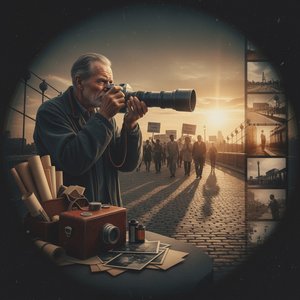
Witnessing History Through Lens & Light: Documentary Photography's Enduring Legacy
Explore the powerful history of documentary photography – from its origins to contemporary masters like Gordon Parks & W. Eugene Smith. Discover how this art form shapes our understanding of society and witness pivotal moments in time.
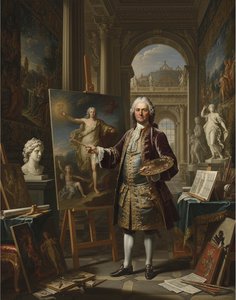
Charles Le Brun: Master of French Baroque Classicism & His Enduring Legacy
Explore the life & art of Charles Le Brun, master of French Baroque Classicism. Discover his royal commissions, influence on Versailles, and enduring legacy through detailed analysis & stunning artworks.
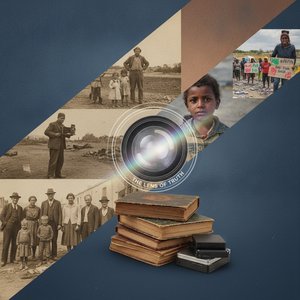
The Lens of Truth: A Comprehensive History and Legacy of Documentary Photography
Explore the profound history of documentary photography. From early daguerreotypes to social reform movements, discover how the lens captures truth, preserves vanishing cultures, and shapes our global visual narrative through an expert art-historical lens.
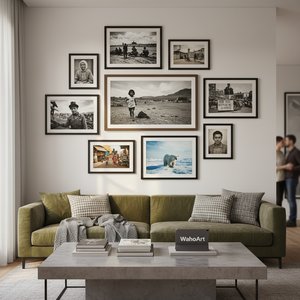
Top 10 Meesterwerken Documentaire Fotografie | Kunst voor je Interieur - OriginalUniqueArt.com
Ontdek de 10 meest invloedrijke meesterwerken van documentaire fotografie! Van Robert Capa tot Dorothea Lange, leer het verhaal achter iconische zwart wit foto's. Vind museumkwaliteit reproducties & decoratie inspiratie op OriginalUniqueArt.com.
