

 Bekijk op ware grootte
 Verstuur
 Delen
Delen
 Details bekijken
 Gids voor studentenkunstwerken

 Download
 Vergelijkbare items
 Röntgenonderzoek
 Diavoorstelling
 Statistieken
Theseus and the Minotaur
 Neoclassical Sculpture
 1781
1781 145.0 x 158.0 cm
 Victoria and Albert Museum
 Lees meer
Giclée / Kunstafdrukken
Giclée- of canvasafdruk van museumkwaliteit met een snelle productie en flexibele afwerkingsmogelijkheden. ( Koop handgeschilderd kunstwerk Schakel over naar digitale afbeeldingen)




P118B $10

P118H $10

P118W $10

P438Z $10

P508JH $12

P508YH $12

P805H $10

P805Z $10

P919BZ $10

P919G $10

P919XJ $10

P959ZH $10

P968JZ $12

W106C $8

W218G $10

W218JH $8

W218Y $10

W307PJ $10

W316G $10

W316PJ $8

W316Y $10

W398PJ $8

W4111J $10

W500HY $15

W500JH $15

W692G $12

W849H $8

W940BG $15

W953PJ $8




Kies uit onze vooraf ingestelde maten die overeenkomen met de originele verhoudingen van het kunstwerk.

U kunt uw eigen afmetingen opgeven om in een specifieke lijst of ruimte te passen. Als de door u gekozen maat niet overeenkomt met de proporties van het originele kunstwerk, zullen wij de afbeelding bijsnijden of uitbreiden met een gespiegelde of effen rand. Een digitaal mockup wordt ter goedkeuring naar u verzonden voordat de productie begint.
Houd er rekening mee dat de preview op het scherm de werkelijke bijsneding of uitbreiding niet weergeeft. Alleen de mockup toont de uiteindelijke compositie nauwkeurig.
Hoewel aangepaste maten beschikbaar zijn, raden wij aan een afmeting uit de vooraf bepaalde lijst te kiezen om de originele proporties te behouden.
Wereldwijde levering () binnen 2 weken in plaats van de standaard 4/5 weken. (26 september)

Gratis wereldwijde expressverzending

Hoogwaardig linnen canvas

Volledige verzendverzekering

Garantie op terugbetaling van invoerrechten

Garantie op exacte kleurweergave

Retourbeleid van 100 dagen (alleen bij defecten)

100% Geld-terug-garantie

Korting bij meerdere afnames
 De optie voor glas is alleen beschikbaar bij een formaat kleiner dan 110 cm.

Theseus and the Minotaur
Giclée / Kunstafdrukken
Formaat reproductie
-


Totaalprijs
$ 81
The Narrative Power of Stone: Antonio Canova’s ‘Theseus and the Minotaur’
Antonio Canova's “Theseus and the Minotaur,” a monumental marble sculpture completed in 1782, isn’t merely a depiction of Greek myth; it’s a profound meditation on victory, sacrifice, and the enduring struggle between order and chaos. This artwork, now housed within the Victoria and Albert Museum in London, transcends its classical subject matter to resonate with viewers centuries later through its masterful execution and deeply layered symbolism. Canova, already establishing himself as the preeminent sculptor of his era, delivers a scene brimming with dramatic tension—a moment frozen in time where the hero’s triumph is tempered by the tragic defeat of his monstrous foe.
The sculpture immediately commands attention through its sheer scale and the exquisite detail of the marble. Canova's skill lies not just in replicating the forms of human and animal anatomy with breathtaking accuracy, but in imbuing them with a palpable sense of emotion. Theseus, seated atop the fallen Minotaur, is rendered with muscular strength and a resolute expression—a testament to his victory. Yet, there’s also an underlying solemnity, a recognition of the cost of triumph. The Minotaur, sprawled in exhaustion or perhaps death, embodies defeat, his massive form conveying both vulnerability and primal power. The smooth, polished surface of the marble itself contributes significantly to the work's impact; it reflects light subtly, creating delicate shadows that define the figures’ contours and heighten their dramatic presence.
Neoclassical Ideals: Form, Composition, and Light
“Theseus and the Minotaur” is a quintessential example of Neoclassicism. Canova meticulously adheres to the principles established by artists like Michelangelo – prioritizing idealized forms, balanced compositions, and a clear narrative. The sculpture’s composition is remarkably centered, drawing the viewer's eye directly from Theseus’s victorious posture towards the defeated Minotaur. This deliberate arrangement reinforces the story’s central theme: the triumph of reason and civilization over barbarity. The use of lines is primarily defined by the curves and contours of the figures, creating a dynamic sense of movement despite the sculpture's stillness. The dark background serves to accentuate the lightness and luminosity of the marble, further emphasizing the heroic drama.
Furthermore, Canova’s masterful manipulation of light and shadow adds depth and realism to the scene. The subtle variations in tone across the marble surface create a sense of volume and texture, while strategically placed highlights draw attention to key details—the musculature of Theseus's body, the contours of the Minotaur’s form, and the laurel wreath adorning Theseus’s head – a potent symbol of victory and honor. The sculpture’s perspective is relatively straightforward, offering a comprehensive view of both figures, while depth is achieved through layering forms and the interplay of light and shadow.
Symbolism and Myth: A Story of Heroic Conflict
At its core, “Theseus and the Minotaur” tells the story of Athenian hero Theseus’s legendary slaying of the monstrous Minotaur within the Labyrinth. The myth itself is rich in symbolism – representing the triumph of order over chaos, civilization over savagery, and the heroic journey against overwhelming odds. The laurel wreath on Theseus's head serves as a clear visual marker of his victory, echoing the traditional symbols of honor and achievement. Conversely, the prone position of the Minotaur signifies defeat, exhaustion, or even death – a poignant reminder of the consequences of unchecked power.
Beyond its mythological narrative, the sculpture can be interpreted as an allegory for human conflict and the struggle to overcome adversity. Theseus embodies courage, intelligence, and strategic thinking—qualities essential for navigating life’s challenges. The Minotaur represents the forces of darkness, ignorance, and destruction that threaten to overwhelm us. Canova's ability to capture this complex interplay of opposing forces within a single, breathtaking sculpture is what elevates “Theseus and the Minotaur” beyond mere historical representation; it becomes a timeless meditation on the human condition.
Biografie van de kunstenaar
Antonio Canova: Een Leven in Marmer
- Geboren: Possagno, Italië (1757)
- Overleden: 1822
Antonio Canova staat als een monumentale figuur in de geschiedenis van de westerse kunst en wordt algemeen beschouwd als de vooraanstaande beeldhouwer van het Neoclassicisme. Zijn meesterschap in het bewerken van marmer en zijn vermogen om klassieke vormen te doordrenken met diepe emotie verzekerden hem een plaats onder de grootste kunstenaars aller tijden. Geboren in Possagno, Italië, als zoon van Pietro Canova, een steenhouwer, werd het vroege leven van Canova gevormd door de artistieke omgeving die hem omringde.
Vroege Jaren en Opleiding
- Familieachtergrond: Het beroep van zijn vader bood een eerste kennismaking met steenhouwen, en zijn grootvader, Pasino Canastova, een beeldhouwer gespecialiseerd in altaren en lage reliëfs, speelde een cruciale rol bij het voeden van zijn talent.
- Vroege Artistieke Ontwikkeling: Zelfs voor zijn tiende jaar toonde Canova een opmerkelijke vaardigheid door kleine marmeren schrijnen te creëren die zijn aangeboren talent tentoonstelden. Hij leerde het vak onder Giuseppe Bernardi ('Torretto') en Giovanni Ferrari, waarmee hij zijn vaardigheden verder verfijnde.
- Academische Studies: Zijn studies aan de Accademia di Belle Arti di Venezia leverden talloze prijzen op, wat zijn reputatie als veelbelovend jonge kunstenaar bevestigde. Een atelier binnen een klooster bood hem de ruimte om zijn ambacht te ontwikkelen.
- Vroege Opdrachten: Vroege opdrachten, zoals de beelden van Orpheus en Eurydice voor senator Giovanni Falier (1775-1777), vertoonden een opkomende Rococo-stijl, wat een voorbode was van zijn latere Neoclassicistische verfijning.
De Opkomst naar Roem en de Neoclassicistische Stijl
- Definitie van het Neoclassicisme: Het werk van Canova wordt gekenmerkt door elegante vormen, geïdealiseerde figuren en een terugkeer naar de esthetische principes van het oude Griekenland en Rome. Hij wist het melodrama van de Barokkunst te vermijden, terwijl hij tegelijkertijd weerstand bood aan de kilheid die vaak werd geassocieerd met eerdere pogingen tot een klassieke revival.
- Kernwerken & Erkenning: Beeldhouwwerken zoals Cupido en Psyche (ca. 1787-1793), de Berouwvolle Magdalena en Hercules en Lichas vestigden zijn reputatie in heel Europa. Zijn werk was zeer gewild bij vorstenhuizen en de adel.
- Promotie van zijn Reputatie: Canova promootte zijn carrière strategisch door de publicatie van gravures van zijn werken en het maken van marmeren versies van gipsafgietsels, wat zorgde voor een wijdverspreide verspreiding van zijn kunst.
- Internationale Lof: Opdrachten uit heel Europa, waaronder een beeld van Theseus en de Minotaurus voor Girolamo Zulian (de Venetiaanse ambassadeur in Rome), bezegelden zijn status als een van de meest gevierde kunstenaars in Europa.
Belangrijke Werken en Nalatenschap
- Opmerkelijke Beeldhouwwerken: Naast de eerder genoemde werken omvatten Canova's significante oeuvre ook de Venus Italica, La Musa Polyhymnia, De Drie Gratiën Dansend en zijn aangrijpende weergave van Eurydice.
- Monumentale Opdrachten: Hij ontving prestigieuze opdrachten voor grafmonumenten, met name het uitgebreide Graf van Paus Clemens XIII in de Sint-Pietersbasiliek in Rome – een bewijs van zijn vaardigheid in zowel beeldhouwkunst als architectonisch ontwerp.
- Gipsoteca Antonio Canova: Het museum Gipsoteca Antonio Canova herbergt de belangrijkste collectie van zijn werken, wat een onschatbaar inzicht biedt in zijn creatieve proces en artistieke evolutie.
- Invloed op Latere Generaties: De invloed van Canova reikte veel verder dan zijn eigen leven; hij vormde het verloop van de Neoclassicistische beeldhouwkunst en inspireerde generaties kunstenaars met zijn technische meesterschap en expressieve kracht.
Historisch Belang
- Belichaming van het Neoclassicisme: Antonio Canova werd synoniem met de Neoclassicistische beweging, waarbij hij de idealen van orde, helderheid en een terugkeer naar de klassieke oudheid belichaamde.
- Hofbeeldhouwer & Diplomaat: Zijn positie als hofbeeldhouwer voor talrijke Europese heersers gaf hem aanzienlijke politieke invloed en stelde hem in staat om de artistieke smaak op het hele continent te vormen.
- Technische Innovatie: Canova's ongeëvenaarde vaardigheid in het snijden van marmer verlegde de grenzen van wat als mogelijk werd beschouwd, waarmee hij een nieuwe standaard zette voor sculpturale excellentie.
- Blijvende Artistieke Erfenis: Zijn beelden blijven wereldwijd publiek betoveren en bevestigen zijn plaats als een van de belangrijkste en meest invloedrijke kunstenaars in de geschiedenis.

Antonio Canova
1757 - 1822 , Italië
Snelle feiten
- Artistic Movement Or Style: Neoclassicisme
- Artists Or Movements Influenced By This Artist: ['Late Barok']
- Artists Who Influenced This Artist: ['Barok sculptoren']
- Date Of Birth: 1757
- Date Of Death: 1822
- Full Name: Antonio Canova
- Nationality: Italiaans
- Notable Artworks:
- Cupid & Psyche
- Grati
- Orpheus
- Place Of Birth (City And Country): Possagno, Italië
Gerelateerde artikelen

The Enduring Allure of Marble in Art History: From Classical Sculpture to Modern Abstraction
Explore the captivating history of marble sculpture from ancient Greece to modern art. Discover renowned artists like Canova & Michelangelo, carving techniques, and investment insights at OriginalUniqueArt.

Top 10 Bronzen Beeldhouwwerken die de Kunst Voorgoed Veranderden | OriginalUniqueArt
Ontdek de 10 meest legendarische bronzen beeldhouwwerken die kunstgeschiedenis schreven! Van Rodin tot Michelangelo, leer over hun meesterwerken & technieken. Vind museumkwaliteit reproducties en inspiratie voor uw interieur op OriginalUniqueArt.com.
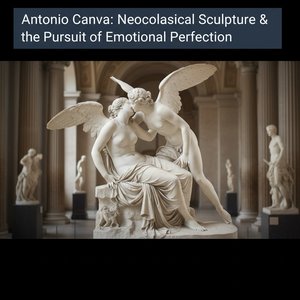
Antonio Canova: Neoclassical Sculpture & the Pursuit of Emotional Perfection
Explore the life & art of Antonio Canova, the greatest Neoclassical sculptor. Discover his masterpieces, innovative techniques, and lasting influence on fine art collecting. Expert insights for discerning investors.
Timeless Grandeur: Exploring the Eternal Beauty and Art-Historical Legacy of Marble Sculpture
Explore the profound legacy of marble sculpture, from Classical antiquity to Neoclassical mastery. A definitive guide for elite collectors and designers seeking to integrate the luminous, eternal beauty of stone into sophisticated, high-end architectural spaces.
Timeless Elegance: A Complete Guide to the Sublime Beauty and Artistry of Marble Sculpture
Discover the sublime beauty of marble art through an expert exploration of Renaissance and Neoclassical masterpieces. From the delicate textures of Carpeaux to the grandeur of Sansovino, immerse yourself in a guide to timeless elegance and sculptural perfection.
