

 Bekijk op ware grootte
 Verstuur
 Delen
Delen
 Details bekijken
 Gids voor studentenkunstwerken

 Download
 Vergelijkbare items
 Röntgenonderzoek
 Diavoorstelling
 Statistieken
The Cyclops Polyphemus


 Lees meer
Handgemaakte olieverfreproductie
Met de hand geschilderd in olieverf op canvas in uw gewenste maat en lijst, op bestelling gemaakt door onze kunstenaars. ( Schakel over naar print Schakel over naar digitale afbeeldingen)




P118B €10

P118H €10

P118W €10

P438Z €10

P508JH €12

P508YH €12

P805H €10

P805Z €10

P919BZ €10

P919G €10

P919XJ €10

P959ZH €10

P968JZ €12

W106C €8

W218G €10

W218JH €8

W218Y €10

W307PJ €10

W316G €10

W316PJ €8

W316Y €10

W398PJ €8

W4111J €10

W500HY €15

W500JH €15

W692G €12

W849H €8

W940BG €15

W953PJ €8




Kies uit onze vooraf ingestelde maten die overeenkomen met de originele verhoudingen van het kunstwerk.

Voer de breedte en de hoogte in die u nodig heeft, passend bij uw lijst of uw muur. Dit is handgeschilderd, dus bij een afmeting met een andere vormverhouding kan de kunstenaar iets meer rondom het schilderij schilderen of juist iets meer weglaten — u kiest zelf. Wij sturen u een digitaal mockup ter goedkeuring voordat het schilderwerk begint. De afbeelding die op deze pagina wordt getoond, is niet het uiteindelijke resultaat — alleen de mockup geeft dit weer.
Na de bestelling zal het team van OriginalUniqueArt.com per e-mail contact opnemen met de klant voor instructies en een mockup-voorbeeld sturen.
Wereldwijde levering () binnen 3 tot 4 weken in plaats van de standaard 5 weken. (21 oktober). Zonder concessies aan de kwaliteit.

Gratis wereldwijde expressverzending

Hoogwaardig linnen canvas

Volledige verzendverzekering

Garantie op terugbetaling van invoerrechten

Garantie op exacte kleurweergave

Retourbeleid van 100 dagen (alleen bij defecten)

100% Geld-terug-garantie

Korting bij meerdere afnames
 De optie voor glas is alleen beschikbaar bij een formaat kleiner dan 110 cm.

The Cyclops Polyphemus
Reproductiemethode
Formaat reproductie
-


Totaalprijs
€ 262
The Cyclops Polyphemus: A Baroque Vision of Mythological Terror
Annibale Carracci’s *The Cyclops Polyphemus*, completed in 1605, stands as a cornerstone of Baroque art—a dramatic distillation of classical mythology infused with the fervor and theatricality characteristic of Rome under Pope Paul V. Located within Palazzo Farnese, Rome, this fresco isn't merely a depiction of Homer’s epic tale; it’s an immersive experience designed to provoke awe and instill fear, mirroring the artistic ambitions of its time.
Carracci’s stylistic approach—a masterful blend of Florentine linear draftsmanship inherited from Raphael and Venetian coloristic exuberance—immediately distinguishes itself. He eschewed the idealized forms favored by Renaissance artists, opting instead for a palpable sense of physicality and emotional intensity. The artist's technique involved meticulous layering of pigments onto wet plaster, creating a luminous surface that captures both light and shadow with breathtaking precision – a hallmark of chiaroscuro championed by Michelangelo.
The narrative itself recounts Polyphemus’s relentless pursuit of Acis and Galatea, portraying the monstrous Cyclops as a formidable adversary armed with a bow and arrow. Carracci skillfully utilizes dramatic lighting to heighten tension, casting harsh shadows that emphasize Polyphemus's grotesque features and conveying the desperation of his victims. The composition is carefully balanced, guiding the viewer’s gaze across the scene and amplifying its emotional impact.
Symbolism and Artistic Influence
Beyond its captivating visual drama, *The Cyclops Polyphemus* resonates with profound symbolic meaning. Polyphemus embodies primal savagery—a rejection of civilized restraint—while Acis and Galatea represent innocence and vulnerability. Carracci’s depiction underscores the enduring fascination with themes of heroism, terror, and moral struggle – anxieties prevalent during the Counter Reformation.
Carracci's influence extended far beyond Palazzo Farnese. His workshop served as a training ground for future Baroque masters like Domenichino and Guido Reni, disseminating his innovative techniques and stylistic sensibilities throughout Italy. The fresco’s bold use of color and expressive gesture established new standards for artistic representation, propelling Baroque art to unprecedented heights of grandeur and emotional resonance.
Technical Details & Reproduction Considerations
Carracci's mastery of fresco technique is evident in the remarkable durability of *The Cyclops Polyphemus*. The pigments bind permanently to the plaster surface, ensuring that its vibrant colors retain their luminosity for centuries. When considering reproductions, it’s crucial to utilize archival-quality materials—such as pigment dispersions and substrates—to faithfully capture the original artwork's essence.
Reproductions should prioritize accurate color rendition and textural detail, striving to convey not only what was seen but also how it *felt*. High-resolution prints or canvases offer optimal visual fidelity, allowing viewers to appreciate Carracci’s artistic genius from afar—a testament to the enduring power of Baroque art.
A Legacy of Dramatic Vision
*The Cyclops Polyphemus* remains a captivating exemplar of Baroque artistry—a masterpiece that continues to inspire admiration and provoke contemplation. Its masterful composition, evocative lighting, and profound symbolic depth solidify Carracci’s place among the titans of Italian Renaissance art.
Vragen & Antwoorden
Toont "The Cyclops Polyphemus" sterke licht-donkercontrasten?
Het licht-donkercontrast van "The Cyclops Polyphemus" wordt weergegeven als Statement. Contrast beschrijft hoe sterk de lichte en donkere vlakken van elkaar verschillen.
Kan ik een olieverfreproductie van "The Cyclops Polyphemus" bestellen?
Met de handgeschilderde kopieën van "The Cyclops Polyphemus" door Annibale Carracci kunt u terecht op deze website: een met de hand geschilderde olieverfreproductie op linnen canvas, te bestellen via de Met de hand geschilderde reproductie pagina.
Welke afdrukinstellingen worden aanbevolen voor "The Cyclops Polyphemus" door Annibale Carracci?
Formaat Large, Portrait oriëntatie: dit is de aanbevolen printinstelling voor "The Cyclops Polyphemus" door Annibale Carracci.
Biografie van de kunstenaar
Early Life and the Bolognese Roots
Annibale Carracci, geboren op 3 november 1560 in Bologna, kwam uit een familie die diep geworteld was in de kunsttraditie. Zijn eerste training vond waarschijnlijk plaats binnen het warme nest van zijn familiewerkplaats, waar hij de basis legde voor een carrière die de kunstwereld in Italië radicaal zou veranderen. Bologna was op dat moment een levendige broedplaats van intellectuele en artistieke ontluiking, maar voelde toch wat afstandelijk ten opzichte van de dominante stromingen die uit Rome en Venetië voortkwamen. Deze gevoelens van provincialisme voedden bij een groep jonge kunstenaars – Annibale, zijn broer Agostino en neef Ludovico – de drang om een nieuwe weg te vinden, een pad dat de Italiaanse kunst zou hervitaliseren door zich te wenden tot de meesters van de Gouden Eeuw, terwijl ze tegelijkertijd een meer naturalistische benadering omarmden.
In 1582 verwees deze ambitie in het leven van de *Accademia degli Incamminati*, aanvankelijk bekend als de Academy of the Desiderosi. Dit was niet alleen een atelier; het was een broedselkamer voor artistische innovatie, een ruimte gewijd aan rigoureuze levensnaalden, levendige discussies en een gezamenlijke zoektocht naar artistieke excellentie. De naam van de academie zelf – de “Progressives” – verraadde hun bedoeling: verder te gaan dan de stijfheid van het Manierisme en een nieuwe koers in te slaan naar een meer genuanceerde, emotioneel resonerende vorm van expressie. De Incamminati werd een model voor kunstacademies in heel Europa, waarbij nadruk werd gelegd op observatie vanuit het leven als hoeksteen van artistieke training.
A Synthesis of Styles and Influences
Carracci’s artistieke visie was niet ontstaan uit het niets; hij was zorgvuldig geconstrueerd door een diepe betrokkenheid bij de nalatenschappen van voorgangers. Hij bezat een buitengewone vaardigheid om verschillende invloeden te synthetiseren, waardoor een stijl ontstond die zowel diep geworteld was in traditie als opvallend origineel. Hij bewonderde de helderheid van lijn en compositie die te vinden was in het werk van Raphael en Andrea del Sarto, en streefde ernaar om hun gratie en harmonie na te bootsen. Tegelijkertijd herkende hij echter ook de kracht van kleur en atmosferische effecten die door Venetiaanse schilders zoals Titiaan werden gepromoot, waardoor zijn eigen werk een levendige uitstraling kreeg en emotionele diepte.
De invloed van Correggio was bijzonder groot, zichtbaar in Carracci’s dynamische composities en illusie technieken – vooral in de fresco’s die hij schilderde voor het Palazzo Farnese. Hij kopieerde deze meesters niet simpelweg; hij absorbeerde hun sterktes en vormde ze om tot iets nieuws. Deze eclectische mix werd de kenmerkende uitstraling van de Bolognese School, een belangrijke tak van de Barok kunst die zowel klassieke idealen als naturalistische observatie benadrukte. Carracci’s genialiteit lag in zijn vermogen om deze tegenstellingen te verenigen, waardoor een harmonieus geheel ontstond dat zowel intellectuele rigoureusheid als emotionele kracht uitstraalde.
The Roman Triumph: Palazzo Farnese and Beyond
De uitnodiging om de fresco’s voor het Palazzo Farnese in Rome te schilderen markeerde een cruciale mijlpaal in Carracci’s carrière. Deze monumentale opdracht – een uitgebreide fresco cyclus die scènes uit de mythologie weergaf – bood hem een ongekende kans om zijn artistieke behendigheid te laten zien en zijn reputatie op grote schaal te vestigen. De *Triumph of Bacchus and Ariadne*, waarschijnlijk zijn meesterwerk, is een adembenemend voorbeeld van illusie techniek, dynamische compositie en levendige kleur. De fresco’s lijken de grenzen tussen schilderkunst en realiteit te vervagen, waardoor de toeschouwer wordt uitgenodigd in een wereld van mythologische grandeur.
Naast *The Triumph*, werkte Carracci ook aan *The Loves of the Gods* bij het Palazzo Farnese, waarbij hij verder onderzoek deed naar thema’s als mythologie en liefde met behulp van klassieke idealisme en scherpe observatie. Deze werken waren niet alleen decoratief; ze waren een verklaring van de kracht van kunst om de menselijke geest te verheffen en de schoonheid van de natuur te vieren. Zijn succes in Rome verstevigde zijn positie als een van de toonaangevende kunstenaars van zijn tijd, waardoor een stroom van opdrachten werd aangetrokken en generaties schilders werden beïnvloed.
Legacy and Historical Significance
Annibale Carracci’s impact op de kunstgeschiedenis is onmiskenbaar. Hij speelde een cruciale rol bij het overbruggen van de kloof tussen de Gouden Eeuw en de Barok periode, waarbij hij de stijfheid van het Manierisme verliet om een meer dynamische, emotioneel geladen esthetiek te bevorderen. Zijn nadruk op naturalisme – op figuren die werden afgebeeld met anatomische nauwkeurigheid en psychologische diepgang – legde de basis voor kunstenaars als Caravaggio, die de Italiaanse schilderkunst verder revolutioneerden met hun dramatische gebruik van licht en schaduw.
De Accademia degli Incamminati, opgericht door Carracci en zijn collega’s, diende als een model voor kunstacademies in heel Europa, waarbij artistieke training werd gepromoot gebaseerd op observatie en klassieke principes. Zijn fresco’s bij het Palazzo Farnese blijven iconische voorbeelden van Barok illusie en artistieke grandeur, die nog steeds bewondering en inspiratie oproepen eeuwen na hun creatie. De collectieve nalatenschap van de Carracci familie – Annibale, Agostino en Ludovico – is een voorbeeld van profunde innovatie en blijvende invloed, waardoor Bologna een belangrijke centrum werd voor artistieke creativiteit.
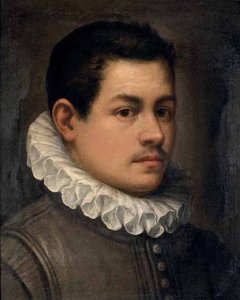
Annibale Carracci
1560 - 1609 , Italië
Snelle feiten
- Artistic Movement Or Style: Barokke School
- Artists Or Movements Influenced By This Artist:
- Caravaggio
- Mannerisme
- Artists Who Influenced This Artist:
- Rafaël
- Andrea del Sarto
- Date Of Birth: 3 november 1560
- Date Of Death: 15 juli 1609
- Full Name: Annibale Carracci
- Nationality: Italiaans
- Notable Artworks:
- Triumph Bacchus
- Liefdes van de Goden
- Place Of Birth: Bologna, Italië
Gerelateerde artikelen
Timeless Legends: A Curated Guide to the Eternal Allure of Mythological Masterpieces
Embark on a sophisticated journey through the eternal allure of mythological art. Discover how master painters breathe life into ancient legends, from Greek deities to Baroque masterpieces, and learn to curate these timeless narratives within your own exquisite art collection.

Barokke Pracht: Kunst die Grootsheid in Huis Brengt
Ontdek de barokke pracht! Leer over de geschiedenis, kenmerken en toepassingen van deze weelderige kunststijl in uw interieur. Laat u inspireren door meesters en breng grootsheid in huis.

The Dramatic Flourish: Exploring the Baroque Movement's Enduring Legacy in Art History
Explore the dramatic world of Baroque art! Discover iconic artists like Caravaggio & Rubens, defining techniques, and its lasting impact on art history. Expert insights for collectors & enthusiasts at OriginalUniqueArt.
Annibale Carracci: Bridging Renaissance Ideals & Baroque Innovation
Explore the life & art of Annibale Carracci, a pivotal figure bridging Renaissance ideals with Baroque innovation. Discover his masterpieces and lasting influence on Italian painting.
Echoes of Olympus: Mythological Narratives in Western Art Through the Ages
Explore the captivating history of mythological narratives in Western art! From ancient Greece to modern masterpieces, discover iconic artworks & symbolism. Expert analysis and high-quality reproductions at OriginalUniqueArt.


