
 Voorvertoning
 Verstuur
 Delen
Delen
 Details bekijken

 Download
 Vergelijkbare items
 Röntgenonderzoek
 Diavoorstelling
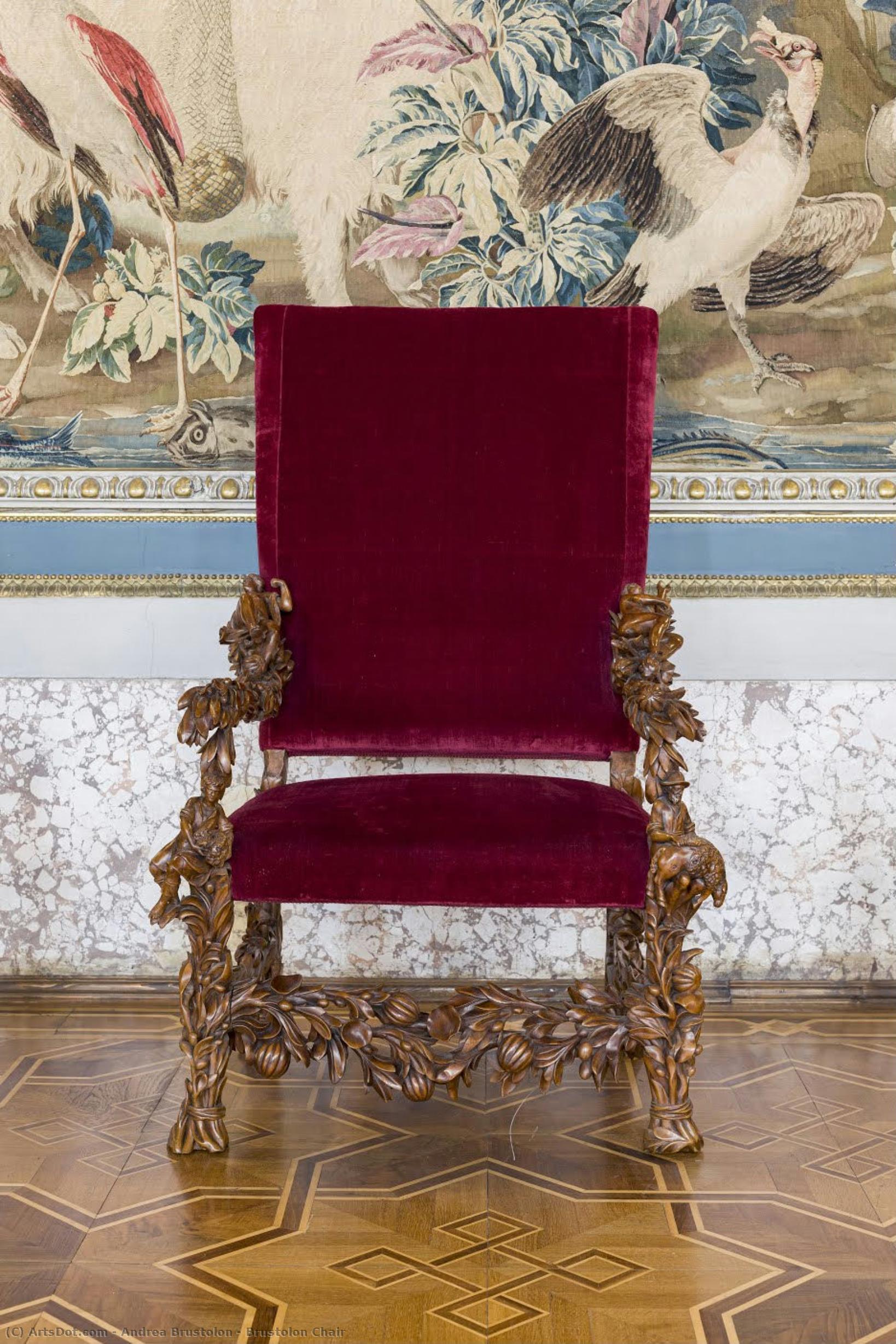
Brustolon Chair
 Oil On Canvas
- WallArt
- Venetian Baroque
 1700
1700- Renaissance
 128.0 x 82.0 cm
 Quirinale Paleis
 Lees meer
Handgemaakte olieverfreproductie
Met de hand geschilderd in olieverf op canvas in uw gewenste maat en lijst, op bestelling gemaakt door onze kunstenaars. ( Bestel print Koop afbeelding)




P118B $10

P118H $10

P118W $10

P438Z $10

P508JH $12

P508YH $12

P805H $10

P805Z $10

P919BZ $10

P919G $10

P919XJ $10

P959ZH $10

P968JZ $12

W106C $8

W218G $10

W218JH $8

W218Y $10

W307PJ $10

W316G $10

W316PJ $8

W316Y $10

W398PJ $8

W4111J $10

W500HY $15

W500JH $15

W692G $12

W849H $8

W940BG $15

W953PJ $8




Kies uit onze vooraf ingestelde maten die overeenkomen met de originele verhoudingen van het kunstwerk.

U kunt uw eigen afmetingen invoeren om in een specifieke lijst of ruimte te passen. Als de door u gekozen maat niet overeenkomt met de verhoudingen van het originele beeld, zullen we het kunstwerk bijsnijden of het schilderij uitbreiden met extra handgeschilderde elementen. Een digitale mockup wordt ter goedkeuring naar u verzonden voordat de productie begint.
Houd er rekening mee dat de preview op het scherm niet de werkelijke uitsnede of uitbreiding weergeeft. Alleen de mockup toont de uiteindelijke compositie nauwkeurig.
Hoewel aangepaste afmetingen mogelijk zijn, raden we aan een maat uit de vooraf gedefinieerde lijst te selecteren om de originele verhoudingen te behouden.
Na de bestelling zal het team van OriginalUniqueArt.com per e-mail contact opnemen met de klant voor instructies en een mockup-voorbeeld sturen.
Wereldwijde levering () binnen 3 tot 4 weken in plaats van de standaard 5 weken. (20 augustus). Zonder concessies aan de kwaliteit.

Gratis wereldwijde expressverzending

Hoogwaardig linnen canvas

Volledige verzendverzekering

Garantie op terugbetaling van invoerrechten

Garantie op exacte kleurweergave

Retourbeleid van 60 dagen (alleen bij defecten)

100% Geld-terug-garantie

Korting bij meerdere afnames
 De optie voor glas is alleen beschikbaar bij een formaat kleiner dan 110 cm.

Brustolon Chair
Druktechniek
Afmetingen reproductie
-


Eindtotaal
$ 300
Beschrijving kunstwerk
A Venetian Masterpiece: The Brustolon Chair (1700)
The Brustolon Chair, dating back to 1700, is more than just a depiction of a luxurious piece of furniture; it’s a tangible link to the opulent world of Venetian Baroque. Painted by Andrea Brustolon himself, a sculptor renowned for his ability to infuse everyday objects with a sense of divine majesty, this work offers a rare glimpse into the tastes and artistic sensibilities of 18th-century Italy. The chair itself – upholstered in rich red velvet, a color signifying wealth and power – is an ornate testament to Brustolon’s skill, likely part of a larger suite intended for a wealthy Venetian household. Its design speaks to the influence of Bernini and other Roman sculptors who shaped the Baroque aesthetic, prioritizing dramatic curves, dynamic movement, and a profound sense of theatricality.
The Artist's Hand: Brustolon’s Technique and Style
Andrea Brustolon (1662-1732) was a pivotal figure in the Venetian Baroque, celebrated for his mastery of wood carving and his ability to transform functional objects into works of art. Born in Belluno, he initially trained within the traditions of Venetian terraferma sculpture, but his travels to Rome between 1678 and 1680 proved transformative. This immersion in the work of Bernini instilled a deep understanding of classical principles – particularly the use of contrapposto (the balanced arrangement of the body) – which is subtly evident in the chair’s posture. Brustolon's technique involved meticulous carving, followed by detailed painting with oil-based pigments, creating a rich surface texture and vibrant colors that have remarkably endured through the centuries. The delicate rendering of the velvet upholstery, combined with the precise detailing of the chair’s frame, demonstrates his exceptional technical skill.
Symbolism and Context: A Reflection of Venetian Society
The inclusion of two birds within the composition adds another layer of meaning to this artwork. Birds were frequently employed in Baroque art as symbols of grace, freedom, and divine inspiration. Their presence suggests a desire for elevated thought and spiritual contemplation – qualities highly valued within the aristocratic circles that commissioned such pieces. The mural backdrop further reinforces this symbolism; it’s likely intended to evoke classical mythology or religious narratives, aligning with the broader artistic trends of the period. The setting itself speaks to the wealth and status of its potential owner, reflecting the importance of luxury and display in Venetian society.
A Timeless Piece for Your Collection
- Size: 128 x 82 cm – A substantial piece suitable for a variety of interior spaces.
- Date: 1700 – A genuine artifact from the height of the Venetian Baroque.
- Artist: Andrea Brustolon – A renowned sculptor whose work embodies the spirit of the era.
- Material: Hand-painted reproduction using archival quality materials, ensuring lasting beauty and authenticity.
This hand-painted reproduction captures not only the visual splendor of the Brustolon Chair but also the artistic genius of Andrea Brustolon himself. It’s a captivating addition to any art collection or a stunning focal point for interior design, offering a tangible connection to one of Italy's most celebrated Baroque artists.
Biografie van de kunstenaar
The Sculptor of Myth and Majesty: The Life of Andrea Brustolon
Andrea Brustolon (1662–1732) stands as a pivotal figure in the Venetian Baroque, an artist whose mastery of wood carving elevated furnishings and devotional sculptures to breathtaking levels of artistry. Born in Belluno, Italy, he honed his skills within a robust local tradition rooted in Genoese influence—specifically under Filippo Parodi—establishing himself firmly at Padua and Venice by 1677. This formative period instilled him with the stylistic sensibilities of Bernini and his contemporaries, shaping a distinctive approach to sculpture that blended the tactile warmth of wood with the theatrical grandeur of stone.
Brustolon’s initial artistic education took place in Belluno, where he absorbed the traditions of Venetian terraferma sculpture. However, recognizing the importance of broadening his horizons, he traveled to Rome between 1678 and 1680, immersing himself in the grandeur of Bernini's oeuvre. This exposure profoundly impacted his style, fostering an appreciation for dynamic composition and theatrical gesture—elements that would become hallmarks of his subsequent work. The influence of Bernini’s Baldacchino at St. Peter’s Basilica is palpable in Brustolon’s later sculptures, demonstrating a conscious effort to emulate the monumental scale and expressive power of Rome's most celebrated sculptor.
A Master of Venetian Opulence and Craftsmanship
Returning to Venice in 1680, Brustolon quickly established himself as a prolific workshop director, employing numerous assistants to fulfill commissions across the city. His work became synonymous with the height of Venetian luxury, particularly within the Venetian ghetto and at the Scuola Levantina. His involvement with the synagogue on the piano nobile exemplifies his commitment to crafting exceptional pieces for religious spaces; the sculpted bimah, supported by solomonic columns inspired by Bernini’s Cathedra Petri, stands as a testament to his artistic vision. Furthermore, Brustolon's collaborations with prominent families like the Pisani and Correr ensured that his name was etched into the very fabric of Venetian aristocratic life.
The true genius of Brustolon lay in his ability to transform functional objects into narrative masterpieces. His furniture was never merely utilitarian; it was a stage for mythological drama. Notable examples of his extraordinary skill include:
- The Brustolon Chair: An opulent masterpiece from 1700, featuring rich red velvet upholstery and a stunning mural backdrop adorned with avian motifs, showcasing the seamless integration of sculpture and decorative arts.
- Celestial Details: His work often featured intricate zodiacal carvings, such as the dramatic Sagittarius and Scorpio details found on his chairs, where wood is carved with such precision that it mimics the fluid movement of living creatures.
- Blackamoor Motifs: A hallmark of his period, these complex figures demonstrate his ability to handle high-contrast textures and allegorical themes through intricate wood carving.
Legacy of the Baroque Woodcarver
Brustolon’s legacy is defined by a rare synthesis of technical virtuosity and emotional intensity. By treating wood with the same reverence and complexity as marble, he pushed the boundaries of what was possible in decorative arts. His ability to weave together classical elegance, astrological symbolism, and the dramatic tension of the Baroque era created a unique aesthetic that remains unparalleled. Today, his surviving works—found in prestigious collections and historic Venetian palaces like Ca' Rezzonico—serve as enduring reminders of an era when art, furniture, and myth were inextricably linked in a single, breathtaking expression of human creativity.

Andrea Brustolon
1662 - 1732 , Italy
Belangrijkste feiten
- Artistic Movement Or Style: Baroque Sculpture
- Artists Or Movements Influenced By This Artist: ['Grimling Gibbons']
- Artists Who Influenced This Artist:
- Bernini
- Filippo Parodi
- Date Of Birth: 1662
- Full Name: Andrea Brustolon
- Nationality: Italian
- Notable Artworks:
- Sagittarius Chair
- Pisces Chair
- Taurus Chair
- Place Of Birth: Belluno, Italy
Gerelateerde artikelen

Crimson Threads of Narrative: Exploring Symbolism & Representation in Artworks Featuring the Red Dress
Explore the rich symbolism of the red dress in art history! From ancient power displays to iconic portraits like Cézanne’s 'Madame Cezanne', discover the cultural and artistic significance behind this captivating color. Expert analysis & insights.

Barokke Pracht: Kunst die Grootsheid in Huis Brengt
Ontdek de barokke pracht! Leer over de geschiedenis, kenmerken en toepassingen van deze weelderige kunststijl in uw interieur. Laat u inspireren door meesters en breng grootsheid in huis.

Italian Baroque Unlocked: High-Drama Art That Hits Hard
Dive into the high-drama world of Italian Baroque art. Discover how chiaroscuro, intense emotion, and theatrical lighting redefined aesthetics. Explore the visceral power of the Counter-Reformation through a modern lens with expert insights from OriginalUniqueArt.com.

Top 10 Barok Meesterwerken: Kunstgeschiedenis voor uw Interieur | OriginalUniqueArt.nl
Ontdek de 10 meest iconische Barok meesterwerken van Caravaggio, Rembrandt & Rubens! Duik in de geschiedenis en passie achter deze klassieke schilderijen. Vind museumkwaliteit reproducties voor uw interieur op OriginalUniqueArt.com.
Jacopo Tintoretto's Meesterwerken: 25 Schilderijen die de Renaissance Definieerden | OriginalUniqueArt
Ontdek de 25 meest indrukwekkende schilderijen van Jacopo Tintoretto, de meester van het Venetiaanse Renaissance. Duik in zijn dramatische stijl, religieuze thema's & techniek. Vind museumkwaliteit reproducties en decoratie-inspiratie op OriginalUniqueArt.com.

