Fauvism
Cassis (André Derain)
André Derain (1880–1954) maakte Cassis. Het behoort tot de Fauvism-stroming. Het is gemaakt van Oil On Canvas.
- Oil On Canvas

 Voorvertoning

 Met de hand geschilderd olieverfwerk
 Verstuur
 Delen
 Gids


 Download
 Vergelijkbare items
 Röntgenonderzoek
 Diavoorstelling
 Vraag & antwoord

 Statistieken
Cassis: de essentie
- Titel
- Cassis
- Kunstenaar
- André Derain (1880–1954)
- Geboren in [jaar]
- Chatou, Frankrijk
- Medium
- Oil On Canvas
- Beweging
- Fauvism
- Periode
- Modern
- Onderwerp
- village, trees, church, house, people, buildings
Wat stelt Cassis voor?
Identification of the Landscape at Cassis
The artwork titled Cassis, also known as Landscape at Cassis, is an oil on canvas painting. This work was executed by the French artist André Derain in 1907. The subject matter focuses on a landscape setting located in Cassis, France.
The painting depicts a village scene characterized by various structures and natural elements. A church occupies a central position within the town. Surrounding this central building are numerous trees. The composition includes a house with a red roof and a building resembling a barn. Several people are positioned throughout the scene, appearing to move through or observe the village environment.
Visual Composition and Subject Matter
The composition centers on a hillside landscape where a house with a red roof sits among various trees. This structure is positioned on an incline, surrounded by dense vegetation. Several people are scattered throughout the scene, appearing as small figures engaged in activities or observing the view. The arrangement of the terrain and the placement of the buildings create a sense of a settled village environment.
The natural elements are rendered as a dense web of stylized forms. These shapes are distributed across a smooth surface, creating a patterned effect within the landscape. The trees and the surrounding greenery form a complex network of lines and colors that define the topography of the hillside. The presence of the church and the barn adds structural variety to the village setting, contrasting with the organic shapes of the foliage.
Artistic Style and Technique
The work exemplifies the essence of Fauvism through its use of vivid colors and energetic brushstrokes. The application of paint involves thick black outlines that define the various structures and natural elements within the scene. These heavy contours create a sharp separation between the buildings, the trees, and the sky. The color palette relies on stark contrasts to establish form and depth. This approach moves away from naturalistic shading in favor of direct, unmixed hues.
The composition occupies a position halfway between Fauvism and Cubism. While the color application remains bold and non-representational, there is an emerging interest in structure and form. The artist uses a dense web of stylized natural elements across the surface. These elements are rendered with a controlled, almost geometric quality that suggests a transition toward more structured compositions. The brushwork remains visible and rhythmic, contributing to the overall sense of movement within the landscape.
Related Works by André Derain
The artist's exploration of the French coastline includes The Cypresses at Cassis and Landscape near Cassis (Paysage aux environs de Cassis). These works focus on the specific light and topography of the region. In the latter, the composition features a house with a red roof situated on a hillside, surrounded by trees and figures. The palette in these studies often utilizes the intense colors associated with the Fauvist movement, employing bold and non-naturalistic hues to define the landscape.
During a period of travel to the United Kingdom, Derain produced a series of thirty paintings focused on the urban environment of London. These works move away from the quietude of the French countryside to capture the structural weight of the city and the movement of the Thames. His later output also includes Harlequin and Pierrot, a work from 1924 that reflects a shift in his stylistic direction following his earlier experimental years.
- The Cypresses at Cassis
- Landscape near Cassis (Paysage aux environs de Cassis)
- Harlequin and Pierrot
Where to See This Artwork Today
The oil on canvas painting is currently held within the collection of the New Orleans Museum of Art. This institution maintains the work as part of its permanent holdings. Visitors seeking to observe the piece in person can find it within this specific museum setting.
The provenance and ownership of the work involve the Hermann und Margrit Rupf-Stiftung, Kunstmuseum Bern. This association links the painting to the collection at the Kunstmuseum Bern. Additionally, the artist's broader body of work is represented in the Musee d'art moderne Andre Malraux, which houses other pieces by the same hand.
Cassis in hoge resolutie

Publiek domein: de kunstenaar is overleden in 1954.
Meer formaten, uitsneden & citatiegegevens →André Derain, Cassis. Publiek domein
Een digitale expert controleert de kleuren aan de hand van het originele schilderij en retoucheert het bestand, trouw aan de penseelstreken van de kunstenaar.
Koop de afbeelding in hoge resolutieVragen over Cassis
Hoe verzadigd is het kleurenpalet van "Cassis"?
"Cassis" door André Derain heeft een Clear Color Presence verzadiging.
Uit welke periode stamt "Cassis" door André Derain?
"Cassis" door André Derain dateert uit de Modern-periode. Deze classificatie plaatst het werk binnen de kunstgeschiedenis.
Wat is de reden voor de auteursrechtelijke status van "Cassis" door André Derain?
"Cassis" van André Derain is bevindt zich in het publiek domein - de auteursrechten zijn verlopen. De auteursrechten worden berekend vanaf het jaar van overlijden van de kunstenaar; André Derain is overleden in 1954.
Aan welke kunstenaar wordt "Cassis" toegeschreven?
"Cassis" wordt toegeschreven aan André Derain.
Wat voegt "Cassis" door André Derain toe aan een interieur?
Met zijn Bold karakter is "Cassis" een aanrader voor de Living Room.
Wat is het formaat van "Cassis"?
"Cassis" door André Derain heeft een Portrait-formaat. Het formaat beschrijft de verhoudingen van de compositie.
Hoe verhoudt de stijl van "Cassis" zich tot het tijdperk van de maker?
"Cassis" behoort tot de Fauvism-stroming en de maker ervan was werkzaam in het Moderne tijd-tijdperk.
Wat is de luminantie van "Cassis" door André Derain?
"Cassis" door André Derain heeft een luminantie van Soft Shadow. Luminantie beschrijft hoeveel licht de kleuren lijken te reflecteren.
Hoe kan ik de afbeelding van "Cassis" door André Derain downloaden?
"Cassis" door André Derain kan worden gedownload via de Downloaden-pagina van het kunstwerk, als een digitale afbeelding in hoge resolutie om te downloaden.
Over de kunstenaar, André Derain
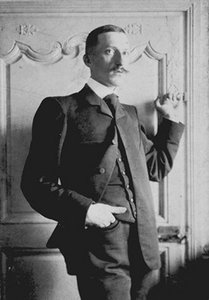
1880–1954, Frankrijk
André Derain
Het Vroege Leven, Familie en Opleiding In het jaar 1880 kwam André Derain ter wereld in Chatou, een dorpje dat genesteld ligt in de Franse regio Yvelines. Zijn vroege jaren werden gevormd door de verstilde landschappen van de Île-de-France, waar een natuurlijke nieuwsgierigheid naar zijn omgeving langzaam wortel schoot. Tegen 1895 was hij al begonnen met zelfstudie, waarbij hij probeerde de visuele wereld te begrijpen door zijn eigen ogen, in plaats van via een formele opleiding. Deze periode van zelfgestuurd onderzoek stelde hem in staat om een persoonlijke manier van kijken te ontwikkelen, nog voordat de strengheid van een academie zijn wil had kunnen opleggen.
Ook van André Derain
 bathers1907
 London Bridge1906
 Charing Cross from sw1906
 Landscape at L'Estaque1906
Essays over Cassis
 Fauvism and Cubism: Distinguishing Color Revolution from Spatial AnalysisMaster the core differences between Fauvism and Cubism through expert analysis. Discover how color and space redefined modern art today.
 French artworks of the 1870sFrench Impressionist masterpieces by Claude Monet, Pierre-Auguste Renoir, and Édouard Manet define the 1870s. View the full collection on O…
 Early Netherlandish Painting vs. Italian Renaissance: A Comparative StudyMaster the differences between Netherlandish detail and Renaissance perspective. Explore this expert comparative study now.