

 Voorvertoning
 Verstuur
 Delen
Delen
 Details bekijken
 Gids
Gids

 Download
 Vergelijkbare items
 Röntgenonderzoek
 Diavoorstelling
 Statistieken
Manhood calendar
 Lithograph
- WallArt
- Art Nouveau
 1897
1897- 19th Century
 22.0 x 30.0 cm
 Lees meer
Giclée / Kunstafdrukken
Giclée- of canvasafdruk van museumkwaliteit met een snelle productie en flexibele afwerkingsmogelijkheden. ( Bestel handgeschilderde reproductie Schakel over naar digitale afbeeldingen)




P118B €10

P118H €10

P118W €10

P438Z €10

P508JH €12

P508YH €12

P805H €10

P805Z €10

P919BZ €10

P919G €10

P919XJ €10

P959ZH €10

P968JZ €12

W106C €8

W218G €10

W218JH €8

W218Y €10

W307PJ €10

W316G €10

W316PJ €8

W316Y €10

W398PJ €8

W4111J €10

W500HY €15

W500JH €15

W692G €12

W849H €8

W940BG €15

W953PJ €8




Kies uit onze vooraf ingestelde maten die overeenkomen met de originele verhoudingen van het kunstwerk.

Voer de gewenste breedte en hoogte in, passend bij uw lijst of muur. Een afdruk kan alleen worden ingekort en nooit groter worden gemaakt dan het origineel; een formaat met andere verhoudingen zal daarom een deel van de afbeelding verliezen. Wij sturen u een digitaal mockup ter goedkeuring voordat we tot drukwerk overgaan. De afbeelding op deze pagina toont niet de werkelijke uitsnede — dit is alleen te zien op het mockup.
Wereldwijde levering () binnen 2 weken in plaats van de standaard 4/5 weken. (27 oktober)

Gratis wereldwijde expressverzending

Hoogwaardig linnen canvas

Volledige verzendverzekering

Garantie op terugbetaling van invoerrechten

Garantie op exacte kleurweergave

Retourbeleid van 100 dagen (alleen bij defecten)

100% Geld-terug-garantie

Korting bij meerdere afnames
 De optie voor glas is alleen beschikbaar bij een formaat kleiner dan 110 cm.

Manhood calendar
Giclée / Kunstafdrukken
Afmetingen reproductie
-


Eindtotaal
€ 71
A Symphony of Nature and Connection
In the delicate tapestry of the Art Nouveau movement, few works capture the rhythmic pulse of life as tenderly as Alphonse Maria Mucha’s Manhood Calendar. Created in 1897, this masterpiece serves as more than a mere decorative print; it is an evocative tableau that invites the viewer into a serene, pastoral sanctuary. The composition centers on a man and a woman seated in quiet intimacy beneath the sheltering canopy of an apple tree. Their presence is not merely romantic but deeply symbolic, embodying a profound harmony between humanity and the natural world. As they share this peaceful moment, the surrounding landscape breathes with a sense of vitality, drawing the observer into a world where time seems to slow, allowing for a deep contemplation of connection and existence.
The artistic vision behind this work is a masterclass in the organic fluidity that defined Mucha’s legendary style. Eschewing the rigid constraints of academic tradition, he employed expressive, undulating lines that mimic the natural curves of branches laden with fruit. This deliberate use of asymmetrical composition guides the eye through a dynamic journey across the canvas, creating a sense of movement that feels as spontaneous as a summer breeze. The color palette is a sophisticated arrangement of muted greens and earthy browns, which provide a grounded foundation for the vibrant splashes of crimson found in the scattered apples. These bursts of color represent ripeness and life force, punctuating the scene with a rhythmic energy that mirrors the regenerative power of nature itself.
Symbolism and the Eternal Cycle
Every element within the Manhood Calendar is imbued with layers of meaning, rooted in the cyclical rhythms of the earth. The apple tree, with its heavy boughs and scattered fruit, acts as a potent symbol of abundance, wisdom, and the bountiful rewards of life. Mucha’s meticulous attention to detail—from the subtle shading on the rugged tree trunk to the delicate rendering of individual petals—underscores his commitment to capturing the essence of growth and decay. The interplay between the figures and the fruit-laden branches suggests a mirroring of human experience with the seasonal transitions of the natural world, creating an emotional resonance that is both nostalgic and hopeful.
For the discerning collector or interior designer, this artwork offers a unique opportunity to introduce a sense of timeless elegance and tranquility into a space. The piece possesses a rare ability to transform an environment, providing a focal point that is both intellectually stimulating and visually soothing. Whether placed in a sunlit study or a sophisticated living area, the Manhood Calendar brings with it the enchanting spirit of the late 19th century, offering a window into a period where art sought to dissolve the boundaries between the beautiful and the everyday. It remains a testament to Mucha’s enduring legacy, capturing a fleeting moment of peace that feels eternally present.
Veelgestelde vragen
Welke plaatsing past bij het formaat van "Manhood calendar" door Alphonse Mucha?
Met zijn Portrait-formaat is een reproductie van "Manhood calendar" een prachtige aanvulling op een Living Room.
Is "Manhood calendar" een van de meest populaire werken van Alphonse Mucha?
Het populariteitsniveau van "Manhood calendar" door Alphonse Mucha is Iconic.
Wat voor soort kunstwerk is "Manhood calendar"?
In de catalogus is "Manhood calendar" door Alphonse Mucha geclassificeerd als WallArt. Deze categorie helpt bij het vinden van vergelijkbare werken.
Biografie kunstenaar
Early Life and Artistic Beginnings
Alphonse Maria Mucha, geboren in 1860 in Ivanačice, een klein stadje in de zuidelijke Moravië (het huidige deel van Tsjechië), was al vroeg duidelijk dat hij een artistieke ziel bezat. Zijn talent voor tekenen ontdekte hij als kind, en hoewel zijn familie niet over de middelen beschikte om hem een formele opleiding te bieden, bleef hij tekenen met zijn linkerhand – een ongebruikelijke keuze die zijn unieke stijl zou bepalen. Deze vroege discipline en passie vormden de basis voor zijn latere successen. Zijn jeugd was gekleurd door de wisselvallige politieke omstandigheden van het Oostenrijk-Hongaarse rijk, waarin hij opgroeide, wat een diepe invloed had op zijn artistieke expressie.
Na zijn schooljaren in Brno, besloot Mucha naar Praag te verhuizen, waar hij werkte als decoratieve kunstenaar voor theaters en tijdschriften. Deze vroege ervaringen leerden hem de waarde van commercieel succes en de eisen van de markt, maar tegelijkertijd bleef hij zijn eigen artistieke visie ontwikkelen.
De Opkomst van Art Nouveau en de Sarah Bernhardt Samenwerking
In 1887 verhuisde Mucha naar het hart van de kunstwereld: Parijs. Daar vond hij een omgeving die perfect paste bij zijn creatieve energie en waar hij zich verder ontwikkelde in de Académie Julian en Académie Colarossi. Het was hier dat hij, door een toevallige ontmoeting, zijn carrière echt kon lanceren. In 1894 creëerde hij een affiche voor het toneelstuk Gismonda van Victorien Sardou, met de legendarische actrice Sarah Bernhardt in de hoofdrol. Deze affiche was een onmiddellijk succes en markeerde de geboorte van zijn kenmerkende ‘Mucha Style’ – een stijl gekenmerkt door vloeiende lijnen, organische vormen, en een gevoel van beweging.
Bernhardt was zo onder de indruk van het resultaat dat ze met Mucha een contract sloot voor zes jaar. Dit leidde tot een reeks posters, illustraties en ontwerpen voor juwelen, tapijten en decoraties – allemaal in zijn stijl. De affiche voor Gismonda werd een sensatie en bracht Mucha plotselinge internationale bekendheid.
De Slavische Epopee: Een Monumentaal Werk
Na de succesvolle periode met Sarah Bernhardt, keerde Mucha in 1910 terug naar zijn geboorteland, Tsjechië. Daar begon hij aan een van zijn meest ambitieuze projecten: de Slavische Epopee (Slovanská epopej). Dit monumentale werk bestond uit twintig grote symbolistische schilderijen die de geschiedenis van alle Slavische volkeren ter wereld weergeven. Het was een persoonlijke missie voor Mucha, die gewijd was aan het herdenken en versterken van de culturele identiteit van zijn eigen land.
Hij kreeg hierbij steun van de Amerikaanse filantroop Charles Richard Crane, die aanzienlijke financiële middelen bood. De Slavische Epopee werd een symbool van de Tsjechische nationalisten en werd in 1928 aan de stad Praag geschonken. Het werk werd later in het Clementinum tentoongesteld, maar bleef lange tijd verborgen tijdens de communistische periode.
Stijl en Invloeden
Mucha’s stijl was uniek en herkenbaar. Hij combineerde elementen van Art Nouveau met symbolistische thema's en een sterke focus op schoonheid en idealisatie. Zijn werken kenmerken zich door de weergave van prachtige, jonge vrouwen in vloeiende gewaden, vaak omringd door bloemen en andere natuurlijke motieven. Deze afbeeldingen werden vaak vergezeld door halo’s achter de vrouwenhoofden, wat een spirituele dimensie toevoegt aan zijn kunst.
Hij werd beïnvloed door kunstenaars als Pierre-Auguste Renoir en Gustave Moreau, maar ontwikkelde ook zijn eigen, onderscheidende stijl. Zijn werk is te zien in musea over de hele wereld, waaronder het Muchamuseum in Praag, waar een uitgebreide collectie van zijn werken te bewonderen is.
Overlijden en Erfgoed
Alphonse Mucha stierf op 14 juli 1939 in Praag. Zijn nalatenschap leeft voort door zijn iconische posters, schilderijen en ontwerpen. Hij wordt beschouwd als een van de belangrijkste vertegenwoordigers van Art Nouveau en heeft een blijvende invloed gehad op de kunstwereld en het ontwerp.

Alphonse Mucha
1860 - 1939 , Tsjechische Republiek
Belangrijkste feiten
- Artistic Movement Or Style: Art Nouveau
- Artists Or Movements Influenced By This Artist: ['Prokopcová']
- Artists Who Influenced This Artist:
- Renoir
- Moreau
- Date Of Birth: 15 juli 1860
- Date Of Death: 14 juli 1939
- Full Name: Alphonse Maria Mucha
- Nationality: Tsjechisch
- Notable Artworks:
- Slavische Opstand
- Salon des Cent
- De Zusters van Tespio
- La Ribambelle des Gobelins
- Jonge Boeren die Blauwsteen Breken
- Place Of Birth: Brno, Tsjechië
Gerelateerde artikelen

The Elegance of Art Nouveau: Discovering Beauty in Nature’s Sinuous Curves and the Belle Époque Spirit
Immerse yourself in the romantic allure of Art Nouveau. Explore the sinuous curves and floral elegance of the Belle Époque through our exquisite, hand-painted reproductions. Discover a timeless connection to nature’s beauty with our museum-quality collection.

10 Iconic Art Nouveau Masterpieces That Changed Art Forever
Step into the elegant world of Art Nouveau. Explore 10 iconic masterpieces, from Klimt to Mucha, through their stories and organic beauty. Find museum-quality art reproductions and decor inspiration for your home. Discover all masterpieces on OriginalUniqueArt.com.

10 Iconic Masterpieces That Defined the Art Nouveau Movement
Immerse yourself in the flowing elegance of Art Nouveau. Discover the stories behind 10 legendary masterpieces by icons like Klimt and Mucha. Perfect for art lovers seeking museum-quality reproductions and timeless decor inspiration. Explore the full collection online at OriginalUniqueArt.com.
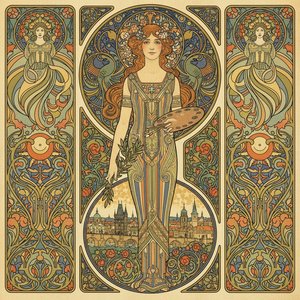
Alphonse Mucha: A Comprehensive Exploration of Art Nouveau's Master of Decorative Symbolism
Explore the life & art of Alphonse Mucha, master of Art Nouveau! Discover his iconic posters, stunning illustrations, and the monumental Slav Epic. A comprehensive guide for collectors & enthusiasts.

The Elegance of Art Nouveau: A Masterclass in Organic Forms, Sinuous Lines, and the Belle Époque Aesthetic
Explore the exquisite world of Art Nouveau. From Alphonse Mucha’s flowing lines to the organic elegance of the Belle Époque, discover the history and mastery behind this iconic movement with expert insights from our museum-grade art collection.