

 Voorvertoning
 Verstuur
 Delen
Delen
 Details bekijken
 Gids
Gids

 Download
 Vergelijkbare items
 Röntgenonderzoek
 Diavoorstelling
 Q&A
Q&A Statistieken
The Miracle at the Well
 Oil On Canvas
- WallArt
- Baroque
 1646
1646- Early Modern
 216.0 x 149.0 cm
 Museo Nacional del Prado
 Lees meer
Giclée / Kunstafdrukken
Giclée- of canvasafdruk van museumkwaliteit met een snelle productie en flexibele afwerkingsmogelijkheden. ( Bestel handgeschilderde reproductie Schakel over naar digitale afbeeldingen)




P118B €10

P118H €10

P118W €10

P438Z €10

P508JH €12

P508YH €12

P805H €10

P805Z €10

P919BZ €10

P919G €10

P919XJ €10

P959ZH €10

P968JZ €12

W106C €8

W218G €10

W218JH €8

W218Y €10

W307PJ €10

W316G €10

W316PJ €8

W316Y €10

W398PJ €8

W4111J €10

W500HY €15

W500JH €15

W692G €12

W849H €8

W940BG €15

W953PJ €8




Kies uit onze vooraf ingestelde maten die overeenkomen met de originele verhoudingen van het kunstwerk.

Voer de gewenste breedte en hoogte in, passend bij uw lijst of muur. Een afdruk kan alleen worden ingekort en nooit groter worden gemaakt dan het origineel; een formaat met andere verhoudingen zal daarom een deel van de afbeelding verliezen. Wij sturen u een digitaal mockup ter goedkeuring voordat we tot drukwerk overgaan. De afbeelding op deze pagina toont niet de werkelijke uitsnede — dit is alleen te zien op het mockup.
Wereldwijde levering () binnen 2 weken in plaats van de standaard 4/5 weken. (29 oktober)

Gratis wereldwijde expressverzending

Hoogwaardig linnen canvas

Volledige verzendverzekering

Garantie op terugbetaling van invoerrechten

Garantie op exacte kleurweergave

Retourbeleid van 100 dagen (alleen bij defecten)

100% Geld-terug-garantie

Korting bij meerdere afnames
 De optie voor glas is alleen beschikbaar bij een formaat kleiner dan 110 cm.

The Miracle at the Well
Giclée / Kunstafdrukken
Afmetingen reproductie
-


Eindtotaal
€ 71
A Moment Suspended in Sacred Light
To stand before Alonso Cano's "The Miracle at the Well" is to step directly into a moment of profound spiritual drama, a scene rendered with breathtaking immediacy that transcends the boundaries of time. This oil on canvas, executed in 1646, is not merely a depiction of a miracle; it is an immersive experience of faith confronting human vulnerability. The composition immediately draws the eye to the central interaction: the commanding figure in black robes raising his hand toward the kneeling woman at the well. Cano masterfully orchestrates this encounter, using light and shadow not just as tools of painting, but as active participants in the narrative itself.
Mastery of Baroque Drama and Chiaroscuro
The technical brilliance on display here is a quintessential example of Spanish Baroque mastery. Notice how the artist employs chiaroscuro with such dramatic effect; deep, velvety shadows contrast sharply with illuminated skin and richly textured fabrics. This interplay gives every element—from the folds of the man's robe to the damp stone surrounding the well—a palpable sense of volume and weight. The background, receding into a dark room punctuated by a single window on the right, serves to push the figures forward, creating an undeniable sense of depth that pulls the viewer into the sacred space.
Narrative Depth and Human Connection
Beyond the central miracle, Cano enriches the scene with subtle yet vital details that ground the divine in the everyday. To the left, another woman cradling a child adds a layer of domestic concern to the religious fervor. And look closely at the lower right corner: the inclusion of a dog acts as an anchor to quotidian life, suggesting that even amidst profound spiritual revelation, the rhythms of daily existence continue. These peripheral elements prevent the scene from becoming purely allegorical; instead, it feels deeply human, relatable, and emotionally resonant.
A Legacy for the Modern Collector
For those who appreciate art that speaks to the soul—whether adorning a grand hall or providing intimate contemplation in a private study—this work offers unparalleled depth. The attention paid to texture, the dramatic sweep of the composition, and the sheer narrative power make it a centerpiece worthy of any discerning collection. Owning a reproduction of "The Miracle at the Well" allows one to bring home not just an image, but a carefully preserved echo of 17th-century Spanish devotion and unparalleled artistic skill.
Veelgestelde vragen
Hoe verhoudt de stijl van "The Miracle at the Well" zich tot het tijdperk van de maker?
"The Miracle at the Well" door Alonso Cano behoort tot de Baroque-stroming, uit de Vroegmoderne tijd-periode van de maker.
Tot welke periode in de carrière van Alonso Cano behoort "The Miracle at the Well"?
"The Miracle at the Well" behoort tot de 17th Century in de carrière van Alonso Cano. Deze classificatie plaatst het werk in de context van de ontwikkeling van de kunstenaar.
Toont "The Miracle at the Well" sterke licht-donkercontrasten?
Het licht-donkercontrast van "The Miracle at the Well" wordt weergegeven als Gentle. Contrast beschrijft hoe sterk de lichte en donkere vlakken van elkaar verschillen.
Biografie kunstenaar
Een Renaissance-man uit Granada
Alonso Cano Almansa staat te boek als een unieke verschijning in de Spaanse Gouden Eeuw, een ware polymath wiens creatieve geest weigerde zich te laten beperken tot slechts één medium. Geboren in Granada, Spanje, was hij een zeldzaam talent dat de verschillende disciplines van de schilderkunst, beeldhouwkunst en architectuur met even groot enthousiasme meester werd. Zijn artistieke reis begon onder de begeleiding van zijn vader, Miguel Cano, van wie hij de fundamentele principes van de architectuur erfde. Dit structurele begrip zou later de ruimtelijke diepte en de monumentale aanwezigheid voeden die zo kenmerkend zijn voor zijn visuele werken.
Zijn vorming was een prachtig weefsel van de fijnste invloeden die beschikbaar waren in de Spaanse kunstwereld. Op het gebied van de schilderkunst verfijnde hij zijn penseelvoering binnen de academie van Juan del Castillo en studeerde hij onder Francisco Pacheco, de gewaardeerde meester van Velázquez. Deze afstamming verbond hem rechtstreeks met het hart van de barokbeweging, waardoor zijn doeken werden doordrenkt met een gevoel van dramatische spanning en spirituele lichtkracht. Tegelijkertijd werd zijn beeldhouwkunst gevormd onder de vleugels van Juan Martínez Montañés, wat hem in staat stelde om leven te blazen in steen en hout met een diepgaand gevoel voor anatomische gratie en emotionele resonantie.
De Meesterschap van Vorm en Geest
Het oeuvre van Cano wordt gekenmerkt door een buitengewone gave om het goddelijke te vangen binnen de menselijke vorm. Als beeldhouwer verwierf hij blijvende roem met werken zoals de Madonna met Kind in de kerk van Lebrija en zijn kolossale, imposante figuren van San Pedro en San Pablo. Deze werken getuigen van een beheersing van schaal en een vermogen om diepe religieuende door hun fysieke aanwezigheid op te roepen.
In zijn schilderijen maakte Cano gebruik van de dramatische technieken uit het baroktijdperk om momenten van intense spirituele ontmoeting te creëren. Zijn composities worden vaak gekenmerkt door:
- Het samenspel van licht en schaduw, waarbij onzichtbare lichtbronnen heilige figuren verlichten, zoals in zijn weergave van Sint Johannes de Evangelist op Patmos.
- Emotionele intimiteit, te zien in werken als Noli me Tangere, waar de spanning tussen goddelijke genade en menselijk verlangen tastbaar is.
- Het gewicht van het offer, gevangen in het sombere en dramatische tafereel van De Dode Christus Ondersteund door een Engel.
Erfenis en Koninklijke Erkenning
De betekenis van het talent van Alonso Cano werd erkend op de hoogste niveaus van het Spaanse hof. Zijn prestige leidde tot zijn benoeming als de eerste koninklijk architect en als schilder van Filips IV. Zijn invloed reikte zelfs tot de opvoeding van de volgende generatie, aangezien hij optrad als instructeur voor de prins, Balthasar Karel. Deze nabijheid tot de macht stelde hem in staat een onuitwisbare indruk achter te laten op het architecturale landschap van Spanje; zo diende hij onder andere als hoofdarchitect van de Kathedraal van Granada, waarbij hij de prachtige façade ontwierp die uiteindelijk na zijn overlijden werd voltooid.
Buiten zijn officiële titels voort te leven, is de nalatenschap van Cano verankerd in het weefsel van de Andalusische cultuur. Zijn vermogen om de structurele strengheid van de architectuur, de tastbare emotie van de beeldhouwkunst en de lichtgevende vertelkracht van de schilderkunst met elkaar te verweven, verzekert zijn plaats als een van de meest veelzijdige en essentiële meesters van de Spaanse barok.

Alonso Cano
1601 - 1667 , Spanje
Belangrijkste feiten
- Artistic Movement Or Style: Barok
- Artists Who Influenced This Artist:
- Miguel Cano
- Juan del Castillo
- Francisco Pacheco
- Juan Martínez Montañés
- Date Of Birth: 1601
- Date Of Death: 1667
- Full Name: Alonso Cano Almansa
- Nationality: Spaans
- Notable Artworks:
- Sint Jan de Evangelist op Patmos
- De dode Christus ondersteund door een engel
- Noli me Tangere
- De Kruisiging
- Madonna met Kind
- Place Of Birth: Granada, Spanje
Gerelateerde artikelen
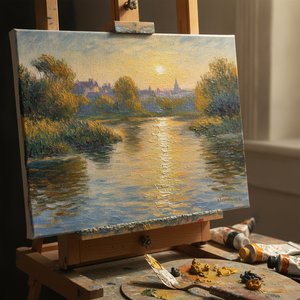
The Soul of Impressionism: Why Oil on Canvas Captures Eternal Light and Timeless Emotion
Discover the enchanting alchemy of Impressionism. Explore how the mastery of oil on canvas, through glazing and impasto, captures eternal light and emotion. Perfect for lovers of Monet and Van Gogh seeking the profound depth of hand-painted fine art.

Oil on Canvas: A Historical & Technical Exploration of a Timeless Artistic Medium
Explore the rich history & enduring techniques of oil painting on canvas. Discover the science behind its longevity, conservation practices, and contemporary relevance. Expert insights for art enthusiasts.

De Blijvende Erfenis van Olieverf op Doek: Techniek, Geschiedenis en Hedendaagse Praktijk
Ontdek de rijke geschiedenis en technieken van olieverfschilderen. Van Renaissance meesterwerken tot moderne toepassingen, leer over pigmenten, glazuur en conservering.

The Enduring Legacy of Oil on Canvas: Technique, History & Aesthetic Impact
Explore the rich history & techniques of oil painting – from Renaissance masters to Impressionism. Discover pigments, layering methods, and why this timeless medium endures. Expert insights for artists & art enthusiasts.

The Enduring Power of Painting: A Historical & Contemporary Exploration of Form and Emotion
Explore the rich history & enduring techniques of oil painting with OriginalUniqueArt. Discover masterpieces, learn about art collecting, and find authentic handmade reproductions crafted by skilled artists.
