

 Bekijk op ware grootte
 Verstuur
 Delen
Delen
 Details bekijken
 Gids voor studentenkunstwerken

 Download
 Vergelijkbare items
 Röntgenonderzoek
 Diavoorstelling
 Statistieken
The Bridge
 Oil On Canvas
- WallArt
- Impressionistic Landscape
 1880
1880- 19th Century
 25.0 x 68.0 cm
 Metropolitan Museum of Art
 Lees meer
Giclée / Kunstafdrukken
Giclée- of canvasafdruk van museumkwaliteit met een snelle productie en flexibele afwerkingsmogelijkheden. ( Koop handgeschilderd kunstwerk Schakel over naar digitale afbeeldingen)




P118B €10

P118H €10

P118W €10

P438Z €10

P508JH €12

P508YH €12

P805H €10

P805Z €10

P919BZ €10

P919G €10

P919XJ €10

P959ZH €10

P968JZ €12

W106C €8

W218G €10

W218JH €8

W218Y €10

W307PJ €10

W316G €10

W316PJ €8

W316Y €10

W398PJ €8

W4111J €10

W500HY €15

W500JH €15

W692G €12

W849H €8

W940BG €15

W953PJ €8




Kies uit onze vooraf ingestelde maten die overeenkomen met de originele verhoudingen van het kunstwerk.

Voer de breedte en de hoogte in die u nodig heeft, passend bij uw lijst of uw muur. Een afdruk kan alleen worden ingekort, nooit groter worden gemaakt dan het origineel, waardoor een formaat met een andere verhouding een deel van de afbeelding verliest. Wij sturen u een digitaal mockup ter goedkeuring voordat we iets drukken. De afbeelding op deze pagina toont niet de werkelijke uitsnede — dit is alleen te zien op het mockup.
Wereldwijde levering () binnen 2 weken in plaats van de standaard 4/5 weken. (25 oktober)

Gratis wereldwijde expressverzending

Hoogwaardig linnen canvas

Volledige verzendverzekering

Garantie op terugbetaling van invoerrechten

Garantie op exacte kleurweergave

Retourbeleid van 100 dagen (alleen bij defecten)

100% Geld-terug-garantie

Korting bij meerdere afnames
 De optie voor glas is alleen beschikbaar bij een formaat kleiner dan 110 cm.

The Bridge
Giclée / Kunstafdrukken
Formaat reproductie
-


Totaalprijs
€ 71
A Vision of Urban Serenity: Exploring "The Bridge"
To gaze upon Albert Pinkham Ryder's "The Bridge" is to step into a moment suspended between the wild romance of nature and the burgeoning ambition of the modern metropolis. This panoramic landscape, executed on gilded leather, possesses an immediate, captivating resonance. It is not merely a depiction of scenery; it feels like a memory—a beautifully curated recollection of a day spent observing life unfold from a privileged vantage point. The composition itself suggests a confluence of disparate elements: the stately presence of a large oak tree anchoring the foreground, providing a cool, shaded sanctuary for scattered figures, while beyond its leafy embrace, the suggestion of an expansive skyline rises against the distance.
Technique and Modernist Echoes
Ryder’s handling of paint here is remarkably delicate, characterized by a thin application that allows the underlying richness of the gilded leather to contribute to the overall luminosity. This technique lends the piece an ethereal quality, as if the scene itself is illuminated from within. While the subject matter—the visible structures and the flowing expanse implied by "The Bridge"—might evoke specific geographical markers known to Ryder, such as parts of New York’s Central Park or the span of High Bridge over the Harlem River, the artist masterfully elevates it beyond mere topographical record. Instead, the work leans into an imaginative space, foreshadowing a modernist detachment from strict realism. It invites the viewer to contemplate structure and atmosphere rather than simply cataloging what is seen.
The Human Element in the Landscape
Scattered throughout this peaceful tableau are figures enjoying the outdoors. We see people gathered near the shade of the oak, their presence suggesting leisure and quiet communion with the environment. Adding a touch of pastoral grace to the scene are two horses—one positioned centrally, another drifting toward the right edge. These elements ground the painting in a tangible reality of daily life, yet they coexist harmoniously with the monumental backdrop. The overall atmosphere is one of profound tranquility; it captures that perfect pause on a warm day when the hustle of urbanity recedes, leaving only the rhythm of nature and gentle companionship.
Symbolism and Emotional Resonance for Your Space
For those considering bringing this piece into your home or design space, "The Bridge" offers more than just decoration; it offers an emotional anchor. It speaks to the enduring human need to find pockets of sublime calm amidst complexity. The interplay between the solid, rooted tree, the fleeting activity of the people and horses, and the distant promise of the skyline creates a visual metaphor for balance—the necessary equilibrium between civilization and wilderness. Reproducing this work allows one to infuse an interior with a sense of storied depth and contemplative peace, transforming a room into a sanctuary reminiscent of a perfect, sun-dappled afternoon.
Vragen & Antwoorden
Zijn de kleuren van "The Bridge" door Albert Pinkham Ryder levendig of gedempt?
De kleuren van "The Bridge" door Albert Pinkham Ryder vertonen een Balanced Soft verzadiging met een Balanced intensiteit.
Hoe verhouden de kleuren van "The Bridge" zich tot elkaar?
"The Bridge" door Albert Pinkham Ryder vertoont een Unified Palette kleurharmonie.
Wat is de luminantie van "The Bridge" door Albert Pinkham Ryder?
De luminantie die is vastgesteld voor "The Bridge" door Albert Pinkham Ryder is Dark.
Biografie van de kunstenaar
Het vroege leven en artistieke begin
Albert Pinkham Ryder, geboren op 19 maart 1847 in New Bedford, Massachusetts, blijft een enigmatisch figuur in de Amerikaanse kunstgeschiedenis. Details over zijn jeugd zijn schaars, gehuld in de nevelen die later zo kenmerkend zouden worden voor zijn schilderijen. Het is echter bekend dat hij al vroeg zijn artistieke neigingen begon te verkennen, waarbij hij de landschappen van zijn geboortestad New Bedford vastlegde met een ontluikend talent. Deze opvoeding aan de kust, doordrenkt met de sfeer van een bruisende walvisvaarthaven, liet ongetwijfeld een onuitwisbare indruk achter op zijn verbeelding en zou gedurende zijn hele carrière herhaaldelijk als bron van inspiratie naar voren komen.
Eind jaren 1860 verhuisde de familie van Ryder naar New York City, waar zijn broer het beroemde Hotel Albert in Greenwich Village beheerde. Deze verhuizing plaatste de jonge Albert in een levendig cultureel milieu, wat kansen bood voor artistieke ontwikkeling en blootstelling aan nieuwe ideeën. Terwijl hij hielp met de familiale verantwoordelijkheden, bleef hij zijn passie voor de schilderkunst najagen, waarmee hij de basis legde voor zijn toekomstige artistieke reis.
Formele opleiding en Europese invloeden
Ryders formele kunstopleiding begon met studies onder William Edgar Marshall in New York City. Vervolgens schreef hij zich in bij de National Academy of Design, waar hij tussen 1870 en 1875 studeerde, zijn eerste werk exposeerde in 1873 en een levenslange vriendschap sloot met de mede-kunstenaar Julian Alden Weir. Deze vormende jaren boden hem een solide fundament in traditionele technieken en introduceerden hem in de gevestigde kunstwereld.
Ryders artistische visie reikte echter verder dan de conventionele academische training. Tussen 1877 en 1903 ondernam hij vier reizen naar Europa, waarbij hij zich volledig onderdompelde in de artistieke stromingen van het Oude Continent. Hij werd bijzonder aangetrokken door de Franse school van Barbizon, met haar nadruk op naturalisme en plein-air schilderen, en de Nederlandse Haagse School, bekend om haar atmosferische landschappen en gedempte kleurenpaletten. Deze invloeden vormden zijn esthetische gevoel diepgaand en droegen bij aan de ontwikkeling van zijn unieke stijl.
Een unieke artistieke visie: Stijl en thema's
De artistieke signatuur van Albert Pinkham Ryder is direct herkenbaar—een betoverende versmelting van symbolisme, tonalisme en een diep persoonlijke visie. Zijn schilderijen zijn geen loutere representaties van de werkelijkheid, maar eerder evocatieve interpretaties van de natuur, doordrenkt met stemming, mysterie en spirituele resonantie. Hij gaf de voorkeur aan brede, vaak ongedefinieerde vormen en gestileerde figuren binnen droomachtige landschappen of zeegezichten, waardoor een atmosfeer ontstaat die zowel etherisch als spookachtig is.
Licht speelt een cruciale rol in het werk van Ryder. Zijn scènes worden vaak verlicht door zwak zonlicht dat door dreigende wolken filtert of door de zachte gloed van het maanlicht, wat lange schaduwen werpt en het gevoel van drama en introspectie versterkt. Hij manipuleerde kleur op meesterlijke wijze om subtiele variaties en atmosferische effecten te creëren, waarbij hij vaak een beperkt palet gebruikte om een maximale emotionele impact te bereiken.
Opmerkelijke werken zoals Misty Moonlight, geïnspireerd door zijn jeugdherinneringen aan de kust van New Bedford, illustreren Ryders vermogen om persoonlijke ervaringen te transformeren tot universele uitdrukkingen van verlangen en contemplatie. Andere belangrijke schilderijen, zoals Siegfried and the Rhine Maidens, getuigen van zijn fascinatie voor mythologie en symboliek.
De latere jaren en een blijvende erfenis
Na 1900 nam de creatieve productie van Ryder aanzienlijk af. Hij werd steeds meer een kluizenaar en bracht veel van zijn tijd door met het herwerken van bestaande schilderijen in een onvermoeibare zoektocht naar perfectie. Ondanks deze afname in productiviteit bleven zijn eerdere werken aandacht en bewondering oogsten.
Albert Pinkham Ryder overleed op 28 maart 1917, waarmee hij een oeuvre achterliet dat het publiek tot op de dag van vandaag blijft fascineren. Een herdenkingsexpositie in het Metropolitan Museum of Art in New York in 1918 bevestigde zijn reputatie als een belangrijk figuur in de Amerikaanse kunst.
De invloed van Ryder reikt veel verder dan zijn directe tijdgenoten. Zijn nadruk op vorm, kleur en emotionele expressie plaveide de weg voor latere generaties kunstenaars, waaronder Jackson Pollock, die Ryder erkende als een belangrijke voorloper van het abstract expressionisme. Hij wordt geëerd als een pionier van het Amerikaanse tonalisme en symbolisme, een kunstenaar wiens mystieke schilderijen nog steeds ontzag en verwondering oproepen.
Kernkenmerken van de kunst van Albert Pinkham Ryder
- Droomachtige atmosferen: Zijn landschappen en zeegezichten roepen een gevoel van mysterie en het bovennatuurlijke op.
- Symbolisme & Mythologie: Frequent gebruik van symbolische beeldspraak en verwijzingen naar mythologische verhalen.
- Tonalistische invloeden: Subtiele variaties in kleur en een nadruk op atmosferische effecten.
- Emotionele resonantie: Schilderijen die een diep gevoel van verlangen, contemplatie en spirituele hunkering overbrengen.
- Unieke penseelvoering: Brede, expressieve penseelstreken die bijdragen aan de algehele stemming en textuur.

Albert Pinkham Ryder
1847 - 1917 , Verenigde Staten van Amerika
Snelle feiten
- Artistic Movement Or Style: Tonalisme & Symbolisme
- Artists Who Influenced This Artist:
- William Edgar Marshall
- J. Alden Weir
- Date Of Birth: 1847-03-19
- Date Of Death: 1917-03-28
- Full Name: Albert Pinkham Ryder
- Nationality: Amerikaans
- Notable Artworks:
- Misty Moonlight
- De Race Track
- Siegfried & Rhine Maidens
- Place Of Birth: New Bedford, USA
Gerelateerde artikelen

Albert Bierstadt: Luminosity, Landscape & the American Ideal
Explore the breathtaking landscapes of Albert Bierstadt, master of the American West & a leading figure in the Hudson River School. Discover his luminous style and iconic paintings – a timeless investment for art lovers.

Top 10 Meesterwerken van het Amerikaans Realisme | Kunst & Decoratie
Ontdek de 10 meest iconische meesterwerken van het Amerikaans Realisme! Van Edward Hopper tot Andrew Wyeth, leer over de kunstenaars en hun tijdloze schilderijen. Vind museumkwaliteit reproducties & decoratie op OriginalUniqueArt.com.
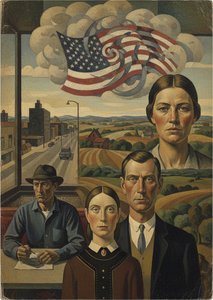
Echoes of Place: Regionalism & American Identity in Interwar Art
Explore the rise of American Regionalism in interwar art! Discover Grant Wood, Thomas Hart Benton & the movement's impact on American identity. Expert analysis & historical context.
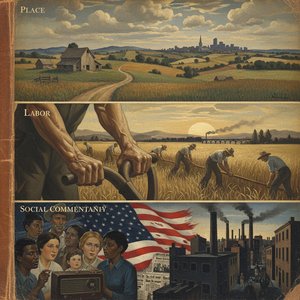
American Regionalism: A Crucible of Identity – Exploring Themes of Place, Labor & Social Commentary
Explore American Regionalism's powerful depiction of the American heartland during the Great Depression. Discover Grant Wood, Thomas Hart Benton & more. Expert analysis & high-quality art reproductions at OriginalUniqueArt.

Grant Wood & American Regionalism: Identity, Myth & the Rural Landscape
Explore the world of Grant Wood & American Regionalism with OriginalUniqueArt. Discover the symbolism behind 'American Gothic', recurring themes, and the movement's lasting impact on art history. High-quality reproductions available.
