 Voorvertoning
 Verstuur
 Delen
Delen
 Details bekijken

 Download
 Vergelijkbare items
 Röntgenonderzoek
 Diavoorstelling
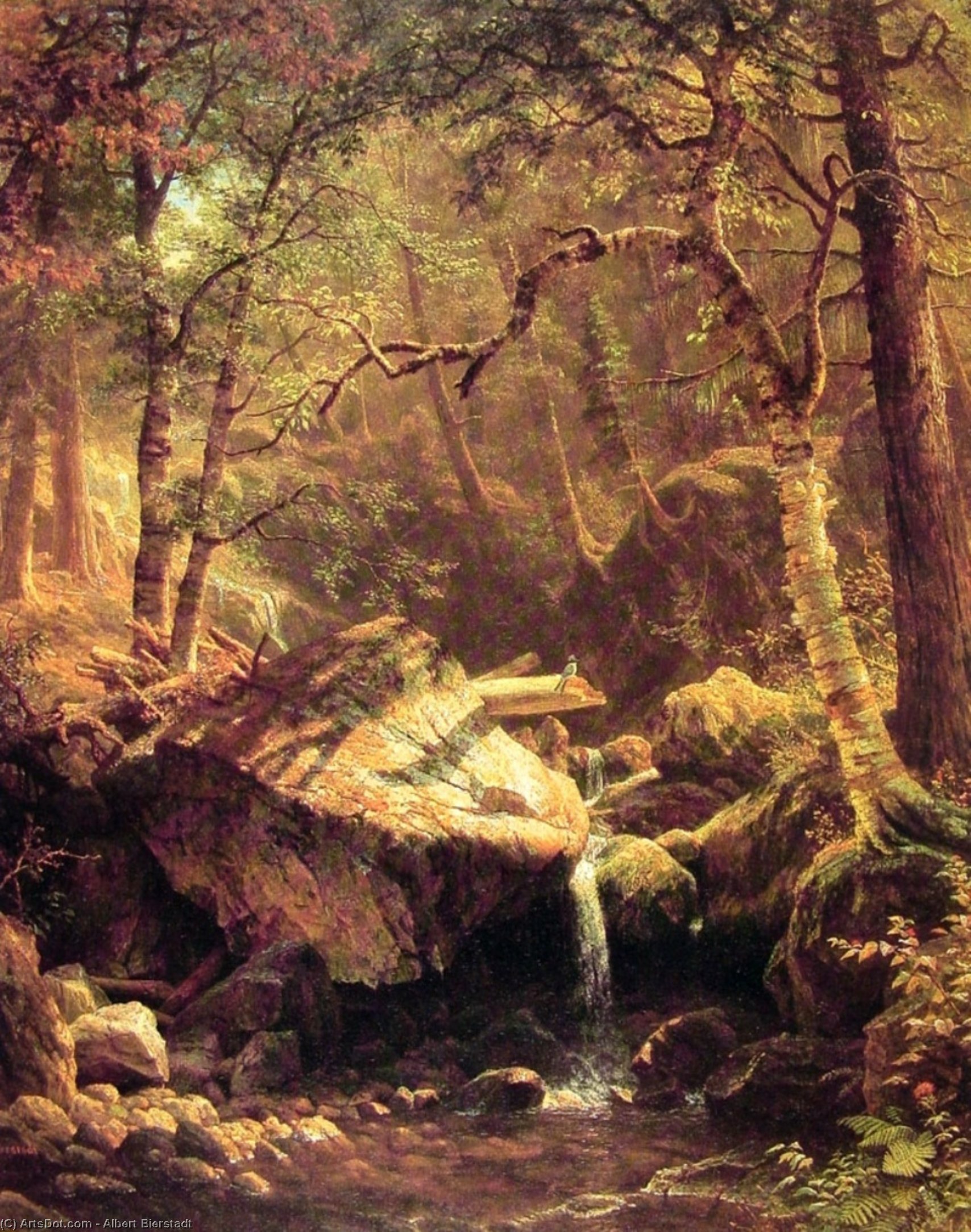
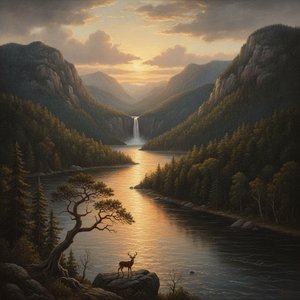
The Mountain Brook
 Acrylic
- WallArt
- Hudson River Luminism
 1863
1863 111.0 x 91.0 cm
 Lees meer
Giclée / Kunstafdrukken
Giclée- of canvasafdruk van museumkwaliteit met een snelle productie en flexibele afwerkingsmogelijkheden. ( Bestel handgeschilderde reproductie Koop afbeelding)




P118B $10

P118H $10

P118W $10

P438Z $10

P508JH $12

P508YH $12

P805H $10

P805Z $10

P919BZ $10

P919G $10

P919XJ $10

P959ZH $10

P968JZ $12

W106C $8

W218G $10

W218JH $8

W218Y $10

W307PJ $10

W316G $10

W316PJ $8

W316Y $10

W398PJ $8

W4111J $10

W500HY $15

W500JH $15

W692G $12

W849H $8

W940BG $15

W953PJ $8




Kies uit onze vooraf ingestelde maten die overeenkomen met de originele verhoudingen van het kunstwerk.

U kunt uw eigen afmetingen opgeven om in een specifieke lijst of ruimte te passen. Als de door u gekozen maat niet overeenkomt met de proporties van het originele kunstwerk, zullen wij de afbeelding bijsnijden of uitbreiden met een gespiegelde of effen rand. Een digitaal mockup wordt ter goedkeuring naar u verzonden voordat de productie begint.
Houd er rekening mee dat de preview op het scherm de werkelijke bijsneding of uitbreiding niet weergeeft. Alleen de mockup toont de uiteindelijke compositie nauwkeurig.
Hoewel aangepaste maten beschikbaar zijn, raden wij aan een afmeting uit de vooraf bepaalde lijst te kiezen om de originele proporties te behouden.
Wereldwijde levering () binnen 2 weken in plaats van de standaard 4/5 weken. (14 augustus)

Gratis wereldwijde expressverzending

Hoogwaardig linnen canvas

Volledige verzendverzekering

Garantie op terugbetaling van invoerrechten

Garantie op exacte kleurweergave

Retourbeleid van 60 dagen (alleen bij defecten)

100% Geld-terug-garantie

Korting bij meerdere afnames
 De optie voor glas is alleen beschikbaar bij een formaat kleiner dan 110 cm.

The Mountain Brook
Giclée / Kunstafdrukken
Afmetingen reproductie
-


Eindtotaal
$ 81
Beschrijving verzamelobject
A Symphony of Light and Sublime Beauty: Exploring Albert Bierstadt’s “The Mountain Brook”
Albert Bierstadt's "The Mountain Brook," completed in 1863, stands as a cornerstone of the Hudson River School movement—a stylistic triumph that cemented Bierstadt’s reputation as one of America’s foremost landscape painters. More than just a visual record of the Rocky Mountains, this monumental canvas embodies the Romantic ideal of confronting nature's grandeur and eliciting profound emotional responses.
Luminism: Mastering Light and Atmosphere
- Bierstadt’s masterful technique exemplifies Luminism, a distinctive approach championed by artists like Frederic Church and George Caleb Bingham. Unlike Impressionists who sought to capture fleeting moments of color and light, Luminists prioritized conveying the overwhelming scale and majesty of natural landscapes.
- He achieved this remarkable feat through meticulous layering of oil paints—often applying thin glazes over thicker underpaintings—to simulate the diffused sunlight characteristic of mountain vistas. This painstaking process allowed Bierstadt to reproduce accurately the atmospheric perspective, creating a convincing illusion of depth and distance.
A Vision of Transcendence: Symbolism Within the Landscape
"The Mountain Brook" transcends mere topographical representation; it speaks to themes of spirituality and awe. The cascading waterfall symbolizes purification and renewal—a visual metaphor for overcoming obstacles and embracing spiritual enlightenment. The towering mountains represent strength, resilience, and permanence, mirroring humanity’s aspiration to achieve lasting greatness.
Historical Context: Manifest Destiny and Romantic Idealism
Painted during the height of Manifest Destiny—the fervent belief in America's divine right to expand westward—Bierstadt’s artwork reflects the prevailing optimism of the era. However, it is equally infused with Romantic idealism, prioritizing emotion and imagination over rational observation. Bierstadt sought not simply to depict what he saw but to convey what he *felt*, capturing the sublime experience of encountering wilderness untouched by civilization.
Emotional Resonance: Inspiring Wonder and Reverence
"The Mountain Brook" continues to captivate viewers today with its breathtaking beauty and evocative atmosphere. Its luminous palette—dominated by shades of gold, amber, and turquoise—creates a sense of warmth and grandeur. The composition draws the eye upward towards the waterfall and mountains, fostering contemplation and inspiring reverence for the natural world. Reproductions offer an opportunity to bring this masterpiece into any home, allowing its timeless splendor to illuminate interior spaces.
Biografie van de kunstenaar
A Pioneer of the American West: The Life and Art of Albert Bierstadt
Albert Bierstadt’s story is deeply intertwined with the very formation of America itself. His family's early emigration to New Bedford, Massachusetts, when he was just a year old, planted the seeds for a lifelong fascination with the landscapes that would ultimately define his artistic legacy. Though initially self-taught, sketching with crayons as a youth, Bierstadt quickly recognized the need for formal training and embarked on studies in Düsseldorf, Germany, in 1853. This European grounding proved crucial, providing him with technical mastery—a meticulous attention to detail and a sophisticated understanding of light and atmosphere—that he would later apply to his depictions of the American wilderness. It wasn’t merely replication that Bierstadt sought; he aimed to convey the sublime power and beauty of nature, evoking an emotional response in the viewer.Capturing the Majesty: The Hudson River School and Beyond
Upon his return to the United States in 1857, Bierstadt swiftly became associated with the Hudson River School, a group of artists dedicated to portraying the American landscape with both accuracy and romantic idealism. While sharing their reverence for nature, Bierstadt soon distinguished himself through his ambitious scale and dramatic compositions. He wasn’t content to simply paint pretty pictures; he aimed to create immersive experiences that transported viewers directly into the heart of the wilderness. His breakthrough came in 1858 with a Swiss landscape exhibited at the National Academy of Design, earning him immediate acclaim and honorary membership. However, it was his subsequent expeditions westward—first with land surveyor Frederick W. Lander in 1859, then with author Fitz Hugh Ludlow in 1863 to Yosemite Valley—that truly ignited his artistic vision. These journeys weren’t merely acts of observation; they were profound immersions, allowing Bierstadt to absorb the grandeur of the Rocky Mountains, the vastness of the plains, and the awe-inspiring scale of canyons and waterfalls. He meticulously documented these experiences through countless sketches and studies, which served as the foundation for his monumental paintings.The Painter of Empires: Shaping Perceptions of the West
Bierstadt’s paintings weren't simply landscapes; they were statements about national identity and Manifest Destiny. His canvases—often enormous in size—depicted the American West not as a harsh, untamed frontier, but as a land of promise, abundance, and divine beauty. The Rocky Mountains, Lander’s Peak, completed in 1863 and purchased for an astonishing $25,000 (equivalent to nearly $400,000 today), exemplifies this approach. The painting isn't a precise topographical rendering; it’s a carefully constructed vision of idealized grandeur, bathed in golden light and imbued with a sense of spiritual significance. This ability to evoke emotion, to inspire awe, made Bierstadt immensely popular during his lifetime. He wasn’t just an artist; he was a cultural ambassador, shaping how Americans—and the world—perceived the West. His work fueled westward expansion by presenting it as a noble and divinely ordained undertaking. The dramatic lighting, often referred to as *luminism*, created a sense of ethereal beauty, transforming the rugged wilderness into a scene of almost religious reverence.Influences and Techniques
Bierstadt’s artistic development was shaped by several key influences. His early training in Düsseldorf instilled in him a mastery of technique—a meticulous attention to detail and a sophisticated understanding of light and atmosphere. He studied the works of German Romantic painters, particularly Caspar David Friedrich, whose emphasis on sublime landscapes profoundly influenced his own approach. However, Bierstadt’s style also evolved over time, incorporating elements of American Realism and Luminism. His expeditions westward provided him with firsthand experience of the American wilderness, which he translated into his paintings through detailed sketches and studies. He was a master of color, using rich, vibrant hues to capture the beauty of the natural world. Furthermore, Bierstadt’s use of scale—often creating monumental canvases that filled entire rooms—contributed significantly to the immersive quality of his work.Legacy and Influence
While Bierstadt's popularity waned somewhat in the late 19th century as artistic tastes shifted towards Impressionism and photography, his influence on American landscape painting remains undeniable. He demonstrated the power of large-scale canvases to create immersive experiences, a technique later adopted by many artists. His meticulous attention to detail and masterful use of light continue to inspire painters today. Beyond his technical achievements, Bierstadt’s work serves as a valuable historical document, offering insights into the evolving perceptions of the American West during a period of rapid change and expansion. He captured a moment in time—a vision of pristine wilderness before it was irrevocably altered by human intervention. His paintings are not just beautiful images; they are windows into a pivotal era in American history, reminding us of both the promise and the cost of westward expansion. His legacy endures, ensuring that his breathtaking landscapes will continue to captivate and inspire generations to come.
Albert Bierstadt
1830 - 1902 , Duitsland
Belangrijkste feiten
- Artistic Movement Or Style: Hudson River School
- Artists Or Movements Influenced By This Artist: ['Rocky Mountain School']
- Artists Who Influenced This Artist: ['Europees landschap']
- Date Of Birth: 7 jan 1830
- Date Of Death: 18 feb 1902
- Full Name: Albert Bierstadt
- Nationality: Duits-Amerikaans
- Notable Artworks:
- Rocky Mountains
- Yosemite
- Place Of Birth: Solingen, Duitsland
Gerelateerde artikelen

Top 10 Meesterwerken van de Hudson River School: Kunst voor uw interieur
Ontdek de 10 meesterwerken van de Hudson River School! Leer over Thomas Cole, Frederic Church & meer. Prachtige landschappen uit de 19e eeuw voor uw interieur. Kunst reproducties van museumkwaliteit op OriginalUniqueArt.com.

The Sublime Landscape: Exploring the Hudson River School Movement
Explore the captivating world of the Hudson River School! Discover the history, artists, and defining characteristics of this iconic American art movement. Learn about Romanticism's influence & find inspiration for your collection.

Top 10 Landschappen in de Kunstgeschiedenis: Schilderijen & Decoratie Inspiratie
Ontdek de top 10 landschapschilderijen van Monet, Van Gogh & meer! Duik in de geschiedenis en betekenis achter deze iconische kunstwerken. Vind museumkwaliteit reproducties & interieurinspiratie op OriginalUniqueArt.com.
Capturing the American Spirit: A Journey Through Iconic Landscapes and the Legacy of the Hudson River School
Explore the profound beauty of American art history. From the Hudson River School to iconic landscapes, discover a curated journey through the masterpieces that defined a nation's spirit and the enduring legacy of American Romanticism.
Epic Landscapes & Wild Nature: The Power of the Hudson River School's Sublime Artistry
Explore the breathtaking power of the Hudson River School. Journey through epic American landscapes, from Thomas Cole's sublime vistas to Luminist light, and discover how these timeless masterpieces continue to inspire modern collectors and art lovers worldwide.