
 Voorvertoning
 Verstuur
 Delen
Delen
 Details bekijken
 Gids
Gids

 Download
 Vergelijkbare items
 Röntgenonderzoek
 Diavoorstelling
 Vraag & antwoord
 Statistieken
Alaska
 Lees meer
Giclée / Kunstafdrukken
Giclée- of canvasafdruk van museumkwaliteit met een snelle productie en flexibele afwerkingsmogelijkheden. ( Bestel handgeschilderde reproductie Schakel over naar digitale afbeeldingen)




P118B €10

P118H €10

P118W €10

P438Z €10

P508JH €12

P508YH €12

P805H €10

P805Z €10

P919BZ €10

P919G €10

P919XJ €10

P959ZH €10

P968JZ €12

W106C €8

W218G €10

W218JH €8

W218Y €10

W307PJ €10

W316G €10

W316PJ €8

W316Y €10

W398PJ €8

W4111J €10

W500HY €15

W500JH €15

W692G €12

W849H €8

W940BG €15

W953PJ €8




Kies uit onze vooraf ingestelde maten die overeenkomen met de originele verhoudingen van het kunstwerk.

Voer de gewenste breedte en hoogte in, passend bij uw lijst of muur. Een afdruk kan alleen worden ingekort en nooit groter worden gemaakt dan het origineel; een formaat met andere verhoudingen zal daarom een deel van de afbeelding verliezen. Wij sturen u een digitaal mockup ter goedkeuring voordat we tot drukwerk overgaan. De afbeelding op deze pagina toont niet de werkelijke uitsnede — dit is alleen te zien op het mockup.
Wereldwijde levering () binnen 2 weken in plaats van de standaard 4/5 weken. (17 november)

Gratis wereldwijde expressverzending

Hoogwaardig linnen canvas

Volledige verzendverzekering

Garantie op terugbetaling van invoerrechten

Garantie op exacte kleurweergave

Retourbeleid van 100 dagen (alleen bij defecten)

100% Geld-terug-garantie

Korting bij meerdere afnames
 De optie voor glas is alleen beschikbaar bij een formaat kleiner dan 110 cm.

Alaska
Giclée / Kunstafdrukken
Afmetingen reproductie
-


Eindtotaal
€ 72
A Vision of Alaskan Majesty: Bierstadt's "Alaska"
This evocative landscape painting transports viewers to the vast and untamed wilderness of Alaska, rendered with the masterful skill of Albert Bierstadt. The artwork captures a scene of breathtaking grandeur – a towering mountain range veiled in ethereal mist, reflected in the tranquil waters below. A solitary sailboat graces the foreground, its sail catching the muted light, creating a poignant contrast between human presence and the immensity of nature. The overall impression is one of serene solitude, tinged with a subtle melancholy that invites contemplation on themes of exploration, isolation, and the sublime power of the natural world.Style & Technique: Romanticism and Luminism
Bierstadt firmly belonged to the Hudson River School, a collective of 19th-century American landscape painters who sought to depict the beauty and grandeur of their nation’s wilderness. This piece exemplifies both Romanticism – with its emphasis on emotional response and idealized depictions of nature – and Luminism, characterized by soft, diffused light and atmospheric perspective that creates a sense of luminous tranquility. Bierstadt's technique involved the application of oil paints in relatively smooth layers, skillfully employing subtle variations in color to suggest texture and depth. The visible brushstrokes add a layer of realism while maintaining an overall harmonious aesthetic. The use of atmospheric perspective – where distant elements appear fainter and bluer – is particularly effective in conveying the vastness of the Alaskan landscape.Historical Context & Inspiration
Painted during a period of westward expansion in America, this work reflects a fascination with newly accessible territories like Alaska. Bierstadt himself undertook expeditions to these regions, meticulously studying the landscapes firsthand before translating them onto canvas. His paintings were immensely popular, often exhibited alongside lectures he gave about his travels, effectively bringing the wonders of the American West and beyond to audiences across the nation. This particular piece echoes themes explored in other works by Bierstadt, such as "Fishing and Hunting Camp, Loring, Alaska" and “Wreck of the 'Ancon' in Loring Bay, Alaska,” demonstrating a recurring interest in depicting the Alaskan frontier.Symbolism & Emotional Resonance
Beyond its aesthetic beauty, this painting carries layers of symbolic meaning. The small sailboat represents human ambition and exploration within an overwhelming natural environment. Its solitary presence evokes feelings of both freedom and isolation, prompting reflection on humanity’s place in the grand scheme of things. The overcast sky and muted color palette contribute to a mood of quiet contemplation, suggesting the vastness of time and the enduring power of nature. The painting's emotional impact lies in its ability to evoke a sense of awe and wonder while simultaneously acknowledging the inherent solitude and challenges of confronting such immense landscapes.Veelgestelde vragen
Is de afbeelding van "Alaska" door Albert Bierstadt vrij van auteursrecht?
De auteursrechtelijke status van "Alaska" door Albert Bierstadt: het werk is bevindt zich in het publiek domein - de auteursrechten zijn verlopen. Dit bepaalt of reproducties van de afbeelding vrijelijk mogen worden gemaakt.
Is "Alaska" typerend voor het werk van Albert Bierstadt?
De terugkerende thema's van Albert Bierstadt omvatten inspired by romanticism & luminism., reflects hudson river school aesthetics., draws from european landscape traditions., typical of bierstadt’s large landscapes., expands on themes of westward expansion., shares stylistic similarities with others., exploration and human insignificance., nature's grandeur and sublime power.; "Alaska" richt zich op alaska, landscape, mountain, boat, solitude, atmospheric, romanticism, wilderness.
Waar kan ik een print van "Alaska" door Albert Bierstadt kopen?
"Alaska" is verkrijgbaar als een fine art print op katoenen canvas of archiefwaardig canvaspapier. U kunt uw bestelling plaatsen op de Fine Art Print pagina, in de afmeting naar keuze.
Biografie kunstenaar
Het Vroege Leven, Familie en de Vorming van een Meester
Het verhaal van Albert Bierstadt begon op 7 januari 1830 in Solingen, in de Rijnprovincie van Pruisen, Duitsland. Als zoon van Henry Bierstadt, een kuipmaker, en Christina M. (Tillmans) Bierstadt, groeide hij op in een wereld die voortdurend in beweging was. Samen met zijn broers Edward en Charles maakte hij de oversteek naar de Nieuwe Wereld toen hij pas een jaar oud was. Tegen 1831 had het gezin zich definitief gevestigd in New Bedford, Massachusetts. In die vormende jaren, waarin de Amerikaanse horizon nog vol mysteries was, bracht hij zijn tijd door met het maken van eenvoudige schetsen met krijt, een eerste voorbode van de visuele kracht die hij later zou ontdekken.
Tegen 1851 was zijn artistieke passie geëvolueerd naar het werken met olieverf, een medium dat hem de diepte en textuur zou geven die zijn latere meesterwerken kenmerkten. Gedreven door de behoefte aan een formele en gedisciplineerde benadering van zijn ambacht, keerde hij in 1853 terug naar zijn wortels in Duitsland. Hij bracht meerdere jaren door in Düsseldorf, waar hij zich volledig onderdompelde in de schilderkunst. Deze cruciale periode van studie was gewijd aan de verfijnde technieken van de Düsseldorf School. Onder de deskundige begeleiding van Worthington Whittredge leerde hij de nuances van lichtinval en de minutieuze details van de natuurlijke wereld te beheersen, een technische beheersing die de basis zou vormen voor zijn latere, monumentale weergaven van de wildernis.
De Grote Reis en Westelijke Expeditie
De landschappen die zijn canvassen vulden, werden vaak geboren uit lange tochten door het Amerikaanse Westen. In 1859 reisde hij door de gebieden van Colorado en Wyoming samen met Frederick W. Lander, een landmeter voor de Amerikaanse overheid. Deze reizen boden hem de unieke kans om het terrein met eigen ogen te aanschouwen terwijl het land zich uitbreidde. Hij maakte deel uit van verschillende van deze westwaartse bewegingen om de scènes die hij tegenkwam vast te leggen. Later, in 1863, trok hij opnieuw naar het westen met de auteur Fitz Hugh Ludlow. Tijdens die specifieke reis bracht hij zeven weken door in de Yosemite Valley, waar hij de steile kliffen en watervallen observeerde die later de hoofdrol zouden spelen in zijn olieverfschilderijen.
Zijn reizen beperkten zich echter niet tot de Amerikaanse grensgebieden. Hij bewoog zich door vele verschillende klimaten en landschappen, van de bergen van Zwitserland, Italië en Duitsland tot de zeelucht van de Bahama's. Hij verbleef in Rome, Napels en Capri, en zijn reizen brachten hem tot in Canada en Alaska. Ook bracht hij tijd door in Californië. Deze uiteenlopende locaties boden een rijk palet aan licht en atmosfeer voor zowel zijn schetsen als zijn voltooide meesterwerken.
- Valley of the Yosemite (1864)
- The Rocky Mountains, Lander's Peak (1863)
- The Morteratsch Glacier, Upper Engadine Valley, Pontresina (1895)
Techniek en Artistieke Stijl
De benadering van Albert Bierstadt tegenover het canvas werd diepgaand gevormd door zijn verblijf in Düsseldorf, waar hij de eenvoudige krijtschetsen van zijn jeugd achter zich liet ten gunste van een meer gedisciplineerde, naturalistische stijl. Hij werkte vaak en plein air om de directe aanwezigheid van het landschap te vangen, waarbij hij deze observaties gebruikte als fundament voor zijn monumentale olieverfschilderijen. Zijn werk wordt veelvuldig geassocieerd met de Hudson River School en de Rocky Mountain School, een unieke versmelting van de gedetailleerde precisie van zijn Duitse opleiding met de expansieve schaal die nodig was om het Amerikaanse Wilde Westen te verbeelden. Met een meesterlijk gebruik van lineairisme definieerde hij de scherpe contouren van bergtoppen en de complexe texturen van het weelderige bladerdak van de bossen.
Licht fungeert als het primaire instrument in zijn composities. Hij maakte veelvuldig gebruik van het Luminisme, een techniek die een zachte, diffuse gloed hanteert om een gevoel van atmosfeer en diepte te creëren. Deze methode stelde hem in staat om uitgestrekte valleien te baden in een specifiek, stralend licht dat de immense schaal van het terrein benadrukte. Zijn latere werken op de Bahama's getuigen van een verschuiving naar een expressiever kleurgebruik, waarbij hij zich losmaakte van de gecontroleerde Luministische stijl en koos voor dapperdere, meer briljante tinten. Deze artistieke transitie weerspiegelde een verandering in zijn thematische focus: hij richtte zich minder op het verhevene en meer op het dagelijkse leven van de lokale bewoners.
- De Rocky Mountains, Lander's Peak (1863)
- Valley of the Yosemite (1864)
- The Emerald Pool (ongedateerd)
Belangrijke Opdrachten en Opmerkelijke Werken
Zijn vroege werken vormden vaak een eerbetoon aan zijn Europese opleiding. In 1855 schilderde hij Rustic Mill, een scène van verstilde bedrijvigheid aan de rand van een rivierdal. Tegen 1856 had zijn penseel al Staubbach Falls, Near Lauterbrunnen, Switzerland vastgelegd, een werk dat de landschappen uit zijn studietijd in Düsseldorf weerspiegelde. Deze vroege stukken tonen een meesterlijke focus op de manier waarop het licht neerdaalt op steen en water, nog voordat zijn blik zich volledig zou richten op het Amerikaanse Wilde Westen.
De schaal van zijn oeuvre groeide in tandem met de ambities van zijn opdrachtgevers. Een van zijn meest prestigieuze opdrachten was The Rocky Mountains, Lander's Peak, een werk dat door Legrand Lockwood werd aangeschaft voor het astronomische bedrag van $25.000. Dit monumentale canvas was gebaseerd op schetsen en foto's van de landmeetkundige expeditie uit 1859. Hij bleef het Westen gedurende de jaren zestig documenteren, met als hoogtepunt de voltooiing van Valley of the Yosemite in 1864. Later, in 1876, richtte hij zijn aandacht op de overweldigende grootsheid van The Great Trees, Mariposa Grove, California.
- The Emerald Pool (ongedateerd)
Nalatenschap en blijvende invloed
Albert Bierstadt was een cruciale vertolker van het westerse landschap, die de mensheid een venster bood om de immense schaal van het Amerikaanse Westen te begrijpen. Hij wordt erkend als de eerste schilder die de ware uitgestrektheid en de ongepolijste ruigheid van dit gebied wist te vangen. Zijn doeken hielpen bij het vormen van de publieke perceptie van deze verre territoria, waardoor onbekende bergen en valleien veranderden in vertrouwde gezichten voor een natie in opkomst. Door de nadruk te leggen op de overweldigende omvang van het terrein, ging hij veel verder dan loutere documentatie; hij bood een visionaire blik op de grensgebieden van het continent.
Zijn invloed is nog steeds voelbaar in de manier waarop hij licht en ruimte hanteerde om de fysieke realiteit van de wildernis tastbaar te maken. Hoewel zijn focus later in zijn leven verschoof naar de Bahama's, blijft zijn vroege werk onlosmakelijk verbonden met de expansie van de Amerikaanse identiteit. Hij gebruikte de kleinste details van het landschap om de tijdgeest te laten spreken. Zijn schilderijen toonden niet slechts decoratieve scènes; ze hielpen bij het definiëren van een gevoel van thuiskomst en identiteit voor een land dat nog volop zijn eigen grenzen aan het ontdekken was.
- The Rocky Mountains, Lander's Peak (1863)
- Valley of the Yosemite (1864)
- The Great Trees, Mariposa Grove, California (1876)
Waar u zijn werken vandaag de dag kunt bewonderen
De monumentale doeken van Albert Bierstadt zijn verspreid over verschillende collecties op meerdere continenten. In Madrid herbergt het Thyssen-Bornemisza Museum maar liefst vier van zijn schilderijen, waaronder het sfeervolle Evening on the Prairie en The Falls of St. Anthony. Deze werken bieden de kijker een intieme blik op zijn meesterlijke beheersing van licht en schaduw binnen grootschalige composities. Ook het Museum of Fine Arts in Boston toont zijn nalatenschap met drie werken, zoals Valley of the Yosemite en Moose Hunters Camp.
In de Verenigde Staten is zijn artistieke aanwezigheid voelbaar in diverse prestigieuze instellingen. Het Brooklyn Museum in New York City bezit twee van zijn schilderijen, waaronder A Storm in the Rocky Mountains en The Morteratsch Glacier, Upper Engadine Valley, Pontresina. Het Smithsonian American Art Museum in Washington, D.C. bewaart een prachtig werk, Among the Sierra Nevada Mountains, California. In Woodstock herbergt het Marsh-Billings-Rockefeller National Historical Park eveneens twee werken, waaronder Cathedral Rocks, Yosemite.
- The Rocky Mountains, Lander's Peak (1863)
- Sundown at Yosemite (1863)
- Sacramento River Valley (1872)

Albert Bierstadt
1830 - 1902 , Duitsland
Belangrijkste feiten
- Artistic Movement Or Style: Hudson River School, Luminisme
- Artists Who Influenced This Artist: ['Düsseldorf School']
- Date Of Birth: 1830
- Date Of Death: 1902
- Full Name: Albert Bierstadt
- Nationality: Duits-Amerikaans
- Notable Artworks:
- Rocky Mountains, Lander's Peak
- Valley of the Yosemite
- Staubbach Falls
- The Emerald Pool
- Place Of Birth: Solingen, Duitsland
Gerelateerde artikelen
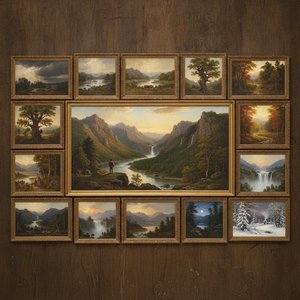
10 Iconic Hudson River School Masterpieces That Changed American Art
Journey through the breathtaking landscapes of the Hudson River School. From Thomas Cole to Albert Bierstadt, explore 10 iconic masterpieces that defined American Romanticism. Find museum-quality art reproductions and decor inspiration at OriginalUniqueArt.com. Explore the full collection online.
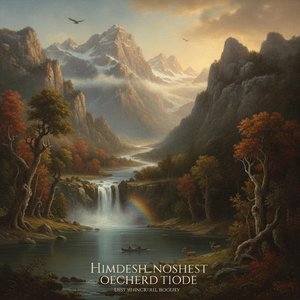
10 Iconic Hudson River School Masterpieces That Changed Landscape Art Forever
Journey through the sublime landscapes of the Hudson River School. Explore 10 iconic masterpieces by legends like Thomas Cole and Frederic Church. Find inspiration for your decor with museum-quality art reproductions. Discover all masterpieces on OriginalUniqueArt.com.

Albert Bierstadt: Luminosity, Landscape & the American Ideal
Explore the breathtaking landscapes of Albert Bierstadt, master of the American West & a leading figure in the Hudson River School. Discover his luminous style and iconic paintings – a timeless investment for art lovers.

10 Iconic Hudson River School Masterpieces That Changed American Art
Journey through the breathtaking landscapes of the Hudson River School. From Thomas Cole to Frederic Edwin Church, explore 10 iconic masterpieces that defined American Romanticism. Find museum-quality art reproductions and decor inspiration. Discover all masterpieces on OriginalUniqueArt.com.
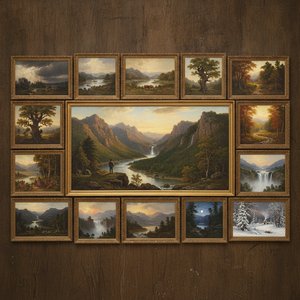
10 Iconic Hudson River School Masterpieces That Changed Landscape Art Forever
Journey through the breathtaking landscapes of the Hudson River School. Explore 10 iconic masterpieces by legends like Thomas Cole and Frederic Church. Find inspiration for museum-quality art reproductions and timeless decor. Discover all masterpieces on OriginalUniqueArt.com.


