
 Voorvertoning
 Verstuur
 Delen
Delen
 Details bekijken

 Download
 Vergelijkbare items
 Röntgenonderzoek
 Diavoorstelling
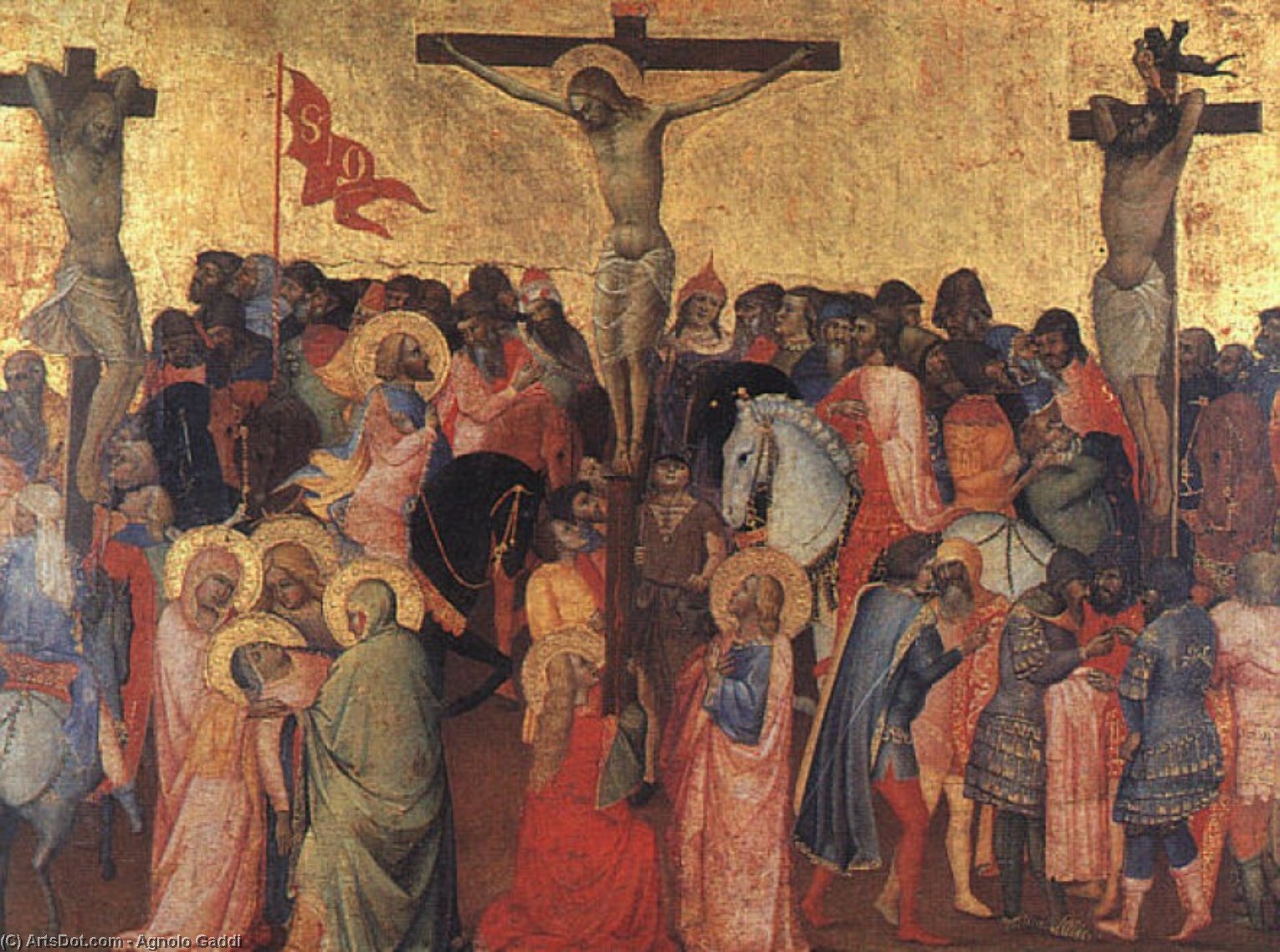
Crucifixion
 Oil On Panel
- Gothic Revival
 1390
1390 57.0 x 77.0 cm
 Galleria degli Uffizi
 Lees meer
Handgemaakte olieverfreproductie
Met de hand geschilderd in olieverf op canvas in uw gewenste maat en lijst, op bestelling gemaakt door onze kunstenaars. ( Bestel print Koop afbeelding)




P118B $10

P118H $10

P118W $10

P438Z $10

P508JH $12

P508YH $12

P805H $10

P805Z $10

P919BZ $10

P919G $10

P919XJ $10

P959ZH $10

P968JZ $12

W106C $8

W218G $10

W218JH $8

W218Y $10

W307PJ $10

W316G $10

W316PJ $8

W316Y $10

W398PJ $8

W4111J $10

W500HY $15

W500JH $15

W692G $12

W849H $8

W940BG $15

W953PJ $8




Kies uit onze vooraf ingestelde maten die overeenkomen met de originele verhoudingen van het kunstwerk.

U kunt uw eigen afmetingen invoeren om in een specifieke lijst of ruimte te passen. Als de door u gekozen maat niet overeenkomt met de verhoudingen van het originele beeld, zullen we het kunstwerk bijsnijden of het schilderij uitbreiden met extra handgeschilderde elementen. Een digitale mockup wordt ter goedkeuring naar u verzonden voordat de productie begint.
Houd er rekening mee dat de preview op het scherm niet de werkelijke uitsnede of uitbreiding weergeeft. Alleen de mockup toont de uiteindelijke compositie nauwkeurig.
Hoewel aangepaste afmetingen mogelijk zijn, raden we aan een maat uit de vooraf gedefinieerde lijst te selecteren om de originele verhoudingen te behouden.
Na de bestelling zal het team van OriginalUniqueArt.com per e-mail contact opnemen met de klant voor instructies en een mockup-voorbeeld sturen.
Wereldwijde levering () binnen 3 tot 4 weken in plaats van de standaard 5 weken. (21 augustus). Zonder concessies aan de kwaliteit.

Gratis wereldwijde expressverzending

Hoogwaardig linnen canvas

Volledige verzendverzekering

Garantie op terugbetaling van invoerrechten

Garantie op exacte kleurweergave

Retourbeleid van 60 dagen (alleen bij defecten)

100% Geld-terug-garantie

Korting bij meerdere afnames
 De optie voor glas is alleen beschikbaar bij een formaat kleiner dan 110 cm.

Crucifixion
Druktechniek
Afmetingen reproductie
-


Eindtotaal
$ 300
Beschrijving kunstwerk
The Crucifixion by Agnolo Gaddi: A Window into Florentine Gothic
The painting “Crucifixion” by Agnolo Gaddi, created in 1390, is more than just a depiction of a pivotal moment in Christian history; it’s a vibrant testament to the burgeoning artistic spirit of Florence during the late Medieval period. Housed within the hallowed halls of the Galleria degli Uffizi, this tempera painting offers a profound glimpse into the evolving style of a master craftsman – Gaddi himself – and his deep connection to the legacy of Giotto di Bondone. Measuring just 57 x 77 cm, its intimate scale belies the emotional weight it carries, inviting viewers to contemplate the suffering and sacrifice at its core.
Gaddi’s work immediately distinguishes itself within the Gothic tradition, yet subtly anticipates the stylistic shifts that would define the Early Renaissance. The composition is remarkably balanced, a careful orchestration of figures arranged around the central image of Christ on the cross. Notice the deliberate positioning – soldiers and mourners cluster at the base, creating a sense of earthly sorrow, while angels ascend above, representing divine compassion. A striking detail is the presence of a horse to the right, adding depth and dynamism to the scene, a touch uncommon in purely religious depictions of this era. The artist’s skill lies not just in anatomical accuracy – though it's evident – but in conveying a palpable sense of drama and emotional intensity.
A Glimpse into Technique and Materials
The painting is executed in tempera, a medium favored by artists during the Gothic period due to its luminosity and ability to create rich colors. Observe how Gaddi masterfully layered the pigments, building up textures and creating subtle gradations of light and shadow. The use of gold leaf, particularly around Christ’s figure and the haloed angels, further enhances the painting's spiritual aura and draws the eye towards these focal points. The attention to detail is remarkable; from the folds of Christ’s garments to the expressions on the faces of the onlookers, every element contributes to a sense of realism and immediacy.
Furthermore, Gaddi demonstrates an understanding of perspective – though it's not fully developed as in later Renaissance works. The figures are arranged in a shallow space, creating a sense of depth that is both engaging and emotionally resonant. The overall effect is one of controlled chaos, reflecting the dramatic nature of the event being depicted while maintaining a formal, balanced composition.
Historical Context: Florence at the Dawn of a New Era
To fully appreciate “Crucifixion,” it’s essential to understand the historical context in which it was created. Florence during the 14th century was a crucible of artistic innovation, fueled by wealth, political stability, and a renewed interest in classical antiquity. Giotto di Bondone, who had revolutionized painting with his naturalistic style, exerted a profound influence on subsequent generations of artists, including Gaddi. Gaddi’s work represents a direct continuation of Giotto's legacy, yet he subtly departs from it, introducing elements that foreshadow the stylistic developments of the Renaissance.
Agnolo Gaddi himself was deeply connected to this artistic lineage; he was the son of Taddeo Gaddi, who had been a devoted pupil of Giotto. This familial connection placed him at the heart of Florence’s artistic community and ensured that he remained immersed in the innovative spirit of the time. His work reflects not only his own talent but also the collective artistic consciousness of his era.
Symbolism and Emotional Resonance
The painting is laden with symbolism, inviting viewers to contemplate profound theological themes. The crucifixion itself represents sacrifice, redemption, and the promise of salvation. The figures surrounding Christ – soldiers, mourners, and angels – embody a range of human emotions: grief, despair, compassion, and hope. The horse, often associated with royalty and power, may symbolize the suffering of the Roman Empire under Christ’s rule.
Ultimately, “Crucifixion” is not merely a historical depiction; it's an emotionally charged meditation on faith, suffering, and redemption. It invites viewers to connect with the human drama at its core and to contemplate the enduring significance of this central event in Christian theology. Reproductions of this masterpiece offer a tangible connection to this remarkable artistic achievement, allowing us to experience its beauty and power firsthand.
Biografie van de kunstenaar
Agnolo Gaddi (1350-1396): Florentine Painter & Last Major Follower of Giotto
Agnolo Gaddi, born in Florence around 1350, occupies a fascinating, pivotal position in the history of Italian painting. He wasn’t merely an artist; he was the inheritor of a powerful lineage, the son of Taddeo Gaddi, himself a devoted and gifted pupil of the revolutionary Giotto di Bondone. This familial connection immediately placed Agnolo within the epicenter of artistic innovation that Florence had become in the 14th century. While often described as the last great Florentine painter directly descended from Giotto’s style, to label him simply as an imitator would be a profound disservice. Gaddi wasn't just continuing a tradition; he was subtly transforming it, bridging the gap between the late Gothic sensibilities and the burgeoning promise of the Early Renaissance. His life, though relatively undocumented compared to some of his contemporaries, reveals a man deeply embedded in the artistic and commercial fabric of Florence, a city brimming with creative energy and economic prosperity. He wasn’t solely dedicated to painting; records suggest he engaged in mercantile pursuits as well, particularly later in life, demonstrating a pragmatic side often unseen in the biographies of celebrated artists.From Giotto's Shadow: Artistic Development and Influences
The influence of Giotto is undeniable in Gaddi’s early work. The monumental figures, the emotional resonance, and the narrative clarity that characterized Giotto’s frescoes are all present in Agnolo’s initial paintings. However, Gaddi quickly developed a style distinctly his own. Where Giotto often favored robust simplicity, Gaddi embraced a more refined elegance, incorporating intricate details and a heightened sense of decorative flourish. The Gothic influence is particularly noticeable in his work – a love for dramatic lighting effects, richly textured fabrics, and an overall emphasis on ornate beauty. This isn’t to say he abandoned the naturalism pioneered by Giotto; rather, he layered it with a sophisticated aesthetic sensibility that reflected the evolving tastes of Florentine society. He wasn't afraid to experiment with color, employing vibrant hues and delicate gradations to create visually arresting compositions. Consider his early frescoes at San Jacopo tra i Fossi – “The Resurrection of Lazarus” – where Gaddi captures Giotto’s expressive pathos while simultaneously elevating the composition with meticulous attention to textural detail. This careful balance exemplifies the core of Gaddi's artistic vision: honoring tradition while pushing boundaries toward a more nuanced and aesthetically compelling representation of reality.Masterpieces in Stone and Paint: Key Works and Commissions
Agnolo Gaddi’s artistic reputation rests largely on his extensive frescoes within the Basilica di Santa Croce in Florence. These monumental works, depicting scenes from *The Legend of the True Cross*, are a testament to his skill as a narrative painter and his ability to manage complex compositions. The cycle unfolds across eight frescoes in the Cappella Baroncelli and the choir, telling the story from the discovery of the tree’s seed to its eventual use in Christ's crucifixion. These aren’t merely illustrations; they are vibrant dramas populated with expressive figures and set within meticulously rendered architectural landscapes. The fresco “The Resurrection of Lazarus” stands out for its masterful depiction of grief and compassion—a poignant portrayal that resonates deeply with viewers centuries later. Beyond Santa Croce, Gaddi received commissions for altarpieces and devotional panels that showcase his versatility as an artist. The Coronation of the Virgin, now housed in the National Gallery of Art in Washington D.C., is a prime example – a luminous depiction of celestial glory filled with delicate details and graceful figures. His *Madonna and Child* paintings, often adorned with saints and angels, reveal his sensitivity to portraying maternal tenderness and divine grace. He also designed trefoils for the Loggia dei Lanzi, demonstrating his skill extended beyond painting into decorative arts.A Teacher and a Legacy: Gaddi’s Impact on Italian Art
Agnolo Gaddi wasn't just a painter; he was an educator. Among his pupils was Cennino Cennini, who would go on to become a highly influential art theorist and author of *Il Libro dell’Arte* – a treatise that served as a foundational text for generations of artists. This mentorship underscores Gaddi’s commitment to passing on his knowledge and techniques, ensuring the continuation of artistic traditions in Florence. Giorgio Vasari recognized Gaddi's importance in *Lives of the Most Excellent Painters, Sculptors, and Architects*, solidifying his place within the canon of Italian art history. He helped to refine and transmit Giotto’s style, preparing the ground for the innovations of the Early Renaissance—a crucial step in shaping the artistic landscape of Florence and beyond. His legacy continues to inspire artists today who strive to achieve both expressive power and technical mastery.Further Exploration
- Museums & Collections: Explore works by Agnolo Gaddi at the Lindenau-Museum (Germany), the National Gallery of Art (Washington D.C.), and the Galleria degli Uffizi (Florence).
- Online Resources: Delve deeper into his life and art through resources like Wikipedia (https://en.wikipedia.org/wiki/Agnolo_Gaddi) and the National Gallery of Art website (https://www.nga.gov/artists/1327-agnolo-gaddi).
- Contextual Study: To fully appreciate Gaddi’s work, research the art of Giotto and Taddeo Gaddi, as well as the broader context of 14th-century Florentine painting.

Agnolo Gaddi
1350 - 1396 , Italië
Belangrijkste feiten
- Artistic Movement Or Style: Gothic, Early Renaissance
- Artists Or Movements Influenced By This Artist: ['Cennino Cennini']
- Artists Who Influenced This Artist:
- Taddeo Gaddi
- Giotto
- Date Of Birth: Florence, ca. 1350
- Date Of Death: aldaar, 1396
- Full Name: Agnolo Gaddi
- Nationality: Italian
- Notable Artworks:
- The Last Supper
- Crucifixion
- Discovery of True Cross
- Place Of Birth: Florence, Italy
Gerelateerde artikelen
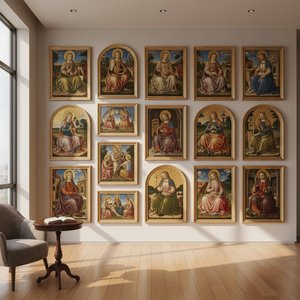
Fra Angelico's Top 25 Meesterwerken: Renaissance Kunst voor uw Interieur | OriginalUniqueArt.com
Ontdek de 25 mooiste meesterwerken van Fra Angelico! Verlies u in de spirituele schoonheid van Renaissance fresco's & panel schilderijen. Koop museumkwaliteit reproducties en breng Italiaanse kunst naar uw interieur op OriginalUniqueArt.com.

Gothic Vibes: From Dark Shadows to Bold Modern Edge | The Ultimate Trend Forecast
Explore the evolution of Gothic vibes, from historical shadows to bold modern edge. Discover how dark aesthetics, noir interiors, and contemporary subcultures are redefining modern design through a high-impact, trend-focused lens.
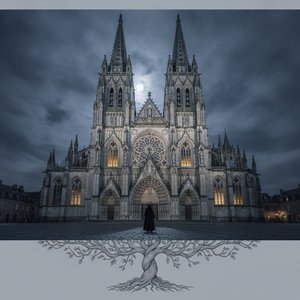
Shadows & Splendor: A Journey Through the Soul of Gothic Art and Architectural Grandeur
Embark on a profound journey through the spiritual intensity of Gothic art. Explore the architectural marvels, luminous stained glass, and sacred sculptures that define this era of grandeur and human devotion.
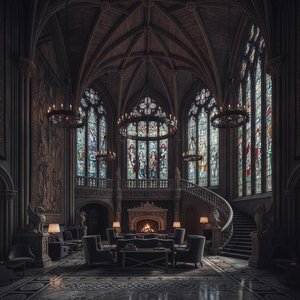
Gothic Art Guide for Hotel Designers: Leveraging Dramatic Shadows and Architectural Grandeur in Luxury Interiors
Elevate hospitality interiors with our expert guide to Gothic art. Discover how to leverage dramatic shadows, architectural grandeur, and high-end reproductions to create sophisticated, atmospheric hotel spaces that captivate guests.
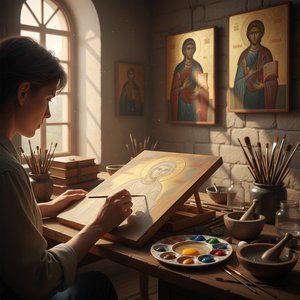
Illuminating Surfaces: A Comprehensive Exploration of Tempera on Panel Painting Techniques & Historical Significance
Explore the rich history & techniques of tempera painting! Discover Renaissance masters like Botticelli & Fra Angelico, conservation insights, and the enduring legacy of this captivating art form. Learn more now!


