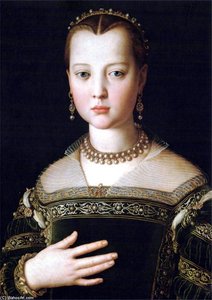
Voorvertoning
 Verstuur
 Delen
Delen
 Details bekijken
 Gids
Gids

 Download
 Vergelijkbare items
 Röntgenonderzoek
 Diavoorstelling
 Statistieken
Deposition
 Oil On Canvas
- WallArt
- Mannerist Elegance
 1565
1565 350.0 x 235.0 cm
 Galleria dell'Accademia
 Lees meer
Handgemaakte olieverfreproductie
Met de hand geschilderd in olieverf op canvas in uw gewenste maat en lijst, op bestelling gemaakt door onze kunstenaars. ( Schakel over naar print Schakel over naar digitale afbeeldingen)




P118B €10

P118H €10

P118W €10

P438Z €10

P508JH €12

P508YH €12

P805H €10

P805Z €10

P919BZ €10

P919G €10

P919XJ €10

P959ZH €10

P968JZ €12

W106C €8

W218G €10

W218JH €8

W218Y €10

W307PJ €10

W316G €10

W316PJ €8

W316Y €10

W398PJ €8

W4111J €10

W500HY €15

W500JH €15

W692G €12

W849H €8

W940BG €15

W953PJ €8




Kies uit onze vooraf ingestelde maten die overeenkomen met de originele verhoudingen van het kunstwerk.

Voer de breedte en hoogte in die u nodig heeft, passend bij uw lijst of uw muur. Omdat dit handgeschilderd is, kan de kunstenaar bij een afmeting met een andere beeldverhouding iets meer rondom het schilderij schilderen of juist iets meer weglaten — u kiest zelf. Wij sturen u een digitaal mockup ter goedkeuring voordat het schilderwerk begint. De afbeelding die op deze pagina wordt getoond, is niet het uiteindelijke resultaat — alleen de mockup geeft dit weer.
Na de bestelling zal het team van OriginalUniqueArt.com per e-mail contact opnemen met de klant voor instructies en een mockup-voorbeeld sturen.
Wereldwijde levering () binnen 3 tot 4 weken in plaats van de standaard 5 weken. (27 oktober). Zonder concessies aan de kwaliteit.

Gratis wereldwijde expressverzending

Hoogwaardig linnen canvas

Volledige verzendverzekering

Garantie op terugbetaling van invoerrechten

Garantie op exacte kleurweergave

Retourbeleid van 100 dagen (alleen bij defecten)

100% Geld-terug-garantie

Korting bij meerdere afnames
 De optie voor glas is alleen beschikbaar bij een formaat kleiner dan 110 cm.

Deposition
Druktechniek
Afmetingen reproductie
-


Eindtotaal
€ 264
Agnolo Bronzino’s “Deposition”: A Study in Reserved Elegance
“Deposition,” painted in 1565 by the Florentine master Agnolo Bronzino, is not merely a religious scene; it's a meticulously crafted tableau of restrained emotion and profound psychological depth. Commissioned for the Observant Monastery in Cosmopoli, this work transcends simple narrative to become a meditation on grief, loss, and the delicate balance between earthly sorrow and divine grace. Bronzino, renowned for his “reserved elegance,” achieved this through an almost unnervingly controlled composition, favoring subtle gestures and averted gazes over overt displays of feeling – a hallmark of the Mannerist style that defined his career.
The scene depicts the immediate aftermath of Christ’s removal from the cross. Mary Magdalene, rendered with exquisite detail in her flowing robes, gently lowers the lifeless body of Jesus into the arms of Nicodemus, a figure identified by his distinctive cloak and posture. The figures surrounding them are not presented as dramatically distraught but rather as individuals caught in a moment of quiet contemplation. Note the careful positioning – some stand closer to Christ, their faces turned towards him in sorrowful reverence, while others remain further back, observing from a distance, creating a sense of layered grief and shared humanity. The inclusion of several other figures—including John the Evangelist, Joseph of Arimathea, and even a young soldier in green – adds to the scene’s complexity, suggesting a community united in mourning.
Mannerism and Bronzino's Signature Style
Bronzino’s mastery lies not in dramatic brushstrokes or vibrant color palettes, but in his precise rendering of form and texture. Executed primarily in oil on panel, the painting showcases his signature technique: a cool, polished surface achieved through painstaking layering of thin glazes. This creates an almost sculptural effect, emphasizing the smooth contours of the figures’ bodies and clothing. The dark background serves to heighten the luminosity of the subjects, drawing the viewer's eye directly to their faces – each subtly conveying a complex range of emotions without resorting to overt expressions.
The composition itself is deliberately static, reflecting the principles of Mannerism. Figures are arranged in carefully calculated poses, often with elongated limbs and stylized gestures. This deliberate artificiality contrasts sharply with the more naturalistic depictions favored by earlier Renaissance artists like Leonardo da Vinci and Raphael. Bronzino’s approach prioritized intellectual elegance over emotional immediacy, creating a work that demands careful observation and interpretation.
Symbolism and Context
Beyond its religious subject matter, “Deposition” is rich in symbolic detail. The presence of Nicodemus, a figure often associated with wisdom and knowledge, suggests the importance of intellectual understanding in confronting grief. The young soldier’s green cloak, a symbol of Roman authority, subtly references the sacrifice of Christ within the context of imperial power. The careful arrangement of hands—Mary Magdalene's gently cradling Jesus’ head, Nicodemus’ supporting his body—underscores the profound tenderness and respect with which he is being received.
Painted during a period of political instability in Florence – the Medici family’s grip on power was increasingly challenged – “Deposition” can be interpreted as a subtle commentary on mortality and the fragility of human existence. Bronzino, serving as court painter to Cosimo I de' Medici, skillfully navigated the complexities of patronage while maintaining his artistic independence, producing works that were both aesthetically refined and subtly imbued with intellectual and emotional resonance. The painting’s placement in a monastery underscores its intended purpose: a visual meditation on faith, loss, and the enduring power of compassion.
A Reproduction for Your Space
OriginalUniqueArt offers meticulously hand-painted reproductions of Agnolo Bronzino's “Deposition,” capturing the artist’s signature style with exceptional fidelity. Each reproduction is created using traditional techniques and archival-quality materials, ensuring that it will retain its beauty and vibrancy for generations to come. Whether you are a collector of Renaissance art, an admirer of Mannerist elegance, or simply seeking a piece that evokes a sense of quiet contemplation, this reproduction offers a stunning tribute to one of Florence’s most influential artists. Consider how the painting's cool palette and restrained emotion can complement your interior design scheme – creating a space of serene beauty and intellectual depth.
Veelgestelde vragen
Behoort "Deposition" door Agnolo Bronzino tot de meest gezochte Mannerist Elegance kunstwerken?
Binnen de Mannerist Elegance-stroming heeft "Deposition" een Iconic populariteitsniveau.
In welke periode van de carrière van Agnolo Bronzino valt "Deposition"?
"Deposition" behoort tot de Late Mannerism in de carrière van Agnolo Bronzino. Deze classificatie plaatst het werk in de context van de ontwikkeling van de kunstenaar.
Hoe intens zijn de kleuren van "Deposition" door Agnolo Bronzino?
"Deposition" door Agnolo Bronzino heeft een Balanced kleurintensiteit.
Biografie kunstenaar
Agnolo Bronzino: The Sculptor's Touch in Florentine Portraiture
Agnolo di Cosimo, known to history as Bronzino, emerged from the vibrant artistic landscape of Renaissance Florence in 1503, a period already brimming with genius. Born the son of a butcher, his path diverged sharply from familial trade, guided instead by an innate talent that would see him become one of the most sought-after portraitists of his era and a defining figure of Mannerism. His early training began with Raffaellino del Garbo, but it was under the tutelage of Jacopo da Pontormo that Bronzino’s artistic sensibilities truly took shape. While absorbing Pontormo's innovative style—characterized by expressive distortions and dramatic lighting—he ultimately forged his own distinct voice—one characterized by a cool composure and refined detail markedly different from his teacher’s often emotionally charged works. This early period was also influenced by studies with Andrea del Sarto, exposing him to the legacies of Michelangelo and Leonardo da Vinci, foundational influences that would subtly permeate his mature style. The young Bronzino quickly demonstrated an aptitude for capturing not just physical likeness but a certain psychological depth, even in his earliest commissions.Early Influences and Artistic Formation
Pontormo’s impact on Bronzino's artistic development was profound. Recognizing Pontormo’s pioneering use of expressive distortion—a technique that would become synonymous with Mannerism—Bronzino skillfully adapted it to create a brilliant, precisely linear style of his own. This stylistic choice wasn’t merely an imitation; it represented a deliberate rejection of the prevailing humanist aesthetic of the High Renaissance, favoring instead a more cerebral and emotionally restrained approach. Furthermore, Bronzino's exposure to Michelangelo’s monumental sculptures—particularly *David*—and Leonardo da Vinci’s meticulous anatomical studies instilled in him a deep understanding of human form and perspective. These influences shaped his artistic vision and informed his technique throughout his career. He wasn’t interested in portraying emotion; rather, he sought to convey an idealized sense of dignity and composure—a hallmark of Mannerist portraiture.The Medici Patronage and Artistic Flourishing
Bronzino's ascent to prominence coincided with the ascendancy of Cosimo I de’ Medici, Duke of Tuscany, who recognized his exceptional talent and bestowed upon him the prestigious role of court painter. This patronage provided Bronzino with unparalleled access to resources and opportunities—allowing him to undertake ambitious commissions that solidified his reputation as Florence’s foremost artistic innovator. The wedding celebrations of Cosimo and Eleonora di Toledo in 1539 served as a catalyst for Bronzino's creative output, resulting in lavish decorations that showcased his mastery of fresco painting and sculptural modeling. These projects demanded meticulous attention to detail—reflecting Bronzino’s unwavering commitment to stylistic perfection. He skillfully employed Pontormo’s expressive distortions alongside Leonardo da Vinci’s anatomical precision—creating a visual language that was both intellectually stimulating and aesthetically captivating.Venus, Cupid, Folly & Time: A Symbol of Florentine Idealism
Perhaps Bronzino's most iconic work is *Venus, Cupid, Folly and Time* (c. 1544–45), now housed in London’s National Gallery. This allegorical masterpiece exemplifies the core tenets of Mannerist art—characterized by stylized poses, flattened perspective, and a deliberate avoidance of naturalistic representation. Bronzino skillfully employed Pontormo's expressive distortions to convey an idealized vision of beauty and desire—a reflection of Florentine humanist ideals during Cosimo’s reign. The painting’s composition is meticulously balanced—creating a harmonious visual experience despite its inherent complexity. Furthermore, the incorporation of mythological symbolism—drawing upon classical traditions—elevates *Venus, Cupid, Folly & Time* beyond mere portraiture—transforming it into a profound meditation on human nature and artistic aspiration.Legacy and Enduring Influence
Bronzino’s influence extended far beyond his own lifetime, shaping the trajectory of European art for decades to come. His cool composure and refined technique became models for subsequent generations of portraitists—establishing Mannerist aesthetics as dominant in aristocratic circles across Europe. He championed a stylistic approach that prioritized intellectual rigor over emotional expression—challenging the prevailing humanist conventions of the time. Despite criticisms leveled against Mannerism during the Romantic era, Bronzino’s work has experienced a resurgence in appreciation in recent decades—scholars recognizing his innovative technique and profound artistic vision. His legacy as Florence's premier portraitist continues to inspire artists today—demonstrating the enduring power of stylistic refinement and intellectual complexity. He passed away in Florence in 1572, leaving behind a body of work that embodies the spirit of Mannerism—a testament to his singular genius and lasting contribution to art history.
Agnolo Bronzino
1503 - 1572 , Italie
Belangrijkste feiten
- Artistic Movement Or Style: Manierisme
- Artists Who Influenced This Artist:
- Jacopo da Pontormo
- Michelangelo
- Leonardo da Vinci
- Date Of Birth: November 17, 1503
- Date Of Death: November 23, 1572
- Full Name: Agnolo di Cosimo
- Nationality: Italiaans
- Notable Artworks:
- Venus, Cupid en Tijd
- *Portret van Guidobaldo della Rovere*
- *Het Heilige Familie*
- Place Of Birth: Florence, Italy
Gerelateerde artikelen
Agnolo Bronzino: Mastering Courtly Portraiture & the Enigmatic Gaze of Renaissance Florence
Explore the captivating world of Agnolo Bronzino, Renaissance master portraitist. Discover his elegant style, symbolic depth & lasting influence on art history. Expert insights for collectors.
Top 25 Meesterwerken: Een Reis door de Galleria degli Uffizi, Florence | OriginalUniqueArt
Ontdek de top 25 meesterwerken van de Galleria degli Uffizi, Florence! Reis door de Renaissance met Botticelli, Leonardo da Vinci & Michelangelo. Kunst reproducties van museumkwaliteit voor uw interieur. Explore the full collection on OriginalUniqueArt.com.
Fra Angelico's Top 25 Meesterwerken: Renaissance Kunst voor uw Interieur | OriginalUniqueArt.com
Ontdek de 25 mooiste meesterwerken van Fra Angelico! Verlies u in de spirituele schoonheid van Renaissance fresco's & panel schilderijen. Koop museumkwaliteit reproducties en breng Italiaanse kunst naar uw interieur op OriginalUniqueArt.com.

Mannerism: Bridging Renaissance Harmony & Baroque Drama – A Study of Style & Affectation
Explore the fascinating world of Mannerism! Discover its key characteristics, pioneering artists like Pontormo & Bronzino, and its pivotal role in bridging Renaissance harmony to Baroque drama. A comprehensive guide for art enthusiasts.
Jacob Henricus Maris: A Master of Dutch Atmospheric Realism & the Intimate Landscape
Explore the captivating world of Jacob Henricus Maris, a leading figure of the Dutch Hague School. Discover his atmospheric landscapes, signature brushstrokes & lasting influence on 19th-century art. Learn more at OriginalUniqueArt.