

 Bekijk op ware grootte
 Verstuur
 Delen
Delen
 Details bekijken
 Gids voor studentenkunstwerken

 Download
 Vergelijkbare items
 Röntgenonderzoek
 Diavoorstelling
 Statistieken
Head
 Expressionism
 1945
1945 22.0 x 12.0 cm
 Lees meer
Handgemaakte olieverfreproductie
Met de hand geschilderd in olieverf op canvas in uw gewenste maat en lijst, op bestelling gemaakt door onze kunstenaars. ( Schakel over naar print Schakel over naar digitale afbeeldingen)




P118B $10

P118H $10

P118W $10

P438Z $10

P508JH $12

P508YH $12

P805H $10

P805Z $10

P919BZ $10

P919G $10

P919XJ $10

P959ZH $10

P968JZ $12

W106C $8

W218G $10

W218JH $8

W218Y $10

W307PJ $10

W316G $10

W316PJ $8

W316Y $10

W398PJ $8

W4111J $10

W500HY $15

W500JH $15

W692G $12

W849H $8

W940BG $15

W953PJ $8




Kies uit onze vooraf ingestelde maten die overeenkomen met de originele verhoudingen van het kunstwerk.

U kunt uw eigen afmetingen invoeren om in een specifieke lijst of ruimte te passen. Als de door u gekozen maat niet overeenkomt met de verhoudingen van het originele beeld, zullen we het kunstwerk bijsnijden of het schilderij uitbreiden met extra handgeschilderde elementen. Een digitale mockup wordt ter goedkeuring naar u verzonden voordat de productie begint.
Houd er rekening mee dat de preview op het scherm niet de werkelijke uitsnede of uitbreiding weergeeft. Alleen de mockup toont de uiteindelijke compositie nauwkeurig.
Hoewel aangepaste afmetingen mogelijk zijn, raden we aan een maat uit de vooraf gedefinieerde lijst te selecteren om de originele verhoudingen te behouden.
Na de bestelling zal het team van OriginalUniqueArt.com per e-mail contact opnemen met de klant voor instructies en een mockup-voorbeeld sturen.
Wereldwijde levering () binnen 3 tot 4 weken in plaats van de standaard 5 weken. (26 september). Zonder concessies aan de kwaliteit.

Gratis wereldwijde expressverzending

Hoogwaardig linnen canvas

Volledige verzendverzekering

Garantie op terugbetaling van invoerrechten

Garantie op exacte kleurweergave

Retourbeleid van 100 dagen (alleen bij defecten)

100% Geld-terug-garantie

Korting bij meerdere afnames
 De optie voor glas is alleen beschikbaar bij een formaat kleiner dan 110 cm.

Head
Reproductiemethode
Formaat reproductie
-


Totaalprijs
$ 300
Artist Background
Abraham Rattner was an American artist born in 1895 in Poughkeepsie, New York. He studied at the Corcoran School of Art and later moved to Paris, where he was influenced by Claude Monet's palette. Rattner's work is characterized by its bold lines, vibrant colors, and emotive subject matter. His paintings often feature distorted or deformed figures, which add to the sense of mystery and intrigue.Painting Analysis
The painting "Head" is a prime example of Rattner's unique style. The subject's face is partially obscured, adding to the sense of enigma and intrigue. The use of ink on paper creates a sense of intimacy and immediacy, as if the artist is sharing a private thought or emotion with the viewer. The bold lines and expressive brushstrokes evoke a sense of energy and movement, drawing the viewer into the painting.- View more artworks by Abraham Rattner on https://OriginalUniqueArt.com, including his notable piece Moses I Am.
- Learn more about the Smithsonian American Art Museum and its collection of American art on Wikipedia.
In conclusion, "Head" by Abraham Rattner is a thought-provoking piece that showcases the artist's innovative style and technique. As a professional expert in Art and https://OriginalUniqueArt.com salesman, I highly recommend exploring more of Rattner's artworks and learning about his fascinating life and career.
Biografie van de kunstenaar
Een leven geschilderd in expressie: De wereld van Abraham Rattner
Abraham Rattner, geboren in Poughkeepsie, New York, in 1895, was een kunstenaar wiens leven en werk diep verweven waren met de turbulente stromingen van de twintigste eeuw. Zijn reis, die zich uitstrekte van de slagvelden van de Eerste Wereldoorlog tot de levendige kunstscènes van Parijs en New York, smeedde een unieke artistieke stem—één die werd gekenmerende door gedurfd expressionisme, spiritueel verlangen en een hartverscheurend mooi kleurgebruik. Rattners vroege ambities neigden naar de architectuur, wat hij aanvankelijk studeerde aan de George Washington University, maar zijn ware roeping lag in de schilderkunst. Dit leidde hem naar verdere studies aan de Corcoran School of Art en de Pennsylvania Academy of the Fine Arts. Deze fundamentele opleiding zou cruciaal blijken terwijl hij zich bewoog door het voortdurend veranderende landschap van de moderne kunst.Van camouflage naar canvas: Oorlog en artistiek ontwaken
De uitbraak van de Eerste Wereldoorlog veranderde Rattners pad op dramatische wijze. Werving door Homer Saint-Gaudens voor het American Camouflage Corps van het Amerikaanse leger bracht hem naar Frankrijk, een vormende ervaring die zijn artistieke visie onuitwisbaar zou markeren. Door deel te nemen aan belangrijke veldslagen zoals de Tweede Slag om de Marne, Château-Thierry en Belleau Wood, was Rattner niet louter een toeschouwer van het conflict; hij was actief betrokken bij het verbergen ervan—een paradoxale rol voor een kunstenaar wiens latere werk juist zou worden gedefinieerd door zijn rauwe emotionele eerlijkheid. Een ernstige rugwond opgelopen tijdens zijn diensttijd bracht hem levenslang fysiek ongemak, maar gaf hem ook een diepe gevoeligheid voor de kwetsbaarheid van het leven en de blijvende kracht van de menselijke geest. Deze ervaring plantte thema's van kwetsbaarheid en veerkracht in hem die door zijn gehele oeuvre zouden resoneren. Na de oorlog bood een Cresson Traveling Fellowship Rattner de kans om naar Frankrijk terug te keren, ditmaal niet als soldaat, maar als een kunstenaar op zoek naar inspiratie om zijn vakmanschap te verfijnen.De Parijse jaren: Een smeltkroes van stijl
Parijs was in de jaren twintig een magneet voor kunstenaars uit de hele wereld, en Rattner doopte zichzelf volledig onder in de dynamische kunstwereld van de stad. Hij studeerde aan verschillende prestigieuze academies—de École des Beaux-Arts, de Academies Julian, Ransom en Grande Chaumière—waarbij hij invloeden opnam van meesters als Claude Monet, Georges Rouault en Pablo Picasso. Hij probeerde deze kunstenaars echter niet simpelweg na te bootsen; in plaats daarvan synthetiseerde hij hun lessen tot een eigen, onderscheidende stijl. Zijn Parijse periode zag de ontwikkeling van een expressionistische benadering, gekenmerkt door rijke, vaak sombere kleuren, vervormde vormen en surrealistische beelden. Religieuze thema's begonnen centrale motieven in zijn werk te worden, wat een diepe spirituele bevraging en een fascinatie voor de mysteries van het geloof weerspiegelde. Dit waren geen traditionele religieuze schilderijen; het waren intens persoonlijke verkenningen van geloof, twijfel en de menselijke conditie.Terugkeer naar Amerika & een blijvende erfenis
De dreigende dreiging van het nazisme dwong Rattner in 1940 tot een terugkeer naar New York City. Bij zijn aankomst bleef hij niet passief; hij ondernam een reis door het land samen met de schrijver Henry Miller, waarbij hij hun ervaringen documenteerde en zijn artistieke perspectief verder verrijkte. Rattner wijdde zich ook aan het onderwijs, waarbij hij zijn kennis en passie deelde aan instellingen zoals The New School, Yale University en Columbia University. Zijn kunst kreeg erkenning in vooraanstaande musea zoals het Art Institute of Chicago, het Whitney Museum of American Art en de Albright-Knox Art Gallery, waarmee hij zijn plaats in de canon van de Amerikaanse kunst verstevigde. Naast de schilderkunst strekten Rattners artistieke talenten zich uit tot glas-in-lood; in 1960 ontwierp hij de adembenemende oostmuur van de Chicago Loop Synagogue—een meesterwerk dat wordt gevierd om zijn uitzonderlijke schoonheid en spirituele resonantie. Vandaag de dag staat het Leepa-Rattner Museum of Art in Tarpon Springs, Florida, als een testament tot zijn blijvende nalatenschap, met een belangrijke collectie van zijn werken naast die van zijn tijdgenoten. De kunst van Abraham Rattner overbrugt de kloof tussen het Europese modernisme en het Amerikaanse expressionisme, en biedt de kijker een krachtige blik in de ziel van een kunstenaar die een eeuw van diepgaande verandering heeft meegemaakt en weerspiegeld. Zijn unieke combinatie van religieuze symboliek, surrealistische beelden en levendige kleuren blijft mensen boeien en inspireren, wat zijn plek als een betekenisvol figuur in de kunstgeschiedenis van de twintigste eeuw waarborgt.
Abraham Rattner
1895 - 1978 , Verenigde Staten
Snelle feiten
- Artistic Movement Or Style: Expressionisme, Surrealisme
- Artists Or Movements Influenced By This Artist: ['Amerikaans Expressionisme']
- Artists Who Influenced This Artist:
- Claude Monet
- Georges Rouault
- Pablo Picasso
- Date Of Birth: 8 juli 1895
- Date Of Death: 14 februari 1978
- Full Name: Abraham Rattner
- Nationality: Amerikaans
- Place Of Birth: Poughkeepsie, USA
Gerelateerde artikelen

Ephemeral Expressions: Exploring the Nuances of Ink on Paper Through History & Contemporary Art
Explore the captivating world of ink wash painting – from its ancient origins to contemporary masters. Discover techniques, symbolism & conservation insights with OriginalUniqueArt.com.
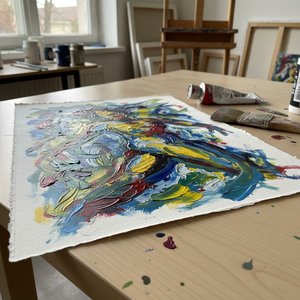
Acrylic on Paper: A Modern Canvas for Contemporary Expression
Explore the versatility of acrylic painting on paper! Discover expert techniques, artist insights & archival practices for creating stunning contemporary art. Learn more at OriginalUniqueArt.

Mastering Ink on Paper: The Timeless Art of Precision, Flow, and Calligraphic Heritage
Explore the profound mastery of ink on paper. From Japanese haiku traditions to Ming Dynasty calligraphy, discover the delicate balance of precision and flow that defines this timeless art form through an expert historical lens.

Mastering the Flow: The Timeless Art of Ink on Paper and the Legacy of Calligraphic Mastery
Explore the profound elegance of ink on paper. From the rhythmic running script of the Ming Dynasty to Zen-inspired haiku, discover the history, technique, and meditative mastery behind the world's most timeless calligraphic traditions.
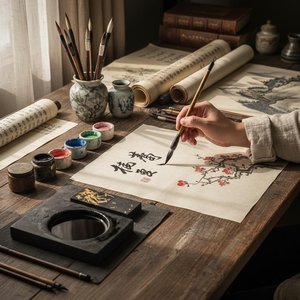
The Alchemy of Ink: Mastering the Timeless Beauty and Art History of Paper and Brush
Embark on a sophisticated exploration of ink wash painting and Sumi-e. Uncover the profound historical lineages, Zen philosophies, and technical mastery behind this timeless medium in our authoritative guide for fine art enthusiasts.