
 Voorvertoning
 Verstuur
 Delen
Delen
 Details bekijken

 Download
 Vergelijkbare items
 Röntgenonderzoek
 Diavoorstelling
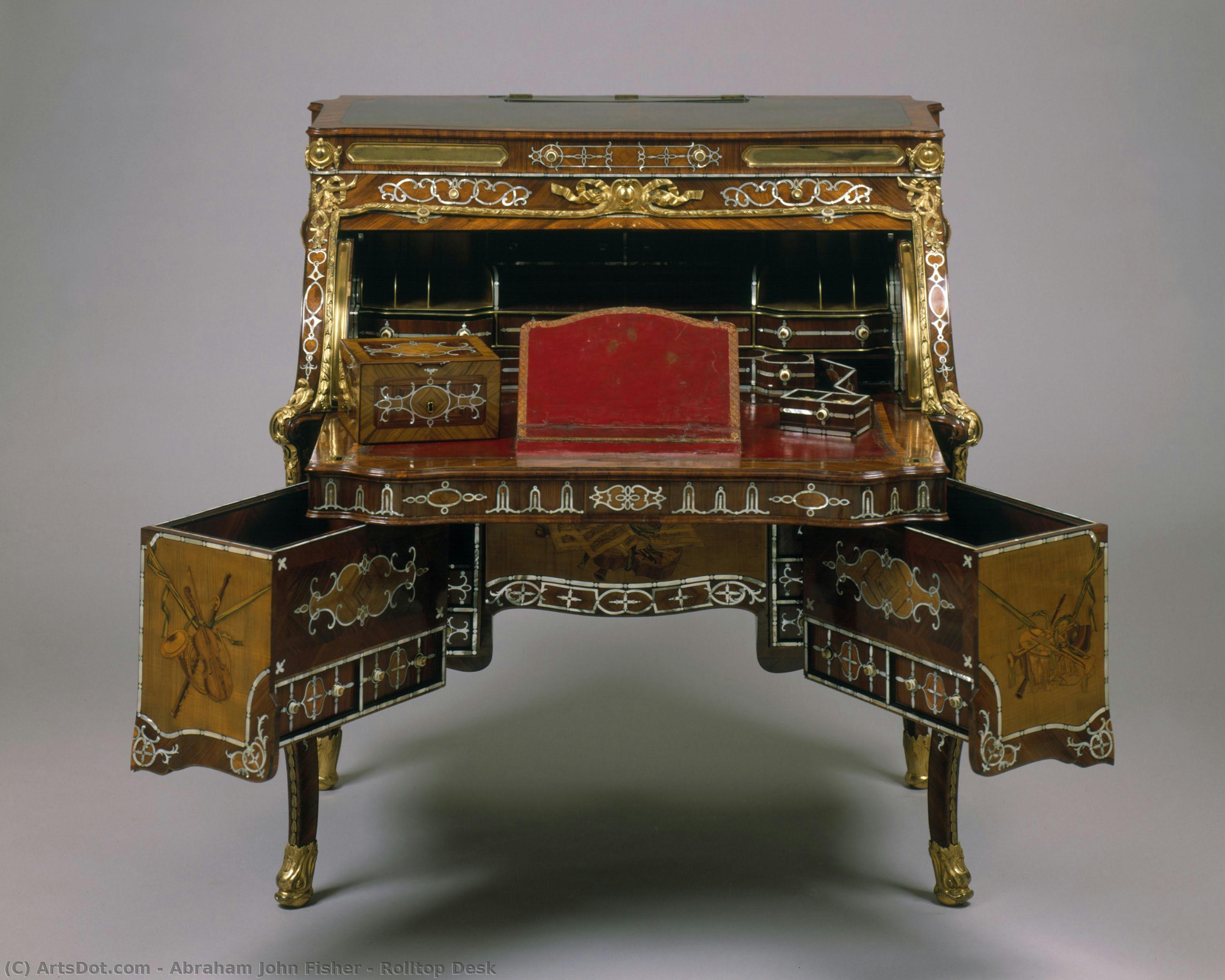
Rolltop Desk

 Lees meer
Giclée / Kunstafdrukken
Giclée- of canvasafdruk van museumkwaliteit met een snelle productie en flexibele afwerkingsmogelijkheden. ( Bestel handgeschilderde reproductie Koop afbeelding)




































Kies uit onze vooraf ingestelde maten die overeenkomen met de originele verhoudingen van het kunstwerk.

U kunt uw eigen afmetingen opgeven om in een specifieke lijst of ruimte te passen. Als de door u gekozen maat niet overeenkomt met de proporties van het originele kunstwerk, zullen wij de afbeelding bijsnijden of uitbreiden met een gespiegelde of effen rand. Een digitaal mockup wordt ter goedkeuring naar u verzonden voordat de productie begint.
Houd er rekening mee dat de preview op het scherm de werkelijke bijsneding of uitbreiding niet weergeeft. Alleen de mockup toont de uiteindelijke compositie nauwkeurig.
Hoewel aangepaste maten beschikbaar zijn, raden wij aan een afmeting uit de vooraf bepaalde lijst te kiezen om de originele proporties te behouden.
Wereldwijde levering () binnen 2 weken in plaats van de standaard 4/5 weken. (21 augustus)

Gratis wereldwijde expressverzending

Hoogwaardig linnen canvas

Volledige verzendverzekering

Garantie op terugbetaling van invoerrechten

Garantie op exacte kleurweergave

Retourbeleid van 60 dagen (alleen bij defecten)

100% Geld-terug-garantie

Korting bij meerdere afnames
 De optie voor glas is alleen beschikbaar bij een formaat kleiner dan 110 cm.

Rolltop Desk
Giclée / Kunstafdrukken
Afmetingen reproductie
-


Eindtotaal
$ 81
Biografie van de kunstenaar
Early Life and Musical Foundations
Abraham John Fisher, born in the quaint market town of Dunstable in 1744, emerged into a world already resonating with the burgeoning sounds of the Classical era. His early life was steeped in privilege; raised within the household of Lord Tyrawley, he benefited from an education uncommon for aspiring musicians of the time. This fortunate upbringing provided him access to Thomas Pinto, a violinist who would become his formative teacher and instill in Fisher a passion for the instrument that would define his career. The patronage of Lord Tyrawley was instrumental – indeed, Fisher’s debut at the King's Theatre in 1763 explicitly acknowledged this support with the phrase “by permission,” hinting at the societal structures that both enabled and shaped artistic endeavors during the eighteenth century.
This early exposure wasn’t merely technical training; it was an immersion into a world of aristocratic taste, theatrical spectacle, and the growing importance of public performance. Fisher quickly demonstrated a natural aptitude for the violin, captivating audiences with his skill even at a young age. His enrollment in the Royal Society of Musicians in 1764 solidified his commitment to a professional musical life, marking him as a rising talent within London’s vibrant artistic community.
Academic Pursuits and Theatrical Entanglements
Fisher's ambition extended beyond the concert hall. In 1777, he matriculated at Magdalen College, Oxford, an unusual path for a practicing musician but indicative of his intellectual curiosity and desire for broader recognition. He swiftly earned both Bachelor’s and Doctor of Music degrees, showcasing a remarkable dedication to scholarly pursuits alongside his performance career. This academic achievement lent him credibility and prestige within the musical establishment.
However, it was Fisher's involvement with Covent Garden Theatre that truly cemented his place in London’s cultural landscape. Through marriage around 1770 to Miss Powell, daughter of a theatre proprietor, he acquired a sixteenth share of the esteemed venue. This wasn’t simply a financial arrangement; it was a strategic move that allowed him to exert considerable influence over the theatre's musical programming and direction. He poured his energy into Covent Garden, becoming deeply involved in its operations and contributing significantly to its success.
Continental Journeys and Mozartian Encounters
Following his wife’s death, Fisher embarked on a professional tour of the continent in the 1780s, seeking new opportunities and expanding his artistic horizons. His travels took him through France, Germany, and ultimately to Vienna, the heart of the Classical music world. It was here that he encountered Wolfgang Amadeus Mozart, an encounter that would become a notable anecdote in musical history.
The circumstances surrounding their meeting were…complex. Fisher’s marriage to Anna Storace, a celebrated prima donna, proved tumultuous and scandal-ridden. His bullying behavior towards his wife drew public criticism, and the situation reached a point where Mozart himself intervened, supporting Storace's case and ultimately prompting Fisher’s expulsion from Vienna by order of Emperor Joseph II. This episode reveals a darker side to Fisher’s personality – a volatile temperament that often overshadowed his musical talents.
Compositions and Legacy
While primarily known as a violinist and performer, Fisher was also a prolific composer. His works encompassed both theatrical music and sacred compositions, though he achieved greater recognition for the former. His *Six Easy Solos for a Violin* and *Six Duettos* served as valuable resources for amateur musicians of the time, while his *Vauxhall and Marybone Songs*, popularised by singers like Mrs. Weichsel and Vernon, enjoyed considerable success in London’s pleasure gardens.
His compositions, though not considered masterpieces on par with Mozart or Haydn, demonstrate a lively energy and a keen understanding of audience appeal. The manuscript of his seventh symphony, preserved at the British Library, offers further insight into his orchestral writing. Fisher's legacy lies not in groundbreaking innovation but in his ability to connect with audiences through engaging melodies and skillful performances.
Final Years and Historical Context
Fisher’s later years were marked by a return to Ireland, where he found refuge with Robert Owenson and enjoyed a period of relative tranquility. He continued to perform and teach in Dublin, sharing his musical expertise with a new generation of students. His death in May or June 1806 brought an end to a career that spanned decades and encompassed both artistic triumph and personal turmoil.
Abraham John Fisher’s life reflects the complexities of eighteenth-century musical society – the importance of patronage, the challenges faced by performing musicians, and the delicate balance between artistic ambition and personal conduct. He was a product of his time, a skilled violinist who navigated a world of aristocratic privilege, theatrical intrigue, and evolving musical tastes. While perhaps not remembered as a towering figure in music history, he remains a fascinating example of an artist striving for recognition within a rapidly changing cultural landscape.

abraham john fisher
1744 - 1806 , United Kingdom
Belangrijkste feiten
- Artistic Movement Or Style: Theatrical music, Sacred music
- Date Of Birth: 1744
- Date Of Death: 1806
- Full Name: Abraham John Fisher
- Nationality: English
- Notable Artworks:
- Six Easy Solos for a Violin
- Vauxhall Songs
- Marybone Songs
- In Vain I Seek to Calm to Rest
- Place Of Birth: Dunstable, UK

