Venecijos galios ir meno audinys
Majestiškai iškilęs prie Šv. Mako aikštės krašto, Palazzo Ducale , ar Dožų rūmai, yra kur kas daugiau nei tik akmens ir istriinio marmuro monumentas; tai gilus, įtraukiantis išnykusios imperijos kronika. Įlieti per jų vartus reiškia žengti į gyvą venecijos republikonizmo palikimo įrodymą, kur kiekvienas aukštas iškilęs romas ir sudėtingas išraiška šnabžda istorijas apie politines intrigas, jūrinę dominaciją ir neparedisį artistinį genijų. Rūmai tarnauja kaip tapatus Venecijos neįtikėtinos praeities aidas – vieta, kur teisingumo šešėliai susipina su ryškiais, saulės apšauktais Renesanso šedevrų spalviniais potepiais. Patys jų pamatai pasako transformacijos istoriją: nuo IX amžiaus tvirtinės, sukurtos slavių užpuolimų atmetimui, iki prabangaus, išsiplėtusio Dožų rezidencijos centru, atspindinčios miesto kelią nuo pažeidžiamos išvadžios iki pasaulinės jūrinės supervalstybės.
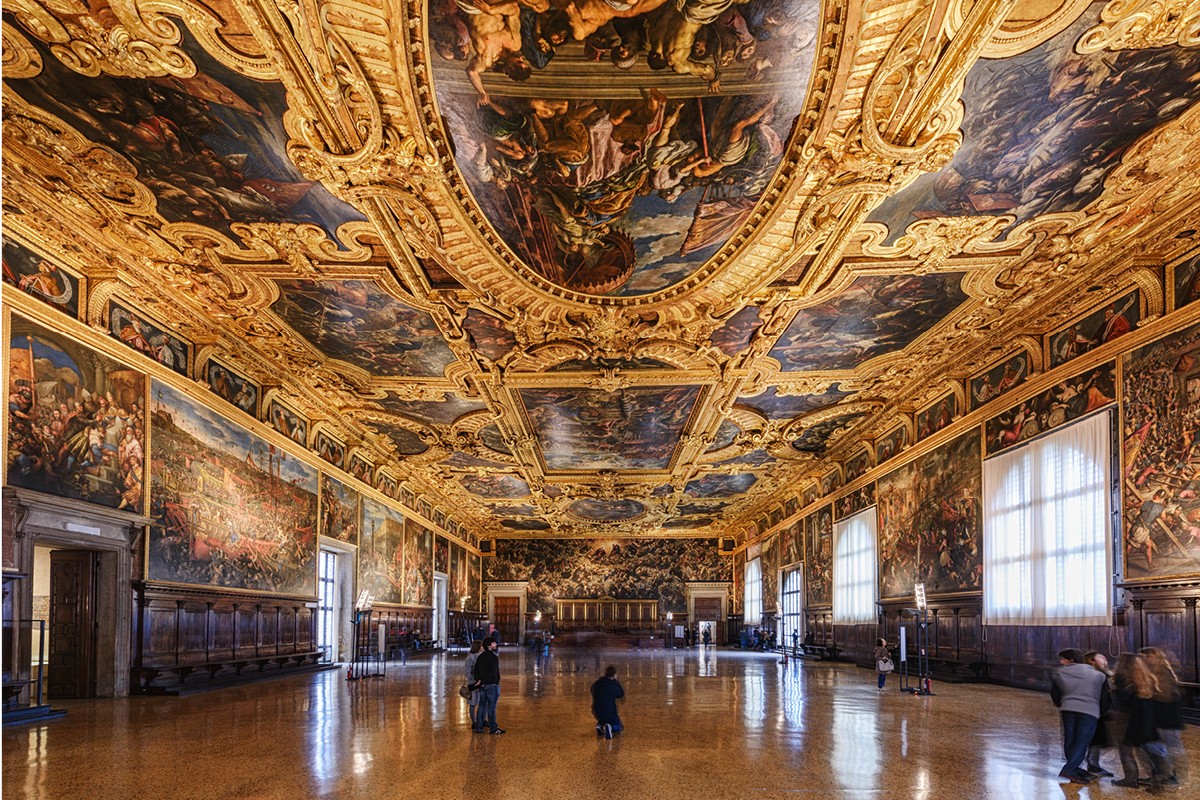
Rūmų architektūra yra kvapą griebiantis dialogas tarp stilių, įtvirtinantis unikalią fuziją, kuri atspindi Venecijos padėtį sankryždoje tarp Rytų ir Vakarų. Išorinė fasada, su ritminiu ніжniu trapiomis gotiškomis detalėmis ir sunkiomis, tvirtomis mūrinėmis konstrukcijomis, gavė gilią įkvėpimo dalį iš bizantinių pavyzdžių, ypač iš artimos Šv. Mako bazilikos. Šis architektūrinis inovacijinis žingsnis reprezenduoja sąmoningą atsiskyrimą nuo tradicinių tvirtovės stilių, rinkiantis lengvumo ir dinamikos estetiką. Viduje prabanga dar intensyvesnė tokioje erdvėje kaip Sala del Maggior Consiglio . Čia Didžiojo tarybos salės mastas užvertina jus, o viską dominuoja monumentalus Tintoretto paveikslas Paradisas . Šis kvapą griebiantis audinys, ištraukiantis daugiau nei 36 metrų ilgį, tarnauja kaip galingas vizualinis Venecijos įsipareigojimo piliečių dorybėms ir dieviškam malonybėms manifestas, spinduliuodamas dangaus šviesą pačiame venecijos valdžios širdyje.
Dekoratyvinio prabangos kleštas
Atместиems kolekcionieriams ir subtilių detalių mylėtojams rūmai siūlo dekoratyvinės prabangos brangenybes, kurios peržengia paprasto papuošimo ribas. Dideles sales puošia Veronese kūrinys Venecijos triumfas – spalvų ir prabangos detalių šventė, švenčianti Respublikos jūrinį meistriškumą. Be šių didelių formatų, čia galima rasti ir delikatiesią venecietiško meistriškumo sielą: sudėtingus gobelinus, vaizduojančius biblijinius pasakojimus, bei meistrišką stiklą, kuris kadaise nustatė miesto ekonomikos pulsą. Rūmai taip pat kviečia tyrinėti savo paslaptingiausias kampines per specializuotas ekskursijas, tokias kaip Slaptasis itinerarija
Ar tai būtų susižvelgimas į meistrišką Titiano šviesą, ar stebėtroms skirbtis atrastas Lafreri mokyklos kartografinis tikslumas, lankytojai jaučia save apsuptintus atmosferos, kur menas ir valdžia yra neatsiejami. Šiam laikui Palazzo Ducale išlieka gyvuoti kultūrinis epicentras, nuolat evoliucionuojantis per parodas, kurios užtrausia tiltą tarp senųjų tradicijų ir šiuolaikinių perspektyvų. Recencijos ir naujausios eksponavimo erdvės gilino venecietiško stiklo gamybos subtilią meną bei gilų bizantinių mozaikų įtaką, užtikrindamos, kad rūmų naratyvas išliktų toks pat dinamiškas kaip jūra, kuri kadaise juos saugojo. Interjero dizaineriams ir meno entuziastams, ieškantiems įkvėpimo, šie rūmai stovi kaip nepakeičiamas prabangos, masto ir harmoningos architektūros bei gryno meno integracijos pavyzdys.