A Sanctuary of Flemish Brilliance and Local Heritage
Nestled within the historic heart of Valenciennes, a city steeped in Roman and medieval history, lies the Musée des Beaux-Arts – a treasure trove that transcends mere collection to become a vibrant immersion into artistic evolution. Founded in 1801 from the remnants of the Académie valenciennoise de peinture et de sculpture, this museum’s story is one of organic growth, blossoming from an academic institution into a dynamic public space. Initially housed within the venerable Hôtel de Ville, its permanent home, designed by the esteemed Paul Dusart and inaugurated in 1909, stands as a testament to the enduring spirit of artistic patronage – a building itself imbued with the beauty it houses. A significant renovation in 1995 not only expanded the museum’s physical footprint but also unveiled a fascinating archaeological layer beneath, revealing glimpses into Valenciennes' rich past and adding another dimension to its cultural narrative. Currently undergoing meticulous restoration, anticipation hangs heavy in the air as visitors await the unveiling of an even more immersive experience, promising deeper connections with art and history alike.
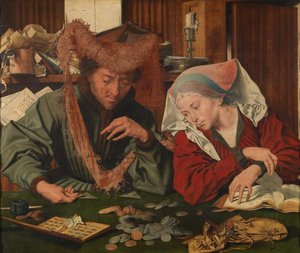
The museum’s core identity is inextricably linked to the Golden Age of Flanders – a period of unparalleled artistic flourishing that profoundly shaped European aesthetics. Here, one doesn't simply observe paintings; they are transported into worlds brimming with luminous color, dramatic chiaroscuro, and an astonishing depth of human emotion. The galleries resonate with the legacy of masters such as Peter Paul Rubens, whose dynamic compositions explode with life; Anthony van Dyck, renowned for his elegant portraits capturing the essence of aristocratic society; and Jacob Jordaens, a master of genre scenes that offer intimate glimpses into everyday Flemish life. Beyond these luminaries, the museum’s holdings reveal a remarkable breadth of talent – lesser-known artists whose contributions nonetheless enrich the tapestry of Flemish artistry from the Middle Ages through the 17th century. Each canvas whispers stories of religious devotion, mythological grandeur, and the subtle nuances of human interaction, inviting prolonged contemplation and sparking the imagination.
Valenciennes’ Own Son: Antoine Watteau's Delicate World
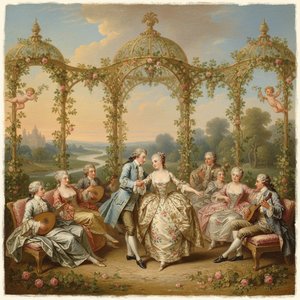
Yet, the Musée des Beaux-Arts holds a particularly special place for one of its own – Antoine Watteau. Born in Valenciennes, Watteau is exceptionally well-represented here, offering visitors an unparalleled opportunity to trace the development of his distinctive and evocative style. His *fêtes galantes*—scenes of aristocratic leisure and romantic encounters—are undoubtedly the museum’s crown jewels. These aren't mere depictions of elegant gatherings; they are profound explorations of human emotion, fleeting moments captured with exquisite sensitivity that epitomizes the Rococo period. The paintings shimmer with an ethereal quality, a delicate balance between reality and dream, reflecting Watteau’s unique ability to capture the ephemeral beauty of life. To view his work within the walls of his hometown museum is to gain a deeper understanding of the influences – the local culture, the artistic traditions – that shaped his singular vision and the cultural context in which he flourished. The collection showcases a remarkable progression from his early works to his mature style, revealing the evolution of his technique and subject matter.
Sculptural Grandeur: Carpeaux’s Dynamic Visions
The Musée des Beaux-Arts doesn't confine itself solely to the canvas; it also celebrates the power of sculpture. The museum’s impressive collection, largely dedicated to Jean-Baptiste Carpeaux (1827–1875), showcases a master of movement and emotion. Carpeaux’s sculptures are not static representations but dynamic expressions of human experience—a testament to his ability to imbue stone and bronze with an astonishing sense of vitality. The museum's holdings offer a comprehensive overview of his oeuvre, ranging from allegorical figures brimming with symbolic meaning to portraits that capture the personality and spirit of their subjects with remarkable immediacy. The sheer scale and dramatic intensity of Carpeaux’s works are particularly striking, demonstrating his technical virtuosity and artistic vision. These sculptures stand as powerful reminders of the enduring legacy of sculpture as an art form capable of capturing the human spirit in all its complexity.
A Harmonious Tapestry: International Masters and Local Identity
What truly distinguishes the Musée des Beaux-Arts de Valenciennes is its remarkable ability to weave together international artistic heritage with a strong sense of local identity. The concentration of Flemish masterpieces, alongside the prominent representation of Antoine Watteau and the impressive sculptures by Jean-Baptiste Carpeaux, creates a unique cultural tapestry that reflects both the global reach of art history and the distinct character of Valenciennes. The inclusion of archaeological finds – unearthed beneath the museum itself – adds another layer of historical depth to this already compelling collection, offering visitors a tangible connection to the city’s past. The museum is more than just a repository of beautiful objects; it's a living testament to the power of art to connect us to the past, inspire us in the present, and shape our understanding of the world around us. The ongoing restoration promises to further enhance this experience, ensuring that the Musée des Beaux-Arts de Valenciennes remains a vibrant center for artistic appreciation for generations to come.