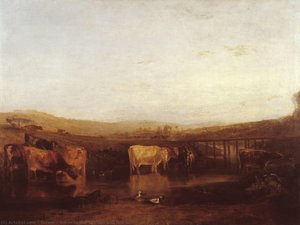
William Turner portretas

100 garsiausių William Turner paveikių – kiekvienas yra unikalus

Atnaujinta lapkritis 2026 · pagal mūsų populiarumumo koeficientą (paieškos, lankytojai ir užsakymai kiekvienam kūriniui) · 870 William Turner darbai mūsų kataloge

Trumpai tariant

Kariaujantis „Temeraire“ vilkuomas į paskutinį doką, skirtą jam išskirti (1838) yra viena矚 most žiūrėlių pritraukiančių William Turner tapierių; originalas saugomas National Gallery, Londonas. Po to akmuo patenka į Vergų laivas ir Žieminiai rūžmių šildymas ir greitis – Didžioji vakarų geležinkelė. Iš 870 William Turner darbų mūsų kataloge šios 100 yra garsiausios – kiekvienas yra unikali originali dai̇lia, pateikta su jos metais, muziejumi ir priežastimi, kodėl ji išlieka per amžius.

1775 – 1851, Covent Garden Romantizmas Daugiausia darbų: Tate Gallery

10 geriausių William Turner paveikslų: galerijos akimais

1
Kariaujantis „Temeraire“ vilkuomas į paskutinį doką, skirtą jam išskirti (1838) aut. William Turner

Kariaujantis „Temeraire“ vilkuomas į paskutinį doką, skirtą jam išskirti

1838 · Aliejus ant drobės · National Gallery, Londonas

William Turner’s “The Fighting 'Temeraire' Tugged to Her Last Berth to be Broken Up” isn’t merely a painting; it’s a poignant elegy for an era. Completed in 1838, this monumental canvas captures a profoundly moving scene – the final journey of HMS *Temeraire*, a veteran warship that had bravely fought at Trafalgar, towards its inevitable dismantling. The image resonates with a deep sense of loss and transition, reflecting not just…

2
Vergų laivas aut. William Turner

Vergų laivas

Aliejus ant drobės · Museum of Fine Arts, Bostonas

Mūsų priešais esantis darbas vadinamas „Vergų laivas“ – tai dalykas ant drobos, dažtai aliejuje, sukurtas J. M. W. Turner. Nors dažnai vartojamas šis trumpesnis pavadinimas, pilnoji kūrinio titula yra „Vergų pardavinėjai išmato į vandenį mirusius ir agoniją kelyje esančius, artėja tyfonas“. Šis mokslinis ir emocingas paveikslas pirmą kartą buvo eksponuojamas Karališkajame akademijoje 1840 metais. Darbo matmenys yra 90,8 cm X 122,6 cm (35,7 in X 48,3 in).

3
Žieminiai rūžmių šildymas ir greitis – Didžioji vakarų geležinkelė aut. William Turner

Žieminiai rūžmių šildymas ir greitis – Didžioji vakarų geležinkelė

Aliejus ant drobės · National Gallery, Londonas

J.M.W. Turnerio „Lietaus, garų ir greičio – Didžioji vakarų geležinkelis“ yra kvapą griebiantis gamtos ir pramoninės jėgos suvėžinimas, įtrapiantis jaudinantį Viktoro valdžios laikotarpio ditempą. Šis ikoninis apie 1844 m. sukurtas paveikslas yra Turnerio genijų apibrėžtis, sugebėjusią romantizmo estetiką susieti su tuo metu augančiais technologiniais pažangos žingsniais.

4
Garų laivas prie uostos įlankos aut. William Turner

Garų laivas prie uostos įlankos

Aliejus ant drobės · Tate Britain, Londras

Joseph Mallord William Turner kūrinys „Garų laivas prie uostos įlankos“ nėra tik paprastas jūros vaizdo įtvartinimas; tai gilus, įtraukiantis pothapis, intuicyjus susidūrimas su gryna gamtos jėga ir aukšybėn (sublimu) pasižyminančiu jos grožiu. Šis ikoninis, 1842 metais parašytas darbas yra revoliocinio Turnerio romantizmo požiūrio į kraštovaizdžio tapybą pavyzdys, kuriame atmosferos ir emocijų intensyvumas dominuoja prieš tikslų vaizdinimą. Scena atsivelo kaip dramatiškas šviesos, spalvų ir judesio žaidimas, užfiksuojantis trumpalaikį momentą, kuriame žmogaus…

5
Sniegų audra, Hannibalis ir jo armija kelyje per Alpes (1812) aut. William Turner

Sniegų audra, Hannibalis ir jo armija kelyje per Alpes

1812 · Aliejus ant drobės · Tate Gallery, Londonas

Joseph Mallord William Turner kūrinys „Sniegų audra, Hannibalis ir jo armija kelyje per Alpes“ nėra tik istorinio įvykio vaizdas; tai įtraukianti patirtis, intuicyvus gamtos jėgų primena struzdėjimo vaizdas prieš nepavaldytą stichijų galią. 1812 metais sukurta šis monumentalus płatinas mus nukelia į pavojingus Prancūzijos Alpesių šlėgias, kur Hannibalis Barkas ir jo kartaginų legionai kovojo ne tik su nepalankiomis sąlygomis, bet ir su šiurkščiais vietiniais gentimies kova už savo teritoriją. Šis paveikslas…

6
Trafalgaro mūšis aut. William Turner

Trafalgaro mūšis

Aliejus ant drobės · National Maritime Museum, Londonas

Savo monumentaliame lėstuvas ant grindinio, Joseph Mallord William Turner įamžino turbulentinę ir chaotišką Trafalgaro mūšio esmę. Šis milžiniškas istorinis paveikslas tampa kvapą gausiu langu į gilią jūros dramą, kur pati vandenyno kova atrodo pulsuojanti intensyvumą. Kompozicija yra meistriškas vienuigiškų įvykių audinys, į pinčią, vientisą struggle ir triumfo viziją susiejantis skirtingus mūšio akimirkas. Per šį meno kūrinį žiūrovą tiesiog nukelia į veiksmų sūdrį, priklausomą į imperijų susidūrimą vidury nuolatos besivandenijančios dūmų,…

7
Dido statydama Kartaginą (taip pat žinoma kaip Kartaginų imperijos auga) (1815) aut. William Turner

Dido statydama Kartaginą (taip pat žinoma kaip Kartaginų imperijos auga)

1815 · Aliejus ant drobės · National Gallery, Londonas

Joseph Mallord William Turnerio „Dido statanti Kartaginę“, pildytas 1815 m., nėra tik senovės miesto aprašymas; tai gilus apmąstymas apie ambicijas, likimą ir galios laikino pobūdį. Šis monumentalus laipsnis ant kanavose, dabar saugėdamas Londono Nacionalinėje galerijoje, viršija savo istorinį subjektą, paverties nepriklausomai iškartojama žmogaus siekių apmąstymu prieš dramatiško kraštobo fondo. Turneris, dirbtinis šviesos ir atmosferos įgaunėjimas, neprsiūlo paprastos reprezentacijos, bet gana giliai pajuskinę patirtį – šviesojantį, beveik halucinacinį viziją Kartaginė, kai…

8
Žiebrežiai jūroje (1796) aut. William Turner

Žiebrežiai jūroje

1796 · Aliejus ant drobės · Tate Gallery, Londonas

Šviesos ir šešėlio šedevras Žiebrežiai jūroje, parašytas 1796 metais, yra vienas pirmųjų alieviu paveikslų, pristatytų garsiojo anglo dailininko Joseph Mallord William Turner. Šis užburiantis kūrinys, saugomos Londone, Tate Gallery, demonstruoja Turnerio meistriškumą valdant šviesą ir šešėlį, nustatydamas precedentą jo būsimiesiems darbas. Meninė kontekštacija Turnerui teko įtakos naktinių temų tradicija, kurią išpopuliarino tokie menininkai kaip Horace Vernet, Philip James de Loutherbourg ir Joseph Wright of Derby. Šis stilius pabrėžė dramatišką mėnesino…

9
Šaukiantis Temerairo aut. William Turner

Šaukiantis Temerairo

Aliejus ant drobės

Joseph Mallord William Turnerio 1838 metų paveikslas „Šaukiantis Temerairas“ yra kur kas daugiau nei tiesiog vaizdingas sen다고 karo laivo vaizdinys. Tai giliai jaudinanti meditacija apie laiką, praradimą ir nekontroliuojamą pažangos žingsnį – vizualinė elegija, kuri vis dar sužavi žiūrovus savo grožiu ir emociniu gyliu.

10
Aukos Pastato Ugniniai Degdžiai (1835) aut. William Turner

Aukos Pastato Ugniniai Degdžiai

1835 · Aliejus ant drobės

„Palietų Parlamento Saiminę” – Viljamas Terneris ir Romantizmo Dramos Atakas „Palietų Parlamento Saiminė” – tai ne tik istorijos fragmentas, bet ir Viljamo Ternerio genialiai išnaudotas emocinis katalizas. 1835 metais sukurtas šis monumentalus malūninis vaizdas įvykioje, kai didžiulis ugnies karštis sudegino Didžiosios Britanijos politinio centro simbolį – Parlamento rūmus, atspindi ne tik fizinį žlugimą, bet ir visuomenės vidinis susiliejimas. Terneris, išskirtinis savo laikų menininkas, įkėlė į šį malūninį vaizdą visą Romantizmo…

žinomi William Turner paveikslai, nuo 11 iki 100 numerio

11Kariaujantis Temereras (detalė) (1839) aut. William TurnerKariaujantis Temereras (detalė)1839 12Žvejai jūroje (1796) aut. William TurnerŽvejai jūroje1796 13Laivavirtis (1805) aut. William TurnerLaivavirtis1805 · Tate Gallery 14Chichester kanalas (1828) aut. William TurnerChichester kanalas1828 · Tate Gallery 15Didysis kanalas, Venecija (1835) aut. William TurnerDidysis kanalas, Venecija1835 · Metropolitano meno muziejus 16Venecija: Dogana ir San Giorgio Maggiore (1834) aut. William TurnerVenecija: Dogana ir San Giorgio Maggiore1834 · National Gallery of Art 17Hero ir Leanderas atsisveikinimas – iš Musaejaus grėko (1837) aut. William TurnerHero ir Leanderas atsisveikinimas – iš Musaejaus grėko1837 · National Gallery 18Ulysses Deriding Polyphemus (1848) aut. William TurnerUlysses Deriding Polyphemus1848 · National Gallery 19Šiovė Širmas – Jūrų Įlankos Užlūžusiąs Oro Vėjo Žaidimą Ir Žengiantį Žiburiu. (1842) aut. William TurnerŠiovė Širmas – Jūrų Įlankos Užlūžusiąs Oro Vėjo Žaidimą Ir Žengiantį Žiburiu.1842 · Tate Gallery 20Mercury and Argus (1840) aut. William TurnerMercury and Argus1840 · Kanados Nacionalinė galerija 21Dutch Fishing Boats in a Storm (1801) aut. William TurnerDutch Fishing Boats in a Storm1801 · National Gallery 22Slavers Throwing Overboard the Dead and Dying - Typhon Coming on (1840) aut. William TurnerSlavers Throwing Overboard the Dead and Dying - Typhon Coming on1840 · Museum of Fine Arts 23Snow Storm: Hannibal and His Army Crossing the Alps (1812) aut. William TurnerSnow Storm: Hannibal and His Army Crossing the Alps1812 · Tate Gallery 24Louth, Lincolnshire (1827) aut. William TurnerLouth, Lincolnshire1827 · British Museum 25Snow Storm: Steam-Boat off a Harbour's Mouth (1842) aut. William TurnerSnow Storm: Steam-Boat off a Harbour's Mouth1842 · Tate Gallery 26Snowstorm Peace Burial at Sea (1842) aut. William TurnerSnowstorm Peace Burial at Sea1842 27Romos: Kolizėjus (1820) aut. William TurnerRomos: Kolizėjus1820 · British Museum 28Bėgiai, garai ir greitis – Didžioji Vakarų geležinkelio linija (1844) aut. William TurnerBėgiai, garai ir greitis – Didžioji Vakarų geležinkelio linija1844 · National Gallery 29Modern Rome-Campo Vaccino (1839) aut. William TurnerModern Rome-Campo Vaccino1839 · J. Paul Getty muziejus 30The Pantheon, the Morning after the Fire (1792) aut. William TurnerThe Pantheon, the Morning after the Fire1792 31Undine Giving the Ring to Massaniello, Fisherman of Naples (1846) aut. William TurnerUndine Giving the Ring to Massaniello, Fisherman of Naples1846 · Tate Gallery 32Norham Castle, Sunrise (1845) aut. William TurnerNorham Castle, Sunrise1845 · Tate Gallery 33Venice, Looking East from the Guidecca, Sunrise (1819) aut. William TurnerVenice, Looking East from the Guidecca, Sunrise1819 34Self-Portrait (1799) aut. William TurnerSelf-Portrait1799 · Tate Gallery 35Ruins of Tintern Abbey (1794) aut. William TurnerRuins of Tintern Abbey1794 · Calouste Gulbenkian Foundation 36Pagyvėjus Šėlėms ir Tumui (1843) aut. William TurnerPagyvėjus Šėlėms ir Tumui1843 · National Gallery of Art 37Quillebeuf, at the Mouth of Seine (1833) aut. William TurnerQuillebeuf, at the Mouth of Seine1833 · Calouste Gulbenkian Foundation 38Peace - Burial at Sea (1842) aut. William TurnerPeace - Burial at Sea1842 · Tate Gallery 39The Battle of Trafalgar, as Seen from the Mizen Starboard Shrouds of the Victory aut. William TurnerThe Battle of Trafalgar, as Seen from the Mizen Starboard Shrouds of the VictoryTate Britain 40Tivoli, the Cascatelle (1827) aut. William TurnerTivoli, the Cascatelle1827 · Tate Britain 41Campo Santo, Venice (1842) aut. William TurnerCampo Santo, Venice1842 42Kalnų vaizdas, Val d (1845) aut. William TurnerKalnų vaizdas, Val d1845 · Nacionalinė Viktorijos galerija 43Bonneville, Savoy with Mont Blanc (1803) aut. William TurnerBonneville, Savoy with Mont Blanc1803 44Union of the Thames and Isis ( (1808) aut. William TurnerUnion of the Thames and Isis (1808 · Tate Britain 45Harlech Castle, from Tygwyn Ferry, Summer's Evening Twilight (1799) aut. William TurnerHarlech Castle, from Tygwyn Ferry, Summer's Evening Twilight1799 · Yale Center for British Art 46San Giorgio Maggiore at Dawn (1819) aut. William TurnerSan Giorgio Maggiore at Dawn1819 · Tate Gallery 47Death on a Pale Horse (1830) aut. William TurnerDeath on a Pale Horse1830 48The Ponte Delle Torri, Spoleto (1840) aut. William TurnerThe Ponte Delle Torri, Spoleto1840 · Tate Britain 49Landscape (1850) aut. William TurnerLandscape1850 · Ermitažas 50Edinburgh from Calton Hill (1819) aut. William TurnerEdinburgh from Calton Hill1819 · Škotijos Nacionalinė galerija 51The Foot of Mount St. Gotthard (1842) aut. William TurnerThe Foot of Mount St. Gotthard1842 · Leeds Museums - Galleries 52Landscape (1850) aut. William TurnerLandscape1850 · Walker Art Gallery 53Falls of the Rhine at Schaffhausen, Side View aut. William TurnerFalls of the Rhine at Schaffhausen, Side View 54Prudhoe Castle, Northumberland (1826) aut. William TurnerPrudhoe Castle, Northumberland1826 55The Fighting Temeraire'', Tugged to her Last Berth To Be Broken Up, 1838'' (1839) aut. William TurnerThe Fighting Temeraire'', Tugged to her Last Berth To Be Broken Up, 1838''1839 · National Gallery 56Europa and the Bull (1845) aut. William TurnerEuropa and the Bull1845 · Taft Museum of Art 57The Red Rigi (1842) aut. William TurnerThe Red Rigi1842 · Nacionalinė Viktorijos galerija 58The Pass of Saint Gotthard, Switzerland (1803) aut. William TurnerThe Pass of Saint Gotthard, Switzerland1803 · Birmingham Museum and Art Gallery 59Sun Rising through Vagour, Fishermen Cleaning and Sellilng Fish (1807) aut. William TurnerSun Rising through Vagour, Fishermen Cleaning and Sellilng Fish1807 · National Gallery 60Keelmen Heaving in Coals by Night (1835) aut. William TurnerKeelmen Heaving in Coals by Night1835 · National Gallery of Art 61Bonneville, Savoy (1812) aut. William TurnerBonneville, Savoy1812 · Philadelphia Museum of Art 62Slavers throwing overboard the death and dying aut. William TurnerSlavers throwing overboard the death and dying 63Walton Reach (1805) aut. William TurnerWalton Reach1805 · Tate Britain 64Valley of Aosta: Snowstorm, Avalanche, and Thunderstorm (1836) aut. William TurnerValley of Aosta: Snowstorm, Avalanche, and Thunderstorm1836 · Art Institute of Chicago 65Shore Scene with Waves and Breakwater (1835) aut. William TurnerShore Scene with Waves and Breakwater1835 · Tate Modern 66Neuwied and Weise Thurn, with Hoch's Monument on the Rhine, looking towards Andernach aut. William TurnerNeuwied and Weise Thurn, with Hoch's Monument on the Rhine, looking towards Andernach 67The Thames above Waterloo Bridge (1830) aut. William TurnerThe Thames above Waterloo Bridge1830 · Tate Britain 68Ulysses Deriding Polyphemus - Homer's Odyssey (1829) aut. William TurnerUlysses Deriding Polyphemus - Homer's Odyssey1829 · National Gallery 69The Wreck of a Transport Ship (1810) aut. William TurnerThe Wreck of a Transport Ship1810 70Dolbadern Castle, North Wales (1800) aut. William TurnerDolbadern Castle, North Wales1800 · Karališkoji meno akademija 71Dawn after the wreck aut. William TurnerDawn after the wreck 72Venice with the Salute (1840) aut. William TurnerVenice with the Salute1840 · Tate Britain 73Heriot's Hospital, Edinburgh (1819) aut. William TurnerHeriot's Hospital, Edinburgh1819 · Škotijos nacionalinė galerija 74Sunrise, with a Boat between Headlands (1835) aut. William TurnerSunrise, with a Boat between Headlands1835 · Tate Gallery 75Ivy bridge devonshire aut. William TurnerIvy bridge devonshire 76A First Rate Taking In Stores (1818) aut. William TurnerA First Rate Taking In Stores1818 77Venice, San Giorgio from the Dogana: Sunrise (1819) aut. William TurnerVenice, San Giorgio from the Dogana: Sunrise1819 · British Museum 78Peace (1842) aut. William TurnerPeace1842 79Morning amongst the Coniston Fells (1798) aut. William TurnerMorning amongst the Coniston Fells1798 · Tate Gallery 80Flint Castle (1838) aut. William TurnerFlint Castle1838 81The Fall of an Avalanche in the Grisons (1810) aut. William TurnerThe Fall of an Avalanche in the Grisons1810 · Tate Gallery 82Interior of Salisbury Cathedral (1805) aut. William TurnerInterior of Salisbury Cathedral1805 83Akmeninė buktis su figūromis (1830) aut. William TurnerAkmeninė buktis su figūromis1830 · National Gallery 84Peržėžiant kišturinį (1815) aut. William TurnerPeržėžiant kišturinį1815 · Tate Gallery 85Landscape with Water (1840) aut. William TurnerLandscape with Water1840 · Tate Britain 86Peace - Burial at Sea (1842) aut. William TurnerPeace - Burial at Sea1842 · Tate Gallery 87Lake of Thun (1851) aut. William TurnerLake of Thun1851 · Taft Museum of Art 88Archway with Trees by the Sea (1828) aut. William TurnerArchway with Trees by the Sea1828 89Carisbrook Castle, Isle of Wight (1828) aut. William TurnerCarisbrook Castle, Isle of Wight1828 90Mortlake terrace aut. William TurnerMortlake terraceNational Gallery of Art 91Jedburgh Abbey (1832) aut. William TurnerJedburgh Abbey1832 · Taft Museum of Art 92A Single Figure aut. William TurnerA Single FigureTate Britain 93Shipping at the Mouth of the Thames (1806) aut. William TurnerShipping at the Mouth of the Thames1806 · Tate Britain 94Rain, Steam and Speed The Great Western Railway aut. William TurnerRain, Steam and Speed The Great Western RailwayNational Gallery 95The Nordgalerie aut. William TurnerThe Nordgalerie 96Vakarienė didžioje salėje su kostiumu aprasytomis figūromis (1830) aut. William TurnerVakarienė didžioje salėje su kostiumu aprasytomis figūromis1830 · Tate Gallery 97Stonehenge (1828) aut. William TurnerStonehenge1828 98Lyme Regis, Dorsetshire, England (1834) aut. William TurnerLyme Regis, Dorsetshire, England1834 99The Billiard Players aut. William TurnerThe Billiard PlayersTate Britain 100Snow Storm - Steam-Boat off a Harbour's Mouth aut. William TurnerSnow Storm - Steam-Boat off a Harbour's Mouth

žymios William Turner tapiojamos, pagal laikotarpį

Temos, kurios domino William Turner

Ketverios temos, dažniausiai pasikrausto originaluose, kiekvienos su savo puikiausiu pavyzdžiu.

Muziejai, kuriuose saugomi William Turner originalūs darbai

8 muziejai, kuriuose saugoma daugiausia šioje pusėje esamų paveikslų.

Muzejaus Miestas William Turner darbai Šiojo sąrašo paveikslai
Tate Gallery, LondonasTate Gallery Londonas 24 Sniegų audra, Hannibalis ir jo armija kelyje per Alpes, Žiebrežiai jūroje, Laivavirtis
Tate Britain, LondrasTate Britain Londras 42 Garų laivas prie uostos įlankos, The Battle of Trafalgar, as Seen from the Mizen Starboard Shrouds of the Victory, Tivoli, the Cascatelle
National Gallery, LondonasNational Gallery Londonas 19 Kariaujantis „Temeraire“ vilkuomas į paskutinį doką, skirtą jam išskirti, Žieminiai rūžmių šildymas ir greitis – Didžioji vakarų geležinkelė, Dido statydama Kartaginą (taip pat žinoma kaip Kartaginų imperijos auga)
National Gallery of Art, VašingtonasNational Gallery of Art Vašingtonas 11 Venecija: Dogana ir San Giorgio Maggiore, Pagyvėjus Šėlėms ir Tumui, Keelmen Heaving in Coals by Night
British Museum, LondonasBritish Museum Londonas 5 Louth, Lincolnshire, Romos: Kolizėjus, Venice, San Giorgio from the Dogana: Sunrise
Taft Museum of Art, CincinnatiTaft Museum of Art Cincinnati 5 Europa and the Bull, Lake of Thun, Jedburgh Abbey
Museum of Fine Arts, BostonasMuseum of Fine Arts Bostonas 4 Vergų laivas, Slavers Throwing Overboard the Dead and Dying - Typhon Coming on
Nacionalinė Viktorijos galerija, MelburnasNacionalinė Viktorijos galerija Melburnas 3 Kalnų vaizdas, Val d, The Red Rigi

William Turner per dešimtmečius: vieniškas originalas kiekvienam

Darbai pagal dešimtmečius

Pasirinkite dešimtmetį, kad pamatytėte jį apibrėžusį originalą.

William Turner tapų klausimai galerijai

Koks yra garsiausias William Turner kūrinys?Atsakymas

Kariaujantis „Temeraire“ vilkuomas į paskutinį doką, skirtą jam išskirti (1838), National Gallery, Londonas. Toliau seka Vergų laivas ir Žieminiai rūžmių šildymas ir greitis – Didžioji vakarų geležinkelė.

Kuriuo amžiaus atσταση William Turner sukūrė Kariaujantis „Temeraire“ vilkuomas į paskutinį doką, skirtą jam išskirti?Atsakymas

63 metų amžiaus: Kariaujantis „Temeraire“ vilkuomas į paskutinį doką, skirtą jam išskirti sukurta 1838 m. Nr. William Turner gimė 1775.

Kurios William Turner dešimt paveikslų yra garsiausi?Atsakymas

Kariaujantis „Temeraire“ vilkuomas į paskutinį doką, skirtą jam išskirti, Vergų laivas, Žieminiai rūžmių šildymas ir greitis – Didžioji vakarų geležinkelė, Garų laivas prie uostos įlankos, Sniegų audra, Hannibalis ir jo armija kelyje per Alpes, Trafalgaro mūšis, Dido statydama Kartaginą (taip pat žinoma kaip Kartaginų imperijos auga), Žiebrežiai jūroje, Šaukiantis Temerairo ir Aukos Pastato Ugniniai Degdžiai. Viršuje esančioje reitingo sąraše nurodyta kiekvieno kūrinio metis ir muziejus.

Kiek žinoma William Turner darbų?Atsakymas

Mūsų kataloge yra 870 William Turner darbų, skirtų laikotarpiui nuo 1792 iki 1851.

Kur galima pamatyti garsiausių William Turner originalų?Atsakymas

Daugiausia – Tate Gallery (Londonas), Tate Britain (Londras) ir National Gallery (Londonas). Viršuje esančiame muziejų sąraše yra visi jie.

Kuriuo laikotarpiu William Turner sukūrė savo žymiausias paveikslus?Atsakymas

1840s laikotarpiu: 21 iš 100 šioje pusėje esančių darbų buvo sukurtos tada, iš jų Ulysses Deriding Polyphemus.

Kuris iš garsių William Turner paveikslų yra pirmasis, o kuris – paskutinis?Atsakymas

Šioje pusėje seniausias darbas yra The Pantheon, the Morning after the Fire (1792), o naujausias – Lake of Thun (1851).

Kokia temos William Turner mėgavosi?Atsakymas

Landscape (27), Shipwreck (11) ir Sky (10) iš 100 šioje pusėje esamų darbų.

Kuriomis medžiagomis William Turner tapė dažniausiai?Atsakymas

Oil On Canvas, iš 100 šios puslapio darbų – 42.

Kelią meno kryžkelę priklauso William Turner kūryba?Atsakymas

Romantizmas, vadovaujantis šios puslapio originalais kūriniais.

Kurius William Turner originalius galėčiau pamatyti Tate Gallery?Atsakymas

Sniegų audra, Hannibalis ir jo armija kelyje per Alpes, Žiebrežiai jūroje ir Laivavirtis: Tate Gallery, Londonas kolekcijoje yra 18 šioje pusėje esančių darbų.

William Turner: meno kūrinys – autoportretas

Early Life, Family and Training

In a house on Maiden Lane, within the busy Covent Garden district of London, Joseph Mallord William Turner entered the world. His beginnings were rooted in the practical trades of the city; his father, William Turner, worked as a barber and wigmaker. This domestic setting was also a place of commerce, as William served as an art dealer, providing a young boy with an early, unforced proximity to the world of visual works. The boy’s talent was evident early on, and his father even displayed the child's drawings in the shop window to catch the eyes of passing customers.

By the age of fourteen, the boy's ambition led him to the Royal Academy Schools in 1789. This formal entry into the academic world provided the technical discipline required to transform raw talent into professional skill. Before and during these formative years, he sought practical experience by working for various architects, including Thomas Hardwick, James Wyatt, and Joseph Bonomi the Elder. These roles required a keen eye for structure and perspective, grounding his developing vision in the physical realities of the built environment.

His education was further shaped by the guidance of the topographical draughtsman Thomas Malton. Through this study, he learned to render the specific details of landscapes and architecture with precision. This period of his life was a careful balance of formal instruction and the necessity of working for hire, as he moved from the meticulous demands of architectural drawing toward the more expressive possibilities of the natural world.

Technique and Artistic Style

In his early years, he followed the path of the eighteenth-century topographical tradition, producing precise renderings of architecture and landscapes. These early efforts showed a disciplined hand, yet a restless spirit was already beginning to stir beneath the surface of his technical proficiency. As he matured, his focus shifted from the mere documentation of places to a profound fascination with the raw power of the natural world. He sought to capture the very essence of storms, the sudden fury of seascapes, the massive presence of mountains, and the fleeting brilliance of a sunset. This pursuit led him to become a painter of light, a man who used color as his primary language to describe the atmosphere.

His method was one of constant experimentation across various media, including oils, watercolours, and engravings. He moved away from rigid forms, preferring instead to use bold color and expressive renditions of light to convey the feeling of a moment. He did not merely paint a scene; he painted the air between the eye and the object. This approach allowed him to translate the turbulence of the elements into something deeply felt. His brushwork became a tool for capturing movement, dissolving the boundaries between the sea and the sky through a masterful command of light and shadow.

Key Works and Subjects

His early years saw him mastering the elements of the sea and the self. In 1796, he produced Fishermen at Sea, an oil work that demonstrated his early command over the interplay of light and shadow. By 1799, he turned his gaze inward with a Self-Portrait, rendered in oil on canvas. These early endeavors were but a fraction of a staggering output that eventually included over 550 oil paintings and nearly 20,000 drawings and sketches.

As his vision expanded, he moved from the meticulous details of topography toward the vastness of the natural world. He found profound inspiration in the changing light of the English landscape, such as the watercolor of Louth, Lincolnshire from 1827. His brushwork grew more expressive, often capturing the turbulent energy of storms and the shifting moods of the sky. He was drawn to the drama of the ocean, often depicting the raw power of waves and the vulnerability of those caught within them.

In his later years, the artist found himself fascinated by the rapid changes of the industrial age. He turned his attention to the machines of progress, capturing the movement and steam of a new era. This interest in contemporary technology is evident in works such as The Fighting Temeraire and Rain, Steam and Speed, where the force of human invention meets the vastness of the atmosphere.

Patrons and Commercial Success

The seeds of his professional life were sown in the modest setting of his father's shop. There, the young artist's sketches were displayed in the window, inviting passersby to purchase his early efforts for a single shilling. This early exposure to the marketplace provided a practical understanding of art as a trade. As he matured, he secured a steady and reliable income by meeting the high demand for topographical and architectural watercolours, a pursuit that allowed him to establish himself firmly within the London art world.

His growing reputation eventually drew the attention of men of significant means and influence. He found patronage among figures such as William Beckford, Francis Egerton, the 3rd Duke of Bridgewater, and George Wyndham, the 3rd Earl of Egremont. These connections were marked by substantial transactions that reflected the rising value of his vision. In 1799, he sold The Fifth Plague of Egypt to William Beckford for 150 guineas. A few years later, in 1801, Dutch Boats in a Gale was acquired by Francis Egerton for 250 guineas.

Legacy and Influence

The ripples of his vision reached far beyond the shores of Britain, touching the very foundations of how painters perceived the world. His restless pursuit of light and his expressive use of color acted as a precursor to the Impressionist movement, leaving a profound mark on artists like Monet and Pissarro. He did not merely paint the landscape; he sought to dissolve the boundaries of form, a pursuit that helped pave the way for modern abstraction. This willingness to prioritize atmosphere over rigid detail allowed his influence to travel through the centuries, eventually reaching the abstract expressionists like Mark Rothko.

His ascent to widespread acclaim was aided by a significant turning point in 1840, when a prominent critic became his great champion. This support helped the public grasp the depth of his experimentation at a time when his free treatment of subjects was often met with confusion or criticism. While many found his swirling compositions difficult to interpret, his ability to capture the feeling of a place ensured his place in the history of art. He transformed the landscape from a static subject into a medium for profound emotional expression.

Where to See the Works Today

To witness the legacy of this painter, one must travel to London, where the great majority of his paintings are held. The Tate Britain houses much of his life's work, allowing a viewer to trace his development through the decades. Within these halls, one can find The Fighting Temeraire Tugged to Her Last Berth to Be Broken Up, a work that captures a sense of profound transition. Nearby, the Tate Collection also preserves The Evening of the Deluge, a piece that reflects his preoccupation with the overwhelming forces of nature.

His reach extends far beyond the shores of England, finding homes in various corners of the globe. In Lisboa, Portugal, the Calouste Gulbenkian Museum holds Ruins of Tintern Abbey, a watercolor that demonstrates his command over light and atmosphere. Across the Atlantic, the Museum of Fine Arts in Boston, Massachusetts, preserves Slavers Throwing Overboard the Dead and Dying—Typhon Coming on, a painting that speaks to the darker, more turbulent aspects of his vision.