Saint Russia
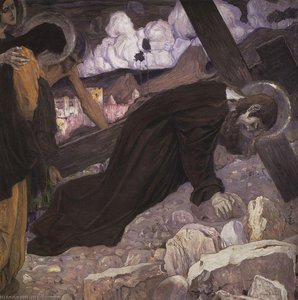
Saint Russia is an oil on canvas work by Mikhail Nesterov. The artist executed this piece between 1901 and 1905. It remains part of the permanent collection at the State Russian Museum in the Russian Federation.
Trumpai tariant
Saint Russia yra Michailas Nesterovas paveikslas, kuriuo gausiausia žmonių žavisi. Po to akmuo patenka į Self-Portrait (1918) ir Saint Sergius' labours (right part of the triptych) (1896). Iš 158 Michailas Nesterovas darbų mūsų kataloge šios 100 yra garsiausios – kiekvienas yra unikali originali dai̇lia, pateikta su jos metais, muziejumi ir priežastimi, kodėl ji išlieka per amžius.
Saint Russia is an oil on canvas work by Mikhail Nesterov. The artist executed this piece between 1901 and 1905. It remains part of the permanent collection at the State Russian Museum in the Russian Federation.
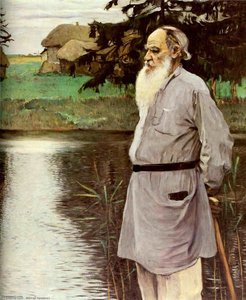
The artwork is titled Self-Portrait and was created by the artist Mikhail Nesterov. This specific piece is a monochrome portrait that focuses on a self-representation of the artist. The work was produced in 1918.
A solitary figure moves through a landscape of winter. Dressed in a long coat and hat, a man resembling a monk or priest carries a child in his arms. The scene is set upon a street lined with buildings, where the urban architecture meets a heavy, white blanket of snow. In the background, the presence of a dog and other distant figures adds a sense of lived-in movement to the…
Mikhail Nesterov produced Solovki in 1917. The work provides a representation of the Solovki islands located in Russia. This landscape captures a specific geographic setting through a lens of quietude and natural scale.
In this 1940 work, titled Portrait of Vera Mukhina, the artist Mikhail Nesterov captures a moment of quiet intensity. The painting focuses on the likeness of Vera Mukhina, a woman who lived from 1889 to 1953. It is a study of character and presence, rendered during a period when the artist and his subject had recently become acquainted, having met in the autumn of 1939.
In the quietude of Mikhail Nesterov’s 1909 masterpiece, St. Mark the Apostle, we are invited into a moment of profound spiritual contemplation. The painting presents a striking portrait of the Apostle, depicted with deep, soulful features and a dignified beard, seated in a state of meditative repose upon a rugged rock. Set against a lush, natural backdrop that suggests a secluded garden or a sacred grove, the composition breathes with…
The scene before us is Autumn, a landscape that captures a specific, quiet moment in the changing seasons. Mikhail Nesterov, a painter who sought to translate the very essence of the Russian soul onto canvas, brings this seasonal transition to life through his unique vision. The work, created in 1906, invites a sense of stillness into the viewer's space, as if the air itself has paused to breathe.
The scene unfolds through the Portrait of Olga Nesterova (Woman in a Riding Habit), a work that captures a quiet, suspended moment in time. Mikhail Nesterov brings this figure to life, presenting a woman who exists within a landscape of soft light and natural textures. She stands poised, her presence defined by the elegant lines of her riding habit, a garment that speaks to a specific way of life and…
Youth of Saint Sergiy Radonezhsky is a painting by Mikhail Nesterov. The canvas captures a quiet moment of grace, a stillness held within the brushstrokes of a man who sought the essence of the Russian soul. Nesterov, born in Ufa, Russia, in 1862, spent his life translating the unseen into the visible. His hand moved between the heavy weight of realism and the light, ethereal touch of symbolism.
In "Old painter" by Mikhail Nesterov, the viewer enters a quiet studio where time seems to pause. The composition centers entirely on an elderly artist, whose intense focus anchors the scene as he works upon a large canvas. He sits at his easel, caught in a moment of profound concentration. In the background, a classical sculpture rests in the shadows, acting as a silent focal point that draws the eye…
Ketverios temos, dažniausiai pasikrausto originaluose, kiekvienos su savo puikiausiu pavyzdžiu.
4 muziejai, kuriuose saugoma daugiausia šioje pusėje esamų paveikslų.
| Muzejaus | Miestas | Michailas Nesterovas darbai | Šiojo sąrašo paveikslai |
|---|---|---|---|
| Varšuva | 3 | Nun, Sea view., Landscape study | |
| Maskva | 7 | Philosopher | |
| Bratislava | 1 | Nuns | |
| Erevanas | 1 | A Litte Fox |
Pasirinkite dešimtmetį, kad pamatytėte jį apibrėžusį originalą.
In "Old painter" by Mikhail Nesterov, the viewer enters a quiet studio where time seems to pause. The composition centers entirely on an elderly artist, whose intense focus anchors the scene as he works upon a large canvas. He sits at his easel, caught in a moment of profound concentration. In the background, a classical sculpture rests in the shadows, acting as a silent focal point that draws the eye…
A solitary figure moves through a landscape of winter. Dressed in a long coat and hat, a man resembling a monk or priest carries a child in his arms. The scene is set upon a street lined with buildings, where the urban architecture meets a heavy, white blanket of snow. In the background, the presence of a dog and other distant figures adds a sense of lived-in movement to the…
In the quietude of Mikhail Nesterov’s 1909 masterpiece, St. Mark the Apostle, we are invited into a moment of profound spiritual contemplation. The painting presents a striking portrait of the Apostle, depicted with deep, soulful features and a dignified beard, seated in a state of meditative repose upon a rugged rock. Set against a lush, natural backdrop that suggests a secluded garden or a sacred grove, the composition breathes with…
The artwork is titled Self-Portrait and was created by the artist Mikhail Nesterov. This specific piece is a monochrome portrait that focuses on a self-representation of the artist. The work was produced in 1918.
In Wayfarer, Mikhail Nesterov presents a quiet rural scene that invites a moment of stillness. Painted about 1921, the work centers on a subtle human connection set against a natural backdrop. An elderly woman and a young boy occupy the space, caught in a contemplative exchange that feels both private and significant. There is a sense of shared thought between them, a quietude that suggests the passing of experience from…
In this medium close-up portrait of V.G.Chertkov, Mikhail Nesterov captures the sitter reclining within the heavy embrace of a large, cushioned chair. The perspective is a direct, eye-level view that pulls the viewer into an intimate space with the man. His clothing is rendered in deep blacks and browns, anchoring the figure against a textured background of muted blues and teals. The arrangement is formal, yet the realistic and expressive…
In this 1940 work, titled Portrait of Vera Mukhina, the artist Mikhail Nesterov captures a moment of quiet intensity. The painting focuses on the likeness of Vera Mukhina, a woman who lived from 1889 to 1953. It is a study of character and presence, rendered during a period when the artist and his subject had recently become acquainted, having met in the autumn of 1939.
Saint Russia. Toliausiai eina Self-Portrait (1918) ir Saint Sergius' labours (right part of the triptych) (1896).
Saint Russia, Self-Portrait, Saint Sergius' labours (right part of the triptych), Solovki, Portrait of Vera Mukhina, St. Mark the Apostle, Autumn, Portrait of Olga Nesterova (Woman in a Riding Habit), Youth of Saint Sergiy Radonezhsky ir Old painter. Viršuje esančioje reitingo sąraše nurodyta kiekvieno kūrinio metis ir muziejus.
Mūsų kataloge yra 158 Michailas Nesterovas darbų, skirtų laikotarpiui nuo 1875 iki 1940.
Daugiausia – Nacionalinis muziejus Varšuvoje (Varšuva), Tretyakov galerija (Maskva) ir Slovak National Gallery (Bratislava). Viršuje esančiame muziejų sąraše yra visi jie.
1900s laikotarpiu: 29 iš 100 šioje pusėje esančių darbų buvo sukurtos tada, iš jų St. Mark the Apostle.
Šioje pusėje seniausias darbas yra Portrait of M. M. Nesterova, the artist's mother (1875), o naujausias – Portrait of Vera Mukhina (1940).
Religious (18), Portraits (14) ir Women (12) iš 100 šioje pusėje esamų darbų.
Oil On Canvas, iš 100 šios puslapio darbų – 12.
Symbolist painting, vadovaujantis šios puslapio originalais kūriniais.
Nun, Sea view. ir Landscape study: Nacionalinis muziejus Varšuvoje, Varšuva kolekcijoje yra 3 šioje pusėje esančių darbų.
Michailas Vasiljevičius Nesterovas, gimęs 1862 m. gegužės 31 dieną Ufoje, Rusijoje, nebuvo tik tapytojas – jis buvo vizualinis rusų sielos poetas. Išaugęs stiprioje patriarchalinėje prekybininkų šeimoje, kur meniniai polinkiai netikėtai buvo ugdomi; tėvo meilė istorijai ir literatūrai jame pažadino norą perkelti istorijas ir emocijas ant drobės. Šis ankstyvas skatinimas 1874 metais atvedė jį į Maskvą, kur jis įstojo į Voskresenskio realinę mokyklą – svarbus žingsnis, nukreipęs jį tapti vienu iš reikšmingiausių Rusijos simbolistų. Formalus meno ugdymas prasidėjo 1877 metais Maskvos tapybos, skulptūros ir architektūros mokykloje, kur jis studijavo pas žymius menininkus Pavelą Sorokiną, Illarioną Pryanishnikovą ir Vasilijų Perovą – pastarasis turėjo ypatingą įtakos. Net šiais formavimo metais Nesterovo talentas buvo akivaizdus, nes jis pradėjo eksponuoti savo darbus su mokykla jau 1879 metais. Trumpas, nepatenkinantis laikotarpis Imperatoriškojo meno akademijos skyriuje paskatino jį grįžti į Maskvą ir tęsti mokymąsi pas Aleksejų Savrasovą, sustiprindamas jo meninį pagrindą. Ši ankstyva patirtis suteikė jam realizmo derinį ir besiformuojantį jautrumą atmosferai bei emociniam gyliui, kuris apibūdins jo brandų stilių.
Nesterovo proveržis įvyko su Ermitas (1889), paveikslas, kuris nedelsiant rezonavo su publika ir kritikai. Pavelo Trečiakovo, žymaus kolekcininko ir Trečiakovo galerijos įkūrėjo, įsigijimas nebuvo tik finansinė operacija, bet patvirtinimas Nesterovo augančio meninio balso. Šis pirkimas suteikė jam galimybę plačiai keliauti po Europą – Austriją, Vokietiją, Prancūziją ir Italiją – plečiant horizontus ir atveriant įvairias meno tradicijas. Tačiau grįžęs į Rusiją jis pradėjo savo tikrąjį pašaukimą. Jis ėmėsi monumentalaus projekto: serijos darbų, skirtų šventojo Sergijaus Radonežiečio gyvenimui, dvasinio veikėjo, kuris beveik pusę amžiaus dominuos jo kūrybinius metus. Šis įsipareigojimas nebuvo tik meninis; tai buvo gilūs Rusijos dvasinės kultūros tyrinėjimai ir ilgesys prasmei, kuris tą laiką persmelkė rusų kultūrą. Tuo pačiu metu Nesterovas navigavo sudėtingose Rusijos meno scenos srovėse, prisijungdamas prie Peredvizhnikų (Kelionių), žinomų dėl savo realizmo vaizdų socialinėmis temomis, ir Mir Iskusstva (Meno pasaulis), grupės, propaguojančios estetiškumą ir simbolizmą. Šis dvigubas priklausymas atspindi įtampą jo darbuose – realizmo derinį, įžemintą rusų gyvenime, ir eterinę kokybę, užuominą į gilūs dvasines tiesdas.
1890 metais gautas užsakymas dekoruoti Šv. Vladimiro soborą Kijeve buvo kitas posūkis, panardinęs Nesterovą į bizantijos meno ir religinės ikonografijos pasaulį. Nors jis vykdė savo įsipareigojimus, jis dažnai subtiliai įskiepijo asmeninę meninę išraišką savo indėliui – tai liudija jo nepriklausomą dvasią. Šis laikotarpis privertė jį susidurti su užsakomųjų darbų apribojimais ir savo kūrybine vizija, kova, kuri tęsėsi visą jo karjerą. Be religinių temų, Nesterovas puikiai sekėsi portretinėje tapyboje, fiksuodamas žymių asmenybių atvaizdus, tokius kaip Ivanas Iljinas, Ivanas Pavlovas ir Sergejus Judinas. Jo Ivan Pavlovo (1935) portretas, už kurį jis gavo Stalino premiją 1941 metais, yra stiprus įrodymas jo gebėjimo perteikti ne tik fizinę išvaizdą, bet ir intelektualinį gilumą bei charakterį. Visą savo karjerą Nesterovo stilius kito, pereinant nuo ankstyvojo realizmo prie lyriškesnio ir simboliškesnio požiūrio, pasižyminčio prislopintomis spalvomis, švelniais potepiais ir ramiu apmąstymo atmosferos. Jo peizažai dažnai tarnavo kaip dvasinių naratyvų fonas, nubraukiant ribas tarp žemiškojo ir dieviškojo. Jis siekė užfiksuoti ne tik tai, ką matė, bet ir tai, kas slypi po paviršiumi – savo objektų vidinį gyvenimą ir dvasinę kovą.
Michailas Nesterovas mirė Maskvoje 1842 m. spalio 18 dieną, palikęs turtingą meninį palikimą, kuris tebeįkvepia susižavėjimo ir apmąstymų. Jo darbai reprezentuoja unikalų rusų realizmo, simbolizmo ir religinio entuziazmo sintezę. Jis ne tik vaizdavo scenas; jis bandė užfiksuoti rusų sielos esmę – jos ilgesį dvasinei prasmei ir ryšį su žeme. Jo paveikslai nėra tiesiog grožiu vertingos atvaizdai, bet langai į tikėjimo, apmąstymų ir gilūs emocinio gylio pasaulius. Nesterovo įtaka matoma vėlesnių rusų menininkų darbuose, kurie siekė tyrinėti panašias dvasinės kultūros ir tautinio identiteto temas. Jo gebėjimas suteikti kasdienėms scenoms simbolinę reikšmę ir meistriškas spalvų bei šviesos naudojimas tebejaudina publiką šiandien.
Štai keletas svarbių kūrinių, apibrėžiančių Nesterovo meninę kelionę:
Nesterovo meninis ugdymas buvo formuojamas kelių pagrindinių įtakų: Vasilijaus Perovo, kurio realistinis požiūris į socialines temas rezonavo su ankstyvaisiais Nesterovo darbais; Aleksejaus Savrasovo, kuris padėjo jam tobulinti techniką ir suprasti peizažinės tapybos meną; ir Pavelo Trečiakovo, rėmimo, suteikusio sprendžiamą paramą ir pripažinimą. Galiausiai Michailas Vasiljevičius Nesterovas stovi kaip įspūdingas Rusijos meno istorijoje – tapytojas, kuris drįso tyrinėti