


1


Atnaujinta lapkritis 2026 · pagal mūsų populiarumumo koeficientą (paieškos, lankytojai ir užsakymai kiekvienam kūriniui) · 26 David Macbeth Sutherland darbai mūsų kataloge
Trumpai tariant
Dr James Cromar Watt (d.c.1941), LLD yra David Macbeth Sutherland paveikslas, kuriuo gausiausia žmonių žavisi. Po to akmuo patenka į Don Diego de Acedo (after Diego Velázquez) (1911) ir The Painting Student (1920). Iš 26 David Macbeth Sutherland darbų mūsų kataloge šios 26 yra garsiausios – kiekvienas yra unikali originali dai̇lia, pateikta su jos metais, muziejumi ir priežastimi, kodėl ji išlieka per amžius.


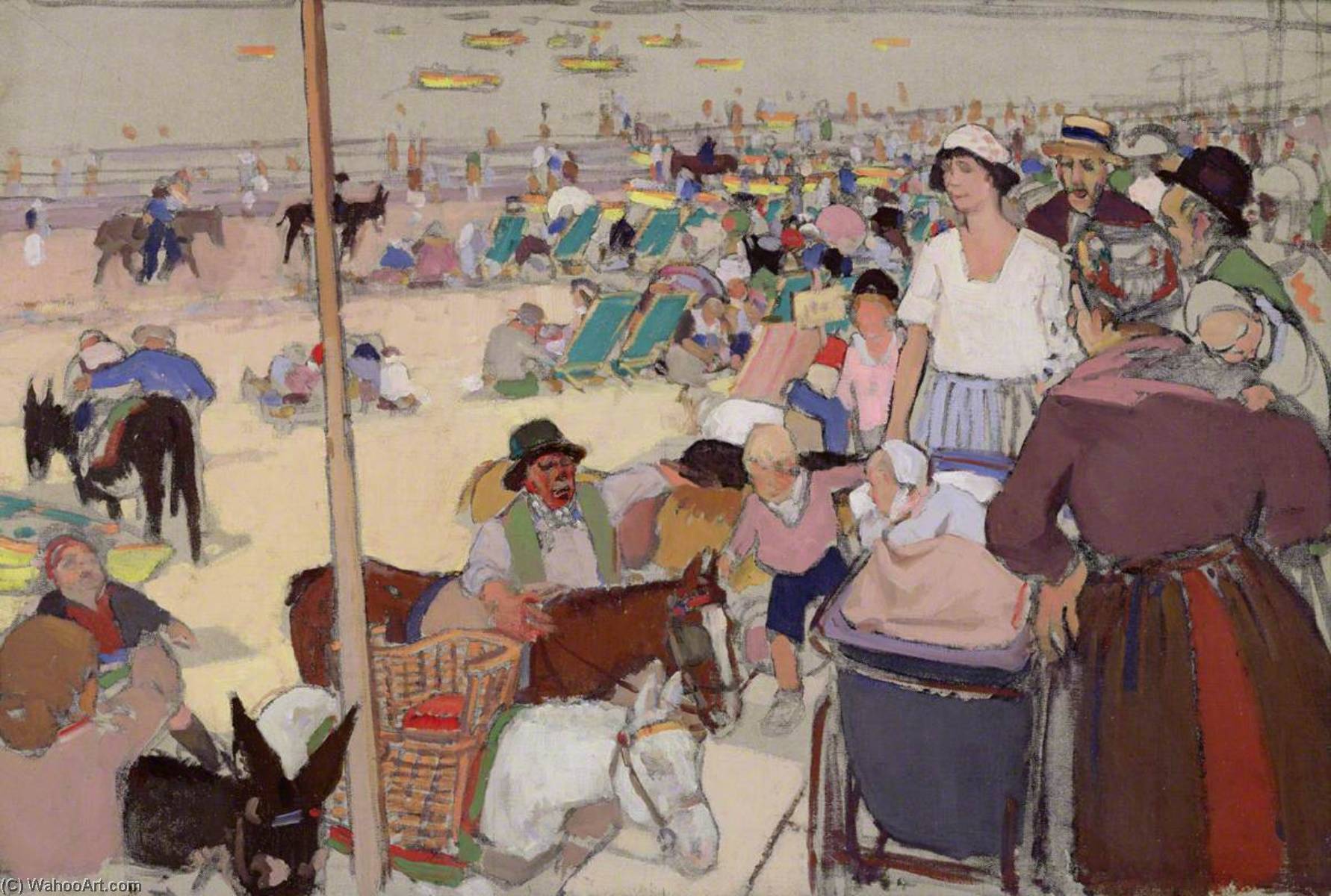

 James Cowie (1886–1956), RSA1935 · Royal Scottish Academy of Art - Architecture
12
 The Fisherman's Regatta, Brittany, France1943
13
 War in the Forest Newfoundland Lumberjacks at Work in Scotland1940
14
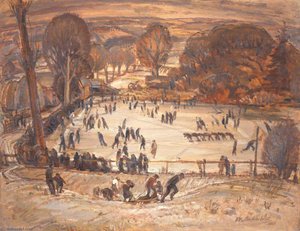 Winter Landscape, West Cults, Aberdeen1940
15
 The Loading, Landings, Newfoundland Lumberjacks at Work in Scottish Forest1940
16
 A Deeside Stackyard in Winter1940 · Royal Scottish Academy of Art - Architecture
17
 Approach of Winter, Kincardineshire1949
18
 The Breakwater, Stonehaven Harbour, Kincardinshire1950
19
 Bridge of Alcántara, Toledo
20
 Evening in Skye, Loch Carron, Highlands
21
 Barn Interior with a Woman Milking a Cow and a Man Entering a Barn
22
 Noon
23
 Breton HarvestThe Fleming Collection
24
 Drying the Nets, ConcarneauThe Fleming Collection
25
 Farm near Rhynie, North of Aberdeen (verso)
26
 Drambuie, Wester Ross (recto)
3 muziejai, kuriuose saugoma daugiausia šioje pusėje esamų paveikslų.
| Muzejaus | Miestas | David Macbeth Sutherland darbai | Šiojo sąrašo paveikslai |
|---|---|---|---|
 Royal Scottish Academy of Art - Architecture |
Edinburgh | 4 | Don Diego de Acedo (after Diego Velázquez), Breton Peasant, James Cowie (1886–1956), RSA |
 The Fleming Collection |
Londonas | 4 | Breton Dancers, Concarneau, Bank Holiday, Portobello Beach, Breton Harvest |
 Wick Town Hall |
Wick | 1 | General The Lord Horne of Stirkoke (1861–1929) |
Pasirinkite dešimtmetį, kad pamatytėte jį apibrėžusį originalą.


Dr James Cromar Watt (d.c.1941), LLD. Toliausiai eina Don Diego de Acedo (after Diego Velázquez) (1911) ir The Painting Student (1920).
Dr James Cromar Watt (d.c.1941), LLD, Don Diego de Acedo (after Diego Velázquez), The Painting Student, Captain Cromarty, The Demolition of the Crown Hotel, Edinburgh, General The Lord Horne of Stirkoke (1861–1929), Breton Peasant, Breton Dancers, Concarneau, Bank Holiday, Portobello Beach ir Flower Piece. Viršuje esančioje reitingo sąraše nurodyta kiekvieno kūrinio metis ir muziejus.
Mūsų kataloge yra 26 David Macbeth Sutherland darbų, skirtų laikotarpiui nuo 1911 iki 1950.
Daugiausia – Royal Scottish Academy of Art - Architecture (Edinburgh), The Fleming Collection (Londonas) ir Wick Town Hall (Wick). Viršuje esančiame muziejų sąraše yra visi jie.
1920s laikotarpiu: 6 iš 26 šioje pusėje esančių darbų buvo sukurtos tada, iš jų The Painting Student.
Šioje pusėje seniausias darbas yra Don Diego de Acedo (after Diego Velázquez) (1911), o naujausias – The Breakwater, Stonehaven Harbour, Kincardinshire (1950).
Impressionism, vadovaujantis šios puslapio originalais kūriniais.
Don Diego de Acedo (after Diego Velázquez), Breton Peasant ir James Cowie (1886–1956), RSA: Royal Scottish Academy of Art - Architecture, Edinburgh kolekcijoje yra 4 šioje pusėje esančių darbų.
Born in the rugged beauty of Wick, Caithness, David Macbeth Sutherland emerged as a profound voice in Scottish art, weaving together the textures of his homeland with a sophisticated, impressionistic sensibility. His journey from a student of law to a master of the brush is a testament to a deep-seated passion for visual storytelling. After moving to Edinburgh to work as an apprentice in a lithographic business, Sutherland found his true calling within the halls of the Royal Scottish Academy (RSA) and the Edinburgh College of Art. Under the guidance of mentors like Charles Mackie, he honed a technique that could oscillate between the delicate precision of watercolor and the evocative, textured depth of oil on canvas.
His early development was marked by a spirit of exploration, fueled by the prestigious RSA Carnegie Travelling Scholarship in 1911. This opportunity allowed him to wander through Spain, France, and the Netherlands, absorbing the light and atmosphere of the continent. These travels enriched his palette and expanded his vision, bringing a cosmopolitan flair back to the Scottish landscapes he so dearly loved. Alongside fellow artists, he became a pivotal figure in the revival of the Edinburgh Group, contributing to a vibrant era of artistic community and shared studio spaces in Edinburgh.
Sutherland’s oeuvre is a love letter to the varied terrains of Scotland and beyond. He possessed a remarkable ability to capture the ephemeral qualities of nature—the hazy mountains of Wester Ross, the serene greens of a quiet noon, and the shifting urban realities of Edinburgh. His work often transcends mere representation, utilizing impressionistic brushwork to evoke the emotional weight of a place. Whether depicting the ruggedness of Drambuie or the architectural transformations of his city, his paintings resonate with an intimate connection to the land.
Beyond the landscapes, Sutherland was also a gifted portraitist, capable of capturing the dignity and character of his subjects. His versatility allowed him to move seamlessly between the vastness of the outdoors and the focused intimacy of a studio portrait. This duality in his work—the ability to command both the grand scale of nature and the subtle nuances of human expression—cemented his reputation as a versatile and deeply perceptive artist.
The later years of Sutherland's life were defined by a significant commitment to the cultivation of future generations. His long tenure as the Director of Gray's School of Art in Aberdeen allowed him to shape the trajectory of art education in Scotland. This period of leadership was not merely administrative; it was an extension of his lifelong devotion to the arts. Even during the tumultuous years of World War II, his artistic spirit remained undimmed, serving as an Official War Artist and recording the poignant scenes of Newfoundland lumberjacks on Deeside.
Sutherland's historical significance lies in his ability to bridge the gap between traditional Scottish themes and modern impressionistic techniques. His life, marked by both personal bravery—having been awarded the Military Cross—and academic excellence, reflects a man who was as much a part of the history he painted as the landscapes themselves. Through his paintings and his teaching, the essence of the Scottish spirit continues to endure.