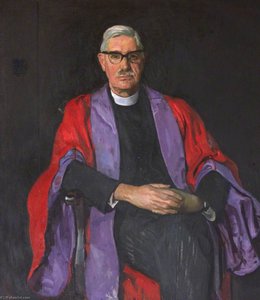
Alberto Morrocco portretas

24 garsiausių Alberto Morrocco paveikių rinkinys: galerijos išboru

Atnaujinta lapkritis 2026 · pagal mūsų populiarumumo koeficientą (paieškos, lankytojai ir užsakymai kiekvienam kūriniui) · 24 Alberto Morrocco darbai mūsų kataloge

Trumpai tariant

Iš visų paliktų originalų kūrinių Alberto Morrocco garsiausias yra Sir Anthony Wheeler (1983–1990), OBE, PRSA (1992), esantis Royal Scottish Academy of Art - Architecture kolekcijoje, Edinburgh. Tiesiog už jų seka Calle de Coseolano Rosas ir John Henderson Seaforth Burleigh (1894–1985). Mūsų kataloge yra 24 darbų autoriaus Alberto Morrocco; galerija išsaugojo 24 labiausiai pasaulyje žyminiausių kūrinių – kiekvienas jų pateikiamas su datos, muziejaus ir istorijos aprašymu.

1917 – 1998, Aberdeen Contemporary realism Daugiausia darbų: The Fleming Collection

Alberto Morrocco geriausios 10 paveikslų: galerijos pasirinkimas

1
Sir Anthony Wheeler (1983–1990), OBE, PRSA (1992) aut. Alberto Morrocco

Sir Anthony Wheeler (1983–1990), OBE, PRSA

1992 · Oil On Canvas · Royal Scottish Academy of Art - Architecture, Edinburgh

An elderly man sits at a desk, immersed in a study that feels both private and theatrical. He is dressed in a formal suit with a bow tie and a gold pendant, holding a document in one hand and a glass beaker in the other. The composition is dense, layering the central figure against a background where a reclining nude female form is partially obscured by drapery. To the left,…

Alberto Morrocco darba rinkinys tęsiamas, nuo 11 iki 24

Temos, kurios domino Alberto Morrocco

Ketverios temos, dažniausiai pasikrausto originaluose, kiekvienos su savo puikiausiu pavyzdžiu.

Muziejai, kuriuose saugomi Alberto Morrocco originalūs darbai

5 muziejai, kuriuose saugoma daugiausia šioje pusėje esamų paveikslų.

Muzejaus Miestas Alberto Morrocco darbai Šiojo sąrašo paveikslai
The Fleming Collection, LondonasThe Fleming Collection Londonas 3 Love on the Costa del Sol, Tay Bridge, Winter, Boy Reading
Royal Scottish Academy of Art - Architecture, EdinburghRoyal Scottish Academy of Art - Architecture Edinburgh 2 Sir Anthony Wheeler (1983–1990), OBE, PRSA, The Studio with Lay Figure
The Resource Centre, NewarkThe Resource Centre Newark 1 Low Tide
Jerwood Gallery, HastingsJerwood Gallery Hastings 1 Still Life with Lobster and Watermelon
University of Stirling, StirlingUniversity of Stirling Stirling 1 Professor John Forty

Alberto Morrocco dešimtmetėms po dešimtmetės: originalus kūrinys, apibūdinantis kiekvieną iš jų

Darbai pagal dešimtmečius

Pasirinkite dešimtmetį, kad pamatytėte jį apibrėžusį originalą.

Kolekcjonerų klausimai apie Alberto Morrocco paveikslus

Kuriu darbu Alberto Morrocco yra labiausiai garsus?Atsakymas

Sir Anthony Wheeler (1983–1990), OBE, PRSA (1992), Royal Scottish Academy of Art - Architecture, Edinburgh. Toliau seka Calle de Coseolano Rosas ir John Henderson Seaforth Burleigh (1894–1985).

Kokia buvo Alberto Morrocco amžius, kai buvo sukurtas Sir Anthony Wheeler (1983–1990), OBE, PRSA?Atsakymas

75 metų amžiaus: Sir Anthony Wheeler (1983–1990), OBE, PRSA sukurta 1992 m. Nr. Alberto Morrocco gimė 1917.

Kokie yra 10 garsiausių Alberto Morrocco paveikslų?Atsakymas

Sir Anthony Wheeler (1983–1990), OBE, PRSA, Calle de Coseolano Rosas, John Henderson Seaforth Burleigh (1894–1985), Sir Charles Wilson (1909–2002), The Honourable Lord Cameron, John Cameron (1900–1996), Breakfast, Love on the Costa del Sol, Mrs Elizabeth Lockhart, Captain James Smith ir Low Tide. Viršuje esančioje reitingo sąraše nurodyta kiekvieno kūrinio metis ir muziejus.

Kiek paveikslų paliko Alberto Morrocco?Atsakymas

Mūsų kataloge yra 24 Alberto Morrocco darbų, skirtų laikotarpiui nuo 1948 iki 1996.

Kuriuose muziejuose eksponuojami Alberto Morrocco šedevrai?Atsakymas

Daugiausia – The Fleming Collection (Londonas), Royal Scottish Academy of Art - Architecture (Edinburgh) ir The Resource Centre (Newark). Viršuje esančiame muziejų sąraše yra visi jie.

Kuriomis metais Alberto Morrocco tapo savo garsiausius kūrinius?Atsakymas

1990s laikotarpiu: 6 iš 24 šioje pusėje esančių darbų buvo sukurtos tada, iš jų Sir Anthony Wheeler (1983–1990), OBE, PRSA.

Kokie yra pirmasis ir paskutinis garsieji Alberto Morrocco originalūs darbai?Atsakymas

Šioje pusėje seniausias darbas yra Mrs Elizabeth Lockhart (1948), o naujausias – Dr Pat McPherson (1916–2008) (1996).

Kurią temą Alberto Morrocco rinkosi dažniausiai?Atsakymas

Portrait (2), Melancholy (2) ir Victorian (2) iš 24 šioje pusėje esamų darbų.

Kelią meno kryptį priklauso Alberto Morrocco?Atsakymas

Contemporary realism, vadovaujantis šios puslapio originalais kūriniais.

Kurių Alberto Morrocco darbai eksponuojami The Fleming Collection?Atsakymas

Love on the Costa del Sol, Tay Bridge, Winter ir Boy Reading: The Fleming Collection, Londonas kolekcijoje yra 3 šioje pusėje esančių darbų.

Alberto Morrocco: gyvenimas ir kūryba

The Vibrant Legacy of Alberto Morrocco

Alberto Morrocco stands as a pivotal figure in twentieth-century Scottish art, a master whose brush captured the soul of both the rugged Highlands and the sun-drenched streets of Italy. Born in Aberdeen in 1917 to Italian immigrant parents, Domenic Antonio Marrocco and Celesta Crolla, his very identity was a beautiful tapestry of cultures. Interestingly, the name "Morrocco" itself became a permanent part of his legacy due to a whimsical error by a local signwriter at his father's ice cream shop. This blend of Scottish grit and Italian warmth would later manifest in his art, creating a unique aesthetic that bridged the gap between Northern European landscapes and Mediterranean light.

His artistic journey began at Gray’s School of Art under the guidance of Robert Sivell, but it was his travels through France, Italy, and Switzerland that truly ignited his creative spirit. These formative years abroad exposed him to the profound shifts occurring in the modern art world. While his roots remained grounded in the Impressionist traditions of Monet and Renlam, Morrocco possessed an insatiable intellectual curiosity that led him toward the avant-garde. The geometric fragmentation of Braque and the bold, transformative innovations of Picasso became lifelong companions in his creative process, instilling in him a commitment to experimentation and expressive, textured brushwork that defied simple imitation.

A Vision of Scotland and Venice

Morrocco’s oeuvre is perhaps most celebrated for its breathtaking duality. On one hand, he offered an enduring tribute to the Scottish landscape, particularly the dramatic and untamed coastlines of Orkney and Sutherland. In these works, he did not merely record scenery; he captured a palpable sense of atmosphere, using subtle hues and meticulous observation to convey the weight of the mist and the strength of the sea. His portraits, such as the dignified John Henderson Seaforth Burleigh, further demonstrate his ability to imbue subjects with a quiet, historical elegance through a blend of realism and Impressionistic light.

Conversely, his fascination with Venice provided a luminous counterpoint to the Scottish moors. In his Venetian visions, Morrocco sought to translate the city's shimmering light, its grandeur, and its inherent melancholy onto canvas. Whether depicting quiet, sun-drenched interiors in works like Breakfast or capturing the bustling energy of the canals, he utilized a vibrant palette to evoke the spirit of the Italian lagoon. This ability to oscillate between the rugged North and the radiant South allowed him to create a body of work that felt both intimately local and universally evocative.

Professional Mastery and Lasting Impact

Beyond his canvases, Morrocco was a cornerstone of the Scottish art community. His professional life was deeply rooted in Dundee, where he served as the Head of the School of Painting at the Duncan of Jordanstone College of Art. His influence extended into the very fabric of public spaces through his monumental murals for St. Columba's Church in Glenrothes and the Royal Dundee Liff Hospital. Even in his later years, Morrocco remained a prolific force; from 1982 until his death in 1998, he produced some of his most vigorous and energetic works, often committing to massive exhibitions of dozens of new pieces in a single year.

The significance of Alberto Morrocco lies in his ability to synthesize disparate influences into a cohesive, emotive language. His life's work remains a testament to the power of cultural fusion, blending:

  • Technique: The marriage of Impressionist light with Cubist structure and bold, modern textures.
  • Subject Matter: A seamless transition between the intimate stillness of still lifes—such as his vibrant Still Life with Lobster and Watermelon—and the expansive majesty of coastal landscapes.
  • Legacy: A profound contribution to Scottish identity that embraced international modernism without losing its connection to the local soil.

Through his mastery of color and form, Morrocco ensured that the light of both Scotland and Italy would continue to shine through the annals of art history.